Guardian Hay Festival

Piedad Bonnett

1. How important do you think it is to choose at this moment in time, this year, 39 Latin American writers under 39 years of age?
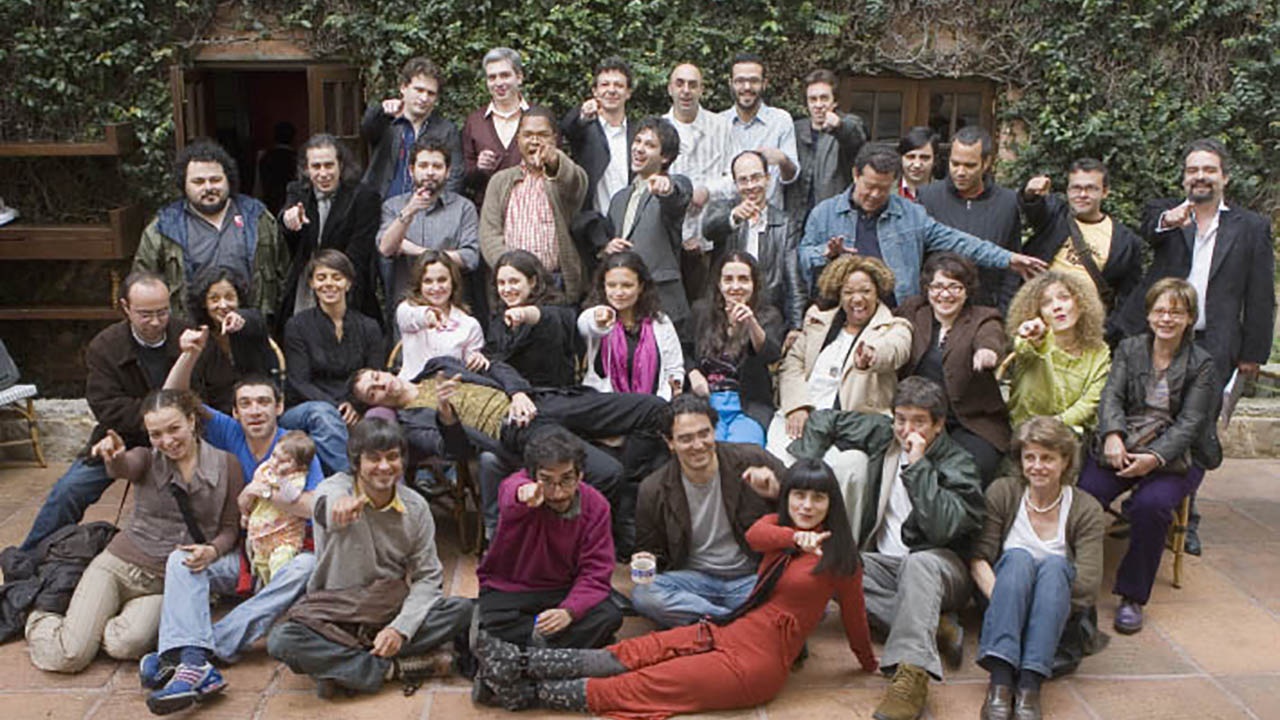
I think the celebration of Bogota being named World Book Capital is a good pretext to hold events the general public are invited to which encourage them to read. Inviting 39 writers under the age of 39, the creators behind new narrative trends, could be very appealing as it promotes many names not known to everyone. Commercial circuits at publishing houses do not always flow as they should and books by authors who are very well-known in their own countries do not sell in the rest of the continent. To get them talking to each other and give the public the opportunity to speak to them will undoubtedly be very stimulating for the cultural life of the city.

2. What criteria will be followed for the selection?
This isn’t a contest where our choices mean that the best writers will be turning up because that’s impossible to determine. This is about choosing a representative group of writers whose work is either very promising or talented or quite well-known with original narrative proposals and ways of seeing the world that entail a renewal and revitalisation of Spanish writing. This doesn’t mean that those who haven’t been chosen are not worthy.

3. What can this event offer writers and readers?
Meeting writers in person is almost always interesting. Not because they are writers but because they are always informed about what their colleagues are doing: with an offer as varied as the one we find in bookshops nowadays, we often focus on English or French-speaking authors or on literature from other places. At present, for instance, Japanese writers get an enormous amount of attention. An event of this nature makes both writers and readers turn to output in our language and arouses our curiosity. It is always interesting to discover what our culture is producing, what are its frames of reference, if there are any constant themes, how we are assimilating trends from the great centres. In addition, the presence of a writer, if he/she is charismatic and intelligent and has original ideas, can make people who hadn’t previously heard of them buy their books.

4. What is the purpose of dividing writers into generations?
These classifications have always been made and are borne out of a specific circumstance: a writer becomes a writer in relation to his masters, learning from them but with a desire to renew their language and portray different ways of seeing the world. The reality from which the most important novels by García Márquez emerged is not the same one as that faced by a thirty year old writer today. Their languages are different. There is an inevitable search for ways to better express new realities. It is always interesting to see the changes generational renewals bring about.
Piedad Bonnett