Online events
Event 2
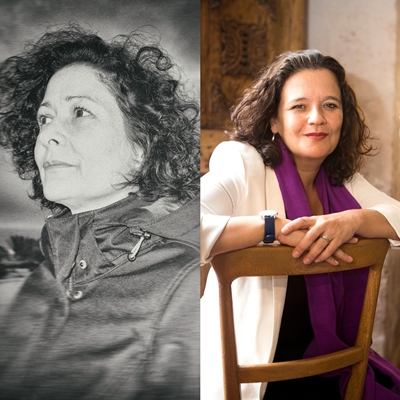
In Noche negra, Pilar Quintana (Colombia) returns to the untamed and exuberant Colombian Pacific that she portrayed so convincingly in the acclaimed novel La perra. In her latest book, the protagonist finds herself alone for four days in a setting that is both terrifying and fascinating. She feels threatened not only by nature, but by the people around her. As well as her work as a writer, Quintana has recently edited the second issue of the Biblioteca de Escritoras Colombianas. In conversation with Cristina Fuentes La Roche.
Event 4
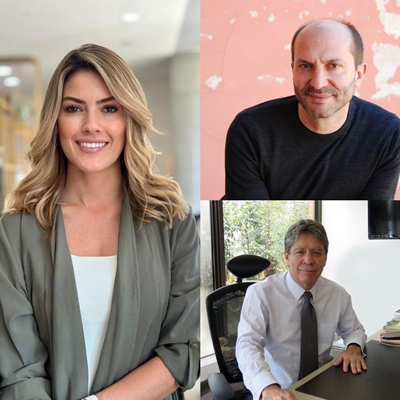
Carlos Granés and Bruce Mac Master in conversation with Tatiana Vásquez
Roaring and destabilization
Teatro Santamaría
Both the essayist Carlos Granés and the economist Bruce Mac Master have taken on the responsibility of analysing our time and our continent. With El rugido de nuestro tiempo, Granés continues his work of scrutinising the present, and comes to the conclusion, one shared with other commentators, that we live at a time of ideological and geopolitical disorder. In his more recent book, La agenda de la desestabilización. Colombia en la mira, Mac Master takes on one of the most pressing problems of our times: destabilisation, looking at the matter through the Colombian lens. Although these two authors perhaps do not have all the answers, their questions nonetheless open the way to a conscious reflection on the times in which we live. They talk to Tatiana Vásquez
Event 6
Virginia Petro De León in conversation with Lu Beccassino
Loving, healing, and loving once again
Teatro Santamaría
First comes love, then falling out of love, and then after a necessary process, healing; after that one is ready to love again. Después del amor, nosotras is the first book by Virginia Petro De León, a collection of poems illustrated by Eloísa Castro, in which the words live a life worn down by pain, while healing comes on slowly. She will talk about the scars of a heart that has healed with Lu Beccassino, author of the work of non-fiction Si nos enseñaran a amar.

Event 9
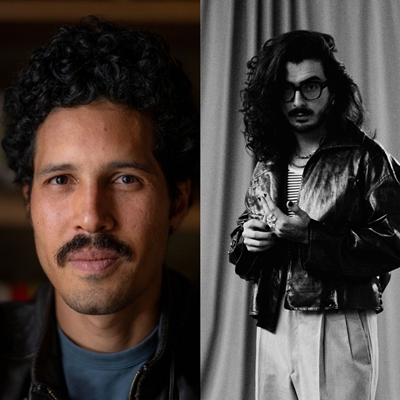
Simón Vargas in conversation with Jorge Caraballo
From Morat to ‘A la orilla de la luz’
Teatro Santamaría
Event 12

Principal Sponsor

Government Partner