Event FiltersYou are viewing events filtered byGenderReset all filters
Event HFJ5
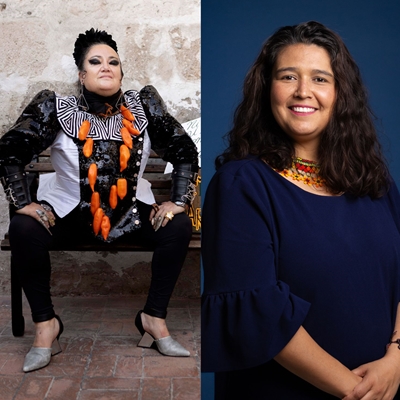
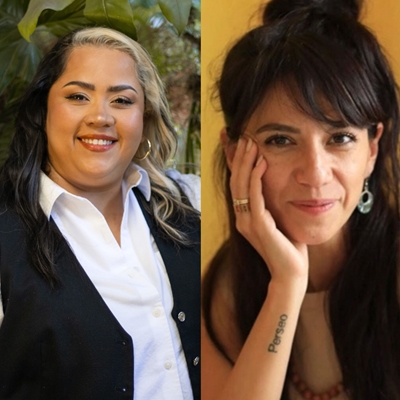
María Galindo in conversation with María Michelle Villanueva Moreno
Feminisms: campaign, provoke, act
–
UAQ, Facultad de Filosofía (Anfiteatro El Molcajete), Campus Aeropuerto
Defining María Galindo(Bolivia) is to talk about anarcho-feminism; about the Mujeres Creando movement; the idea of the “tecnoshaman”; and about books such as Feminismo bastardo, Ninguna mujer nace para puta and No se puede descolonizar sin despatriarcalizar. About occupying the streets, as if they were trenches; about deconsecrating the academy; and disputing feminism from the south and from the periphery; all through activism, campaigning and provocation. There are many “Galindos” in this unmanageable writer, whom we will meet at this event with María Michelle Villanueva Moreno(Mexico).
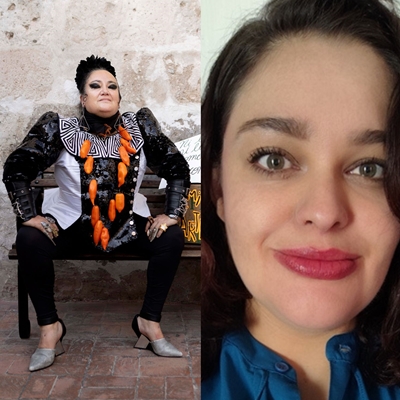
María Galindo in conversation with María Connie Garrido Sicilia
Feminisms: campaign, provoke, act
–
Casa de la Cultura Cayetano Rubio
Defining María Galindo(Bolivia) is to talk about anarcho-feminism; about the Mujeres Creando movement; the idea of the “tecnoshaman”; and about books such as Feminismo bastardo, Ninguna mujer nace para puta and No se puede descolonizar sin despatriarcalizar. About occupying the streets, as if they were trenches; about deconsecrating the academy; and disputing feminism from the south and from the periphery; all through activism, campaigning and provocation. There are many “Galindos” in this unmanageable writer, whom we will meet at this event with Connie Garrido Sicilia.
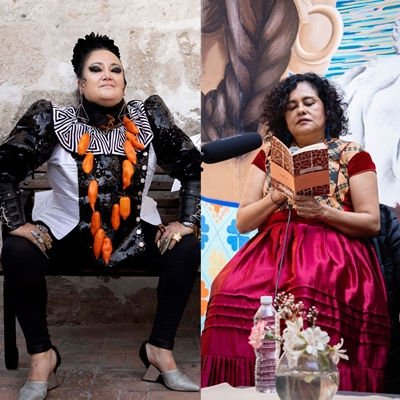
Defining María Galindo(Bolivia) is to talk about anarcho-feminism; about the Mujeres Creando movement; the idea of the “tecnoshaman”; and about books such as Feminismo bastardo, Ninguna mujer nace para puta and No se puede descolonizar sin despatriarcalizar. About occupying the streets, as if they were trenches; about deconsecrating the academy; and disputing feminism from the south and from the periphery; all through activism, campaigning and provocation. There are many “Galindos” in this unmanageable writer, whom we will meet at this event with Natalia Toledo.
Rosa Beltrán, Cristina Bendek and Socorro Venegas in conversation
Anti-colonial readings: Don’t give up!
–
Patio de la Delegación del Centro Histórico
No Give Up Maan! ¡No te rindas!by Hazel Robinson Abrahams, forms part of UNAM’s Vindictas collection. A novel about the Colombian Caribbean set in the archipelago of San Andrés, Providencia and Santa Catalina. A forthright critique of institutions and conventions. Cristina Bendek, also from San Andrés and author of the introduction to this edition; Rosa Beltrán, Coordinator of Cultural Outreach at UNAM; and Socorro Venegas, Head of the Directorate-General for Publications and Publishing Promotion, discuss this work, seminal in the literature of the Caribbean southwest.
Vivir Quintana in conversation with Felipe Restrepo Pombo
Living for music
–
Jardín Guerrero
The resounding success of the honest and frank Canción sin miedo turned Vivir Quintana(Mexico) into a feminist icon throughout Latin America. But behind every icon there is always a person: a life made up of stories, acts of resistance and a heritage. Sobre-vivir para la música is exactly that: a personal diary, a celebration of everything that is Vivir Quintana – her words, notes, songs, photographs and drawings. It offers an open window into her story and that of the voices that have accompanied her. The conversation will be complemented by several live songs from the artist recently nominated for a Latin Grammy for Best Singer-Songwriter Album.
Accesibility: interpretation into Mexican Sign Language available
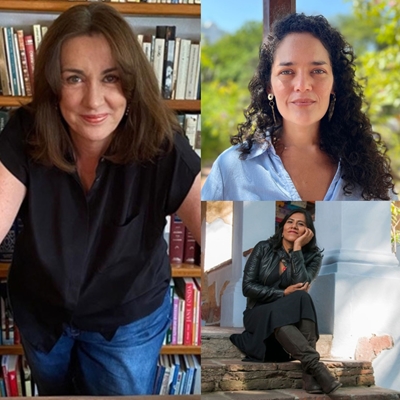
Diana González, Claudia Ivonne Hernández and Isabel Posadas in conversation with Dalia Larisa Juárez Otero
Sexism in the media
–
Casa Hay Festival — SURA (salón lateral)
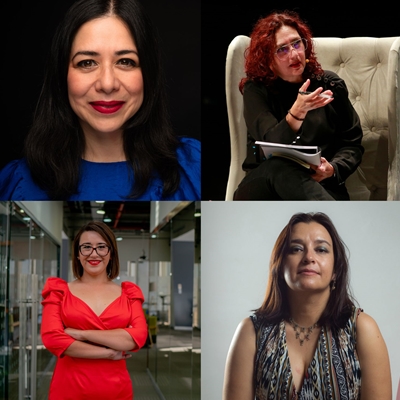
Sexism has countless faces, and many of them originate and are perpetuated in the media. In this conversation, we will look at the various forms of gender bias that still persist in journalism, from how certain narratives are constructed, to who tells them. Digital violence and harassment, the angle of coverage of a femicide, the manosphere, and the structural barriers that women journalists still face will be among the topics discussed. Diana González, Claudia Ivonne Hernández, Isabel Posadas and Dalia Larisa Juárez Oterosit down to share their experiences and criticise attitudes that still prevail in the media.