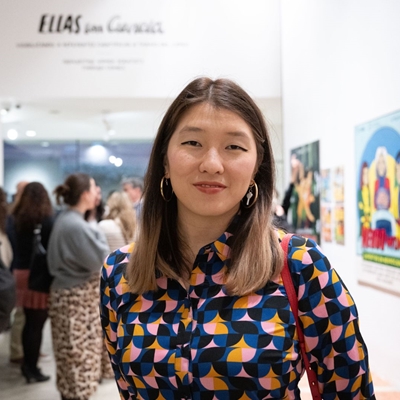
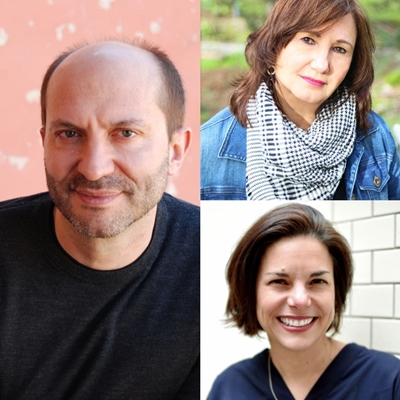
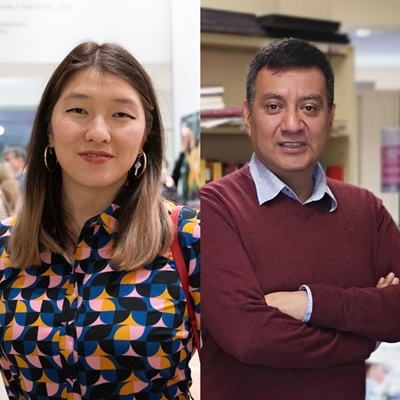
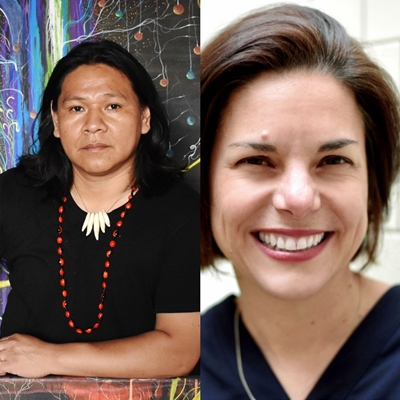
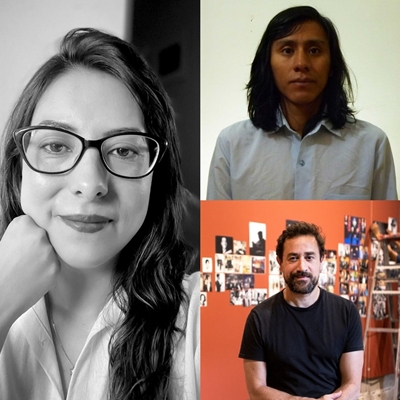
Quan Zhou in conversation with Eduardo Tokeshi and Cristina Zavala
From here and there
–
Auditorio de Arte y Diseño - Campus PUCP
From neither here nor there? Or Andalusian and Chinese at the same time? As the daughter of immigrants born in Spain, Quan Zhouhas often found herself on both sides of the fence, caught between questioning her own identity and being the target of racist discrimination. These life experiences have been covered by her with intelligence and humour, in autobiographical works such as the comics Gazpacho agridulce and Andaluchinas por el mundo, as well as the graphic essay Gente de aquí, gente de allí. She is also the creator of the documentary podcast Mi familia española, which uncovers an invisible chapter in the recent history of Spain: the experiences of migrant mothers, their children, and the Spanish nannies who looked after them in the 1980s and 1990s, when racial diversity was virtually non-existent.
This event has taken place
Sponsored by PUCP, with the support of Acción Cultural Española, AC/E
Carlos Granés and Fietta Jarque in conversation with Katerina Valdivia Bruch
How art can explain a continent
–
Teatro Municipal
Can art explain a continent better than politics or history? Latin America has found in creativity a space to imagine futures, challenge power, preserve memory and reinvent its identity. The Colombian essayist Carlos Granés, author of Delirio americano and El rugido de nuestro tiempo, reflects on the relationship between art, culture and politics in the region. The journalist and writerFietta Jarque (Peru), author of Cómo piensan los artistas and known for her long career as a critic and chronicler of the visual arts, explores how Latin American artists have covered the continent’s major transformations and challenged traditional perspectives on its history. These two thinkers will engage in a dialogue alongside the curator and independent researcher Katerina Valdivia Bruch.
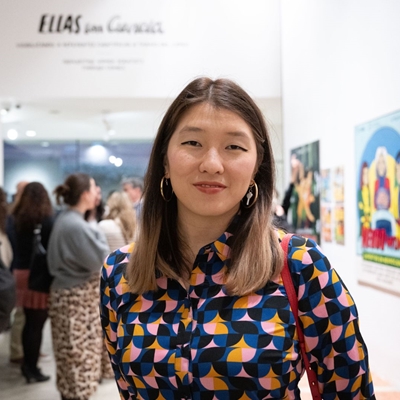
From neither here nor there? Or Andalusian and Chinese at the same time? As the daughter of immigrants born in Spain, Quan Zhou has often found herself on both sides of the fence, caught between questioning her own identity and being the target of racist discrimination. These life experiences have been covered by her with intelligence and humour, in autobiographical works such as the comics Gazpacho agridulce and Andaluchinas por el mundo, as well as the graphic essay Gente de aquí, gente de allí. She is also the creator of the documentary podcast Mi familia española, which uncovers an invisible chapter in the recent history of Spain: the experiences of migrant mothers, their children, and the Spanish nannies who looked after them in the 1980s and 1990s, when racial diversity was virtually non-existent.
This event has taken place
With the support of Acción Cultural Española, AC/E
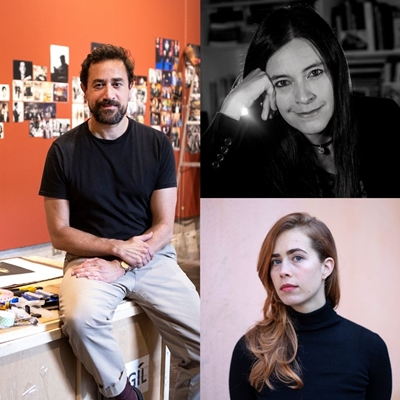
Carlos Caamaño, Rossana Díaz Costa and Greta García
Hay Festival en español podcast: another place to talk about art
–
Casa del Moral
Stories change depending on who tells them and from whose perspective. Some stories only emerge when we shift our perspective, and it is our viewpoint that shapes the narrative. Come and see how an episode of the Hay Festival podcast in Spanish is recorded live, and listen to the reflections of Carlos Caamaño, Rossana Díaz Costa and Greta Garcíaon how photography, film and dance engage with the world.
–
Centro Cultural Peruano Norteamericano (auditorio)
From neither here nor there? Or Andalusian and Chinese at the same time? As the daughter of immigrants born in Spain, Quan Zhouhas often found herself on both sides of the fence, caught between questioning her own identity and being the target of racist discrimination. These life experiences have been covered by her with intelligence and humour, in autobiographical works such as the comics Gazpacho agridulce and Andaluchinas por el mundo, as well as the graphic essay Gente de aquí, gente de allí. She is also the creator of the documentary podcast Mi familia española, which uncovers an invisible chapter in the recent history of Spain: the experiences of migrant mothers, their children, and the Spanish nannies who looked after them in the 1980s and 1990s, when racial diversity was virtually non-existent.
This event has taken place
With the support of Acción Cultural Española, AC/E and the PUCP
Rember Yahuarcani in conversation with Katerina Valdivia Bruch
An invitation to think about the Amazon through contemporary art
–
Colegio de Arquitectos
For centuries, the Amazon has been viewed from the country's metropolis as territory, landscape, or resource. Today, contemporary art proposes a reversal of that perspective. What happens when the Amazon ceases to be an object of representation and becomes a form of knowledge? Artist Rember Yahuarcani, whose work intertwines the oral history of the Uitoto people with the language of contemporary art, will speak to the curator and independent researcher Katerina Valdivia Bruch about the new way of imagining that are emerging from the forest. A conversation about how art can open up space for other ways of knowing and relating to the territory.
This event has taken place
With the support of the University of Lima and the ICPA
Ros Postigo and Raúl Chuquimia in conversation with Carlos Caamaño
Arequipa–Lima: photography as a meeting place
–
Casa Tristán del Pozo - Fundación BBVA
In the first half of the 20th century, Arequipa helped shape some of Peru's most memorable images. Today, new generations of photographers, curators and thinkers are once again asking what it means to look at a country in transformation. Photographer Ros Postigo and visual artist Raúl Chuquimia will speak to curator Carlos Caamaño about photography as a tool for creating memory and understanding territory, identity and diversity, and something more essential: photography can teach us to see the country better, and Arequipa, with its history and artistic vitality, can become a space for reflecting on contemporary photography in Peru.