Event 1
Event 2
Following the Silk Roads eastwards from Europe through to China, by way of Russia and the Middle East, The New Silk Roads provides a timely reminder that we live in a world profoundly interconnected. In this prescient contemporary history, the author assesses the global reverberations of these continual shifts in the centre of power.
Event 3
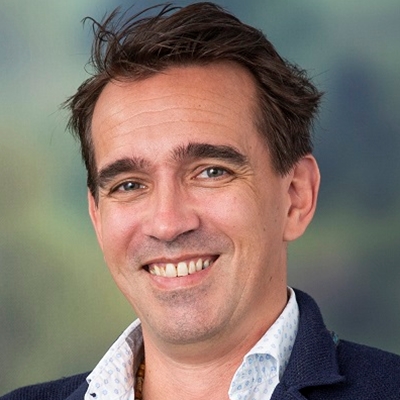
The eminent Emirati short story writer currently serves as Chairman of the Mohammed bin Rashid Al Maktoum Library Foundation and as a Trustee of the Emirates Literature Foundation. He reflects on a lifetime of reading and adventuring in the world’s literary cultures and libraries.
In conversation with Rasheed-al-Khayoun.
Event 5
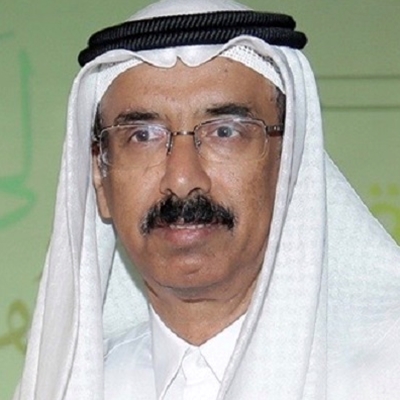
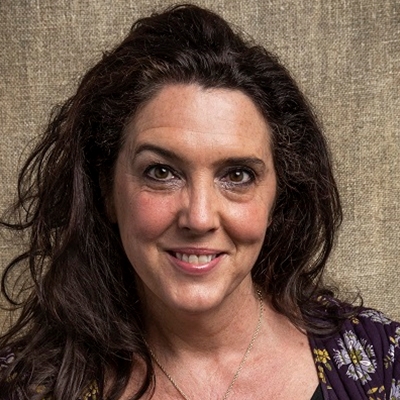
The classicist and historian tells the story of extraordinary, transformative projects helping refugee stonemasons to begin to rebuild the shattered treasures of Syria. The new trainee masons, artisans and artists are both women and men. The lecture is illustrated with film footage from Hughes’ documentaries about the project.
Hughes’ books include Istanbul, The Hemlock Cup and Helen of Troy.
Event 8
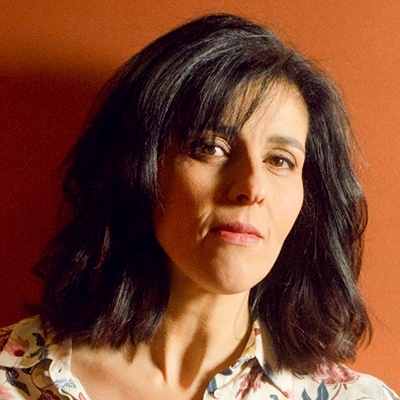
Oumniya ('My wish') marks the great comeback of Souad Massi, the Algerian chaâbi-folk icon. Her sixth album is anchored in current events, covering Algeria, politics, love, freedom and emancipation. Massi plays an Algerian mandole, the main instrument of châabi and Kabyle music, creating a light, melodic folk, balanced with pop, and adds an Arab-Andalusian violin (Mokrane Adlani) and the derbouka (Rabah Kalfa) with Latin drums (Adriano Tenorio). She weaves genres together, as in popular Algerian songs (châabi) and the poetry of Aït Menguelet, champion of the Kabyle resistance, with touches of reggae and fado. Oumniya (which addresses the pain of betrayal), is the first of thirteen songs, most of them sung in Arabic and written by Algiers-born Massi.
Event 9
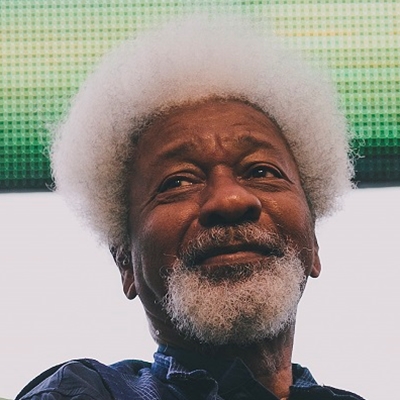
A dialogue with the great Nigerian Nobel Laureate – poet, playwright and novelist. He talks about the rewriting of history, the making of language, culture wars, multiple identities and the storyteller’s duty to speak up. Chaired by Peter Florence.
Event 10
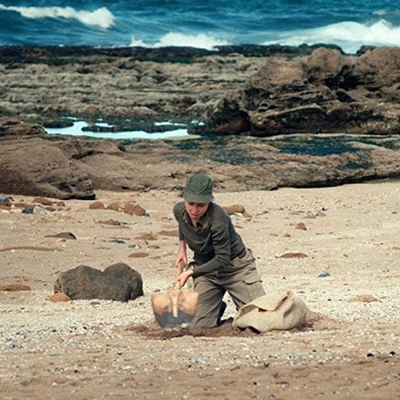
The first in our series of film and documentary screenings selected for Hay Festival Abu Dhabi by Sheyma Buali, Director of BBC Arabic Festival - the BBC News Arabic initiative platforming talented filmmakers and journalists whose work focuses on current issues in the region.
These four short films by female directors take us through the effects of war on individuals and their families. Whether in an assumed safe zone, in exile or remembering previous generations who spoke out for justice, these dramas take us on a voyage across today’s Arab World. Informed, accomplished and impassioned, each film presents an imagined telling of the consequences of war and the hope for freedom.
The films in order:
One Minute, Dina Nasser, 2015, 11’
Only Silence, Katia Jarjoura, 2018, 30’
Rupture, Yassmina Karajah, 2017, 15’
The Calling, Mariakenzi Lahlou, 2017, 24’
Free but ticketed
In partnership with BBC News Arabic
Event 11
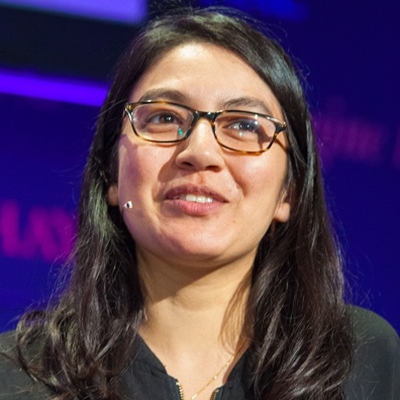
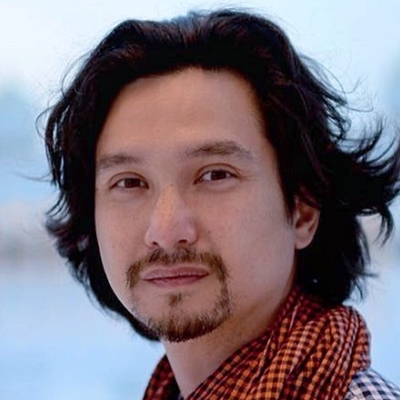
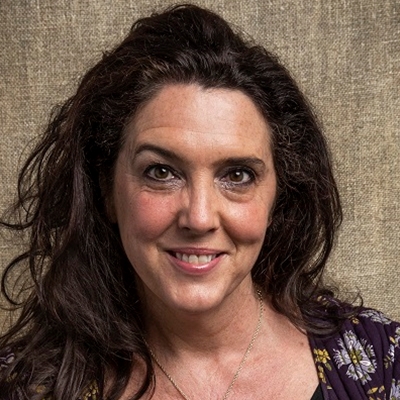
Tahmima Anam, Joumana Haddad, Miguel Syjuco and Bettany Hughes
The Writers’ Table
– Venue: Tolerance Majlis
From the intimate truths of fiction and poetry to the geopolitics of a volatile global reality, this is the first of a series of panel conversations in English and Arabic where writers respond to the audience's questions about the big issues of the day and reimagine the world.
Chaired by Mina Al Oraibi, editor-in-chief of The National.
Event 12
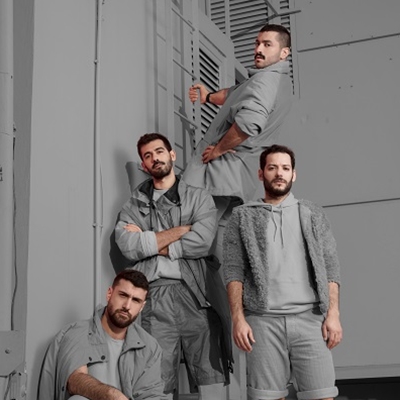
Formed during a late-night jam session at the American University of Beirut in 2008, Mashrou’ Leila have become one of the biggest bands from the Middle East. Renowned for their electro-pop anthems, they return to the UAE with their distinct approach to storytelling and orchestration, drawn from their collective experiences of modern Arab youth identity.