Event 2
Opening of the exhibition: 'The Manila Shawl'
Art as a Collective Object
Venue: Torreón de Lozoya (entrada por la Plaza San Martín)
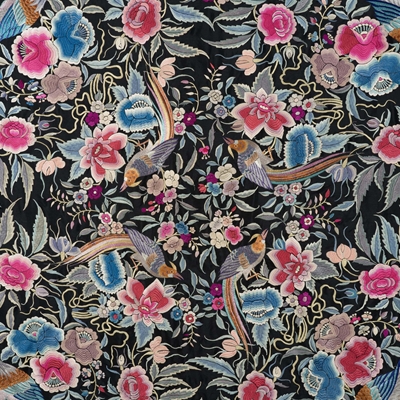
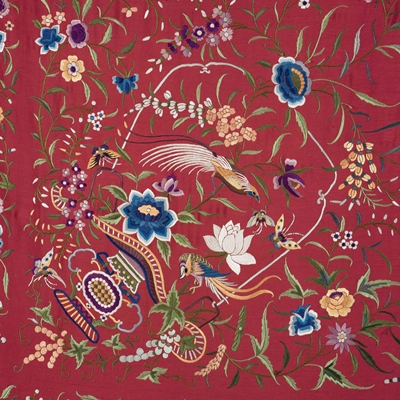
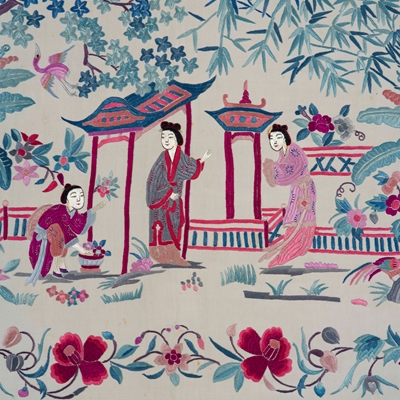
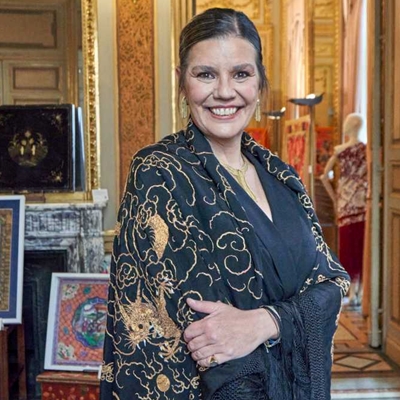
The Manila Shawl, and the creation of a collective art object or exhibition, can provide an in-depth look at this fashion accessory, a component of regional costumes, and a muse for Hispanic art and craftsmanship. The Manila shawl has an Asian form, Hispanic-American color and exuberance, and a Spanish soul; a transition from one culture to another, until it becomes a collective object of undeniable beauty. The exhibition consists mainly of Verónica Durán Castello’s collection of Manila shawls, who has spent 25 years gathering pieces that are unique in their design, embroidery, and state of preservation. It will also feature shawls belonging to well-known figures (such as Imperio Argentina, Lolita Flores, Olga Ramos, and Infanta Elena de Borbón) as well as objects like the boxes that hold the Manila shawls—exceptional pieces due to their beauty and artistic and symbolic content.
The first shawls arrived starting in 1565, when Miguel López de Legazpi, commanding the Nao San Pedro, discovered the maritime route that crossed the Pacific Ocean from east to west, known as the Manila Galleon Route. It departed from Manila loaded with porcelain, jade, screens, lacquerware, silk, and Manila shawls, and after passing through Mexico, set course for Seville or Cadiz.
The exhibition will be on view from 8 September to 10 November
Event in Spanish
Co-organised with La Real Fábrica de Tapices, Kaizen Hotels and SilkRut
Customers who bought this, also bought
- Hwang Bo-Reum in conversation with Catalina Tejero [15] Friday 11 September 2026, 5pm – 5.50pm
- Manuel Jabois in conversation with Miguel Barreiro [48] Saturday 12 September 2026, 7.20pm – 8.10pm
- Ketty Garat, Manuel Jabois and David Mejía in conversation with Teodoro León Gross [37] Saturday 12 September 2026, 1.35pm – 2.25pm
- Diego del Alcázar in conversation with Carlos Franganillo [30] Saturday 12 September 2026, 12pm – 12.50pm
