Politics
Event 228
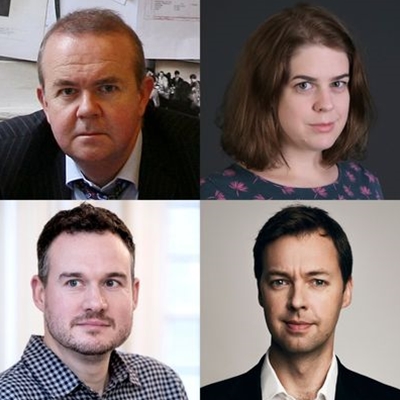
Ian Hislop, Helen Lewis and Adam Macqueen talk to Andrew Hunter Murray
Private Eye Live: Page 94 Podcast
– Global Stage
Read moreThe team behind Private Eye magazine’s podcast, Page 94, brings a live recording to Hay Festival. Guaranteed to contain a healthy dose of political satire. Highly likely to cover some combination of Trump, Farage, whoever is Prime Minister by the end of May, and much more besides.
In partnership with Private Eye
Event 231
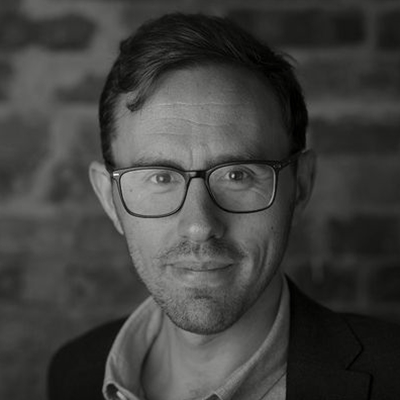
George E Osborn talks to Robert Nisbet
Power Play: Video Games, Politics and the Battle for Global Influence
– Exchange Marquee
Read moreLeading game industry expert George E Osborn exposes how dictators, populists and violent extremists are using video games to influence the world around us. Russia is funding the development of video games to promote their world view, Saudi Arabia has acquired one of gaming’s biggest publishers and Steve Bannon used tactics learned from online game communities to propel Donald Trump to the White House. Osborn helps us to understand this new frontier for political influence and sets out what democracies must do to protect play. He talks to former political and foreign correspondent Robert Nisbet, now a partner at the consultancy 5654 & Co.
Event 239
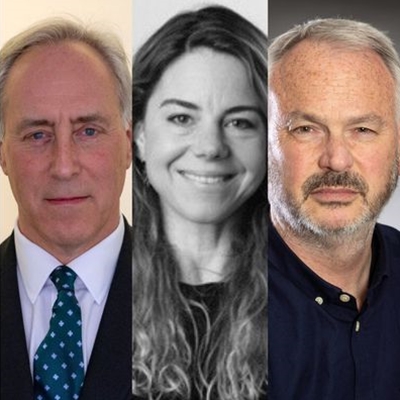
Tim Radford, Katrin Bennhold and Tim Marshall talk to Helen Lewis
America 250: What Will Trump Do Next?
– Global Stage
Read moreShould world leaders stand up to President Trump or keep him onside? Hard to decide when you don’t know his next move. Get rare and first-hand insight from General Sir Tim Radford, who was second in command at NATO between 2020 and 2023, international writer for the New York Times Katrin Bennhold, who was in the room at Davos when President Trump told world leaders he was determined to acquire Greenland, and author and geopolitics specialist Tim Marshall. They talk to Helen Lewis from The Atlantic.
In partnership with The Atlantic
Event 260
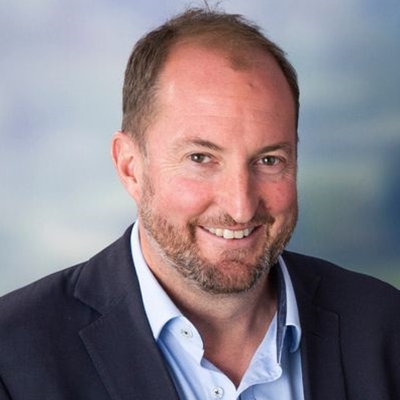
Guto Harri talks to Nick Thomas-Symonds MP, James Evans, Sera Evans, Bethan Rhys Roberts and Will Hayward.
A Political Earthquake in Wales?
– Discovery Stage
Read morePlaid Cymru are now in charge in Wales, ending Labour's 100 years of being in power. Hear reaction from Labour and Reform, as well as some sharp insight into the impact of the election results. Broadcaster and former Downing Street director of communications Guto Harri talks to Plaid Cymru MS, Sera Evans, Labour cabinet minister and Welsh MP, Nick Thomas-Symonds, the Reform MS, James Evans, BBC Cymru Wales journalist and presenter, Bethan Rhys Roberts, and the political journalist and author, Will Hayward (Who Cares About Wales?).
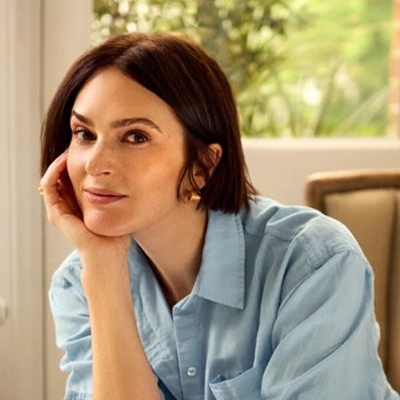
Event 262
Elizabeth Day talks to Jamie Laing
One of Us: The New Novel from the Writer and Podcaster
– Meadow Stage
Read moreBest-selling author Elizabeth Day delves into politics, power and privilege in this timely discussion of her new novel One of Us with fellow podcaster Jamie Laing. This compelling thriller is the sequel to her 2017 best-seller, The Party (soon to be an ITV drama starring Luke Evans), and we rejoin the characters at a huge moment for the entire nation.
Ben is now a cabinet minister and being touted as the next Prime Minister. But when his excommunicated friend Martin receives a surprise invitation back into the inner sanctum of Ben’s family after seven years of silence, he can’t resist the chance to get his revenge. In unfolding the story of Martin, Ben and his family, Day also writes about a country unravelling under the weight of its secrets.
Day is also host of the hugely successful podcast How to Fail with Elizabeth Day, where guests share three personal failures and discuss the lessons learned from them.
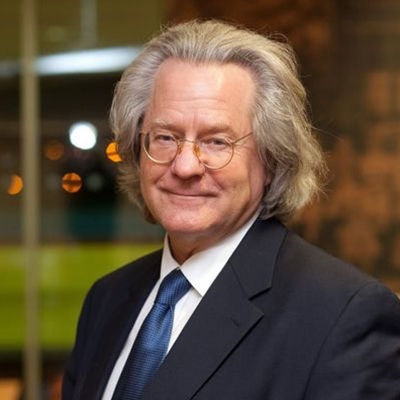
Event 294
AC Grayling
For the People: Fighting Authoritarianism, Saving Democracy
– Global Stage
Read moreAre we witnessing the end of democracy? The foundations of freedom and civil liberties are being eroded around the world, and once-liberal countries are turning to populism. Renowned philosopher AC Grayling investigates the forces undermining our democratic ideals, and delivers an urgent wake-up call, offering bold solutions to fix our problems. Grayling is founder and principal of the New College of the Humanities at Northeastern University, London, and is author of best-selling books including The Meaning of Things.
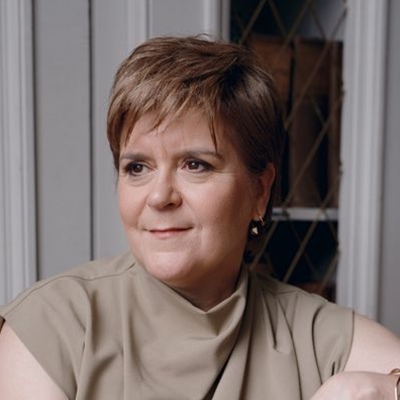
Event 305
Nicola Sturgeon talks to Francine Stock
Frankly: The Future for Scotland
– Discovery Stage
Read moreA candid conversation about a high-profile career played out in the glare of the public gaze. Scotland’s former First Minister Nicola Sturgeon talks to journalist, Francine Stock, about what she’s proud of and what she regrets. Together they look back on her life, from her working-class roots in Ayrshire to becoming the most significant figure in Scottish politics. As well as an insider’s view of some of the key political moments of the recent past, Sturgeon talks about the private battles she’s faced behind closed doors. An honest and insightful conversation.
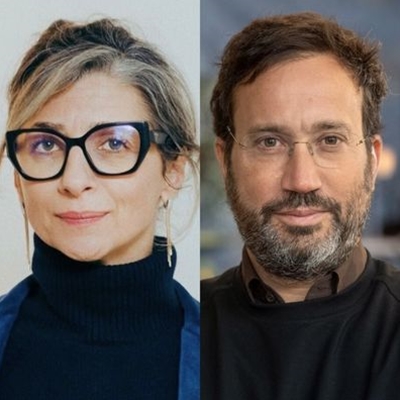
Event 420
Iran : Inside the Crisis, Beyond the Headlines
Lyse Doucet, Maryam Alemzadeh, Jon Lee Anderson in conversation with David Shariatmadari
– Discovery Stage
Read moreBringing together complementary perspectives on Iran and the wider Middle East is Lyse Doucet, the BBC’s Chief International Correspondent whose decades of frontline reporting across Iran, Afghanistan and the region bring both rare human insight and global authority. She is joined by Maryam Alemzadeh, Professor in the History and Politics of Iran, whose insight into the country’s internal political dynamics and state–society relations is unparalleled, and Jon Lee Anderson, one of the world’s foremost frontline chroniclers of conflict and power. Chaired by The Guardian journalist David Shariatmadari, this discussion takes the audience behind the headlines to understand what is really at stake.
Event 323
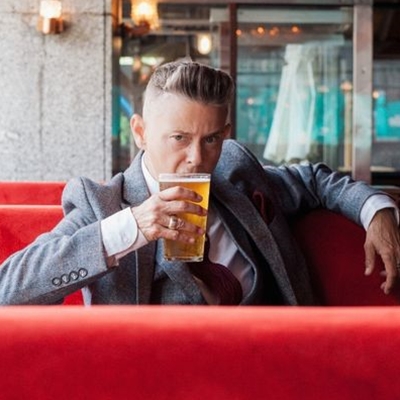
Joelle Taylor
Maryville
– Spring Stage
Read moreThe celebrated poet talks about and performs from her new collection exploring dyke counterculture and the queer underground. Through a cast of characters who meet in the Maryville butch bar over the course of many decades, Joelle Taylor examines queer class politics, the pain of oppression and the beauty and intimacy of community
This is a chance to see one of our best contemporary poets talking about and performing her work. Taylor is author of four collections of poetry and one novel. She won the TS Eliot Prize and the Polar Book Prize for her collection C+NTO & Othered Poems.
Event 324
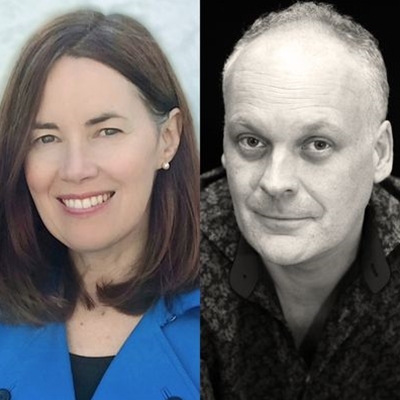
Angharad Price and Patrick McGuinness talk to Dylan Moore
Building Bridges: Welsh Writing and Europe
– Exchange Marquee
Read moreJoin acclaimed writers Patrick McGuinness and Angharad Price in conversation with author and former Wales PEN Cymru director Dylan Moore for an exploration of how Welsh literature can forge renewed connections with European literary culture after a decade of post-Brexit isolation.
Both McGuinness and Price embody the cross-cultural exchange that has enriched Welsh writing: McGuinness, born in Tunisia to an English father of Irish descent and a Belgian mother, and living in Wales for over 20 years, writes between languages and national identities, while Price has published widely on Welsh literature, frequently within a broader European context. Together, they’ll discuss what has been lost and what might be regained as Welsh literature seeks to re-establish its place within the wider European conversation.
In association with Wales PEN Cymru
Event 424
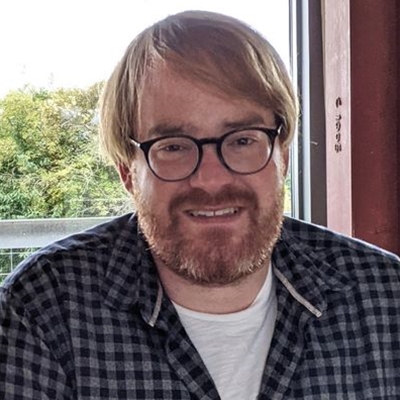
Carl Benedikt Frey talks to Toby Lichtig
How Progress Ends: Technology, Innovation and the Fate of Nations
– Meadow Stage
Read moreHumans have advanced incredibly over the past 1,000 years – but will it continue? Come on a sweeping journey through the history — and future — of progress, from early dynastic China to Deep Seek, as Carl Frey offers a fascinating explanation of why some societies flourish and others fail in the wake of rapid technological change. The Oxford economic historian and author of The Technology Trap shows how technological shifts have shaped, and sometimes destabilised, entire civilisations – challenging the conventional belief that progress is inevitable.
Perhaps we can't depend on any AI-fuelled great leap forward? Frey’s message is simple: progress is possible but never guaranteed. He talks to the Times Literary Supplement’s politics and fiction editor Toby Lichtig.
Event 327
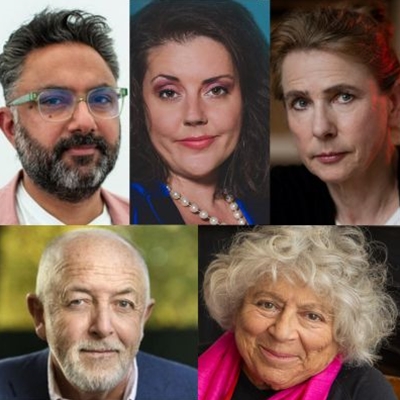
Jeremy Bowen, Carys Eleri, Miriam Margolyes, Sathnam Sanghera and Lionel Shriver
The Weekend News
– Discovery Stage
Read moreA lively and entertaining discussion to start your day. The BBC’s international editor, Jeremy Bowen, brings together a brilliant mix of actors and authors for an energetic debate on the day’s news. Bowen is joined by actor and writer Carys Eleri, veteran of stage and screen Miriam Margolyes, journalist and author of Empireworld Sathnam Sanghera and author of We Need To Talk About Kevin Lionel Shriver.
In partnership with The Week

Event 328
Aziz Abu Sarah and Maoz Inon talk to Lyse Doucet
South to North Conversations: The Future is Peace – Friends Across Borders
– Global Stage
Read moreEveryone expected Palestinian Aziz Abu Sarah and Israeli Maoz Inon to be enemies. Instead, the peace activists and social entrepreneurs forged a bond of brotherhood, connected by their belief in equality, dignity and the idea that Palestinians and Israelis can work together peacefully for a better future. They talk to the BBC’s chief international correspondent Lyse Doucet about their book The Future Is Peace, a transformative journey across the holy land and a bold call for hope, humanity and empathy.
Supported by Open Society Foundations

Event 336
Sajid Javid talks to Aasmah Mir
The Colour of Home: From Poverty to the Top of Government
– Discovery Stage
Read moreBest known for taking on two of the biggest roles in UK politics – Home Secretary and Chancellor – Sajid Javid comes to Hay Festival to share the story of his personal and political life. Introducing his memoir The Colour of Home, Javid gives an insight into his young life as the son of Punjabi immigrants growing up in the 1970s, surrounded by poverty and racism, and how he rose from adversity to top jobs in government. From tales of run-ins with the police to discussing how he felt constantly caught between two cultures, this is a raw and honest conversation about personal resilience, and the chance to get to know the man behind the headlines. He talks to journalist and writer Aasmah Mir.
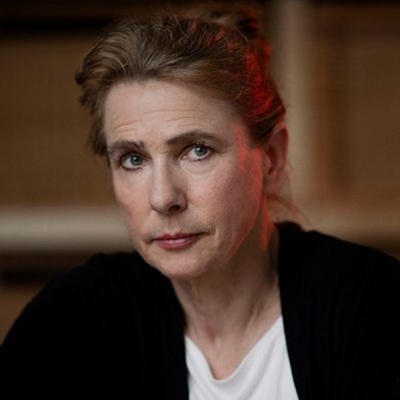
Event 337
Lionel Shriver talks to Nicola Cutcher
A Better Life: The New Novel from the Author of We Need to Talk About Kevin
– Meadow Stage
Read moreA provocative new story of contemporary immigration, hostility and politics. In A Better Life, divorced mother-of-three Gloria signs up to take in a migrant as a lodger. Most of the family welcomes the new arrival. But Gloria’s son, Nico – resenting having to move back into his childhood bedroom at the age of 26 – is more sceptical. He grows increasingly hostile to his mother’s altruism and the ‘migrant crisis’ in general.
Shriver is the award-winning author of We Need to Talk About Kevin and the National Book Award finalist for So Much for That. She talks to journalist Nicola Cutcher.
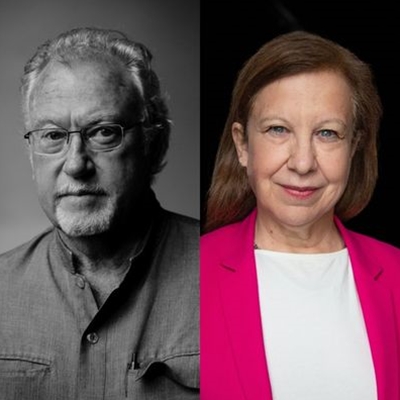
Event 341
Jon Lee Anderson and Lyse Doucet talk to Oliver Bullough
Understanding Afghanistan
– Discovery Stage
Read moreAn homage to Afghanistan and its people from two veteran foreign correspondents. Afghanistan has been beset by war and turmoil for decades, and yet its people do not give up hope. Foreign correspondent Jon Lee Anderson and the BBC’s chief international correspondent Lyse Doucet share their experiences of covering Afghanistan since the 1980s, the people they’ve met and stories they’ve heard, and why Afghanistan means so much to them.
Anderson is a seasoned war and international reporter. To Lose a War collects his writing from Afghanistan from the late 1980s. Doucet’s The Finest Hotel in Kabul is the story of the Inter-Continental Kabul hotel, a symbol of power and cosmopolitanism, and the people who work there. They talk to investigative journalist Oliver Bullough.
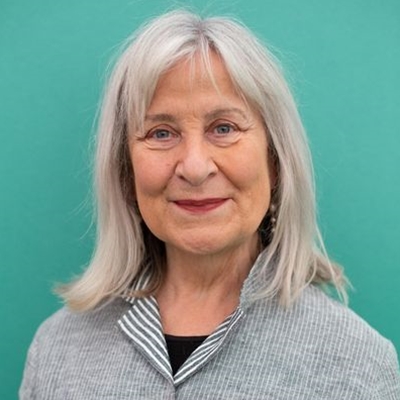
Event 346
Helena Kennedy
Impunity: How the Powerful Escape Justice
– Global Stage
Read more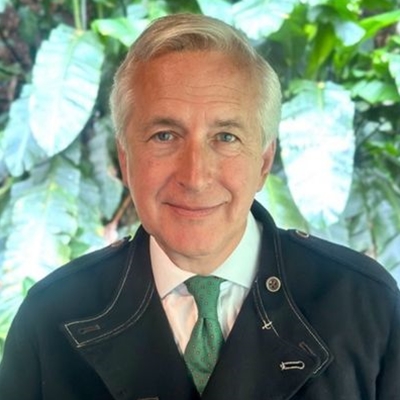
Event 352
Hugo Vickers talks to Alex von Tunzelmann
Queen Elizabeth II: A Personal History
– Exchange Marquee
Read moreA major new portrayal of Queen Elizabeth II. Biographer and royal expert Hugo Vickers uses previously unseen sources and personal recollections to illuminate her life as never before. Join Vickers as he discusses the life of Queen Elizabeth II with author and historian Alex von Tunzelmann, from her childhood growing up in the shadow of the Blitz to her many years as the figurehead for our country. A brand-new perspective into one of the most significant figures in recent history.
Event 366
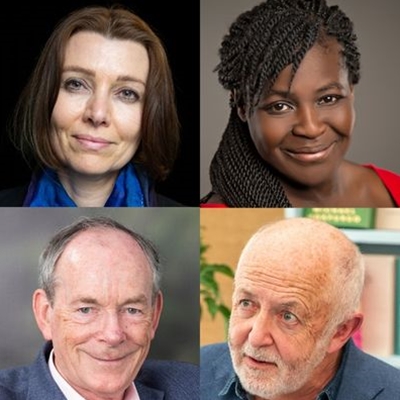
Maggie Aderin, Simon Jenkins and Elif Shafak talk to Jeremy Bowen
Heard at Hay Festival: three brilliant speakers all on one ticket
– Global Stage
Read more
The perfect session if you love new ideas, original thinking and passionate speakers.
Here we present Trump’s America, moving memoir and the power of fiction all on one ticket! Space scientist Maggie Aderin says her destiny was always written in the stars, journalist Simon Jenkins asks whether America can survive Trump, and best-selling author Elif Shafak talks about the power of fiction to connect us all. Chaired by the BBC’s international editor, Jeremy Bowen. We guarantee you’ll leave having learnt something new – something you Heard at Hay Festival.
Sponsored by Passion Pictures
Event 375
Jason Burke talks to Oliver Bullough
The Revolutionists: The Story of the Extremists Who Hijacked the 1970s
– Spring Stage
Read moreAn immersive and jaw-dropping look at a network of radical extremists who terrorised the West in the 1970s with intricately-planned plane hijackings and hostage-takings. Jason Burke, the Guardian’s international security correspondent, talks to investigative journalist Oliver Bullough about figures including Leila Khaled, with her jewellery made from grenade rings, the hard-drinking Carlos the Jackal, in shades and designer suits, and the radical leftists of the Baader-Meinhof Gang.
Burke has been a foreign correspondent for almost 30 years. His book The Revolutionists draws on decades of research and previously classified documents, as well as original interviews with hijackers, spies and more. He takes us into the world of the book, and the people he met while writing it, and assesses a seismic decade that transformed the modern world.
Event 381
Gabriel Boric, Carole Cadwalladr and Simon Jenkins talk to Bronwen Maddox
America 250
– Global Stage
Read moreArmed ICE agents on America’s streets, an apparent contempt for the rule of law – just how far has President Trump strayed from the principles enshrined in the Declaration of Independence? 250 years ago, it promised equality and freedom for all and put these rights under the government’s protection. Broadcaster and author of A Short History of America argues many of Trump's policies are deeply rooted in American History. The ex- President of Chile, Gabriel Boric, US reporter and bestselling author Carole Cadwalladr and Simon Jenkins talk to Bronwen Maddox, director of think tank Chatham House, about how the US got here and what we do about it.
In partnership with The Week
Event 391
Oliver Bullough
Everybody Loves Our Dollars: An Investigation into Money Laundering
– Discovery Stage
Read moreStep inside the shadowy world of money-laundering – one of Britain’s top investigative journalists reveals the secrets, the scandals and how it might finally be stopped. Oliver Bullough, best-selling author of Butler to the World and former Reuters’ reporter, introduces his new book Everybody Loves Our Dollars, in which he reveals how organised criminals move dirty money around the world, and how they turn their incomes into legitimately recognised wealth.
Hear about Bullough’s conversations with convicted money launderers and the people who prosecuted them, and learn more about the shadowy financial system that turns dirty money into clean, in this fascinating event that will change the way you look at money.
Event 392
Thant Myint-U talks to Lyse Doucet
Peacemaker: U Thant, the United Nations and the Untold Story of the 1960s
– Meadow Stage
Read moreRediscover the incredible life and career of the man who saved the world from nuclear war in 1962 when he negotiated an end to the Cuban Missile Crisis. U Thant was the longest-serving Secretary-General of the United Nations (1961–71) and held almost celebrity status during a golden age of diplomacy. Now his grandson Thant Myint-U, an award-winning writer and historian who himself served with the UN, takes a fascinating and hugely entertaining look at U Thant’s life. Talking to the BBC’s chief international correspondent Lyse Doucet about his biography Peacemaker, he traces his grandfather’s rise from schoolteacher in a small Burmese backwater in 1947 to the centre of global politics just two decades later.
Event 402
Tim Wu and Sarah Wynn-Williams talk to Carole Cadwalladr
The Power of Tech
– Discovery Stage
Read moreHow much power is too much power? Step into the heart of the Big Tech debate with Tim Wu, Columbia Law School Professor of Law, Science and Technology, and Sarah Wynn-Williams, former Facebook Director of Global Public Policy, in conversation with investigative journalist Carole Cadwalladr, the reporter who exposed the Cambridge Analytica scandal.
This candid discussion pulls back the curtain on the unprecedented influence of social media, the hidden forces shaping our online lives, and the urgent questions about democracy, privacy and accountability in the digital age. A rare opportunity to hear from the people who understand Big Tech from the inside – and to confront the forces shaping the future of society.
Sponsored by Phoenix Asset Management
Event 405
Ben Rawlence talks to Nicola Cutcher
Think Like a Forest: Letters from a Father
– Exchange Marquee
Read moreHow do we raise children in a climate emergency? If you’ve ever wondered what kind of future we’re facing and how to parent for it, this event offers some clarity and hope.
Ben Rawlence – who is founder and director of Black Mountains College, an institution dedicated to preparing people for the changes to come – has for many years written letters to his growing daughters, trying to understand what it means to bring a child into a world facing ecological breakdown. Talking to nature journalist Nicola Cutcher about these letters, published as Think Like a Forest, he discusses how to live with the central contradiction of our age: raising children within a system that threatens all life.
Event 408
Alice Roberts
Domination
– Discovery Stage
Read moreSecrets hidden in plain sight reveal the fall of an Empire – and the rise of another. Academic, author and broadcaster Professor Alice Roberts takes us on a gripping investigative journey to reveal how the Roman Empire fell, and how Christianity seamlessly took its place. Unearthing archaeological clues and challenging long-established histories, Roberts tells a remarkable story of how power survives.
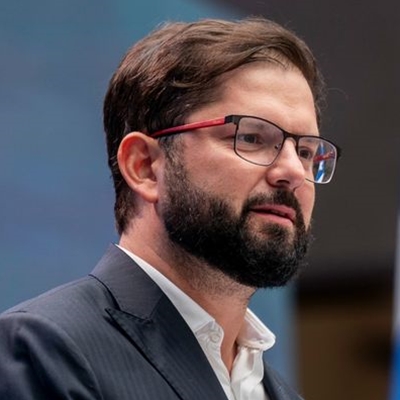
Event 410
Gabriel Boric talks to Jon Lee Anderson
– Spring Stage
Read moreSupported by Open Society Foundations

Event 414
Jeremy Bowen
The Christopher Hitchens Lecture: War, Peace and the Pursuit of Truth
– Global Stage
Read moreJeremy Bowen is one of the foremost journalists of our time, and has built a career from making sense of the complexities of conflict. Now, as the BBC’s international editor, we turn to him to analyse the prospects for peace in the Middle East – a region he’s lived and breathed for the past 30 years. Bowen also talks candidly about the difficulties of being a journalist at a time when ideas of truth and free reporting are under attack. And he poses the most difficult question of all: how do you get to the truth in a post-truth world?
Supported by LOOK UK
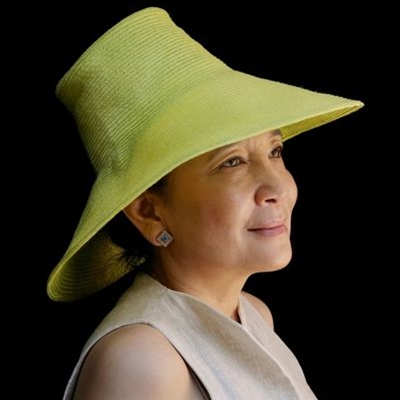
Event 417
Jung Chang talks to Georgina Godwin
Fly, Wild Swans: My Mother, Myself and China
– Meadow Stage
Read moreA rare chance to hear from the author whose generation-defining book offered readers an essential understanding of China’s recent history, and whose follow-up promises to do the same again.
Jung Chang’s epic personal history Wild Swans was a publishing sensation. The story of herself, her mother and her grandmother spanned the final days of the rule of China’s last emperor. It took us through the Cultural Revolution and into the late 1970s, as Jung herself emigrated to Britain as one of the first Chinese people to leave Communist China for the West.
Hear Chang discuss her follow-up, Fly, Wild Swans – almost 35 years in the making – with broadcaster Georgina Godwin. Bringing in the story of the past few decades of her life, from her arrival in the UK to study, through her academic and publishing successes, it’s an engrossing history that once again changes how we think about China.