Politics

Event 6
BBC Radio 4: The News Quiz
Stephen Bush, Robin Morgan, Kiri Pritchard-Mclean and Chloe Petts with Andy Zaltzman
– Discovery Stage
Read moreJoin Andy Zaltzman for a recording of Radio 4’s flagship topical comedy show as he grabs the week’s headlines and hurls them at four of the nation’s best comedians and journalists. On the panel – Stephen Bush, Robin Morgan, Kiri Pritchard-Mclean and Chloe Petts.
Event 9
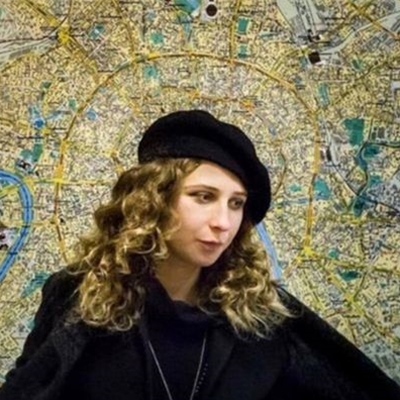
Maria Alyokhina talks to Oliver Bullough
Political Girl: The Pussy Riot Memoir
– Meadow Stage
Read morePussy Riot bravely and flamboyantly harnessed the power of art and culture to resist Putin’s oppression. This is a rare chance to hear first-hand from its founder member Maria Alyokhina. She served time in a brutal Russian prison after performing the punk prayer ‘Virgin Mary, Banish Putin’ with her friends at the Moscow Cathedral of Christ the Saviour. In the face of a new prison sentence, she eventually escaped from Russia dressed as a food delivery driver.
Providing inspiration to a new generation of activists, Alyokhina, author of Political Girl, shares first-hand experiences of the way Russia treats dissidents, emphasises the importance of grassroots opposition and explains how she continues to oppose Putin’s regime. And as the UK government tightens restrictions on protests, we can learn from Alyokhina why standing up to state-sanctioned repression is vital. She speaks to investigative journalist Oliver Bullough.
This event will feature a series of readings with accompaniment by musician and multi-media artist Eric J. Breitenbach.
Event 13
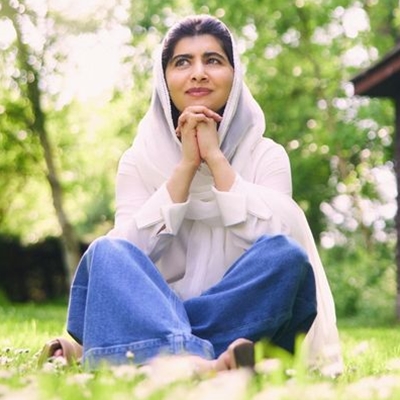
Malala Yousafzai talks to Anna Foster
Finding My Way: A Personal Memoir
– Global Stage
Read moreMalala Yousafzai became the most famous teenager in the world when she was shot by the Taliban, and as an adult she’s one of the most famous activists of our time. Join Malala as she reintroduces herself in this frank and forthcoming conversation with journalist and presenter Anna Foster. She discusses being thrust onto the public stage, the struggle to find her place and how she eventually came to understand that she could be unapologetically who she wants to be.
Malala is an education activist, the youngest-ever Nobel laureate, a best-selling author and award-winning film producer.
Event 14
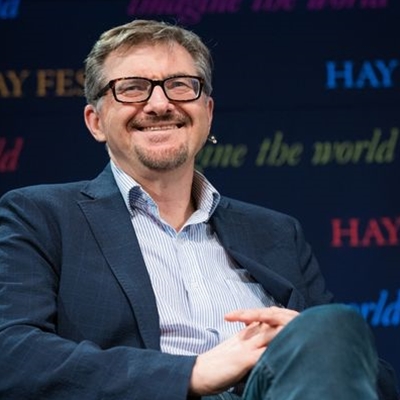
Serhii Plokhy talks to Oliver Bullough
The British Pugwash Lecture: The Nuclear Age
– Meadow Stage
Read moreIt is 35 years since the end of the Cold War – and the nuclear threat is once again reshaping global politics. But in the decades since the Berlin Wall fell, have we become complacent about the risks it poses? Acclaimed historian Serhii Plokhy discusses his timely new book, The Nuclear Age: An Epic Race for Arms, Power and Survival, tracing the history and geopolitics behind the nuclear arms race from the first atomic bomb to today.
The Professor of Ukrainian History at Harvard talks to investigative journalist Oliver Bullough, author of Everybody Loves Our Dollars, asking what we can learn from the first nuclear arms race that can help us to stop the new one.
Supported by Pugwash Conferences on Science and World Affairs

Event 504
BBC Radio 4: The Today Programme
Anna Foster and guests
– Exchange Marquee
Read moreAnna Foster presents a special edition of BBC Radio 4’s Today Programme live from Hay Festival, including guests. This is your chance to see the inner workings of the BBC’s flagship morning news programme, covering everything from politics to nature; international news and sport to arts and culture. Guests include Tim Minchin and Katherine Rundell.
Event 30
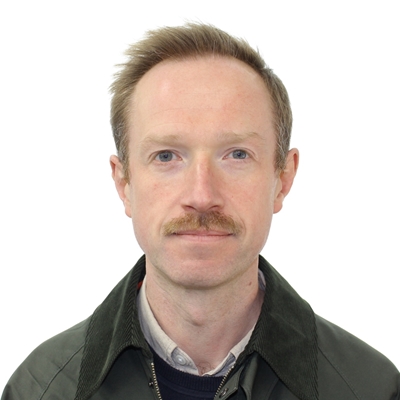
Adam Fleming talks to Poorna Bell, Janina Ramirez and Frederick Studemann and Emma Pinchbeck
The Weekend News
– Global Stage
Read moreAdam Fleming from the BBC’s Newscast brings together leading journalists and writers to discuss, debate and dissect the day’s news. You’ll get the background you might not know, the analysis that helps you understand and the insight that reveals what the stories shaping our world really mean for us all. His guests include the journalist, Poorna Bell, author of She Wants More, best-selling historian and presenter of BBC Radio 4's Front Row,Janina Ramirez, and Frederick Studemann, the literary editor of the Financial Times, and Chief Executive of the Climate Change Committee Emma Pinchbeck
In partnership with The Week
Event 31
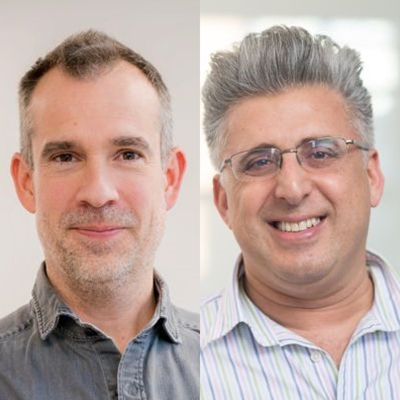
Kamran Abbasi, Chris van Tulleken and Rosie Boycott
Dangerous Liaisons: The Shady World of Big Food and Big Pharma
– Discovery Stage
Read moreWho really decides what we eat, and which medicines we take? How much is down to what we as consumers need, and how much is decided by power, policy and profit? Doctors Kamran Abbasi, editor-in-chief of the British Medical Journal, and Chris van Tulleken, author of Ultra-Processed People, and the cross bench peer Rosie Boycott expose the networks between government and big business and argue that hidden influences are having a huge impact on public health. Expect a lively, engaging and sometimes shocking discussion.
Event 38
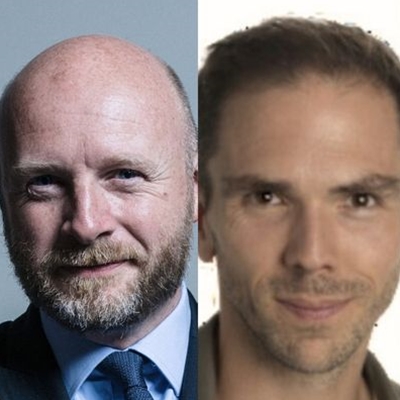
Liam Byrne and John Burn-Murdoch talk to Anna Foster
Why Populists are Winning and How to Beat Them
– Global Stage
Read moreWhy does Reform appeal to so many voters? Can they be attracted back to the centre ground? Former Labour cabinet minister Liam Byrne MP exposes the forces propelling the populist surge – and sets out a plan to stop it. He’s joined by Financial Times journalist John Burn-Murdoch, for a deep analysis of why we vote the way we do. They talk to Anna Foster, presenter of Radio 4’s flagship Today programme.
Event 41
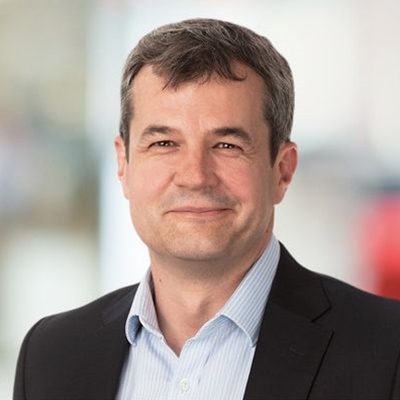
Owain Mulligan talks to Jules Hudson
The Accidental Soldier
– St Mary’s Church
Read moreWhat’s life as a modern soldier really like? In this frank, funny and surprising insight, Iraq war veteran Owain Mulligan takes us on a behind-the-scenes tour of how he accidentally enlisted. As a member of the Territorial Army, Mulligan hoped to swap teaching in a tough school for service in Iraq. When the job in headquarters he’d been expecting didn’t materialise, he instead found himself in Basra in 2006, during one of the most violent periods of the conflict, facing danger not just from militias, but also from faulty equipment and a chain of command that seemed determined to get him killed. He talks to broadcaster Jules Hudson.
Event 42
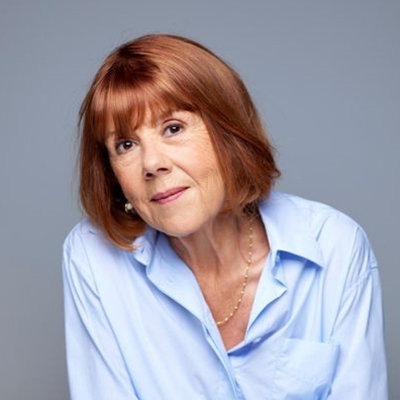
Gisèle Pelicot talks to Helena Kennedy with readings from Juliet Stevenson
A Hymn to Life: Shame Has to Change Sides
– Global Stage
Read moreGisèle Pelicot made headlines around the world when she waived her right to anonymity in the trial accusing her husband and 50 men of sexually assaulting her for nearly a decade. The case contributed to the national debate on sexual violence in France, which led to a change in the legal definition of rape.
Here Pelicot speaks to renowned barrister Baroness Helena Kennedy about her memoir A Hymn to Life, and how she came back from an extraordinary betrayal and embraced life with a renewed passion.
This event features simultaneous interpretation from French into English.
There will be no book signing for this event
There will be pre-signed books available in our Festival bookshop.
Event 43
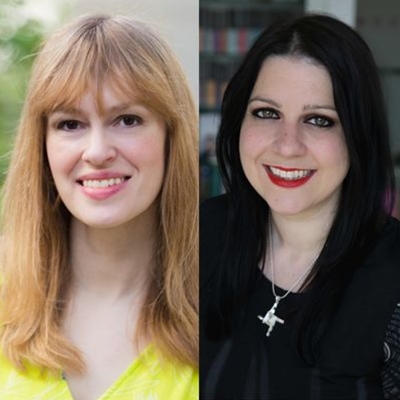
Elodie Harper and Janina Ramirez talk to Samira Ahmed
(Mis)representation: Women’s Stories
– Discovery Stage
Read morePeel back the layers of history and learn the stories of misunderstood, ignored and forgotten women in this discussion with writers Elodie Harper and Janina Ramirez. The pair speak to journalist and broadcaster Samira Ahmed about finding and writing about the stories of real women from centuries past.
Harper’s latest novel is Boudicca’s Daughter, in which she imagines the life of Solina, daughter to the legendary warrior and queen. Harper, who worked as a reporter at ITV News, is also the best-selling author of the Wolf Den trilogy.
Historian Ramirez’s Legenda looks at how the lives of women including Joan of Arc and Lady Godiva have been misrepresented by those keen to craft national identities. She explores the real stories behind the legends. Ramirez is an Oxford University academic, author of Femina, and a regular guest presenter of BBC Radio 4’s Front Row.
Event 45
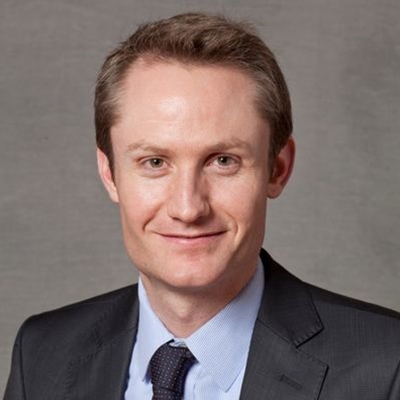
Ronan McCrea talks to Philippe Sands
The End of the Gay Rights Revolution
– St Mary’s Church
Read moreChanges to the law, shifts in culture and greater freedoms can make it seem like the gay rights movement in the West has succeeded beyond its wildest dreams. But, argues academic Ronan McCrea in his book The End of the Gay Rights Revolution, there are threats to the movement’s victories, from political developments to migration patterns.
McCrea, who is professor of constitutional and European law at University College London, discusses the challenges ahead, why the gay rights movement is ill-equipped to deal with them, and what comes next, with human rights lawyer Philippe Sands.

Event 507
BBC: Newscast
Adam Fleming and guests
– Exchange Marquee
Read moreBe in the audience for the BBC's daily news podcast - diving into the day's biggest news stories so you're never out of your depth.
Event 49
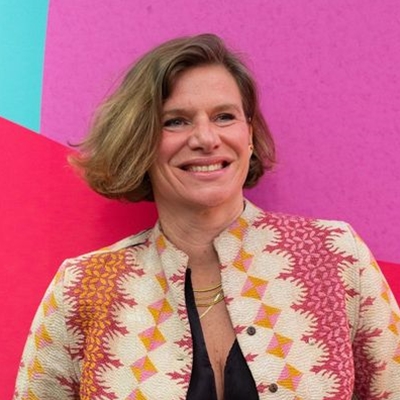
Mariana Mazzucato talks to Zanny Minton Beddoes
The Common Good Economy: A New Compass
– Discovery Stage
Read moreThe climate crisis is accelerating. Inequality is deepening. Public trust is crumbling. Ahead of the release of her new book, the visionary economist Professor Mariana Mazzucato presents a new theory of the common good – a rigorous reimagining of economics and a manifesto for a future economy that serves people and the planet. She talks to editor-in-chief of The Economist Zanny Minton Beddoes.
In partnership with The Economist.
Event 51
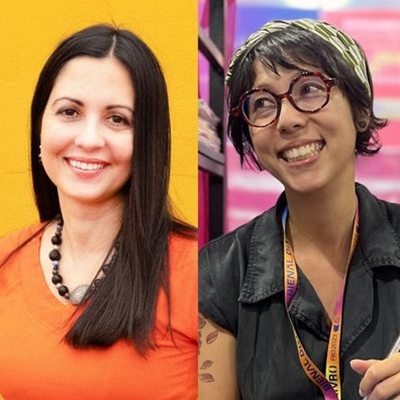
Liliana Colanzi and Hanna Limulja talk to Polly Russell
Dreaming of Resistance: Indigenous Cultures in the Face of Collapse
– St Mary’s Church
Read moreHow can ancient cultures open up our senses and help us dream of a better collective future? Bringing together ideas, traditions and perspectives from indigenous cultures, Brazilian anthropologist Hanna Limulja considers how dreaming is a form of indigenous resistance and hope while Bolivian writer Liliana Colanzi reflects on how environmental devastation and neoliberal violence threaten to create a dreamless future. They talk to British Library curator Polly Russell.
In You Glow in the Dark, Colanzi imagines eerie, post-nuclear futures where survival and postcolonial revolution are the norm, while Limulja’s work focuses on how dreams have been part of the territorial and cultural struggle of the Yanomami people.
Co-curated with FLIP festival. Part of the UK/Brazil Season of Culture 2025–26
Event 53
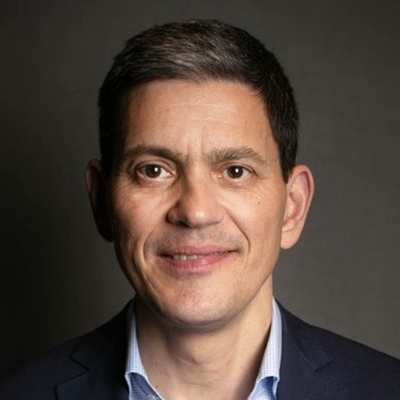
David Miliband talks to Martha Kearney
A Personal Analysis of the Political Landscape
– Global Stage
Read moreThe former Foreign Secretary and one-time Labour leadership contender shares his assessment of what’s going on in the world and what the future might hold at home and abroad. David Miliband was at the heart of New Labour and served in both the Blair and Brown governments. Since 2013, he’s been based in Washington as head of the International Rescue Committee, which works with people whose lives have been shattered by conflict or disaster.
He talks to journalist Martha Kearney in this compelling conversation from a key global player with intimate knowledge of Westminster politics and the international stage.
Event 55
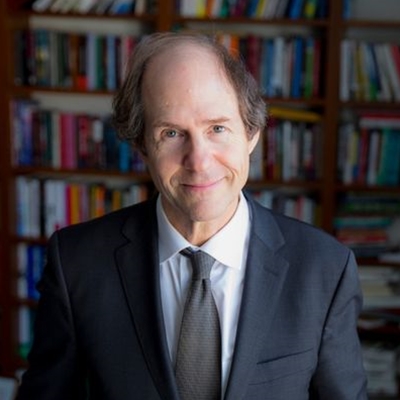
Cass Sunstein
On Liberalism: In Defence of Freedom
– Discovery Stage
Read moreBest-selling author and former White House staffer Cass Sunstein presents an urgent and timely defence of liberalism – what it is, why it is under threat and why we need it more than ever. Besieged from both the right – who hold it responsible for the collapse of traditional values – and the left – who think it lacks the will to tackle entrenched issues of inequality and corporate power – liberalism is facing a crisis moment.
Moving the conversation well beyond reductive political sound bites, the former advisor to Presidents Obama and Biden puts liberalism into context, and argues that we need it more than ever, as the foundation of freedom and self-government.
Sunstein is a professor at Harvard University, and former administrator of the White House Office of Information and Regulatory Affairs. He has been awarded the Distinguished Public Service Medal, the US Department of Homeland Security’s highest civilian honour.
Event 509
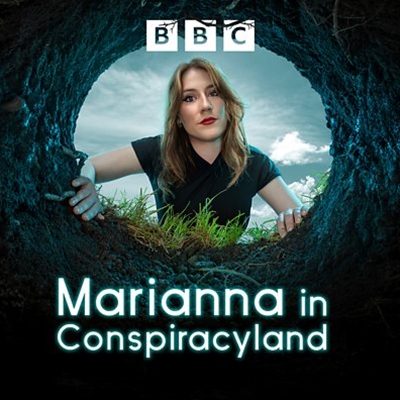
BBC: Marianna in Conspiracyland
Marianna Spring
– Exchange Marquee
Read moreThe BBC’s Disinformation and Social Media Correspondent delves into the world of conspiracy theories and their impact on society.
Event 79
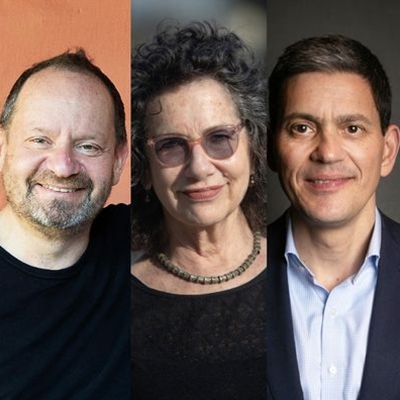
David Miliband, Susan Neiman and Philippe Sands talk to Misha Glenny
Where Does Europe Fit in the New World Order?
– Global Stage
Read moreIs Europe becoming irrelevant on the world stage? The US and China are battling it out for technological dominance, economic influence, military might and global governance. So where does it leave European nations? This panel puts this profoundly changing world order under the microscope. David Miliband, former UK foreign secretary and now President of the International Rescue Committee, philosopher Susan Neiman, and international law expert Philippe Sands join Misha Glenny, host of the BBC’s In Our Time. Combining political, philosophical and legal perspectives, they discuss the challenges – and opportunities – that lie ahead on the world stage.
In collaboration with the Institute for Human Sciences IWM
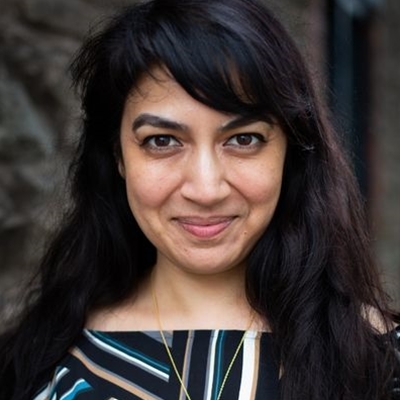
Event 81
Tahmima Anam talks to Kamila Shamsie
South to North Conversations: Uprising
– Spring Stage
Read moreHome Fire author Kamila Shamsie chairs a discussion on violence, female power and freedom, through the lens of Tahmima Anam’s fiercely moving novel, Uprising.
Inspired by the real women of Banishanta, Bangladesh, the book follows the lives of a group of enslaved women on a desolate, sinking island, where their children witness the lives of cruelty and servitude that await them. But when a new woman arrives and refuses to accept this destiny, she opens up a horizon of justice and resistance. The children begin to imagine a life of freedom, and collective complacency soon turns into ferocious defiance.
Supported by Open Society Foundations
Event 88
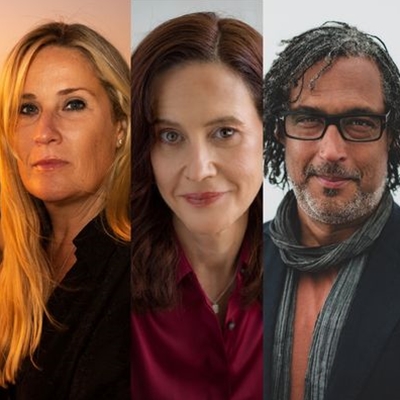
Sarah Churchwell, David Olusoga and Sarah Pearsall
America 250: Revolution
– Global Stage
Read moreTwo and a half centuries after the Declaration of Independence, what can historians teach us about the past, present and future of the United States? Who’s really benefitted from the core promises enshrined in the Declaration of equality, liberty and happiness? Writer and professor of American literature Sarah Churchwell and British-Nigerian historian and BAFTA-winning film-maker David Olusoga are joined by author Sarah Pearsall.
Churchwell explores the myths used as origin stories for the United States, and how they still permeate the way the country’s self-image is sold to the rest of the world. Olusoga highlights the persistent legacy of Empire, obstructing the founding ideals and still stubbornly structuring the present. And Pearsall introduces her new book Freedom Round the Globe: How the World Made the American Revolution, revealing how the fires of change that sparked the American Revolution were igniting all around the world.
Supported by the Eccles Institute for the Americas and Oceania
Event 513
BBC Radio 4: Start the Week
Tom Sutcliffe with Antony Beevor, Susan Neiman and Natalie Haynes
– Exchange Marquee
Read moreMythmaking at Hay Festival: from Medea to Rasputin. Tom Sutcliffe explores the power of mythmaking with three writers who challenge the stories we think we know. Historian Antony Beevor examines the invention and reinvention of the ‘mad monk’ Rasputin. Philosopher Susan Neiman questions the way politics is hijacking fundamental stories for its own ends. And classicist and comedian Natalie Haynes reimagines what Medea really thought of the two-timing Jason. Together they reveal how myths – old, new, personal and political – shape our understanding of the past and frame the battles of the present.
Event 91
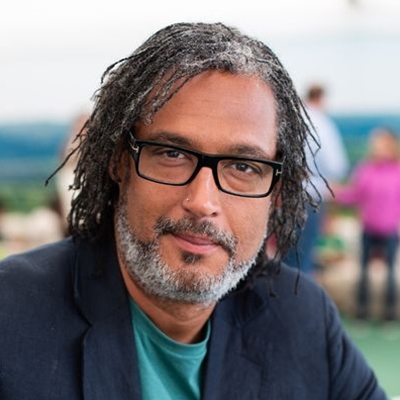
David Olusoga talks to Kirsty Lang
The George Alagiah Lecture
– Discovery Stage
Read moreHay Festival’s annual lecture celebrates the issues central to the late George Alagiah’s work: migration, the power of the global majority and questions of representation. This year, British-Nigerian historian, author, presenter and BAFTA-winning film-maker David Olusoga discusses the history and legacy of the British Empire and how colonial nostalgia is shaping contemporary geopolitics, with journalist Kirsty Lang.
In support of the Migration Museum
Event 93
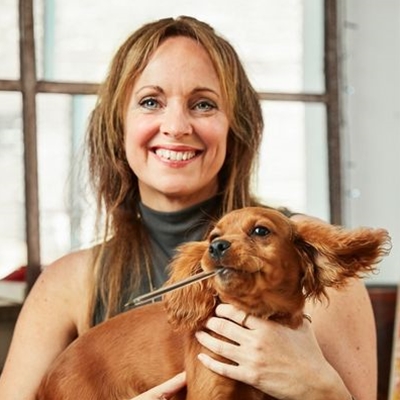
Jenny Evans talks to Samira Ahmed
Don’t Let it Break You, Honey
– St Mary’s Church
Read moreJenny Evans shares how she took on the establishment to fight for justice in this compelling conversation with BBC broadcaster Samira Ahmed. Cast in a cult film at the age of 18, Evans was on the cusp of something extraordinary; a future of promise. But the new world she was exploring crumbled around her when she was assaulted at a party by a high-profile figure.
Evans reported this crime to the police, but shortly after, details of her report were printed in a tabloid. To find out how this happened, she trained as a journalist herself, fighting back against the systems that caused her harm, and helping expose the phone-hacking scandal. Evans, now training as a lawyer, speaks about her fight for justice in a system that so horrifically fails its victims. Her book Don’t Let It Break You, Honey, longlisted for the 2026 Women's Prize for Non-Fiction, is an engrossing account of power, who holds it, who wields it, and who is silenced in the process.

Event 514
BBC: Newscast
Adam Fleming and Alex Forsyth talk to Louise Casey
– Exchange Marquee
Read moreJoin Adam Fleming and BBC political correspondent, Alex Forsyth for a rare chance to be in the audience for the BBC's daily news podcast, Newscast. Adam and Alex will be joined by Louise Casey. Baroness Casey has worked with six prime ministers and led high-profile public inquiries and independent reviews, most recently into grooming gangs in Rotherham, and into the Metropolitan Police. Don’t miss out on seeing one of the UK’s biggest podcasts in action.

Event 96
Antony Beevor
Rasputin and the Downfall of the Romanovs
– Global Stage
Read moreAcclaimed historian Antony Beevor weaves a tale as seductive as Rasputin himself as he presents his unmissable new book. Beevor combines forensic research with gripping storytelling to unpick how Rasputin – a barely literate Siberian peasant – wove an intricate web of seduction and superstition through the Imperial household, resulting in the downfall of a dynasty.
Beevor challenges us to question whether Rasputin was an impressive visionary, an accomplished fraudster or in fact a victim of history. His previous masterful best-sellers Stalingrad and D-Day: The Battle for Normandy position Beevor as one of the great military historians of our times. This is a must for anyone fascinated by Russian history, the forces that shape great empires, and lovers of compelling true stories.
Event 515
BBC Radio 4: Moral Maze
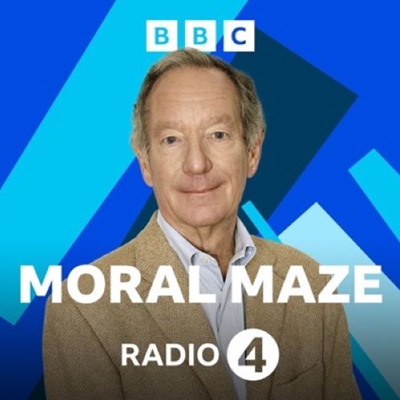
Michael Buerk with Matthew Taylor, Anne McElvoy, Ella Whelan and Mona Siddiqui
– Exchange Marquee
Read moreAre networks the glue of society or the architecture of privilege? Come and join a lively, provocative and engaging debate, examining a core ethical issue of the day, chaired by the veteran BBC journalist Michael Buerk. For more than three decades, t Moral Maze on BBC Radio 4 has brought together different worldviews and challenged conventional thinking in the spirit of philosophical enquiry. With panellists Matthew Taylor (former advisor to Tony Blair), Anne McElvoy (journalist and executive editor at POLITICO), Ella Whelan (author and commentator) and Mona Siddiqui (Professor of Religion and Society, King’s College London).
Event 102
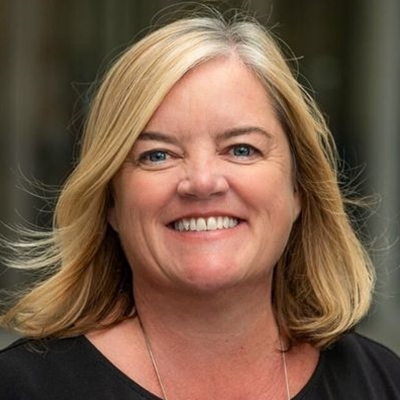
Louise Casey talks to Helena Kennedy
Behind the Scenes of High-Profile Public Inquiries
– Global Stage
Read moreBaroness Casey has worked for six different prime ministers. She’s led high-profile public inquiries and independent reviews, most recently into grooming gangs in Rotherham, and into the Metropolitan Police, where she identified severe institutional failings across the organisation.
In this exclusive conversation with fellow peer Baroness Kennedy, Casey gives an incredible insight into her work as the go-to woman for successive governments to tackle some of society’s most intractable problems – including homelessness, anti-social behaviour, troubled families, child sexual exploitation and social integration. A rare chance to hear the fascinating insights from a woman who’s helped to shape our society and its culture.
Event 104
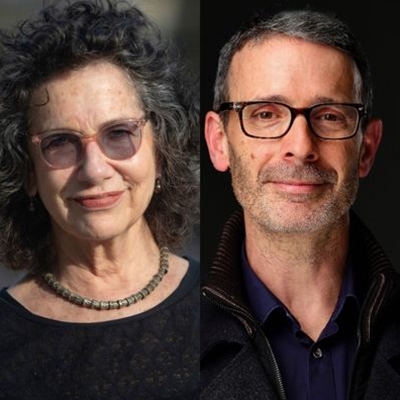
Carlos Fraenkel and Susan Neiman talk to Misha Glenny
On Public Philosophy: Bringing Critical Thinking to Daily Life
– Meadow Stage
Read moreComment sections sear with outrage, social media is overrun with trolls, and polarising protests have almost doubled in the last decade – in today’s divided world, considering the opposing point of view is a rarity. This conversation considers why listening to the people you disagree with is crucial for a healthy society.
Philosophers and authors Carlos Fraenkel and Susan Neiman look at how both the right and the left could benefit from concentrating on what unites us instead of what divides us, and asks whether we can reach a more just and equal society if we all adopted more critical thinking in our daily lives. Chaired by the host of the BBC’s In Our Time, Misha Glenny.
Co-organised with Einstein Forum
Event 110
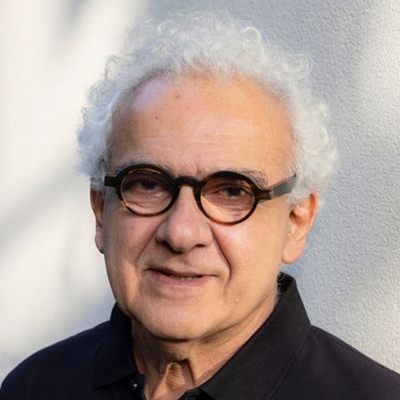
Milton Hatoum talks to Ángel Gurría-Quintana
Memory and Democracy in Brazilian Literature
– Spring Stage
Read moreSince the 1980s, Brazilian writer Milton Hatoum has depicted a hauntingly accurate pattern: the rise-and-fall cycle of Northern empires, endlessly repeating itself every few decades. In this event, Hatoum explores themes that have helped him find his own creative voice, including memory, democracy and the role that time and literature play in reshaping our common knowledge of history.
Hatoum is a three-time winner of the Jabuti Award, Brazil’s oldest and most prestigious literary prize. He speaks to literary journalist and translator Ángel Gurría-Quintana.
Co-curated with FLIP festival. Part of the UK/Brazil Season of Culture 2025–26
Event 117
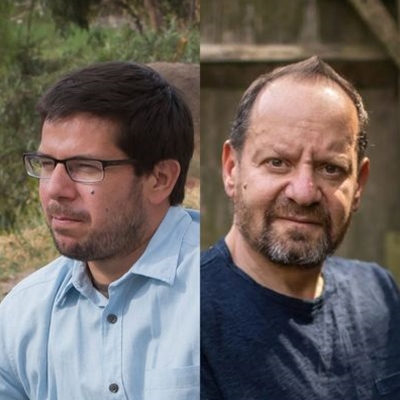
Renato Cisneros and Philippe Sands talk to Sophie Hughes
Family, Memory and History
– Spring Stage
Read moreA captivating conversation between writers Renato Cisneros and Philippe Sands on family, memory and history, asking the question – how much are our private lives shaped by political and historical forces?
Peruvian author Cisneros (The Distance Between Us, You Shall Leave Your Land and The World We Saw Burning) reflects on inheritance, silence and identity within a family marked by power and conflict. Lawyer and historian Sands’ 38 Londres Street examines legacies of violence, justice and belonging that resonate across generations and borders. They talk to Sophie Hughes, who is the most nominated translator in the International Booker Prize’s 10-year history.
This event features consecutive interpretation from Spanish into English.
Sponsored by the Peruvian Embassy and the British Council
Event 125
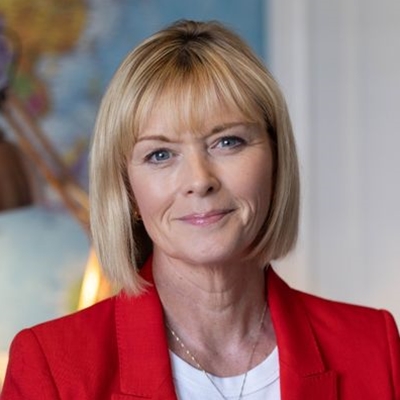
Jess Phillips, Ellie Chowns and Patrick Maguire talk to Julie Etchingham
It’s My Party and I’ll Cry if I Want To: Political Analysis
– Global Stage
Read moreThe May election results caused chaos at the heart of the Labour party. The Prime Minister almost certainly faces a leadership challenge. Jess Phillips resigned as a minister in exasperation at Sir Keir Starmer's way of governing. She joins the leader of the Green Party in Westminster, Ellie Chowns and the chief political commentator for The Times, Patrick Maguire - three people right at the heart of politics in Britain. Chaired by Julie Etchingham from ITV News.
Event 133
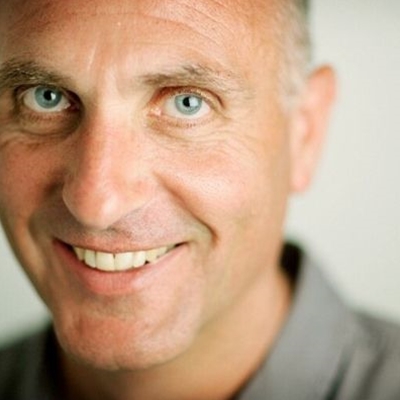
John Crace talks to Rosie Boycott
The Bonfire of the Insanities: The Madness of Westminster Life
– Global Stage
Read moreParliamentary sketch writer John Crace casts his sharp and acerbic eye over our current political chaos and governmental absurdity. Crace assesses whether the Labour government has provided any of the change the UK was expecting, looks at the erosion of the Tory party and the rise of Reform, and predicts what the future of our politics might be, in conversation with cross bench peer Rosie Boycott.
Crace’s newest book is a compilation of some of his much-loved Guardian columns. His other books include Taking the Lead: A Dog at Number 10, Depraved New World, Decline and Fail and I, Maybot.

Event 521
BBC: Newscast
Adam Fleming with Katya Adler and Alex Forsyth
– Exchange Marquee
Read moreJoin Adam Fleming, BBC Europe editor Katya Adler and BBC political correspondent, Alex Forsyth for a rare chance to be in the audience for the BBC's daily news podcast, Newscast. Adam, Katya and Alex will dive into the day's biggest stories. Don’t miss out on seeing one of the UK’s biggest podcasts in action.
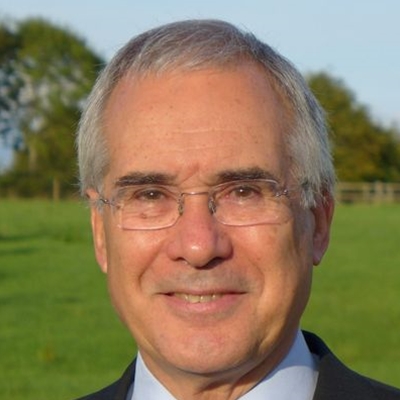
Event 138
Nicholas Stern talks to Katya Adler
The Growth Story of the 21st Century: The Economics and Opportunities of Climate Action
– Global Stage
Read moreAt a pivotal moment for our climate, economist and academic Nicholas Stern comes to Hay Festival with a powerful message: we do not have to choose between prosperity and the planet.
Drawing on decades at the forefront of international climate policy – including his landmark Stern Review – Stern argues that climate action is the growth story of the 21st century. The real risk lies not in acting, but in failing to act. Bringing together economics, finance, politics and behavioural science, he sets out a bold, practical vision for transforming our economies to deliver sustainable, inclusive growth while tackling the climate and biodiversity crises head on.
As Chair of the Grantham Research Institute on Climate Change and the Environment at the London School of Economics, Stern offers an unrivalled insight into what must happen next. Urgent, authoritative and solutions-driven – this is an essential Hay Festival conversation about the future we choose. He talks to the BBC’s Europe editor Katya Adler.
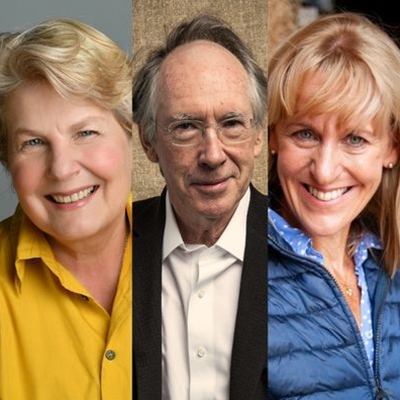
Event 141
Sandi Toksvig, Ian McEwan and Minette Batters talk to David Shukman
Heard at Hay Festival: three brilliant speakers all on one ticket
– Global Stage
Read more
The perfect session if you love new ideas, original thinking and passionate speakers. Here we present three very different solutions to the climate emergency all on one ticket! Comedian and presenter Sandi Toksvig explains how she’s restoring her own ancient woodland, best-selling author Ian McEwan shares his hope for nature’s resilience in the face of climate change, and former president of the National Farmers’ Union Baroness Minette Batters issues a love letter to life on the farm. They speak to David Shukman, whose new book raises the alarm on the fires and floods of Britain’s new climate extremes.
Sponsored by Passion Pictures
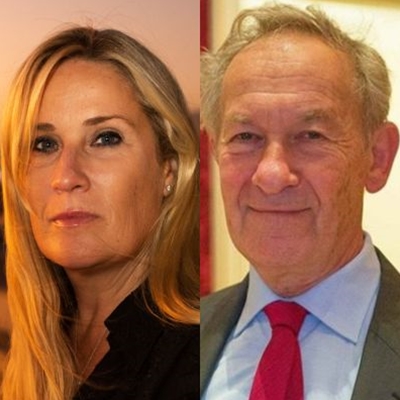
Event 143
Sarah Churchwell and Simon Schama
America 250: A Declaration of Literary Independence?
– Meadow Stage
Read moreHow did the divisions of the American Revolutionary War play out in literature? On the 250th anniversary of the signing of the Declaration of Independence, Professor of American Literature Sarah Churchwell and historian Simon Schama consider how American and British literature diverged in the wake of revolution – and how these literary traditions eventually found their way back to each other.
With discussion and short readings of their favourite books from both sides of the Atlantic, this session traces how writers responded to political rupture, cultural independence and shared language, and how a transatlantic literary relationship was reshaped, challenged and renewed over time.
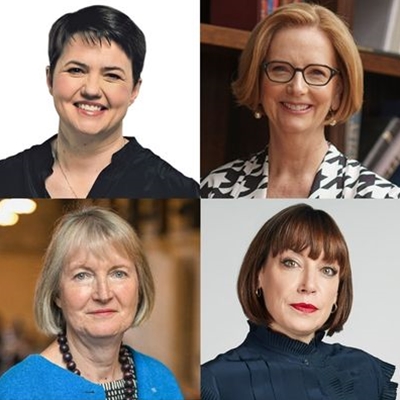
Event 150
Ruth Davidson, Julia Gillard, Harriet Harman and Beth Rigby talk to Katya Adler
Women in Politics
– Global Stage
Read moreFour women who’ve dedicated their lives to front-line politics reveal the reality of working at the top of public life. Are sexism, misogyny and abuse making it just too hard for women to thrive in politics and public office? And what’s the impact if more women walk away or never seek public office in the first place?
Ruth Davidson is the former leader of the Scottish Conservatives. Julia Gillard is the former Prime Minister of Australia whose ‘misogyny speech’ in Parliament became a global phenomenon. Harriet Harman is a Labour peer and the UK’s Special Envoy for Women and Girls. Beth Rigby is political editor for Sky News. They talk to Katya Adler, the BBC’s Europe editor.
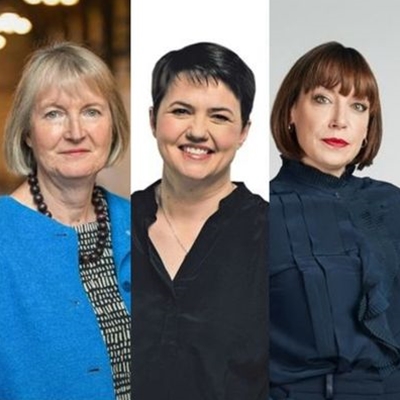
Event 159
Harriet Harman, Ruth Davidson and Beth Rigby
Electoral Dysfunction Podcast LIVE
– Global Stage
Read moreA riveting dissection of what’s really going on in British politics from three women on the inside. Harriet Harman is a veteran Labour politician and life peer. Ruth Davidson led the Scottish Conservatives for eight years and now also sits in the House of Lords. Beth Rigby is political editor for Sky News. Join the hosts of the Electoral Dysfunction podcast to find out what the political parties really think of the May local election results, and get their predictions for what might happen next.

Event 164
Ben Macintyre
Spies, Lies and Skulduggery: Does Espionage Matter?
– Global Stage
Read moreBack by popular demand, best-selling author Ben Macintyre brings a fascinating exploration of international espionage to Hay Festival. Macintyre has spent his career chronicling secret intelligence and the hidden lives of some of history’s most intriguing figures. He profiles the small and select list of world-changing spies: Oleg Gordievsky, Kim Philby, the Bletchley Park Code Breakers. And he reveals the important and far-reaching impact when espionage works (and when it doesn’t). A real treat for Macintyre’s existing fans, as well as anyone intrigued by the hidden forces and extraordinary people who’ve secretly shaped world events.
Event 530
BBC Sounds: Everything is Fake (and nobody cares)
Jamie Bartlett talks to James Crawford
– Exchange Marquee
Read moreJamie Bartlett’s new BBC Radio 4 podcast Everything is Fake and Nobody Cares asks why, in so many parts of modern life – like social media, TV and podcasting – fakery is no longer punished – it's rewarded! And why so many of us seem strangely unbothered by it. Jamie talks to writer and broadcaster James Crawford to explain how and why he thinks we got here.
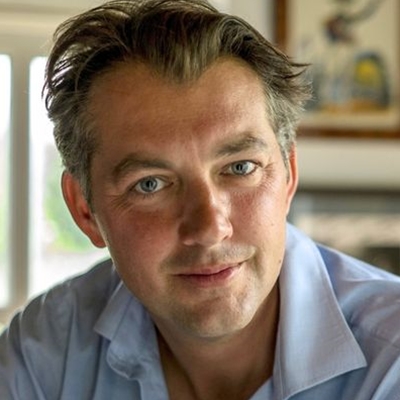
Event 166
James Holland
The Visionaries: The Making of the Post World War II Order in the West
– Global Stage
Read moreWho rebuilt the world, raising order from the ashes of the Second World War? Award-winning historian James Holland shares his extensive knowledge of the war and its aftermath, offering unique insight into the leaders, the philosophies and the policies that kickstarted unprecedented European growth and heralded peace and economic stability.
Through the economic and political earthquakes of the mid-twentieth century, Holland brings to life a broad sweep of history, linking to important lessons for the shifting world order we’re now experiencing.
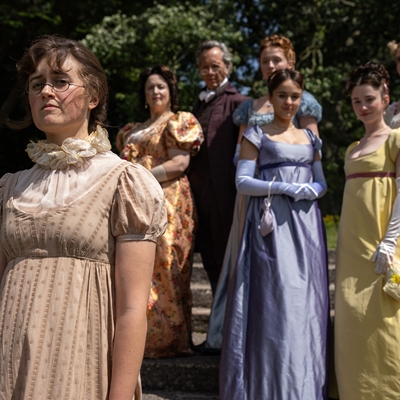
Event 178
Ella Bruccoleri, Lucy Briers, Jane Tranter and Sarah Quintrell
The Other Bennet Sister - behind the scenes of the hit BBC drama
– Global Stage
Read moreWe're delighted to present a special Hay Festival event to celebrate the hit BBC drama about Mary Bennet, the overlooked sister from Jane Austen's Pride and Prejudice. Go behind the scenes with Ella Brucculeri, who plays Mary, Lucy Briers who took the role in the 1995 BBC adaptation and plays the Bennet's housekeeper in this version, Sarah Quintell who wrote the TV series and Jane Tranter, Executive Producer and CEO of the Welsh drama company Bad Wolf which brought Janice Hadlow’s book to the screen. They talk to the journalist, Jude Rogers about exploring Austen's characters in a new way, and reveal the locations across Wales with a starring role of their own.
Event 179
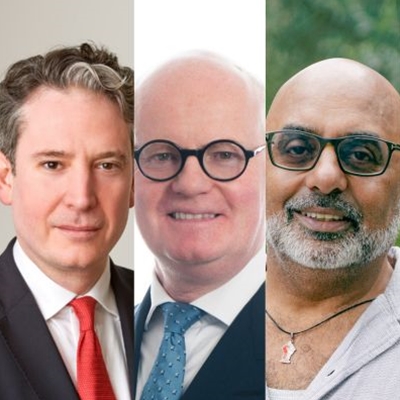
Alex Goodman, Max Hill, Jennifer Nadel and Asad Rehman
Just Stop Oil, Palestine Action: A Public Nuisance or a Public Good?
– Discovery Stage
Read moreFree speech, protest and the law: where are the limits? Only at Hay Festival, join a compelling panel exploring the boundaries of protest, free speech and the right to assemble. From environmental activists like Just Stop Oil, who faced lengthy jail terms, to Gaza protesters whose cases were overturned after the High Court ruled the proscription of Palestine Action unlawful, this is a debate at the cutting edge of law, politics and civil liberties.
Our Chair, Alex Goodman KC, is a human rights barrister who has acted in leading cases on environmental and Gaza protests. He will be joined by Sir Max Hill KCB KC, former Director of Public Prosecutions (2018–2023), Jennifer Nadel, co-founder of think tank Compassion in Politics and Asad Rehman, Chair of Friends of the Earth, as they interrogate the legal, ethical and societal limits of activism. An essential Hay Festival event for anyone interested in the future of protest and the law.
Event 182
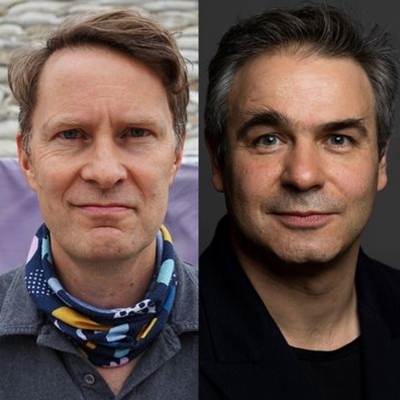
Kim Darroch, Luke Harding and Mark Leonard talk to Katya Adler
How Vulnerable is the UK to Attack?
– Global Stage
Read moreHave we relied too heavily on the US to protect us? How much of a threat do Russia and China pose to UK security? In a changing world, have we left ourselves exposed? The BBC’s Europe editor, Katya Adler, talks to former national security adviser and Britain’s former ambassador to Washington Lord Darroch, the Guardian’s foreign correspondent Luke Harding, and author and director of the European Council on Foreign Relations Mark Leonard.
Event 191
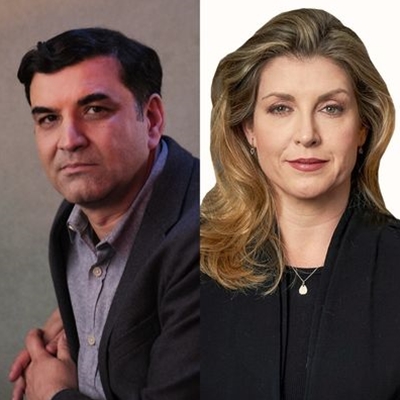
Gordon Corera, Matthew Hutchinson, Patrick Maguire and Penny Mordaunt talk to Robert Nisbet
The News Panel
– Discovery Stage
Read moreThe respected security specialist, an NHS doctor-turned-comedian, the former Conservative minister famous for her role at the Coronation and the chief political commentator for The Times have got it covered when it comes to what's really going on behind the headlines. They talk to Robert Nisbet to discuss everything from world affairs to hospital waiting lists.
Event 203
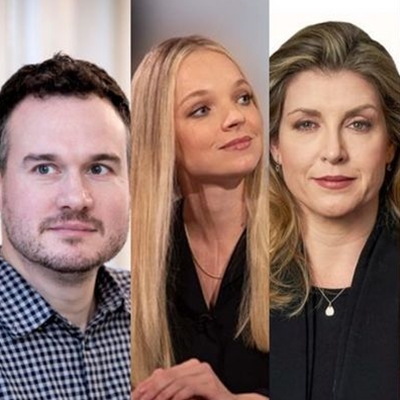
Adam Macqueen, Scarlett Maguire and Penny Mordaunt talk to Guto Harri
Beliefs are Optional: The Breakdown of Party Loyalty in UK Politics
– Meadow Stage
Read moreDo you know who you’re going to vote for at the next election? Or are you one of the millions of people who now describe themselves as politically homeless? Former Downing Street Director of Communications Guto Harri discusses why we’ve lost our loyalty to the traditional parties with Private Eye journalist Adam Macqueen, polling analyst Scarlett Maguire and former Conservative Cabinet minister Penny Mordaunt.
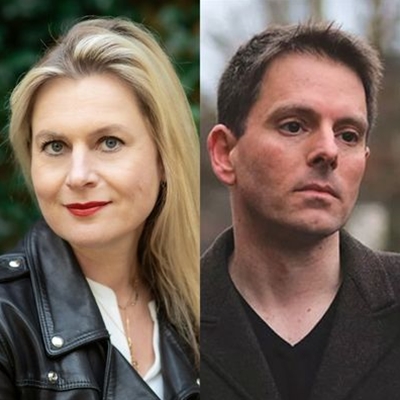
Event 213
Jana Bakunina and Jamison R Firestone talk to Luke Harding
Understanding Putin’s Russia
– Discovery Stage
Read moreA Russian in Britain and an American in Russia share their unique perspectives. Jana Bakunina is an author who returned to her hometown after Putin invaded Ukraine, to find her once liberal friends and family now happy to go along with Putin’s regime. Jamison R Firestone is an American lawyer who was at the centre of exposing scandal, corruption and murder while working in Russia. Together they bring incredible insight to this discussion with the Guardian’s foreign correspondent Luke Harding.
Jana Bakunina’s The Good Russian: In Search of a Nation’s Soul describes her return to Russia only to find voices of conscience now silenced by dictatorship. Jamison R Firestone’s Rule of Lies: My Wild Ride Through Chaos, Corruption and Murder in Putin’s Russia reads like a spy novel but is a true account of his time working in Russia.