Hay Festival Jericó 2027
Event HFC1
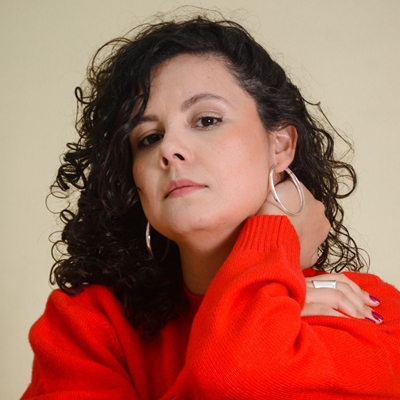
Juliana Gómez Nieto
Blue mountains
I. E. R. San Francisco de Asís - vereda Palocabildo
Read moreThe earthquake of August 10, 2026, revived the trauma that devastated the Eje Cafetero region 27 years earlier, when a powerful tremor struck the entire region on January 25, 1999, one of the most tragic instances of destruction in Colombia’s recent history. In her novel Montañas azules, Juliana Gómez Nieto presents four stories centred on this natural and human catastrophe, blending autofiction with research and personal memory. First published ten years ago, the book has since been incorporated into school reading programmes, helping to reconstruct the memory of events that younger generations know only through the stories they have been told.
Event HFC2
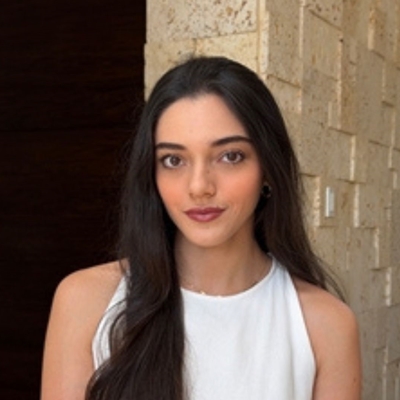
Reading and writing workshop with Nicole Sánchez Castillo
Belo: a countryside hero
I. E. R. San Francisco de Asís - vereda Estrella Nueva
Read moreBelo is a rattlesnake from Abreguí, a village where one of the inhabitants has gone missing. It seems there are tracks left by a very large animal… and some say there is a hidden treasure in the area. Using the book Belo: un héroe del campo as a starting point, Nicole Sánchez Castillo offers a reading and writing workshop where participating children will learn how to write a letter, which they will then send to Belo, and they will read the first two chapters of the story together.
Event HFC3
Hip Hop Experience with Navegantes and 4Eskuela
Rhythms of the Territory
I.E.R. San Francisco de Asís, corregimiento Palocabildo
Read moreEvent HFC4
Hip Hop Experience with Navegantes and 4Eskuela
Rhythms of the Territory
I.E.R. San Francisco de Asís, vereda Estrella Nueva
Read moreEvent HFC5
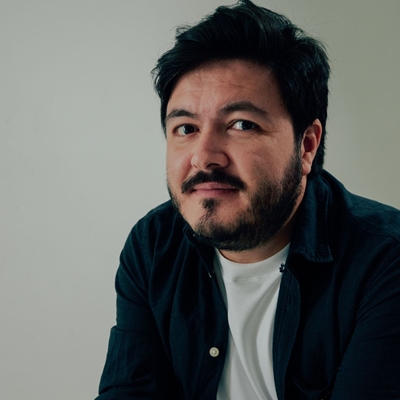
Bird illustration workshop with Raeioul
Normal Superior de Jericó
Read moreFrom the iconic troupial and the colourful Andean cock-of-the-rock to the racket-shaped tail of the Andean motmot and the multi-coloured tanager; more than 350 bird species can be spotted in Jerico. Together with the illustrator Raeioul, we will explore the local landscape in search of birds that attract our attention, whether through the vivid colours of their plumage or the melody of their song. We will learn to identify each species, gaining insight into the region’s rich birdlife. The experience will conclude with an illustration workshop led by Orozco, allowing us to capture with our own hands what we have seen.
Event HFC6
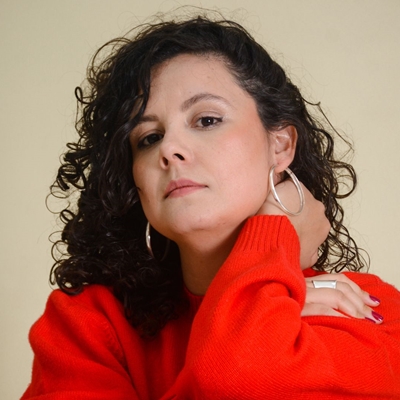
Juliana Gómez Nieto
Montañas azules
Normal Superior de Jericó
Read moreEl terremoto del 10 de agosto de 2026 revivió el trauma que asoló al Eje Cafetero hace 27 años, cuando el 25 de enero de 1999 un fuerte temblor sacudió toda la región, en una de las devastaciones más trágicas de la historia reciente de Colombia. Juliana Gómez Nieto recoge en su novela Montañas azules cuatro historias de la catástrofe natural y humana, en una autoficción entre la investigación y la memoria. Publicado por primera vez hace diez años, ha sido desde entonces leído en varios colegios, gracias al plan lector, reconstruyendo la memoria de unos hechos que los más jóvenes solo conocen a través de las historias que les han contado.
Event HFC7
Botanical Printing
Parque principal - pabellón central
Read moreEvent HFC10
Mapping the territory
Parque principal - pabellón central
Read moreEvent HFC8
Event with Antonio Ortiz
Adolescence and literature: a bridge of understanding
Normal Superior de Jericó
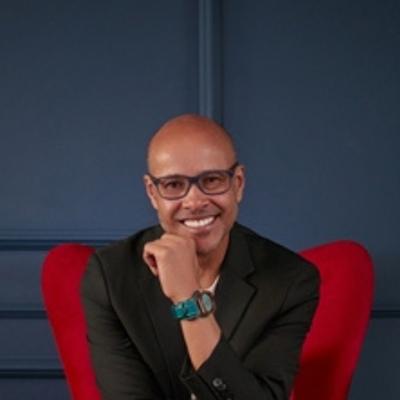
Read moreWith books such as Lo que nunca te dije, Un silencio prohibido, MalEducada, and Descubriendo a Miranda, Antonio Ortiz has become one of the most widely read authors among young people and teenagers in Colombia. The reason is simple: he speaks to them as an equal, addressing the internal conflicts and issues that concern them most — such as bullying, loneliness and the breaking up of relationships. This session will therefore be an intimate and entertaining encounter, offering young people a chance to laugh at themselves, acknowledge their emotions, and discover how literature can help them better understand themselves.
Event HFC9
Reading and writing workshop with Nicole Sánchez Castillo
Belo: a countryside hero
Normal Superior de Jericó
Read moreBelo is a rattlesnake from Abreguí, a village where one of the inhabitants has gone missing. It seems there are tracks left by a very large animal… and some say there is a hidden treasure in the area. Using the book Belo: un héroe del campo as a starting point, Nicole Sánchez Castillo offers a reading and writing workshop where participating children will learn how to write a letter, which they will then send to Belo, and they will read the first two chapters of the story together.
Event 0
Antioquia Reimaginada Awards
Parque Principal - tarima
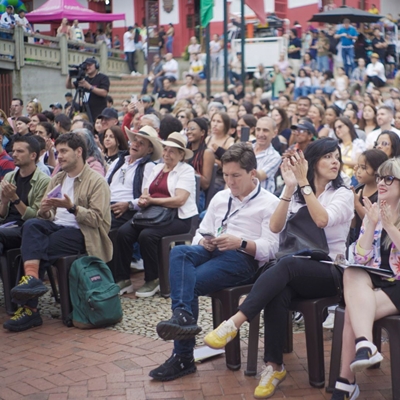
Read moreAt this event, we will meet the winners of the seventh edition of Antioquia Reimaginada—a short story contest organized by Comfama in partnership with the Fundación Secretos para Contar. Following the submission of thousands of stories from across the department’s various subregions, the time has come to reveal the voices and narratives that best succeeded in imagining, interpreting, and telling the story of Antioquia’s cultural, natural, ethnic, and heritage-based richness. It is a celebration of literary creation and the power of the written word to reimagine the territories we inhabit.
Event P1
Screening of the documentary La casa
Parque Principal - tarima
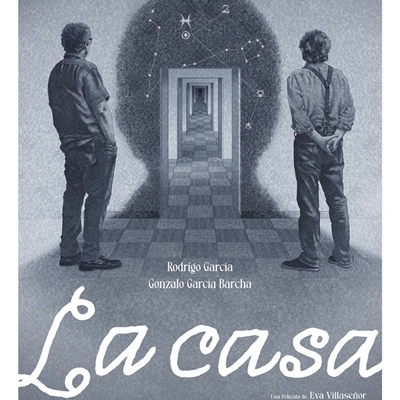
Read moreFor decades, Gabriel García Márquez envisaged a novel called La casa, inspired by the house he lived in in Aracataca with his grandparents. That idea eventually became One Hundred Years of Solitude, which he wrote while living in Mexico City. In this documentary directed by Eva Villaseñor, Gonzalo and Rodrigo García Barcha return for the first time to their home on Calle de La Loma, the place of their childhood, where Gabo wrote his masterpiece while they were still children. A perspective on the creation of One Hundred Years of Solitude never before told.
Duration of the documentary: 60 minutes
Direction: Eva Villaseñor
Country: Mexico
Event 1
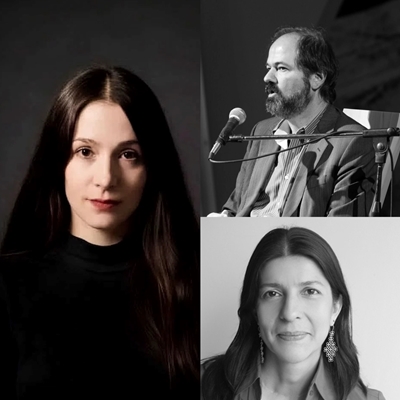
Eva Villaseñor and Juan Villoro in conversation with Patricia Nieto Eva Villaseñor
On La casa
Parque principal - tarima
Read moreEva Villaseñor (Mexico), the director of the documentary La casa, and Juan Villoro (Mexico), who first came up with the idea, will be in conversation with Patricia Nieto about the film. The documentary follows Gonzalo and Rodrigo García Barcha —sons of Gabriel García Márquez and Mercedes Barcha— as they return to the house in Mexico City where Gabo wrote One Hundred Years of Solitude and where they themselves lived as children. Villaseñor and Villoro will discuss this film project, which captures the memories, reality and daily lives of the people connected to the creation of this key work of modern literature.
Event C1
Filarmed
Sounds of our land
Tarima Parque Principal
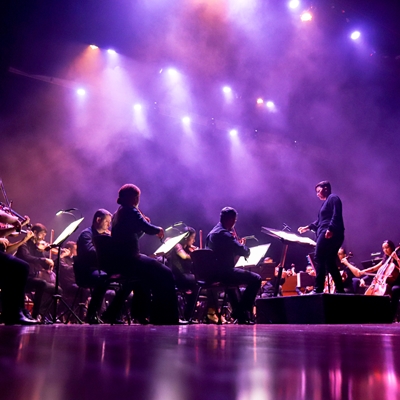
Read moreAn initiative that celebrates the musical richness of Antioquia, honoring the songs, rhythms, and sounds that have shaped the history, traditions, and identity of its communities. This educational program offers an exploration of the rhythms, lyrics, and performance techniques inherent to this repertoire, fostering an appreciation of music as a vehicle for identity, memory, and intergenerational connection. Participants will work together to prepare selected pieces, which may be featured in the concluding concert.
Event HFC15
What happens when we stop drinking coffee and start painting with it?
Coffee Ink
Parque principal - pabellón central
Read moreWe’ll let drops fall, mix in water, create smudges, and discover unexpected textures, transparencies, and tones. With no models to imitate or outcomes to achieve, each participant can freely explore the possibilities of this everyday material and be surprised by what appears on the paper. An invitation for kids and adults alike to experiment, play, and discover that, sometimes, creating begins simply by daring to try.
Event HFC17
Esperanza en quien trabaja
Comfama 70th Anniversary Book
Parque principal - pabellón central
Read moreEvent HFC18
The Balandú plants in the literary universe of Manuel Mejía Vallejo
Parque principal - pabellón central
Read moreEvent HFC20
Theory and Practice of Behavior
Cambiar tiene su ciencia
Parque principal - pabellón central
Read moreEvent 2
Héctor Abad Faciolince in conversation with Ángela Pérez
What is still left to us
Teatro Santamaría
Read moreSignos de admiración presents Héctor Abad Faciolince (Colombia) both as a reader and as a writer. It is an autobiography told through the authors who have left their mark on his life, writers such as Kipling, Borges, Rulfo, and Cervantes; it is a self-portrait composed of his readings, bringing together essays, lectures and literary criticism. The author of Oblivion: A Memoir will engage in a conversation with Ángela Pérez about those writers to whom one always returns. Because, after all, part of life is returning.
Event 3
Giuseppe Caputo in conversation
The enchanted frontier
Museo de Arte Religioso - auditorio
Read moreLike a long fairy tale, or perhaps a coastal Arabian Nights, La frontera encantada by Giuseppe Caputo (Colombia) is a novel that oscillates between narrative, essay, archival record and fantasy. It all begins with a grandmother and a young boy: "One side of your face is elegant, and the other is vulgar", she tells him. In this way, and with a single sentence, she casts a social spell intended to ensure that the boy’s "distinguished" side is the one that shines. Yet, this being a fable, the narrative has other plans, and the grandmother does not always succeed in her aim. Thus unfolds a story that explores the joys of the body and freedom, as well as love, sex and friendship.
Event HFC12
What happens when we stop drinking coffee and start painting with it?
Coffee Ink
Parque principal - pabellón central
Read moreEvent CA1
A coffee with Claudia Palacios
Casa Jericoana
Read moreWe share a coffee with the journalist and writer Claudia Palacios. A traditional Jerico home will open its doors to offer a meeting with the author. She will talk about her new book: Hola, mami, quiubo, mija.

Event C2
Performance by a local artist winner of regional auditions
Parque Principal - tarima
Read moreEvent HFC13
Imagination and Illustration: Creating Worlds with Stefano
Parque principal - pabellón central
Read moreEvent CL1
Book club with Victor Gaviria
Biblioteca Municipal
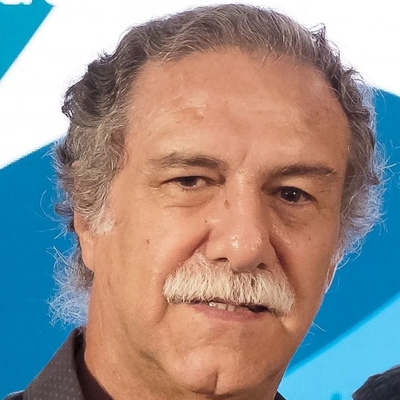
Read moreThe Hay Festival Jericó book clubs offer intimate encounters with a selection of the festival’s featured participants.These sessions provide a space for in-depth discussion about their most recent works. In this session, Víctor Gaviria (Colombia) will discuss his book Días de noche. Crónicas de cine.
Book to be read before attending
Event 4
Juan Gómez Bárcena in conversation with Alexandra Pareja
Going back to the breakdown
Teatro Santamaría
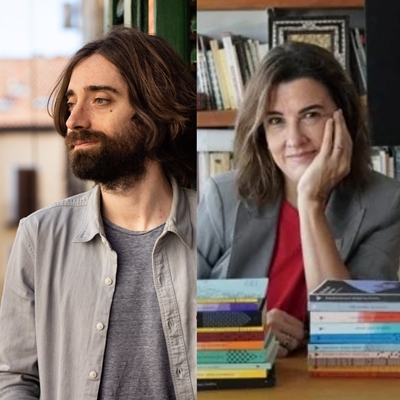
Read moreA desire to return that borders on obsession. There are defining, life-altering moments and in Abril o nunca, by Juan Gómez Bárcena (Spain), such a moment occurs during a scuba-diving excursion, Teresa’s birthday gift. It is an episode that will leave an indelible mark on the life of her father, Daniel, effectively freezing him in time. From that point on, the protagonist plunges into grief, something that is compounded by a midlife crisis, and drifts into a digital underworld in search of a way to turn back the clock. In conversation with Alexandra Pareja, the author —who also wrote Mapa de soledades and Ni siquiera los muertos— will reflect on time, fatherhood, masculinity and loneliness: recurring themes in his fiction
With the support of Acción Cultural Española, AC/E
Event 5
Lana Corujo in conversation with Adriana Villegas Botero
Two sisters and a volcano
Museo de Arte Religioso - auditorio
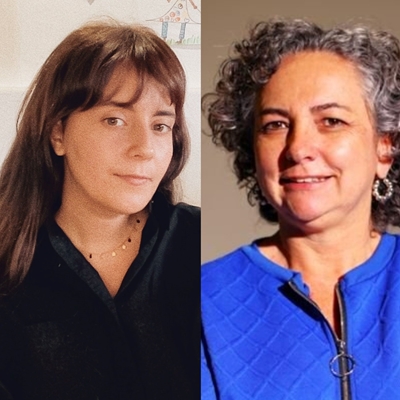
Read moreHan cantado bingo, the debut novel by Lana Corujo (Spain), begins like a dormant volcano; no one anticipates the latent danger lurking in the nighttime games of two sisters while their grandmother plays bingo — until something happens. Because something always happens at the foot of a volcano like El Ahorcado, and once it does, everything changes. The story unfolds between two sisters who share a secret —there is always a secret— and centres on a family gift or mystery —isn’t there always a mystery?— that is both inherited and endured. Amidst silences, guilt, local festivities, wounds, and dark magic, a narrative emerges, one that is as fiery and imposing as an erupting volcano.
With the support of Acción Cultural Española, AC/E
Event HFC14
Jorge Mario Betancur in conversation with Diana Marcela Torres
Los locos del Bermejal
Parque principal - pabellón central
Read moreEvent HFC16
Bird illustration workshop with Raeioul
Parque principal - pabellón central
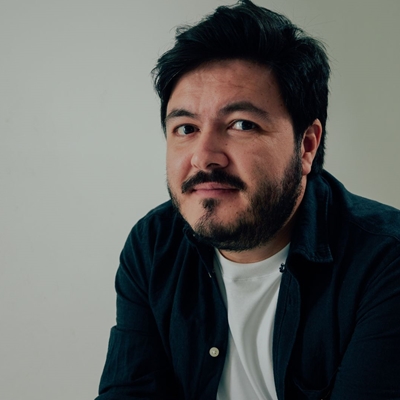
Read moreFrom the iconic Venezuelan troupial and the colorful Andean cock-of-the-rock to the racket-shaped tail of the Andean motmot and the multicolored tanager—more than 350 bird species can be spotted in Jericó. Together with illustrator Raúl Orozco, we will explore various locations throughout the municipality in search of birds that catch our eye, whether through the vivid colors of their plumage or the melody of their song. We will learn to identify each species, while also discovering the rich avian diversity of the region.
Event CA2
A coffee with Juan Gómez Bárcena
Casa Jericoana
Read moreWe share a coffee with the writer Juan Gómez Bárcena. A traditional Jerico home will open its doors to offer a meeting with the author. He will talk about his new novel: Abril o nunca. In conversation with Andrés Valencia.
With the support of Acción Cultural Española, AC/E
Event 6
Margarita Serje in conversation with Ángela Pérez
A visual history of capitalism
Teatro Santamaría
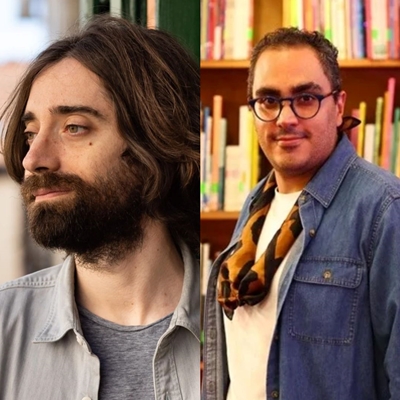
Read moreThrough 22 maps, paintings, engravings, posters and photographs, Margarita Serje (Colombia) recounts the cultural and visual history of capitalism in La vida secreta del capitalismo. She explores the subject from both its obverse —trade routes, corporations, empires, consumption, and finance— and its reverse —violence, dispossession, and ecological crisis— sides by way of short essays that address various characteristics of the capitalist system. In conversation with Ángela Pérez, the anthropologist and researcher will explain the historical events that shape the story of the economic, political and social system in which we live; she will also discuss the images she selected for the book, looking into the significance of each one
Event 7
Patricio Pron in conversation
Literature and possible ideas
Museo de Arte Religioso - auditorio
Read more
Event CL2
Book club with Juliana Gómez Nieto
Our gifts
Casa Caracol
Read moreThe Hay Festival Jericó book clubs offer intimate encounters with a selection of the festival’s featured participants. These sessions provide a space for in-depth discussion about their most recent works. In this session, Juliana Gómez Nieto (Colombia) will talk about Nuestros dones.
Book to be read before attending
Event 8
Masterclass with Carlos Cortés Castillo
In the Age of the Algorithm
Museo de Antropología y Artes de Jericó, MAJA - auditorio
Read more
Event HFC19
Meeting/workshop with Antonio Ortiz
Parque principal - pabellón central
Read moreWith books such as Lo que nunca te dije, Un silencio prohibido, MalEducada y Descubriendo a Miranda, Antonio Ortiz has become one of the most widely read authors among young people and teenagers in Colombia. The reason is simple: he speaks to them directly and on their own level, addressing the internal conflicts and issues that concern them most—such as bullying, loneliness, or romantic breakups. This session—part meeting, part workshop—will be an engaging and lighthearted experience, allowing young people to laugh at themselves, acknowledge their emotions, and discover how literature can help them better understand themselves.
Event CL3
Book club with Lana Corujo
Han cantado bingo
Centro de Historia de Jericó
Read moreThe Hay Festival Jericó book clubs offer intimate encounters with a selection of the festival’s featured participants. These sessions provide a space for in-depth discussion about their most recent works. In this session, Lana Corujo (Spain) will talk about Han cantado bingo.
Book to be read before attending
With the support of Acción Cultural Española, AC/E

Principal Sponsor