Medellín39
Within the framework of Medellín’s consolidation as World Book Capital in 2027, Hay Festival Global presents the Medellín39 list, which will identify the next selection of 39 of the best fiction writers under the age of 40 from Latin America, with the aim of celebrating outstanding literature and highlighting the talent and diversity of literary production across the region. The form has been closed and the jury is deciding the 39 writers of Medellín39. The list will be published on late January.
What is Medellín39?
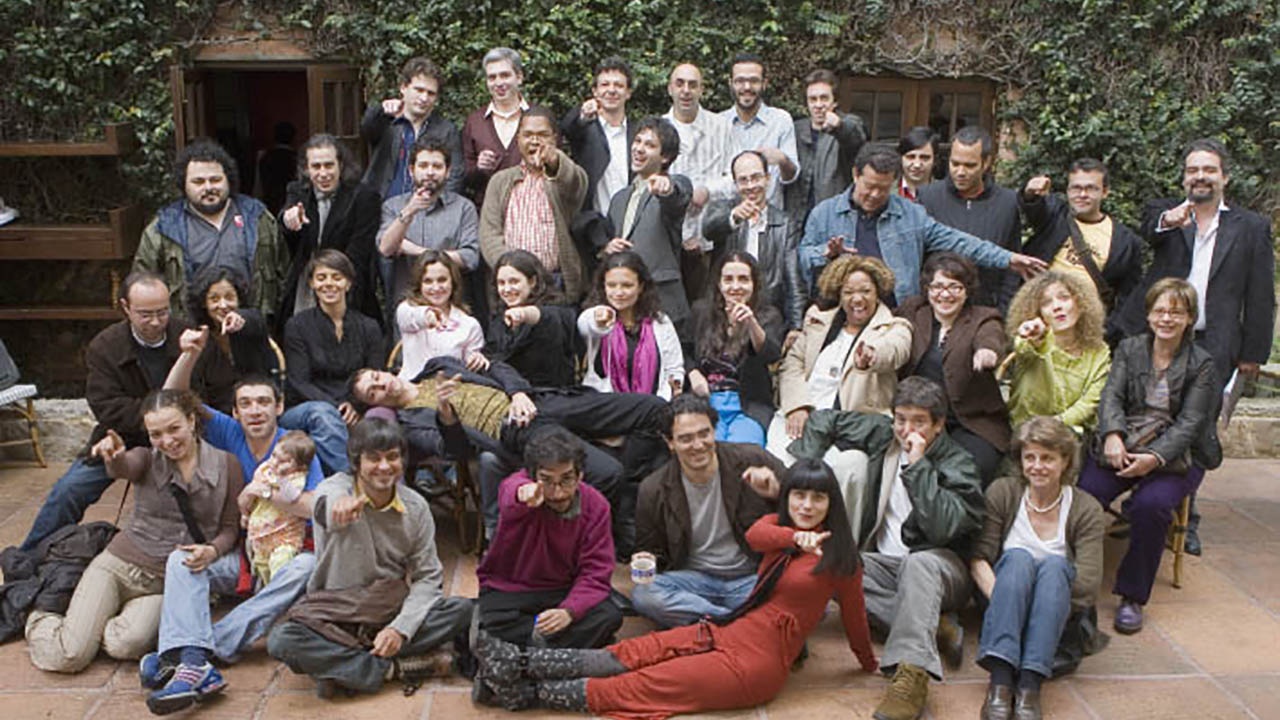
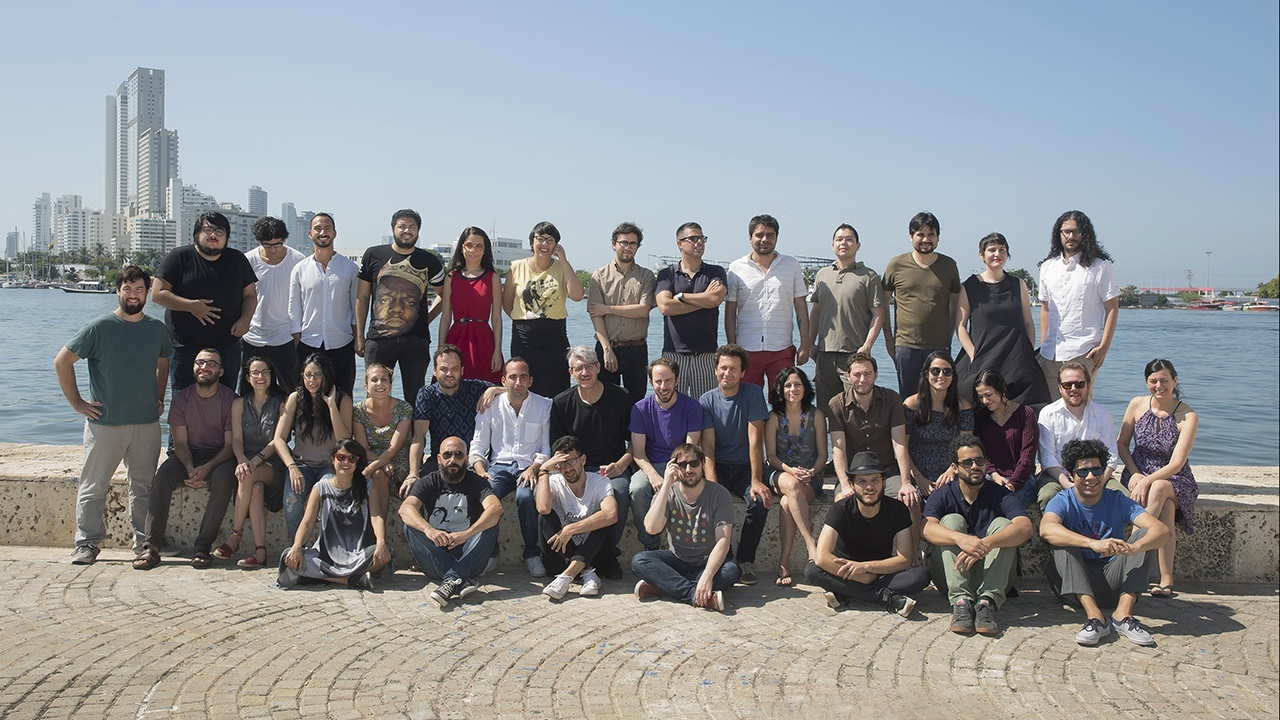
Medellín39 is the natural continuation of the Bogotá39 and Bogotá39-2017 lists: the selection of 39 of the best fiction writers under the age of 40 from Latin America.
What is the aim?
To highlight new literary talent and showcase the diversity and future of literature.
When will the 39 selected writers be announced?
Between 26 and 27 January 2027, as part of Hay Festival Forum Medellín 2027.
Are there predecessors to this list?
The project began in 2007 with Bogotá39, when Bogotá was UNESCO World Book Capital, and was revived ten years later as Bogotá39-2017. The project was subsequently expanded to other regions, including Beirut (2010), Africa39 (Port Harcourt, 2014) and Aarhus39 (2017). In 2015, we also developed México20, as part of the Year of Mexico in the United Kingdom.
Will there be an anthology of the Medellín39 authors?
Yes. Anagrama will publish an anthology in Spanish featuring texts by the 39 selected writers, which will be distributed throughout Latin America and Spain. The anthology will also be published in English.
Will there be events dedicated to Medellín39?
Of course. The first events featuring Medellín39 authors will take place in September 2027 at the Medellín Book and Culture Festival. Subsequently, events dedicated to the project will be held at Hay Festivals across Latin America and around the world, as well as at associated book fairs and festivals.
Meet the jury: The five people who will select the Medellín39 list.
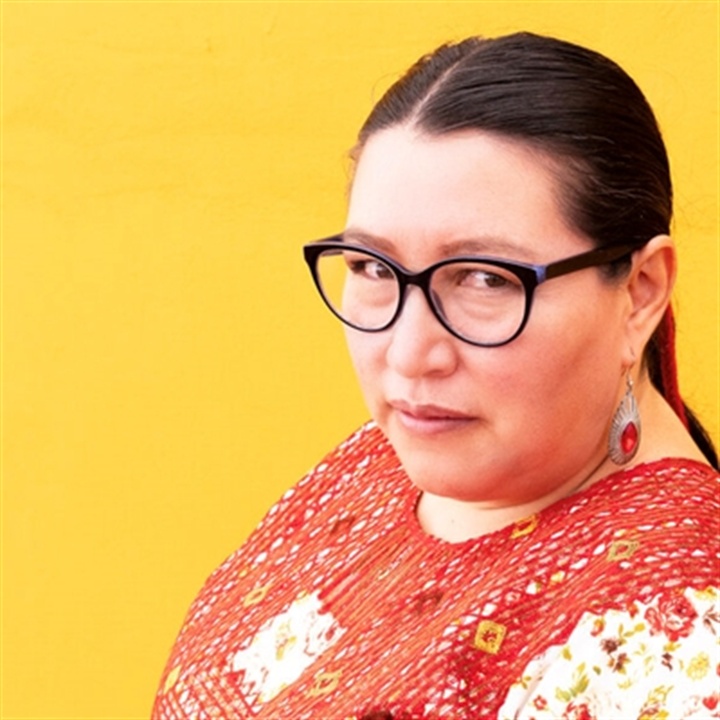
Yásnaya Elena A. Gil (Mexico)
Originally from Ayutla Mixe, Oaxaca. Linguist and writer. She is a member of COLMIX, a collective dedicated to researching and promoting the Mixe language, history and culture. She writes opinion pieces and essays for various publications, including El Pais newspaper and Gatopardo magazine. Her main themes are linguistic and poetic diversity, the rights of indigenous peoples and imagination as a tool to confront the climate emergency. She is the author of the books Un nosotrxs sin estado (Ona) and Ää. Manifiestos por la diversidad lingüística (Almadía, translated into English as This Mouth is Mine by Charco Press).
Photo credit - Daniel Mordzinski
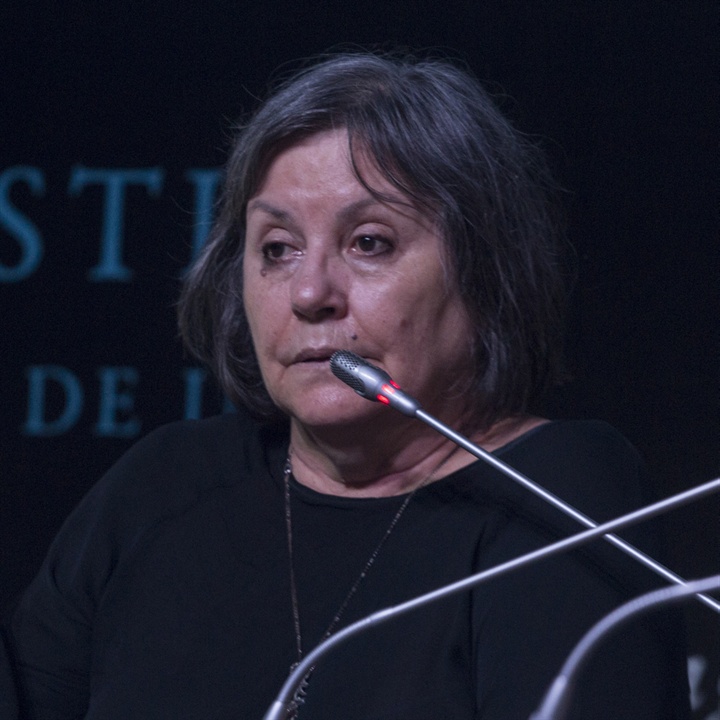
Diamela Eltit (Chile)
(Santiago de Chile, 1947) Novelist, essayist and university professor. She has published novels and essays. Her books include Lumpérica (1983), The Fourth World (1995), El padre mío (1989), Mano de obra (Manuel Montt Prize) and Réplicas (2016 – winner of the Municipal Essay Prize). She won the José Donoso Ibero-american Prize and the 2018 National Literature Prize. She has held the Simón Bolívar Chair at the University of Cambridge, UK, and is currently Global Distinguished Professor at the University of New York.
© Isaac Meneses
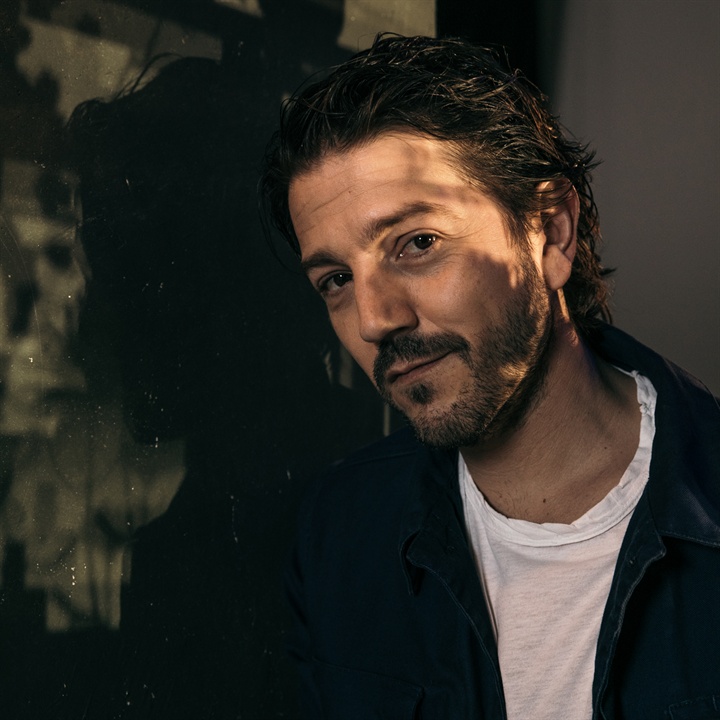
Diego Luna (Mexico)
is an actor, director and producer for theater, film and television. He gained international recognition in 2001 with the film Y tu mamá también, directed by Oscar winner Alfonso Cuarón. Since then, he has participated in more than 30 films produced in Mexico, Spain, the United States, England and Germany, with directors such as David Trueba, Steven Spielberg, Harmony Korine, Gus van Sant and Woody Allen. In 2007 he directed his first feature film, the documentary J.C. Chávez; and he has since directed the features Abel (2010), César Chávez (2014) and Mr. Pig (2016). In 2016 he had a breakthrough in the English speaking market with his role in Star Wars: Rogue One, and in 2018 he starred in the Netflix series, Narcos: México, for which he was nominated for the Critic Choice Awards. In 2022, he starred in and produced the Disney+ series, Andor, for which he was nominated for the Golden Globes and the Critics Choice Awards in the category of best actor in a television series. In 2024, he joined the cast of Kiss of the Spider Woman, directed by Bill Condon. That same year, Diego starred alongside Gael Garcia Bernal in Hulu’s new T.V series, La Máquina, for which he was nominated to a Golden Globe in the category of best supporting actor. In addition to his acting career, Diego is committed to causes that promote a social impact. Such is the case of Ambulante, a traveling documentary film festival that fosters cultural exchange, created in 2005 together with Gael García Bernal, Pablo Cruz and Elena Fortes; and El Día Después, an NGO based in Mexico City that works as a bridge between longtime organizations and citizens willing to contribute to bringing about change in the country. In 2018, together with his partner Gael García Bernal, Diego launched La Corriente del Golfo, a company dedicated to the production of film, theater, television and social projects.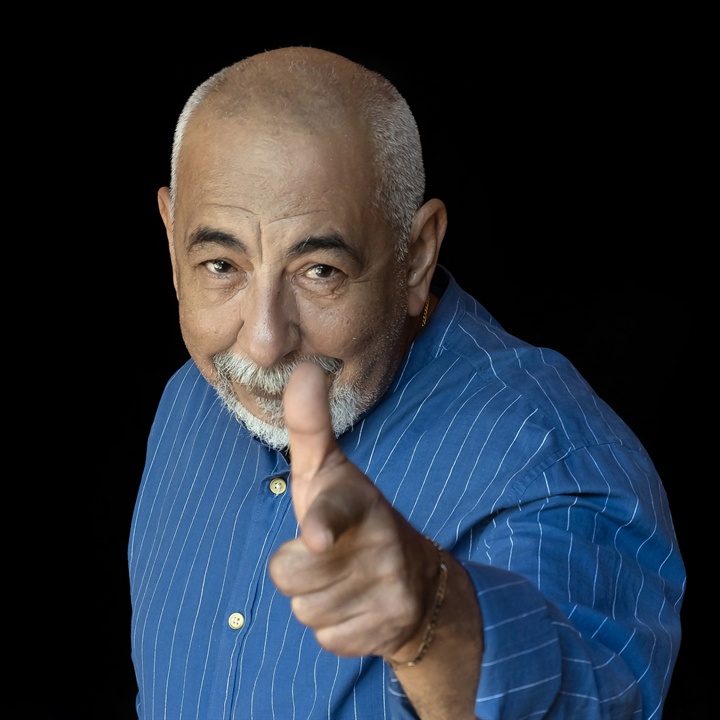
Leonardo Padura (Cuba)
(Havana, 1955). Novelist, journalist and screenwriter. Among his many novels are El hombre que amaba a los perros, Herejes o La novela de mi vida. He is the creator of the character Mario Conde, the protagonist of nine novels, including Personas decentes (2023). He has received numerous awards, including the Princess of Asturias Award for Literature (2015), Cuba’s National Literature Award (2012), and the rank of Knight of the Order of Arts and Letters of France (2015). His most recent novel is Morir en la arena (Tusquets Editores, 2025).
Photo: © Daniel Mordzinski
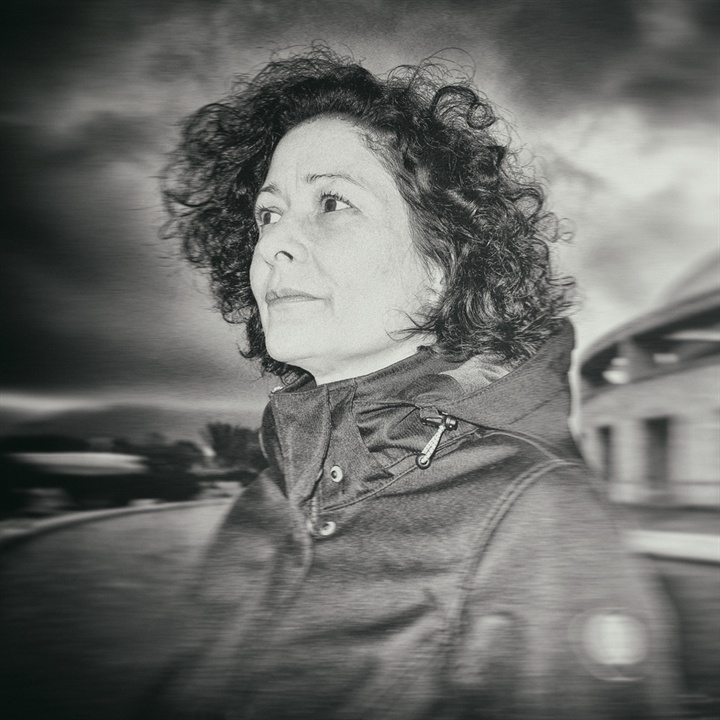
Pilar Quintana (Colombia)
is the author of five novels and a collection of short stories. The Bitch, translated into more than twenty languages, was longlisted for the Dublin Literary Award, was a finalist for the Premio Nacional de Novela and the National Book Award, and won the Biblioteca de Narrativa Colombiana Prize, an English PEN Translates Award, and the LiBeraturpreis. Abyss, also translated into several languages, won the Alfaguara Novel Prize and was a finalist for the National Book Award. She is the Editorial Director of the Biblioteca de Escritoras Colombianas (Library of Colombian Women Writers), a Ministry of Culture project to rescue and promote women's literature.
Photo: Carlos Zárrate

Partner for Latin America
Principal Partner