All Events for this artist
Querétaro 2023
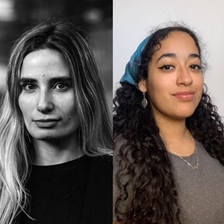
Dahlia de la Cerda in conversation with Jumko Ogata Aguilar
Querétaro 2023,
The author of the essay Feminismo sin cuarto propio, included in the anthology of feminist texts Tsunami 2, and of the outstanding short story collection Perras de reserva (2022), Dahlia de la Cerda (Mexico) returns with Desde los zulos (2023), a book that combines autofiction, journalism and essay to reflect on marginal feminisms, the danger of excluding practices within the social movements and proposes a more plural and diverse view of feminism. Dahlia de la Cerda has a degree in Philosophy, was a fellow of the 2015 Aguascalientes Programme for the Stimulation of Artistic Creation and Development and was also a beneficiary of the FONCA Young Artists’ Programme in 2016 and 2018. She is a co-founder and co-director of the Morras Help Morras feminist collective. She talks to Jumko Ogata Aguilar.
Querétaro 2020
Elipsis 2019
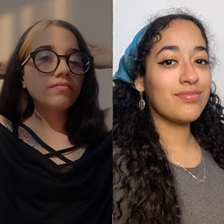
Roxana Aguilar, Juan Carlos Buenrostro and Jumko Ogata in conversation with Víctor López Jaramillo
Querétaro 2020,
Elipsis is a Hay Festival and British Council project that brings together young publishers and writers from around Mexico to participate in a series of writing and publishing courses and, after a year, publish a short story anthology. In 2019, 20 young people took part in the Elipsis experience at the Hay Festival Querétaro. Let's talk about the final result of their work with writers Juan Carlos Buenrostro and Jumko Ogata, and editor Roxana Aguilar.
Event for university students
Download the Elipsis anthology here
With the support of the UAQ
Querétaro 2023
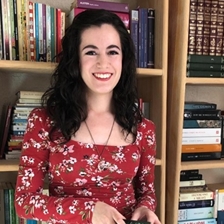
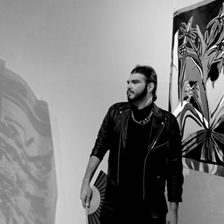
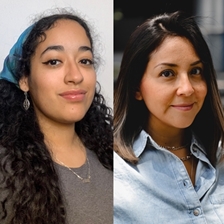
Jumko Ogata Aguilar in conversation with Carolina Sánchez
Querétaro 2023,
Jumko Ogata Aguilar (Mexico) is a writer and an Afro-Mexican anti-racism activist. Originally from Veracruz, she studied Latin American Studies at the UNAM. She writes fiction, essays and film criticism. Her writings have been published in the Revista de la Universidad de México and by the British Council in Mexico, and she writes a column for Coolhuntermx. She contributed to the anthology of feminist texts Tsunami 2, published by Sexto Piso in 2020, and recently released her first book for children, Mi pelo chino (2023), which is in both Spanish and Mixteco. In conversation with Carolina Sánchez.
Querétaro 2023
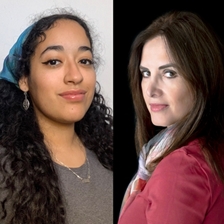
Jumko Ogata Aguilar in conversation with Elisa Guerra
Querétaro 2023,
The main character of Mi pelo chino says that she used to find her curly hair annoying because it was unlike the hair of other girls her age. However, one day her grandfather teaches her the special care that her Chinese hair needs, and all the hairstyle possibilities it offers, because this shows how she can be beautiful in different ways. This is a story about the construction of an identity in peoples who have traditionally been ignored in national cultural production. Jumko Ogata Aguilar (Xalapa, 1996) is a writer and an Afro-Mexican anti-racism activist. Originally from Veracruz, she studied Latin American Studies at the UNAM. She writes fiction, essays and film criticism. Her writings have been published in the Revista de la Universidad de México and by the British Council in Mexico, and she writes a column for Coolhuntermx. She contributed to the anthology of feminist texts Tsunami 2, published by Sexto Piso in 2020. In conversation with Elisa Guerra.
Querétaro 2023
Jumko Ogata Aguilar in conversation with Tere Alcántara
Ixi xniyu chinu. Mi pelo chino
Querétaro 2023,
The main character of Mi pelo chino says that she used to find her curly hair annoying because it was unlike the hair of other girls her age. However, one day her grandfather teaches her the special care that her Chinese hair needs, and all the hairstyle possibilities it offers, because this shows how she can be beautiful in different ways. This is a story about the construction of an identity in peoples who have traditionally been ignored in national cultural production. Jumko Ogata Aguilar (Mexico) is a writer and an Afro-Mexican anti-racism activist. Originally from Veracruz, she studied Latin American Studies at the UNAM. She writes fiction, essays and film criticism. Her writings have been published in the Revista de la Universidad de México and by the British Council in Mexico, and she writes a column for Coolhuntermx. She contributed to the anthology of feminist texts Tsunami 2, published by Sexto Piso in 2020. She will talk to Tere Alcántara.
Querétaro 2025
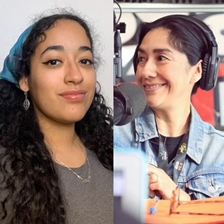
In the tradition of Ibram X. Kendi (How To Be an Antiracist) and Djamila Ribeiro (Pequeno manual antirracista), the writer, translator and antiracist activist Jumko Ogata (Mexico) presents ¡Quiero ser antirracista!, a practical manual for taking a step forward and combatting structural racism in all its forms. In conversation with Paola Gallardo.
Querétaro 2024
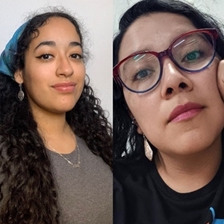
Coinciding with the publication in Mexico of Sisters of the Yam, by the great African-American thinker bell hooks, we bring together three writers, all admirers of hooks, to talk about her work and the influence of her legacy. With Jumko Ogata (Mexico) is a writer and anti-racist activist from Veracruz; she contributed to the anthology Tsunami II and is the author of the children’s book Mi pelo chino; she has also translated this edition of hooks’ work. They will talk to the writer Gabriela Jauregui.
Simultaneous interpretation from English to Spanish available
With the support of Open Society Foundations
Querétaro 2025
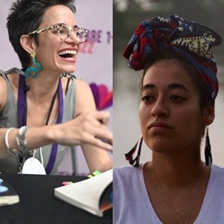
It is not enough to feel antiracist or feminist. Racism and sexism must be fought actively in our communities, in our homes, on the Internet. However, it is only right that we wonder when and how to do it. These are questions that are tackled by the feminist and antiracist activist Jumko Ogata (Mexico), who will explain to us how to take steps against these structural evils in our society. She is the author of the practical guide ¡Quiero ser antirracista! and she has contributed to the anthologies Tsunami 2 and Hermanas del ñame.
Querétaro 2025
Tamara Tenenbaum in conversation with Jumko Ogata
Querétaro 2025,
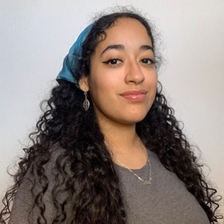
In order to understand Un millón de cuartos propios (2025 Paidós Prize) by Tamara Tenenbaum, we must go back to mid-2022, when the Argentinean writer was asked to translate Virginia Woolf’s famous book, A Room of One’s Own. Against this background, she proposes a re-reading of the classic work in order to reflect on the current situation of women. Her view is that even a major landmark of feminism such as Woolf’s deserves an update, a hundred years after it was first published. In conversation with Jumko Ogata.