Hay Festival Colombia Digital
Hay Festival Colombia took place from 21 to 30 of January 2022, with events in the cities of Cartagena de Indias, Medellín and Jericó. You are currently browsing the digital programme of the festival.
If you want to browse the in-person events of Hay Festival Cartagena de Indias, click here.
If you want to browse the in-person events of Hay Festival Medellín, click here.
If you want to browse the in-person events of Hay Festival Jericó, click here.
Event 21
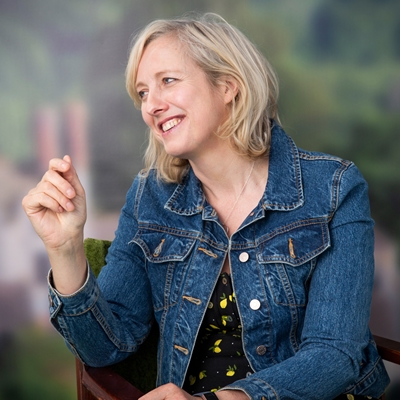
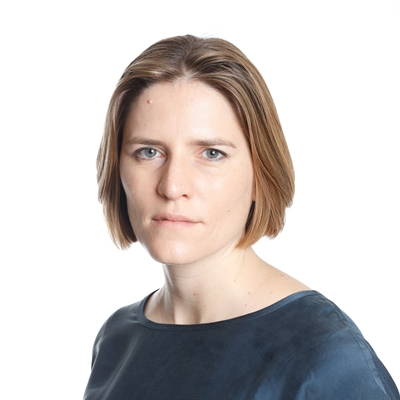
Carole Cadwalladr in conversation with Emma Graham-Harrison
Cambridge Analytica
Centro de Convenciones (Auditorio Getsemaní)
In 2016, the data agency Cambridge Analytica manipulated, through Facebook, the information received by over 86 million users to influence the result of the US presidential elections and the Brexit referendum that same year. Carole Cadwalladr, a British investigative journalist who works for The Guardian, was the one who broke the scandal. Although Cambridge Analytica no longer exists, there are other companies that are still involved in similar practices. At this event, Cadwalladr will talk about the personal and professional consequences that she continues to face to this day for making her investigation public, and she will also discuss the importance of freedom of speech for democracy. In conversation with Emma Graham-Harrison.
Simultaneous interpreting from English to Spanish available
With the support of SURA and Bancolombia
Event 21
Svetlana Alexievich in conversation with Mariana Katzarova
Escenario Digital Hay Querétaro
The writer and journalist Svetlana Alexievich (Belarus), winner of the 2015 Nobel Prize for Literature, is a specialist in Soviet and post-Soviet history. She is the author of outstanding works including The Unwomanly Face of War, Voices from Chernobyl and Secondhand Time. Mariana Katzarova (Belarus) is the founder of RAW in WAR, an initiative that supports women journalists and human rights activists who work in regions in conflict. Katzarova has worked in such areas in Bosnia, Kosovo and the North Caucasus, and for a decade was the Russia investigator for Amnesty International. She has also led the UN’s Human Rights Monitoring Mission. At this event, these extraordinary figures will talk about the urgent need to investigate matters related to human rights, particularly in conflicts involving, or within, Russia.
Event in Russian with English and Spanish subtitles
Learn more about the great writer and journalist Svetlana Alexievichwith our BONUS TRACK
Buy La guerra no tiene rostro de mujer by Svetlana Alexievich at Librerías Gandhi
Register to watch online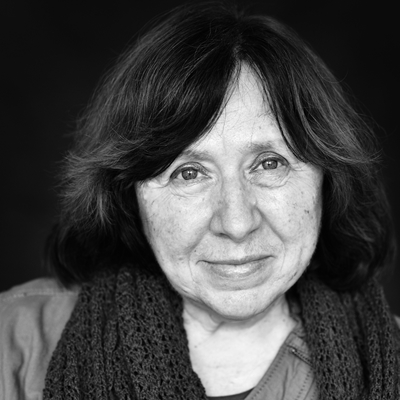
Buy the book for this event
Event 47
José Peláez, Karina Sainz Borgo and María José Solano in conversation with Jesús Calero
ABC Cultural
IE University
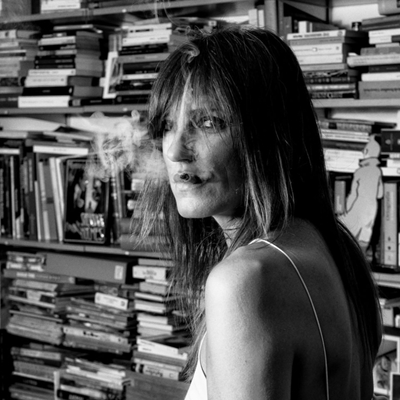
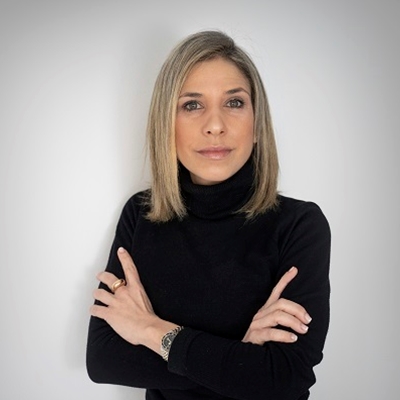
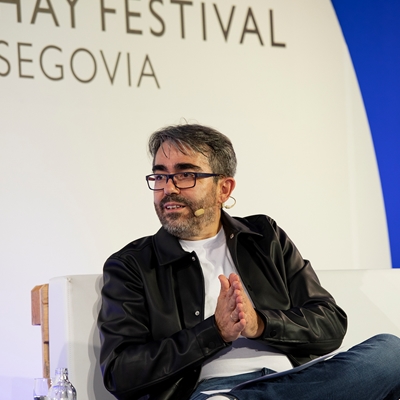
Print journalism is going through a phase of ongoing change and reinvention. The capacity of culture to reinvent ideas and contribute to business has led to the creation of ABC Cultural Premium, the first initiative that allows you to become a digital subscriber to just the cultural section of a daily newspaper. The Culture section is one of the mainstays of ABC's core offer, which is why it has created this option that offers access to the supplement and much more content. The novelist and journalist Karina Sainz Borgo, currently a columnist for ABC and author of two successful novels (the most recent being El tercer país), and the columnist and writer José Peláez and historian, journalist, and co-founder of Zendalibros.com and the Zenda-Edhasa publishing house, María José Solano. The event will be moderated by the director of ABC Cultural, Jesús García Calero.
At the end of the event, the authors will sign copies of their books at the book stall at the entrance of the IE University.
Event in Spanish
Organised together with ABC
Event HJ3
BBC digital journalism workshop with Carolina Robino
Hay Joven ITESM
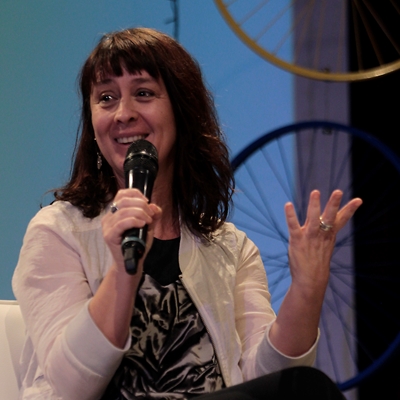
Essential workshop on digital journalism with Carolina Robino (Chile), the Director of BBC Mundo, in which she talks about the digital model of one of the world’s most respected media organizations. Robino started working as a journalist as a writer with La Época newspaper, the first opposition media outlet founded during Pinochet’s regime. Later she worked as national and culture editor of the Chilean magazine Hoy. In the year 2000 she moved to BBC Mundo, where she has worked as a reporter, a video editor, General Editor and Director, her current position.
Event for university students
Event 58
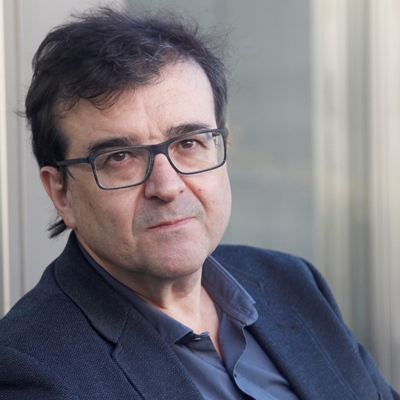
Javier Cercas (Ibahernando, Cáceres, 1962) has been saying things since he published his first novel in 1987. Nothing in his fiction is alien to his environment, to the society and circumstances that surround him. They are contexts that help us understand the characters in his works and their stories. But there is also the article writer and essayist Javier Cercas, where reality takes centre stage, and he is the protagonist, as in his latest book No Callar. Crónicas, ensayos y artículos 2000-2022. Author of novels such as El vientre de la ballena (The Whale’s Belly, 1997), Soldados de Salamina (Soldiers of Salamis, 2001), Anatomía de un instante (Anatomy of a Moment, 2009), Terra Alta (a Planeta Prize-winner in 2019) and Independencia (Independence, 2021). His books have been translated into more than 30 languages and have won the most prestigious awards, such as the Premio Nacional in Spain, the United Kingdom’s Foreign Fiction Prize, the Mondello Prize in Italy, the Malraux Prize in France, and the Prize for the Best European Novel awarded by the European Parliament. He has also been awarded major awards for essays and journalism, such as the Francisco Cerecedo and the Mariano de Cavia awards in Spain.
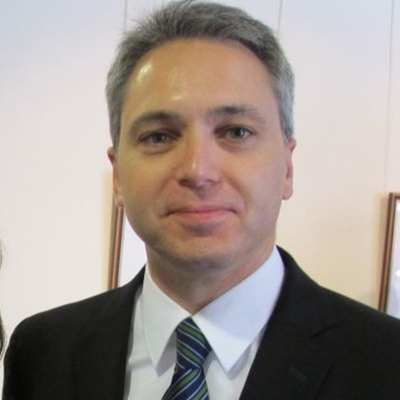
He will talk about his latest work and his career with the journalist Vicente Vallés, who currently presents and directs the news programme Noticias 2 on Antena 3 TV channel. He is the author of the essay Trump y la caída del imperio Clinton (Trump and the Fall of the Clinton Empire, 2017) and the novel Operación Kazán (Kazan Operation, 2022).
At the end of the event, the authors will sign their works at the bookstand in front of the IE University.
Event in Spanish
Organised together with Grupo Planeta
Event HF2
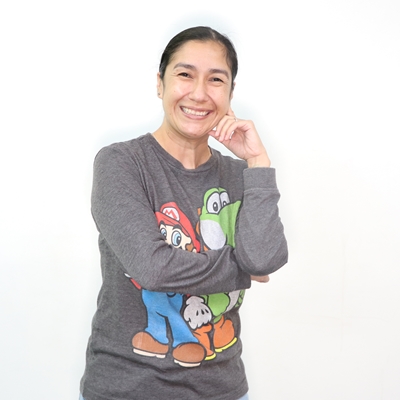
A radiowaves workshop, with Tere Alcántara
Hay Festivalito
Probably many curious children have asked some of the following questions: what is the radio? What makes it create sound? What are the basic elements inside a radio set? What is a presenter? What are advertisements for? At this interesting, fun event, Tere Alcántara will explain all this and answer other questions, as well as teaching us how to make a homemade microphone with an empty milk carton, a piece of cloth, a hands-free set with a wire, glue and scissors.
Ages 6 and over
Event 10
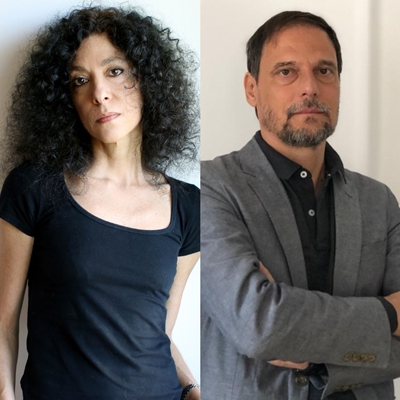
The writer and journalist Leila Guerriero (Argentina), presents her latest book, La llamada, a work of fiction that knits together a series of interviews with Silvia Labayru, the Argentinean member of the Montoneros guerrilla group who, in 1976, was abducted, tortured and raped at the notorious Escuela de Mecánica la Armada, to which thousands of people were taken and killed, and from where she makes it out alive. Guerriero started interviewing Labayru in 2021, while awaiting the sentence of the first trial for sexual violence committed against abducted women during the dictatorship, at which Labayru was an accuser. In conversation with Jan Martínez Ahrens.
Event co-organized with El País
Event 10
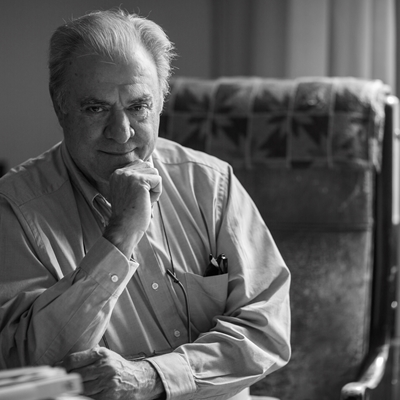
Bernardo Pérez in conversation with Aurelio Martín
Photography with passion
La Alhóndiga. Escenario Gales / Llwyfan Cymru
"You don’t take photos with a camera, but with your head and your heart.” So says Bernardo Pérez, whose viewfinder has been aimed at those black holes around the planet suffering from violence, extreme poverty and the abandonment of human rights. His camera was also a witness to some of the main events of the Spanish Transition to Democracy, after he joined the founding team of El País in 1976, as well sporting events such as the Olympic Games, heads of state, international conflicts… Pérez has accompanied writers such as Juan Goytisolo and journalists like Maruja Torres on projects for El País Semanal magazine, assignments that have taken him around the Americas and Europe. He will talk to the Hay Festival Segovia about his experience, putting words to the Compromiso con la realidad exhibition that will accompany the festival, putting a selection of his images on show.
Pérez will talk to the journalist Aurelio Martín.
Event in Spanish
In collaboration with the National Association of Graphic Reporters for Press and TV and Segovia City Council
Event 19
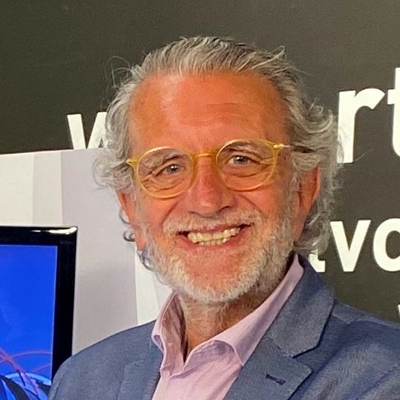
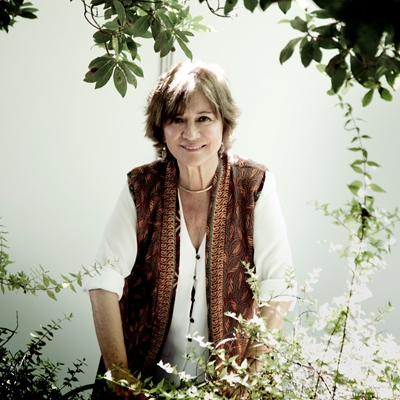
Nativel Preciado and Antonio Lucas in conversation with Daniel Fernández
Literature against disinformation
La Alhóndiga. Escenario Gales / Llwyfan Cymru
Can literature counteract the negative consequences for society of fake news? Nativel Preciado and Antonio Lucas, two writers who are both journalists and authors, will try to answer this question from the point of view of literary figures, and also talk about how those who work in the media can fight the impact of fake news and move towards quality journalism. Nativel Preciado has had a long career as a journalist, going back to her coverage of the Transition to Democracy. This columnist and public speaker has published around twenty books. Her latest novel, El santuario de los elefantes, won the Azorín Prize. Antonio Lucas is a well-known cultural journalist, Editor of the El Mundo supplement, La Esfera de Papel. He is also a distinguished poet, having been recognized with the Loewe Prize for his book Los desengaños.
They will talk to Daniel Fernández, editor and CEO of Cedro.
Event in Spanish
After the event, the writers will be signing books at the stand on Calle Real
Organized together with CEDRO and with the collaboration of Segovia City Council
Event 36
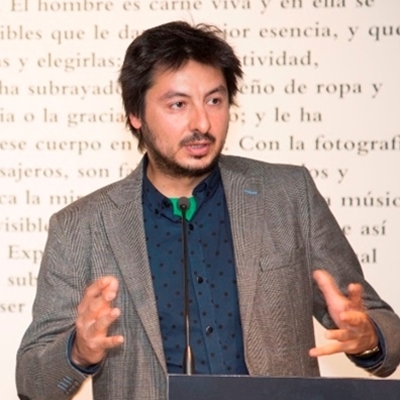
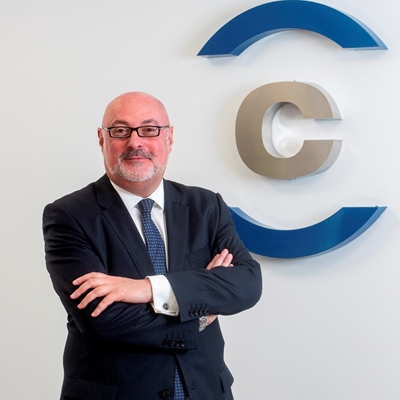
Teodoro León Gross talks to Jorge Bustos, Carlos Franganillo and Karina Sainz Borgo
The Death of Journalism
IE University. Aula Magna
Journalism, a fundamental pillar of democratic societies, has become a symbol of the illiberal attrition which has taken off over the second decade of the 21st century, with emerging strands of populism, the victory of Trump, Brexit, Bolsonaro, and the situation in Catalonia to name but a few factors. These phenomena, which have demonstrated the weakness of journalism to defend the strength of the right to information, illustrate the loss of respect for the old fourth power of politics. If journalism is not feared, its function is not respected. What is more, the digital environment —atomising news into short bursts of reports that generate echo chambers within social networks, from which information is consumed according to the biases of each community of identity— has debased the currency of journalism. If truth lacks value, journalism loses its meaning.
Journalist Teodoro León Gross, author of the recent La muerte del periodismo, will explore this subject with three leading Spanish journalists: Jorge Bustos, Carlos Franganillo and Karina Sainz Borgo. Gross has worked with newspapers including El País, El Mundo and ABC. Bustos is Deputy Editor of El Mundo; political commentator in current affairs programs on Cope, La Sexta and Telecinco. He published Casi in 2024, adding to his other works Asombro y desencanto, Crónicas biliares and El hígado de Prometeo. Franganillo moved from his time at TVE to direct and present the evening news at Telecinco. He is the winner of the Ondas Award (2019), the gold medal at the New York Festival (2014) and the International Press Club’s award for best correspondent (2016). Venezuelan journalist and writer based in Spain, Sainz Borgo is currently a columnist and reporter for ABC; she has also worked with Onda Cero and Vozpópuli. A prominent figure in literature of the Venezuelan diaspora, her first novel, La hija de la española, was translated into 20 languages and became an international success. This was followed by Crónicas barbitúricas, El tercer país; and La isla del doctor Schubert.
There will be a book signing at the end of the event in the room next to the main entrance
Event in Spanish
Organized together with Canal Sur, El Mundo, Telecinco y ABC

Event 5
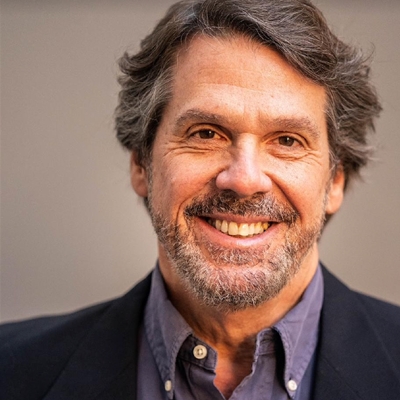
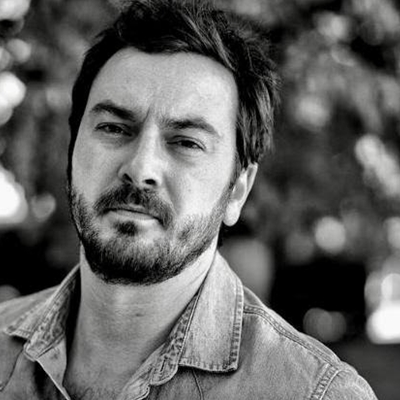
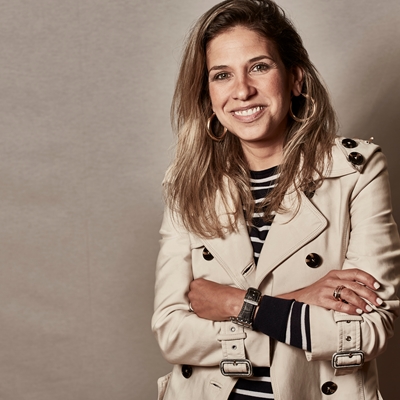
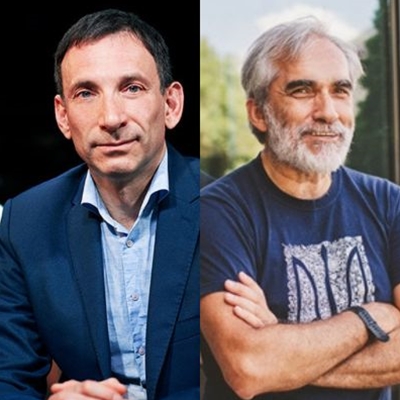
Vitaliy Portnikov talks to Halyna Tereshchuk
New Ukraine in new Europe: a special conversation for the 70th anniversary of Radio Liberty
Digital venue
For the Ukrainian people, Radio Liberty has offered an opportunity to receive uncensored information about events in the world and in Russia, including the work of dissidents.
The station's journalists Vitaly Portnikov and Halyna Tereshchuk discuss the impact of broadcasting in the current crisis. With Iaroslav Hrytsak.
In partnership with Radio Liberty Ukraine
Event 6
Marta Dyczok, Dmitry Khorkin, Vadym Miskyi, Matthieu Rawolle, Sofia Taavitsainen and Yuriy Tabachenko
The role of radio in difficult times
Digital venue
Why should you carry a radio with you in difficult times? How does radio help its listeners cope with current challenges? Why is radio the best helper in times of home isolation during a pandemic, as well as during natural disasters and full-scale war? How have European broadcasters managed to provide support for their listeners during socio-political turmoil, hostilities, natural disasters, and pandemics, and have they managed to protect themselves from all the disinformation, manipulation, and myths that inevitably flourish during such periods?
Marking the 100th anniversary of Ukrainian Radio, two eminent broadcasters discuss the role of radio in a digital world: Marta Dyczok, Dmitry Khorkin , Vadym Miskyi, Matthieu Rawolle, Sofia Taavitsainen, and Yuriy Tabachenko.
Marta Dyczok, Matthieu Rawolle and Sofia Taavitsainen will join digitally.
En colaboración con la Radio Ucraniana de Suspilne Media

Event 7
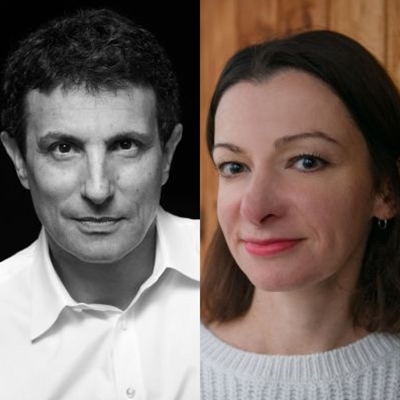
David J. Remnick is an American journalist, writer, and editor, Pulitzer Prize winner for his book Lenin's Tomb: The Last Days of the Soviet Empire, and author of Resurrection and King of the World: Muhammad Ali and the Rise of an American Hero. He talks to journalist Kristina Berdinskykh about geopolitics and US elections.
David Remnick will join the event digitally
Supported by the US Embassy in Ukraine
Event 11
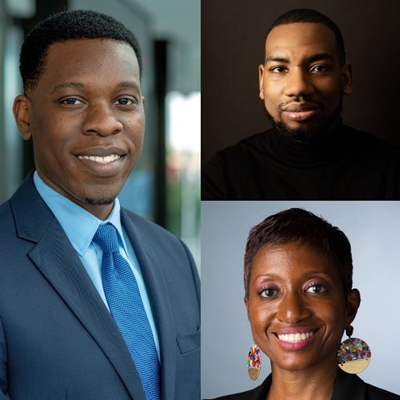
Toluse Olorunnipa and Robert Samuels in conversation with Katrice Hardy
Pulitzer Prize-winning authors of His Name Is George Floyd on racial justice
The Texas Theatre (Upstairs)
Join us for an enlightening evening with Pulitzer Prize-winning journalists Toluse Olorunnipa and Robert Samuels as they discuss their book, His Name is George Floyd, and their careers covering race and justice in America. Moderated by Katrice Hardy, the trailblazing Executive Editor of The Dallas Morning News, this event offers a powerful conversation on the legacy of George Floyd, Black Lives Matter, and ongoing racial inequality.
Olorunnipa and Samuels' deeply researched work explores Floyd's life and the systemic injustices his death exposed. Together, they will share insights into their writing process and the broader impact of their journalism.
Event 5
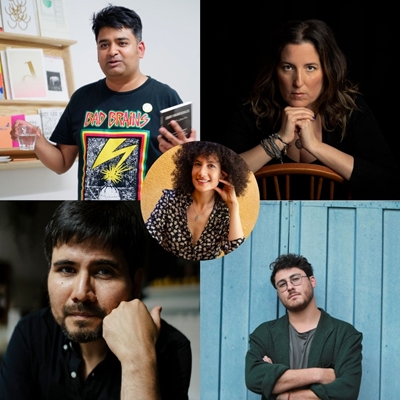
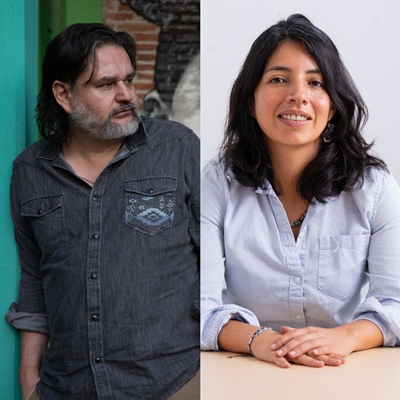
Hamja Ahsan, Agustina Bazterrica, Ekaitz Cancela and Juan Manuel Robles in conversation with Karima Ziali
New narrative paradigms
Teatro Municipal
Official narrative, non-hegemonic narratives. How do the guests at this event position themselves? We talk to Hamja Ahsan (United Kingdom), Agustina Bazterrica (Argentina), Ekaitz Cancela (Spain) and Juan Manuel Robles (Peru) about their ways of narrating, and their choices when it comes to telling stories and representing reality. In conversation with Karima Ziali.
Simultaneous translation from English to Spanish available
With the support of British Council, Acción Cultural Española, AC/E and Casa Árabe
Event 52
With the support of Open Society Foundations
Event 5
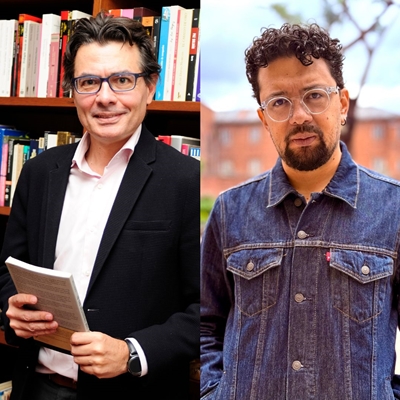
Alejandro Gaviria in conversation with Daniel Rivera Marín
The disdain of the gods
Museo de Arte Religioso
Event 8
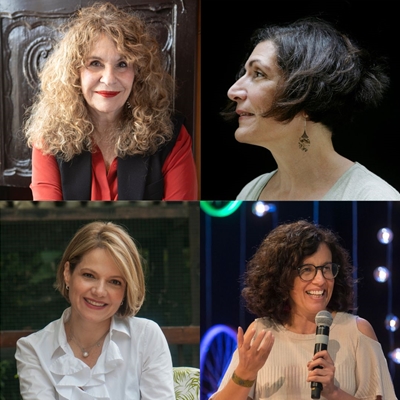
Gioconda Belli, Alma Guillermoprieto and Ana Cristina Restrepo in conversation with Juanita León
What is happening in Latin America?
Teatro Santamaría
With the support of Fontur
Event 16
With the support of Fontur
Event 26
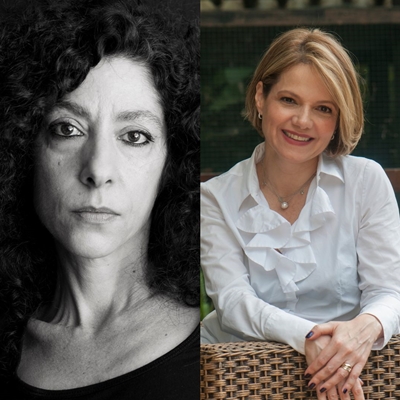
Leila Guerriero in conversation with Ana Cristina Restrepo
Centro de Convenciones (Auditorio Getsemaní)
The writer and journalist Leila Guerriero (Argentina) presents her book La llamada, a profile of the Argentine Silvia Labayru, a member of the armed group Montoneros and who in 1976 was kidnapped, tortured and raped at the Escuela de Mecánica la Armada clandestine detention centre, where thousands of people were held and murdered during the dictatorship. Labayru survived the experience, and was interviewed by Guerriero, beginning in 2021, while waiting for the outcome of the first trial for crimes of sexual violence committed against women who disappeared during the dictatorship, at which Labayru was a plaintiff. In conversation with Ana Cristina Restrepo.
Sponsored by Promigas
Explore All Genres
- Afrodescendencias
- South to North
- Art
- Arts & Culture
- Children
- Culture
- Design
- Drawing
- Economics
- Equality
- Fashion
- Film
- Food
- Gender
- History
- Human Rights
- Indigenous Cultures
- Journalism
- Language
- Law
- Literature
- Music
- Nature & Environment
- Philosophy
- Photography
- Podcast
- Poetry
- Politics
- Psychology
- Religion
- Science
- Sport
- Technology
- Theatre
- Workshops
- World Affairs

Partner for Latin America
Principal Sponsors

Government Partner