Hay Festival Medellín 2025
Event 1
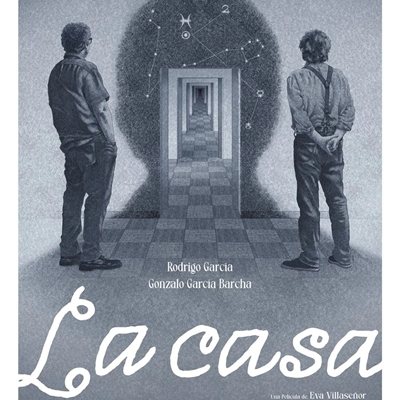
Screening of the documentary followed by a Q&A with Eva Villaseñor and Carolina Torres
The house, the untold story of One Hundred Years of Solitude
Teatro SURA - Otrabanda Suramericana
Read moreFor decades, Gabriel García Márquez envisioned a novel entitled La casa, inspired by the house he lived in with his grandparents in Aracataca. That idea eventually evolved into One Hundred Years of Solitude, which he wrote while living in Mexico City. In this documentary, directed by Eva Villaseñor, Gonzalo and Rodrigo García Barcha return for the first time to their childhood home on La Loma Street, where Gabo wrote his masterpiece while they were still children. The film offers a perspective on the creation of One Hundred Years of Solitude that has never before been told. Following the screening, Carolina Torres will join Villaseñor for a conversation about the documentary.
Documentary runtime: 60 minutes
Director: Eva Villaseñor
Country: Mexico
Event 2
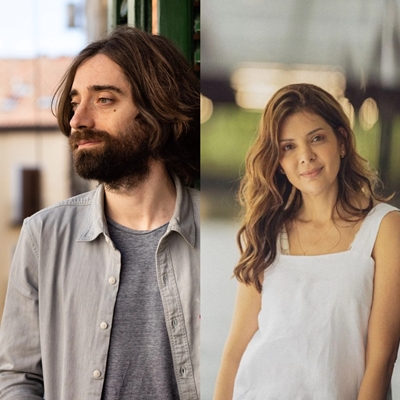
Juan Gómez Bárcena in conversation with Adriana Cooper
Going back to the breakdown
Biblioteca Pública Piloto - sala general
Read moreA desire to return that borders on obsession. There are defining, life-altering moments and in Abril o nunca, by Juan Gómez Bárcena (Spain), such a moment occurs during a scuba-diving excursion, Teresa’s birthday gift. It is an episode that will leave an indelible mark on the life of her father, Daniel, effectively freezing him in time. From that point on, the protagonist plunges into grief, something that is compounded by a midlife crisis, and drifts into a digital underworld in search of a way to turn back the clock. In conversation with Adriana Cooper, the author —who also wrote Mapa de soledades and Ni siquiera los muertos— will reflect on time, fatherhood, masculinity and loneliness: recurring themes in his fiction.
With the support of Acción Cultural Española, AC/E
Event 3
Sonidero music featuring La Comadre Soundsystem and Musas Sonideras
Dancing at Hay Festival
Plazoleta SURA monumento a la vida - Edificio Camacol
Read moreSURA invites
Event 5
Julia Navarro in conversation with Sebastián Gaviria
A modern family
Plazoleta SURA monumento a la vida - Edificio Camacol
Read more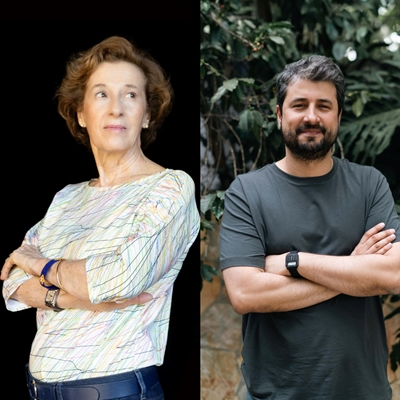
Event 4
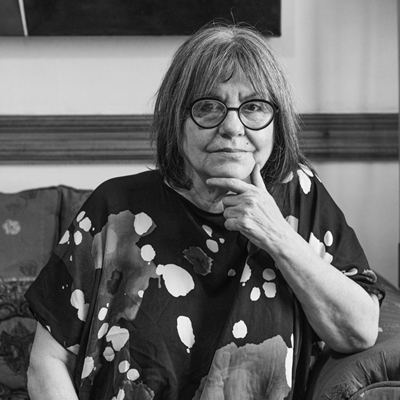
Diamela Eltit in conversation
Human error
Biblioteca Pública Piloto - sala general
Read moreThe writer and academic Diamela Eltit (Chile) is a member of the jury for the Medellín39 project, which has deliberated on the selection of the next generation of writers who will write the Americas. For decades, Eltit has been a major voice in contemporary Latin American literature, thanks to works such as El cuarto mundo, Mano de obra, and Sumar, as well as her participation in the art collective CADA. Her most recent novel, Falla humana, shows her at her sharpest, portraying the excesses of a decrepit and failed system. A small working-class community in an unnamed city awaits the intervention of the Company to carry out a deportation in the middle of the night.
Event 6
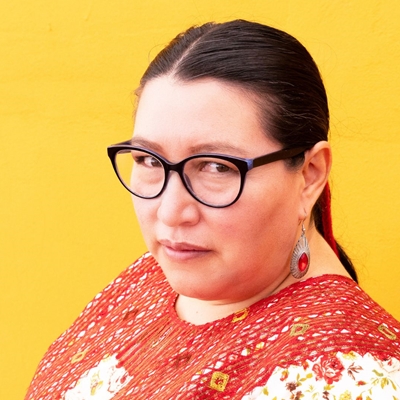
Yásnaya Elena A. Gil in conversation
Defence of a language and a territory
Biblioteca San Germán
Read moreThe Mixe linguist, writer, and activist Yásnaya Elena A. Gil (Mexico) is a member of the jury for the Medellín39 project, which has selected the next generation of writers who will write the Americas. She is a founding member of the Colegio Mixe —a network of researchers dedicated to promoting the Ayuujk language, history, and culture— and in her long essay Ää: Manifiestos sobre la diversidad lingüística, she addresses the loss of indigenous languages in Mexico and the structural violence inflicted by the State upon their speakers. In addition to her work defending linguistic rights, she is a staunch advocate for land and the environment, challenging extractivism and the false, corporate-led "transitions."
Event 6B
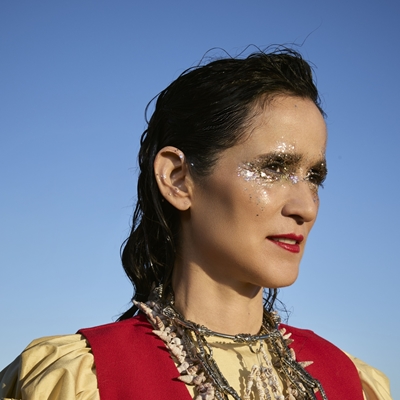
Julieta Venegas in conversation
Going back north, going back to the beginning
Biblioteca Pública Piloto - sala general
Read moreMany years ago, Julieta Venegas (Mexico) was the lead singer of the band Tijuana No! She moved to Mexico City to become a pop star and spent nearly a decade living in the south, with Argentina as her refuge, before coming full circle by returning to the north, where it all began. Norteña is her ninth studio album, in which the diversity of norteña music accompanies what are probably the most personal lyrics of her career. Norteña is also a memoir that delves into her connection with Tijuana, in northern Mexico —the border, family, displacement, and cultural and social tensions— and details her early days as a singer. She is a woman trying to understand where she comes from and what place she wants to occupy in the world.
Event 7
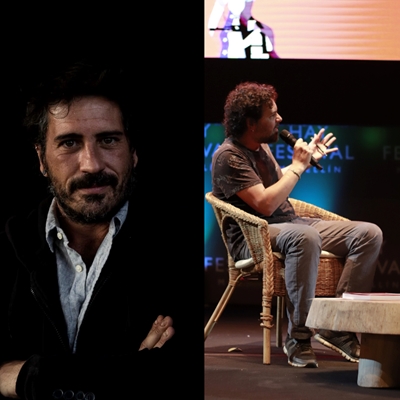
Jacobo García in conversation with Pascual Gaviria
Light years: two decades covering Latin America
Plazoleta SURA monumento a la vida - Edificio Camacol
Read moreWith the support of Acción Cultural Española, AC/E
Event 8
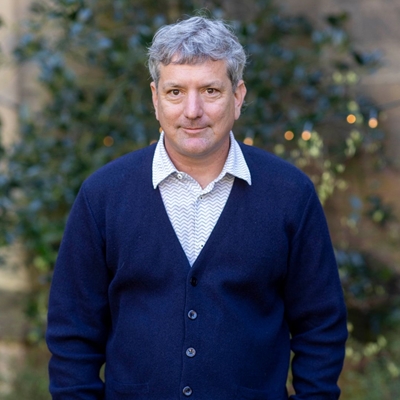
Santiago Roncagliolo in conversation with Andrés Sarmiento
The surprising rise of Leo XIV
Biblioteca Pública Piloto - sala general
Read moreEl pastor y los lobos by Santiago Roncagliolo (Peru) is the true story about Pope Leo XIV and the darkness. The story: a narrative investigation into Robert Prevost’s rise to the papacy. The darkness: the internal struggles, contradictions and challenges facing the Catholic Church. Two factions, one reformist and the other fundamentalist; two ways of understanding the Church that had to choose the successor to Francis I. It was then that the discreet figure of Prevost, who shunned the media spotlight, emerged. Roncagliolo traces the clergyman’s footsteps, from his ecclesiastical and social work in Chiclayo to his pivotal role in dealing with the Curia’s most murky affairs.
Event 9
Patricio Pron in conversation with Juan Diego Mejía
En todo hay una grieta y por ella entra la luz
Plazoleta SURA monumento a la vida - Edificio Camacol
Read more
Event 11
Conversación con Finalistas, ganador/a y jurado del VII Premio Biblioteca de Narrativa
Plazoleta SURA monumento a la vida - Edificio Camacol
Read more
Event 10
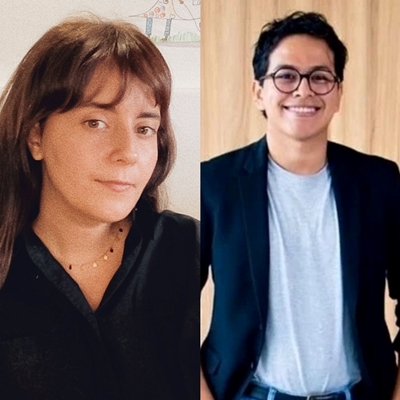
Lana Corujo in conversation with Róbinson Meneses
Han cantado bingo
Biblioteca Pública Piloto - sala general
Read more«Lo que se hereda es como un boliche rodando escaleras abajo. Es imposible escapar de su ruido». The grandmother’s words to the sisters at the heart of Han cantado bingo (They’ve Called Bingo) echo throughout the first novel by Lana Corujo (Spain). There is a destiny, or a kind of inheritance, that cannot be escaped. There is a volcano, El Ahorcado, at whose foot two sisters play on the threshold between childhood and adolescence. There is a game, and a secret bound up with it. Something shifts beneath the volcano’s gaze, amid silences, guilt, village festivities, wounds, and dark magic. Darkness, grief, loss, and forgiveness are all at the heart of Corujo’s novel.
With the support of Acción Cultural Española, AC/E

Partner for Latin America

Principal Partner