Merthyr Rock 2012
Evento 0
Premiación Antioquia Reimaginada
Parque principal - tarima
Ver más
Evento P1
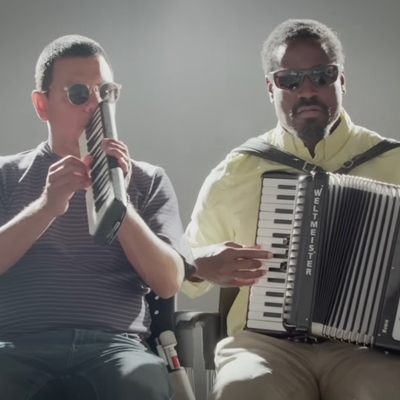
Proyección del documental 'El extraordinario viaje de Carlos y Alvin'
Parque principal - tarima
Ver másEl documental El extraordinario viaje de Carlos y Alvin nos acerca a otras formas de percibir el mundo y a una amistad que lucha contra los estereotipos y estigmas en torno a la ceguera. Dirigido y producido por Andrea Díaz Cardona, periodista de BBC Mundo, narra la historia real de Carlos y Alvin, nacidos en Colombia y Bahamas, respectivamente, pero con vidas paralelas: tras encontrarse fortuitamente, se dieron cuenta de que ambos fueron bebés prematuros y quedaron ciegos por el mismo error médico.
Duración: 18 minutos
Evento 1
Andrea Díaz Cardona en conversación con José Carlos Cueto
Sobre ‘El extraordinario viaje de Carlos y Alvin’
Parque principal - tarima
Ver más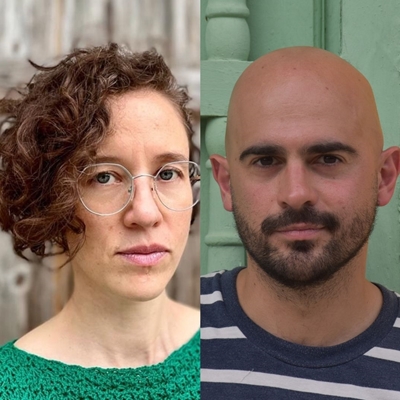
Evento C1
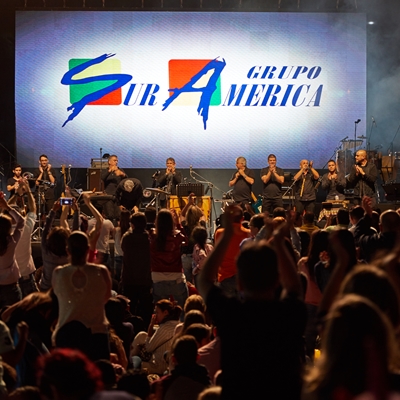
Concierto de Grupo Suramérica
Frente a la guerra, poesía: 50 años sobre el escenario
Parque principal - tarima
Ver másLo que comenzó como un proyecto entre amigos de la Universidad de Antioquia se ha convertido en una unión que este 2025 cumplirá 50 años, y que ya incluye a tres generaciones de músicos en sus filas. El Grupo Suramérica lleva cinco décadas llevando su música por Antioquia, Colombia y América Latina. Con la nueva trova cubana, el nuevo cancionero argentino y el nuevo canto uruguayo como referentes, desde sus inicios promovieron espacios de encuentro social con un objetivo claro: frente al fusil, una guitarra; frente a la guerra, poesía. Se cumplen así 50 años de memoria hecha canción, para una corporación que se debe a la ciudad, y celebra en Jericó una ruta compartida de vida y música.
Código PULEP YBU668
Evento 2
Pilar Quintana en conversación con Cristina Fuentes La Roche
Noche negra
Teatro Santamaría
Ver más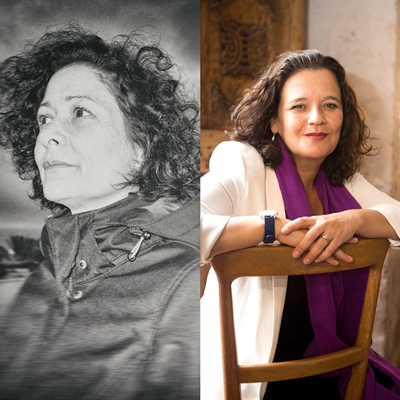
Evento 3
Yolanda Ruiz en conversación con Andrea Díaz Cardona
Las cicatrices emocionales del conflicto: los que quedan
Museo de Arte Religioso
Ver más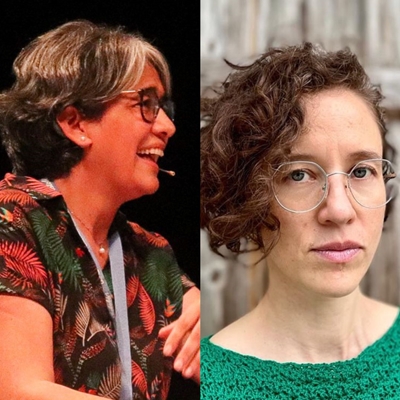
Evento CA1
Un café con Gustavo Rodríguez, en conversación con Javier Mejía
Casa Jericoana
Ver más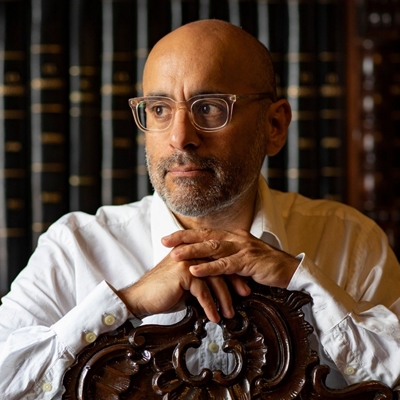
Evento P2
Proyección del capítulo ‘Cacho Negro, Ñito Restrepo y la encostalada’, de la serie 'Cosiaca'
Museo MAJA - auditorio
Ver más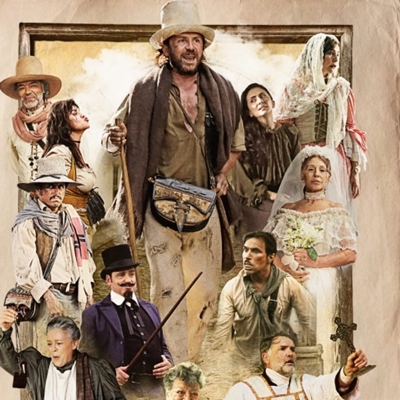
Evento 4
Carlos Granés y Bruce Mac Master en conversación con Tatiana Vásquez
Rugidos y desestabilizaciones
Teatro Santamaría
Ver más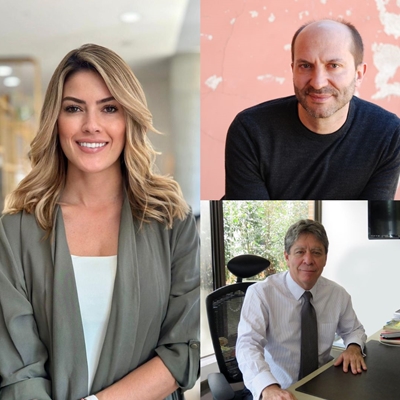
Evento 5
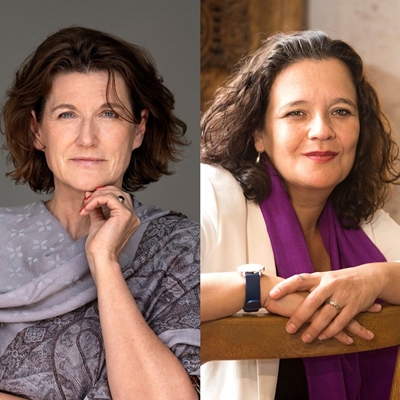
Janne Teller en conversación con Cristina Fuentes La Roche
Justicia
Museo de Arte Religioso
Ver másJusticia es la primera novela de Janne Teller (Dinamarca) en 11 años. Mundialmente conocida por obras como Nada, la escritora ha necesitado dos décadas para completar este libro, que comenzó a gestarse cuando trabajaba como diplomática de las Naciones Unidas. Conversa con Cristina Fuentes La Roche sobre este libro, que tiene el conflicto palestino-israelí —«la madre de todos los conflictos», según la autora— como trasfondo, trazando la compleja relación entre un padre, representante de la ONU, y su hija activista, cuyo asesinato no consigue superar. En conversación con Cristina Fuentes La Roche.
Se ofrecerá interpretación simultánea del inglés al español
Evento 6
Virginia Petro De León en conversación con Lu Beccassino
Amar, sanar, volver a amar
Teatro Santamaría
Ver más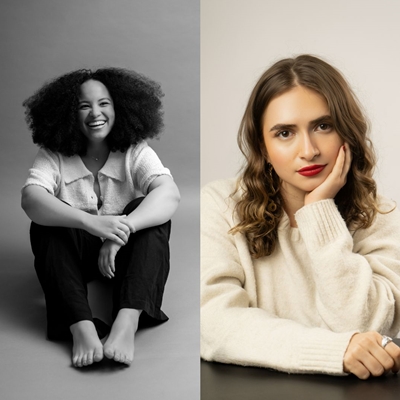
Evento 7
Karen Hao en conversación con Andrés Roldán
Lo que hay detrás de la inteligencia artificial
Museo de Arte Religioso
Ver másTras escuchar a Karen Hao (EE. UU.), nuestra visión de la inteligencia artificial no volverá a ser la misma. Sí, la IA ha llegado para quedarse, y nadie duda de que es una herramienta que nos facilita el día a día. Incluso este texto puede estar generado por ChatGPT y nadie lo podría saber. Pero lo barato nunca sale gratis. Primero, supimos de la cantidad ingente de recursos energéticos que consume. Y poco a poco fue saliendo a la luz el lado oscuro de su creación y de la propia carrera tecnológica, gracias a periodistas e investigadoras como Hao, autora de El imperio de la IA, donde nos habla de empresas que actúan como imperios, de la explotación de recursos, o de trabajadores precarizados del sur global que recopilan y filtran los datos. Conversa con Andrés Roldán.
Se ofrecerá interpretación simultánea del inglés al español
Evento CA2
Un café con Pilar Quintana en conversación con Andrés Valencia
Casa Jericoana
Ver más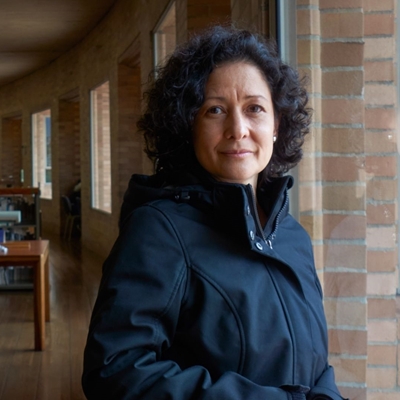
Evento 8
Clase magistral de Juan Esteban Constaín
La imagen de Cristo del siglo I al siglo III
Museo MAJA - auditorio
Ver más¿Cómo concebían los primeros cristianos la imagen de Jesús, en los años más incipientes de su credo? ¿Cómo fue la evolución de esa imagen durante los primeros tres siglos del cristianismo? Juan Esteban Constaín (Colombia) se adentró en una vasta investigación para preparar su más reciente libro, El hijo del hombre, un ensayo histórico y literario del cristianismo primitivo y el diálogo entre la teología judía y el paganismo grecorromano. Pero no todo lo investigado entró en el libro. En esta clase magistral ofrecerá una lectura estética y simbólica de la iconografía de Jesús, con la proyección de frescos hallados en catacumbas de Roma, mosaicos, tablillas y otras imagénes rescatadas de su investigación que nos devuelven a los días en que empezó la adoración de Cristo como una figura divina.
Evento 9
Simón Vargas en conversación con Jorge Caraballo
De Morat a ‘A la orilla de la luz’
Teatro Santamaría
Ver más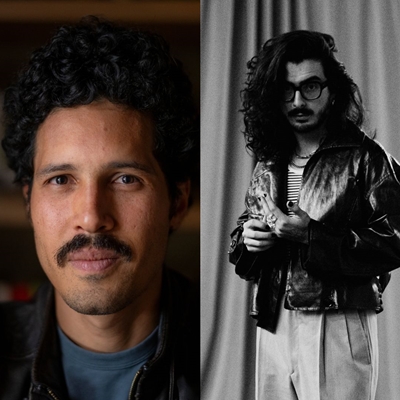
Evento 10
Gustavo Rodríguez en conversación con Juan Diego Mejía
Mamita
Museo de Arte Religioso
Ver más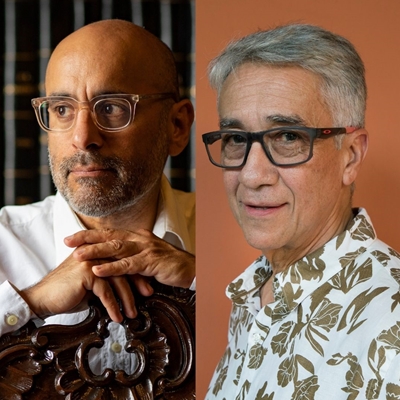
Evento 11
Andrés Cota Hiriart y Andrea Mejía en conversación con Cristina Romero
Literatura y naturaleza
Museo MAJA - Auditorio
Ver más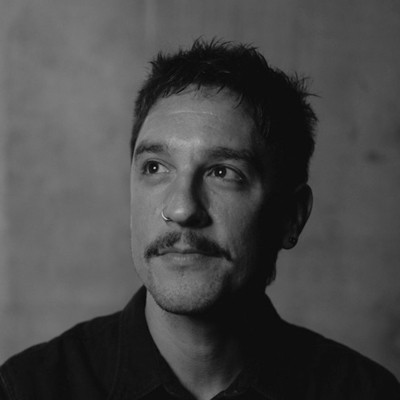
Evento 12
Federico Ríos Escobar en conversación con José Carlos Cueto
Migrar en imágenes
Teatro Santamaría
Ver más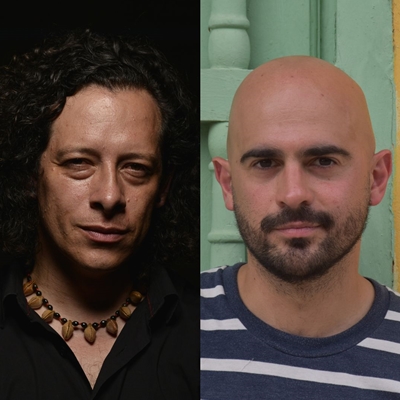
Evento 13
Mauricio Silva Guzmán en conversación con Pascual Gaviria
Perder es ganar un poco
Parque principal - tarima
Ver más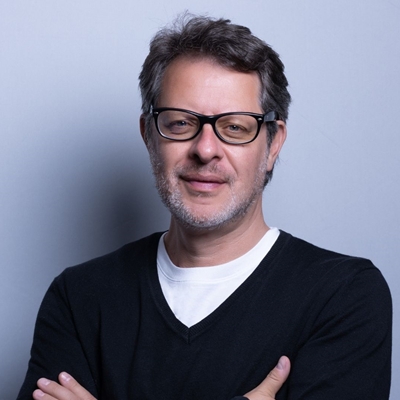
Evento 14
César Betancur ‘Pucheros’ y John Álex Toro en conversación con Juan Luis Mejía
Cosiaca, de la cultura popular a la pantalla
Parque principal - tarima
Ver másEn alianza con Teleantioquia

Patrocinadores Principal

Aliado Gubernamental