Hay Festival Querétaro 2021 – Literature
The events from Hay Festival Querétaro 2021 are available on Hay Player
Event HFC3
Lecture-workshop with Rafael Volta
The book of outsiders
COBAQ (sala audiovisual), Delegación Santa Rosa Jáuregui
Read moreEl libro de los outsiders is the literary and audio-visual project of Rafael Volta, who gives a voice to those who are not usually named. This is not the Queretaro of the «outstanding figures» of the Heraldo de Navidad, but of those who walk on the fringes. A tale that tells of Queretaro from the periphery.

Event HFJ2
Ramón Gener in conversation with Felipe Bohorquez
Love for the piano
Universidad Anáhuac, Aula Magna Edificio C
Read moreRamón Gener (Spain) has found a true vocation in education on the subject of music, bringing his love of opera and art to new audiences. More than just a conversation, he will offer a journey of (re)discovery, allowing music to excite us, and talking about Historia de un piano, a captivating novel about the life of an instrument that becomes a metaphor for the redemptive power of love, friendship, beauty and, of course, music. In conversation with Felipe Bohorquez.
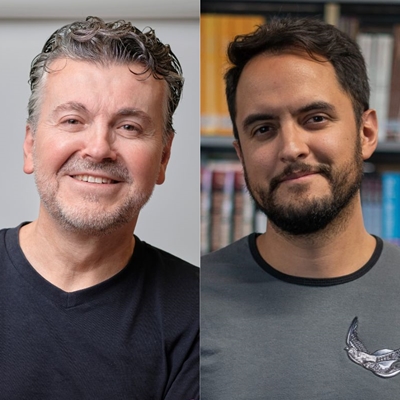
Event 3
Juan Villoro in conversation with Francesco Manetto
El País event
Teatro de la Ciudad
Read moreThe digital era has transformed us, to the extent that it is now possible to think about ourselves as digital beings. We no longer turn the page, but scroll on our mobile devices. What is the role of reading in this new era? Juan Villoro (Mexico) responds to these and other questions in his book No soy un robot, an essay that avoids academicism and combines autobiography with reflection and speculation. In conversation with Francesco Manetto.
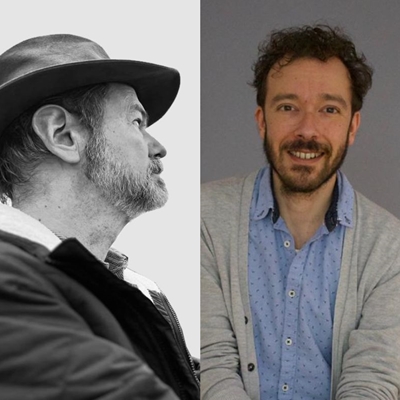
Event 4
Ramón Gener in conversation with Sopitas
Love for the piano
Cineteca Rosalío Solano
Read moreRamón Gener (Spain) has found a true vocation in education on the subject of music, bringing his love of opera and art to new audiences. More than just a conversation with Sopitas, he will offer a journey of (re)discovery, allowing music to excite us, and talking about Historia de un piano, a captivating novel about the life of an instrument that becomes a metaphor for the redemptive power of love, friendship, beauty and, of course, music.
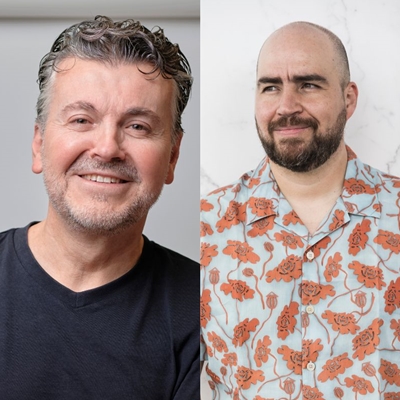
Event HFC1
Workshop with Adolfo Córdova
The character poem: between story and verse
LEO AC, Casa Hogar Santa Rosa de Lima
Read moreThe epic oral poetry of works such as the Iliad, the Odyssey and the Mahabharata focuses on memorable characters. Inspired by this tradition is the «character poem»; at this event with Adolfo Córdova we will create one, with a narrative heart but poetic limbs. To give it life, we will need a name, a body, a place and a wish.
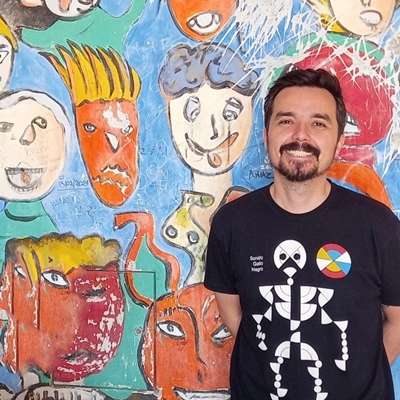
Event HFJ8
Tania Tagle in conversation with Jazmín Agreda Ríos
UAQ, Central de Servicios a la Comunidad (CESECO) Norte
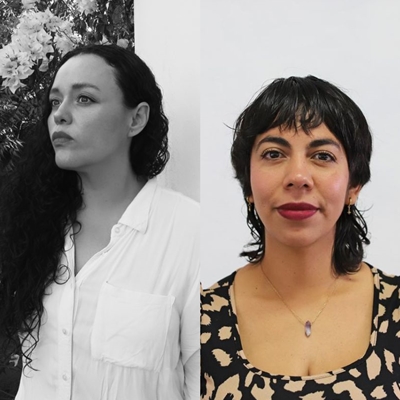
Read moreTania Tagle (Mexico) is a writer with a meticulous literary style, one employed in Fauce to tell how, after a bereavement, the protagonist finds the words to speak to her son through a fog of silence. In Jardines errantes, her previous book, she cultivates a garden of words with a sensitive approach that allows her experiences as a daughter, mother, reader and inhabitant of this world to flourish. In conversation with Jazmín Agreda Ríos.
Event HFJ10
Mar García Puig in conversation with Ester Bautista Botello
The value of metaphors
UAQ, Biblioteca Campus Centro Histórico - Dirección General de Bibliotecas
Read moreIn her long essay Això tan tenebrós, Mar García Puig (Spain) makes a defence of the power of figurative language, since existence unfolds among metaphors, and these represent not only all that exists, but everything we can conceive of. This is a matter that women know particularly well, given that they can give life, but also take it away. In conversation with Ester Bautista Botello.
With the support of Instituto Ramón Llull

Event HFJ14
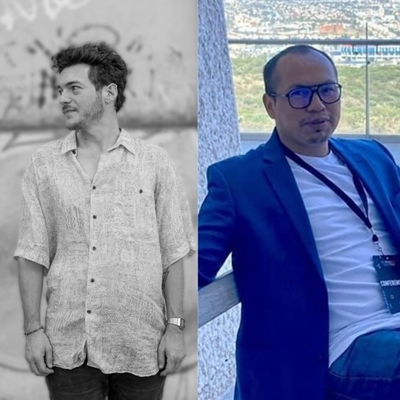
Michel Nieva in conversation with Abdiel Hernández Mendoza
The hacking of science fiction
UNAM ENES
Read moreMichel Nieva (Argentina) is a creator of gaucho-punk, which fuses the gauchesca tradition with the cyberpunk genre. In Ciencia ficción capitalista he draws our attention to the capitalist fantasies of the technological gurus. This essay explores how the language of science fiction has been kidnapped by the neoliberal ideas of Bezos, Musk, Zuckerberg and co. In conversation with Abdiel Hernández Mendoza.
Event HFJ15
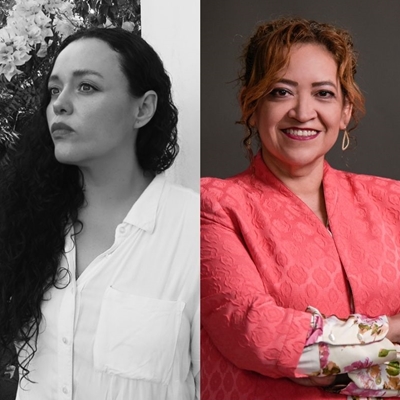
Tania Tagle in conversation with Angélica Aguado
UAQ, Auditorio Adolfo Chacón Gallardo, Facultad de Psicología y Educación, Centro Universitario
Read moreTania Tagle (Mexico) is a writer with a meticulous literary style, one employed in Fauce to tell how, after a bereavement, the protagonist finds the words to speak to her son through a fog of silence. In Jardines errantes, her previous book, she cultivates a garden of words with a sensitive approach that allows her experiences as a daughter, mother, reader and inhabitant of this world to flourish. In conversation with professor Angélica Aguado.
Event HFJ16
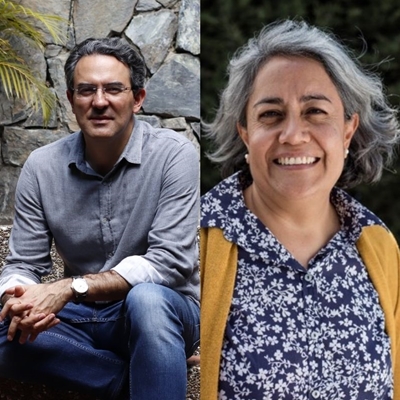
Juan Gabriel Vásquez in conversation with Julieta Díaz Barrón
Museo de la Ciudad (sala 2)
Read moreJuan Gabriel Vásquez is one of the most celebrated and outstanding authors in contemporary Colombian literature. At this event he will talk about his most recent book, Los nombres de Feliza, a recreation of the life of the sculptor Feliza Bursztyn, who was a freethinking artist who went beyond the limits set by the times for women like her. This rigorous novel weaves together art, history and memoir. In conversation with Julieta Díaz Barrón.
Event HFC6
Workshop with Adolfo Córdova
The character poem: between story and verse
Parque de la Mantarraya, Delegación Félix Osores
Read more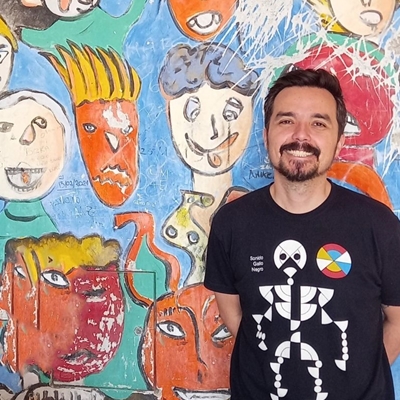
Event 6
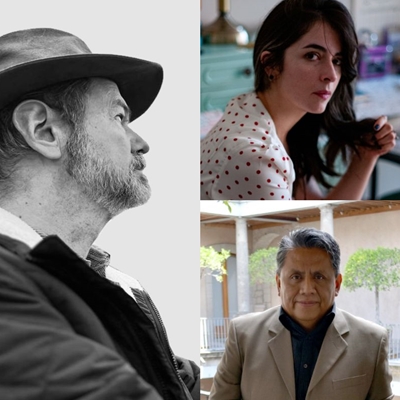
Juan Villoro and Aura García-Junco in conversation with Jesús Alejo
Hay Festival Constellations: literature
Teatro de la Ciudad
Read moreHay Festival Constellations creates a space for intergenerational dialogue within the Mexican cultural scene, in fields such as literature, film, music, science and architecture. At this event Juan Villoro and Aura García-Junco offer their thoughts as a mirror on their respective times: through essay, fiction, short stories, journalism and more, to reflect on what each one’s pen, or keyboard, can express. In conversation with Jesús Alejo.
SURA event
Event 55
Valeria Luiselli in conversation with Gaby Wood
Cineteca Rosalío Solano
Read moreValeria Luiselli (Mexico) has spent years passing borders in her work. The tangible and the intangible ones: borders of geography, family, the body, memory and language. In Desierto sonoro she wrote about migration and infancy; now, with Ecos de las tierras fronterizas she presents an audio project —together with Ricardo Giraldo and Leo Heiblum— about the violence on the US/Mexico border.

Event HFC7
Conversation with Edgar David Aguilera and Alfredo Rodríguez Karmix
Kalimán
Biblioteca Juan de Dios Bátiz Paredes, Delegación Josefa Vergara
Read moreThere is a superhero whose powers reside in the mind, the body and in an unbreakable spirit. With his white tunic, turban and an emerald with a K on his forhead, Kalimán was, and continues to be, an icon of Mexican and Latin American pop culture. Together with his associate Solín, he has been fighting evil since the 1960s, on radio and in bestselling comics. He also conquered cinemas in the 70s. Considered to be the first Mexican superhero, he showed us that there is no weapon more powerful than the mind, and that «whoever controls the mind, controls everything». Conversation with Edgar David Aguilera y Alfredo Rodríguez Karmix, co-screenwriters of Kalimán: El despertar.

Event TE1
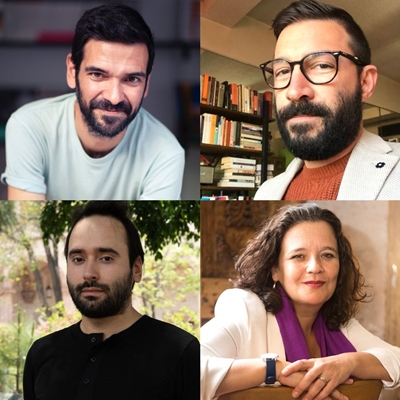
Francisco Llorca, Edgar Trevizo and Luis Sandoval talk to Cristina Fuentes la Roche
Publishing talent: Independent publishers. What do they publish and why?
Museo de la Ciudad (sala 2)
Read moreSpanish-language independent publishing is of a wonderful richness and variety. Three very different publishing companies will talk about their work and their aspirations. Francisco Llorca (Las Afueras, Spain), Edgar Trevizo (Medusa Editores, Chihuahua-Mexico) and Luis Sandoval (Mishin ediciones, Queretaro-Mexico) will talk to Cristina Fuentes la Roche.
Co-organized with Librerías Cálamo and AECID
Event CL1
Reading club with Arnoldo Gálvez and Emilia Pesqueira
La era glacial
Casa Hay Festival (C. Francisco I. Madero 71)
Read moreEmilia Pesqueira’s reading club comes to Hay Festival Queretaro with Arnoldo Gálvez (Guatemala) and his novel La era glacial. The truth can hurt, but the novel’s two main characters find in their improbable friendship a link that can keep them together now they are on the brink of death.
Sponsored by SURA

Event 11
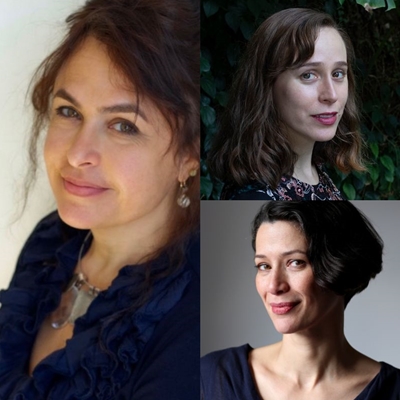
Selma Dabbagh and Elisa Díaz Castelo in conversation with Gaby Wood
Literary pairs
Museo de la Ciudad (espacio escénico)
Read moreAs part of the Literary Pairs series run by the Hay Festival and the British Council, and an event that will be repeated at the Hay-on-Wye Festival in 2026, the British-Palestine writer Selma Dabbagh and Elisa Díaz Castelo, one of the most powerful voices in contemporary Mexican literature, will take part in a conversation together with Gaby Wood. At the event they will talk about their fiction and about works such as Out of It and Malacría respectively.
Simultaneous interpretation from English to Spanish available
With the support of British Council
Event CL2
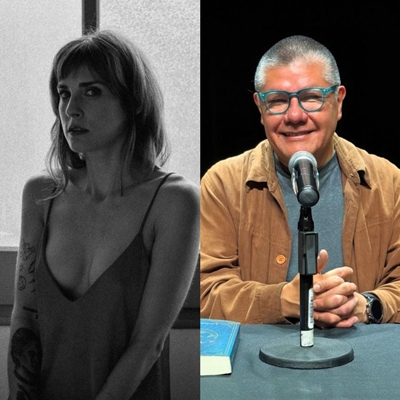
Leo con Once reading club. Paulina Flores in conversation with Miguel de la Cruz
Casa Hay Festival (C. Francisco I. Madero 71)
Read moreThe Leo con Once reading club comes to Queretaro with the Chilean author Paulina Flores and her novel La próxima vez que te vea, te mato, which dissects, with considerable irony, the emotional insecurities of a young Chilean woman trapped in a polyamorous relationship in Barcelona. She will talk to the cultural journalist and Canal Once presenter, Miguel de la Cruz.
Sponsored by SURA, with the support of UNAM
Event TE2
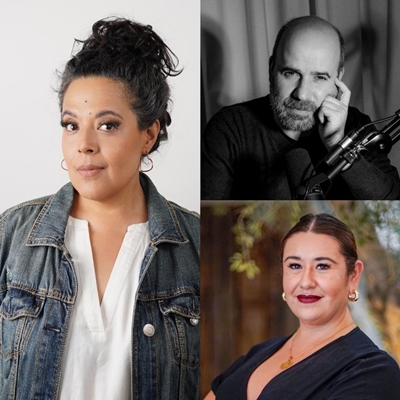
Nena Mounstro and Javier Peña in conversation with Isabel Posadas
Publishing talent: literary podcasts
Museo de la Ciudad (sala 2)
Read moreThey guide, influence, rouse passions… literary podcasts have become a media phenomenon for readers, and a vital shop window for the publishing world. Chismecitos literarios and Grandes infelices are two of the most successful in Mexico and Spain. Their respective creators, Magali Torres (Nena Mounstro) and Javier Peña will talk to Isabel Posadas.
Co-organized with Librerías Cálamo, AECID, and with the support of Acción Cultural Española, AC/E
Event 15
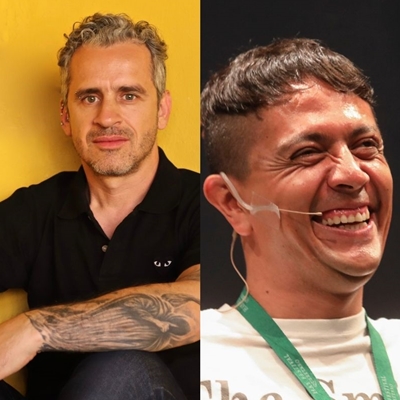
José Luís Peixoto in conversation with Felipe Rosete
Family in the twilight of life
Museo de la Ciudad (sala 2)
Read moreAbout to turn 90, Rui Nabeiro looks back at his childhood and working and family life. In Almoço de domingo, José Luís Peixoto (Portugal) uses the family ritual of the Sunday lunch to offer an elegy on time, legacy and beauty. When life reaches its end, what is most important is the beauty of the journey.
With the support of the Portuguese Embassy in Mexico
Explore All Genres
- Afrodescendencias
- Constelaciones Hay Festival
- South to North
- Architecture
- Art
- Arts & Culture
- Children
- Comedy
- Crime
- Culture
- Drawing
- Education
- Equality
- Family
- Film
- Gender
- Heritage
- History
- Human Rights
- Journalism
- Language
- Literature
- Music
- Nature & Environment
- Performance
- Photography
- Podcast
- Poetry
- Politics
- Psychology
- Science
- Technology
- War
- World Affairs

Principal Sponsor






Partner for Latin America