Hay Festival Cartagena 2027
The twenty-second edition of Hay Festival Cartagena de Indias will be held from January 28 to 31. On this page you can find the events in the general programme, as well as Hay Festival Joven activities for university audiences, Hay Festival Comunitario sessions which take place in different areas of Cartagena, and Reading Clubs.
For any inquiries, please contact tickets@hayfestival.org and contacto@hayfestival.org.
Event 25
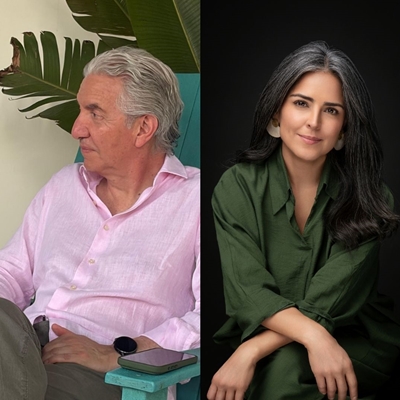
Mauricio Reina in conversation with Claudia Palacios
Happiness? Longevity
Palacio de la Proclamación (Auditorio Juan José Nieto)
Read moreMauricio Reina (Colombia) is an economist, a researcher at Fedesarrollo, a film critic, a columnist and a commentator for various Colombian media outlets. He is also a 64-year-old man. Why the emphasis on his age? Because when he was born, the life expectancy in Colombia was 57 years; for those born now, it is 81 years: 24 years longer. Old age is not the same now as it used to be. Not, at least, for people who have recently retired in good health. Reina is the author of a book about old age, Bonus Track, which is the personal account of someone reflecting on the implications of life becoming longer. In conversation with Claudia Palacios (Colombia), a journalist who has also written about longevity, he will address a key question: are we prepared for longer lives?
Event CL2
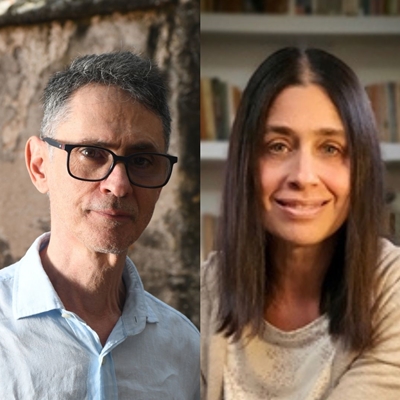
Book club with Pablo Montoya and Ana María Aponte
The world’s garden
Casa Hay Festival SURA/Bancolombia (Centro de Convenciones)
Read moreThe Hay Festival Cartagena de Indias book clubs offer intimate gatherings with a selection of programme guests. They provide a space for in-depth discussion of their most recent works. In this session, Pablo Montoya (Colombia) talks to Ana María Aponte about El jardín del mundo.
Book to be read before attending
Event HFJ8
Cristina Bendek, Lilia María Herrera Jiménez and Sandra Taborda Parra in conversation with Mauro Maza Chamorro
The islands, the continent and the sea
Universidad Tecnológica de Bolívar (sede Manga)
Read more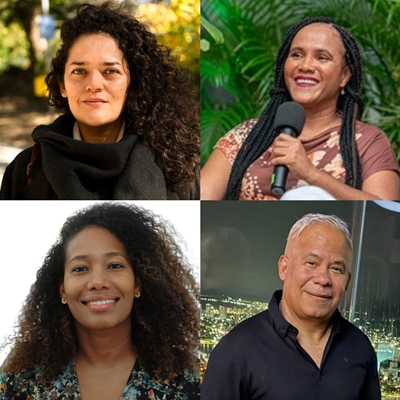
Event HFJ7
Felipe Holguín and Francisco Suniaga in conversation with Jenny Ballestas
Behind 105 Ciudad Heroica
Universidad de Cartagena, Claustro de San Agustín (Biblioteca)
Read more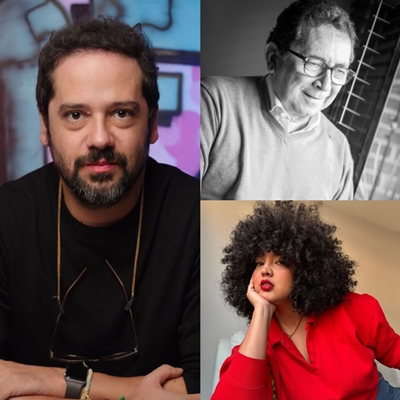
Event HFC15
Event with Sebastián Blanco Valiente
How to care for and transform my community via digital communication
Institución Educativa Politécnico El Pozón
Read more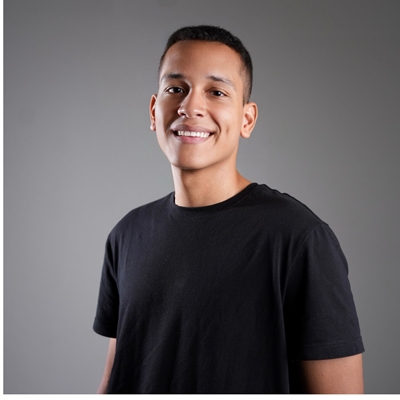
Event HFC16
Event with Mónica Diago
The music of the stars
Institución Educativa El Salvador - Turbaco
Read more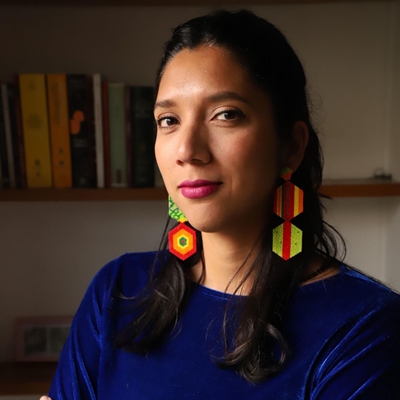
Event HFC17
Workshop with Brillith Sossa
Narrating our Caribbean after Gabo
Centro de Formación de la Cooperación Española (biblioteca)
Read more
Event HFC18
Workshop with Elisa Guerra
Literary skulls
Ludoteca Los niños primero - Bayunca
Read more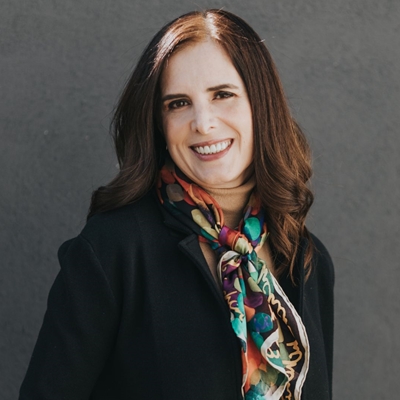
Event HFC19
Laboratory with La Chucua Récords
Pal Barrio podcast, session 1
Corporación Ruleli
Read more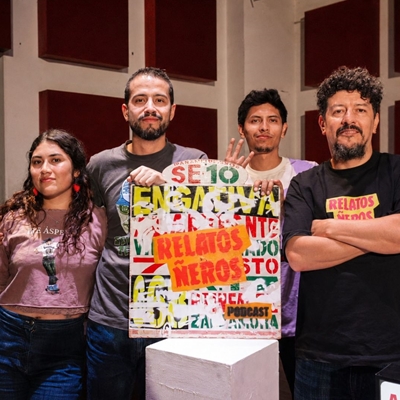
Event 20
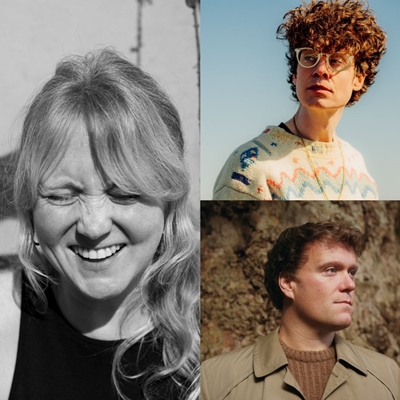
Hollie McNish and Michael Pedersen in conversation with J.S. Tennant
When the personal is also shared
Palacio de la Proclamación (Auditorio Juan José Nieto)
Read moreThe British writers Hollie McNish and Michael Pedersen find in poetry and fiction a way to express those feelings that are not always easy to talk about: shame, grief, vulnerability… They do so with a candour that avoids clichés and resonates with their readers, because writing about the personal is also a way of speaking about experiences shared by a generation. This is the case in McNish’s poetry collections Nobody Told Me and Slug, and in Pedersen’s Muckle Flugga, a novel that explores grief and masculinity, with the occasional touch of the magical – such as the ghost of Robert Louis Stevenson acting as a personal coach to a lighthouse keeper’s son. Both authors will be in conversation with J.S. Tennant.
Simultaneous interpretation from English to Spanish available
With the support of British Council
Event 21
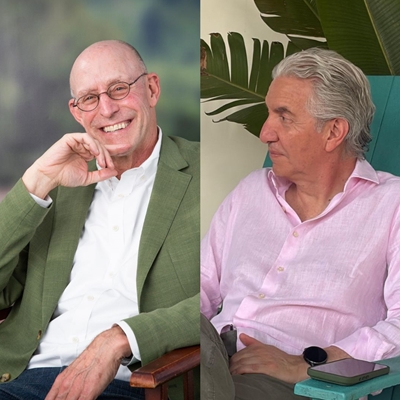
Michael Pollan in conversation with Mauricio Reina
Consciousness, much more than grey matter
Centro de Convenciones (Auditorio Getsemaní)
Read moreFor over thirty years, Michael Pollan (United States) has explored the intersections between humans and nature, covering topics as seemingly disparate as food, psychedelic substances, and home gardens. In A World Appears, he traverses the uncharted territory of consciousness, bringing together radically different perspectives —scientific, philosophical, literary, spiritual, and psychedelic— to discover what each can teach us about subjective experience. In conversation with Mauricio Reina, he will discuss how this work has taken him from a laboratory in Seattle to the mountains of New Mexico, and how full attention may be the best way to understand our own minds.
Simultaneous interpretation from English to Spanish available
Event 22
Santiago Roncagliolo in conversation with Claudia Gurisatti
The surprising rise of Leo XIV
Centro de Convenciones (Salón Barahona)
Read moreSponsored by RCN and Postobón
Event 23
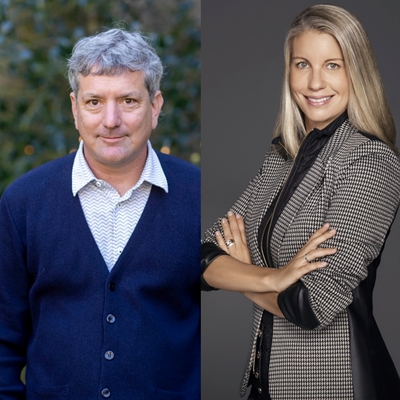
Clara E. Mattei in conversation with María Alejandra Vélez
Escaping capitalism
Teatro Adolfo Mejía
Read moreLet us start with the basics: capitalism is not inevitable. It is a system that can be replaced. Let us put forward the thesis: persistent problems such as poverty, unemployment and inflation are not flaws in the system, but fundamental characteristics of it. All the major problems of today have their roots in capitalism, an economic system that does not serve the common good. The economist Clara E. Mattei (Italy) is the author of Escape from Capitalism, in which she examines the ills of the capitalist system, just as she did in her previous essay, The Capital Order, which focused on the origins of austerity policies as a tool to counter any political and economic alternatives. She will talk to María Alejandra Vélez.
Simultaneous interpretation from English to Spanish available
Event 24
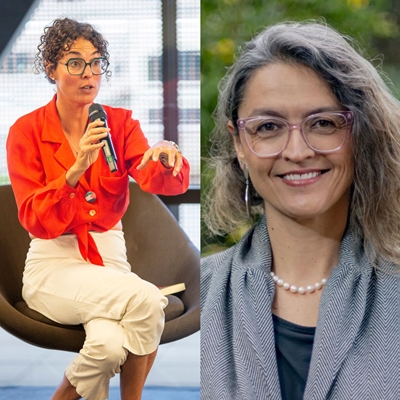
Patricio Pron in conversation with Javier García del Moral
There is a crack in everything, that's how the light gets in
Centro de Formación de la Cooperación Española (Patio)
Read moreTwo foxes stare fixedly at us from the cover of En todo hay una grieta y por ella entra la luz, by Patricio Pron (Argentina). Or are they two parts of the same fox? Two symmetrical halves that unfold within our imagination. The book, which begins as a conventional biography of the French-Romanian poet and filmmaker Benjamin Fondane, soon mutates into an essay, an autobiography, a philosophical treatise, and a series of footnotes nested within other footnotes. Literature as resistance. Pron suggests that literature is “a reservoir of possible ideas,” making this conversation with Javier García del Moral an invitation to reflect on the role of literature in our time.

Event CL3
Book club with Lucía Solla Sobral and Ana María Aponte
You will eat flowers
Casa Hay Festival SURA/Bancolombia (Centro de Convenciones)
Read moreThe Hay Festival Cartagena de Indias book clubs offer intimate gatherings with a selection of programme guests. They provide a space for in-depth discussion of their most recent works. In this session, Lucía Solla Sobral (Spain) talks to Ana María Aponte about Comerás flores.
Book to be read before attending
With the support of Acción Cultural Española, AC/E
Event HFJ9
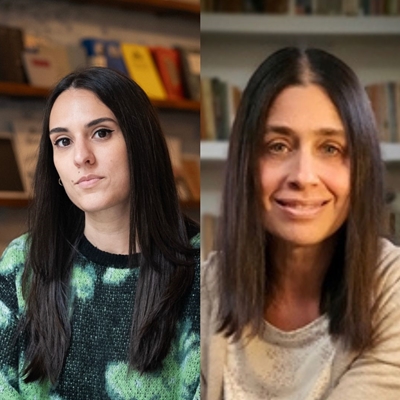
Juliana Gómez Nieto in conversation with David Lara Ramos
Our gifts
Universidad de Cartagena, Claustro de San Agustín (Biblioteca)
Read more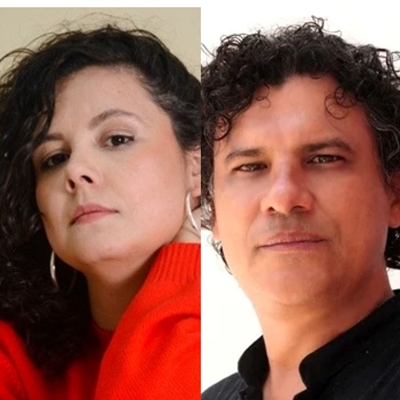
Event HFJ10
Lorena Salazar Masso in conversation with Alejandra Lorett
Where the territory also speaks
Universidad Tecnológica de Bolívar (sede Manga)
Read more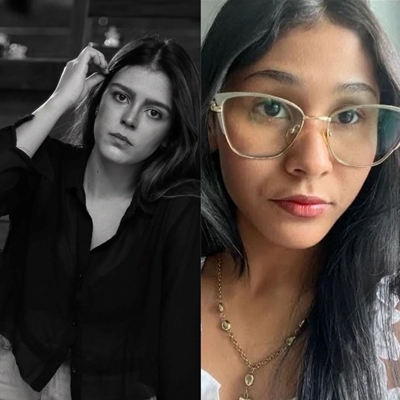
Event 26
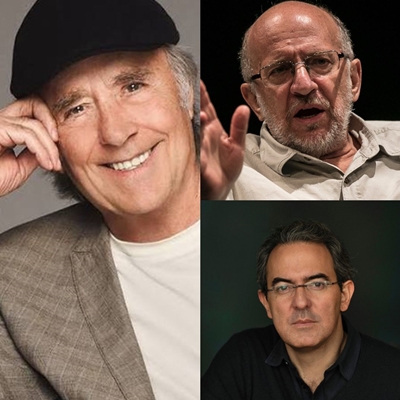
Joan Manuel Serrat in conversation with Daniel Samper Pizano and Juan Gabriel Vásquez
America ever-present
Centro de Convenciones (Auditorio Getsemaní)
Read moreBorn on the Mediterranean coast, but his thirst for freedom and his songs soon took Joan Manuel Serrat beyond his native Catalonia. He arrived in Latin America as a young man, in the dying days of the Franco regime, when censorship was targeting the most socially committed sectors of the cultural scene. Since then, the life of Serrat —who will be in conversation with Juan Gabriel Vásquez and Daniel Samper Pizano— has been one of building bridges: between Catalan and Spanish; between song and poetry, setting the works of Mario Benedetti and Miguel Hernández to music; between the Mediterranean and the Caribbean, with friendships on both sides of the Atlantic, such as those forged with Álvaro Cepeda Samudio and Gabo. All underpinned by an unequivocal commitment to the most just causes; and, of course, the sung memory of his songs. Music, memory and freedom come together in this special discussion. By the sea.
Accessibility: Colombian Sign Language interpretation
SURA and Bancolombia invite
Event 27
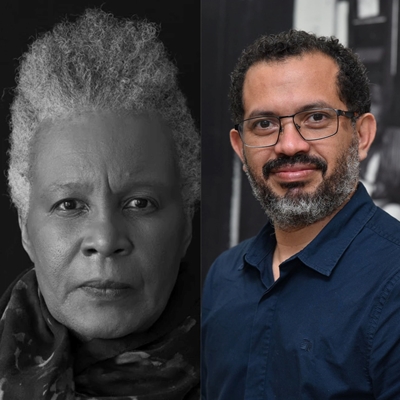
Claudia Rankine in conversation with Francisco Flórez
Citizen of a racialised country
Centro de Convenciones (Salón Barahona)
Read moreWhat does it mean to live in a racialised society that refuses to recognise itself as such? In her best-known work, Citizen: An American Lyric, Claudia Rankine (USA) blended poetry, essay and imagery to portray the intimacy and aggressions of everyday racism, and it became one of the most talked-about and studied books of the last decade in the United States. Her subsequent work, Just Us: An American Conversation, continues this exploration through essays, dialogues and reflections on whiteness, privilege and individual and collective responsibility. The poet, playwright and cultural critic will speak with Francisco Flórez about her commitment to fostering difficult yet necessary conversations.
Interpretation from English to Spanish available
With the support of Open Society Foundations
Event 28
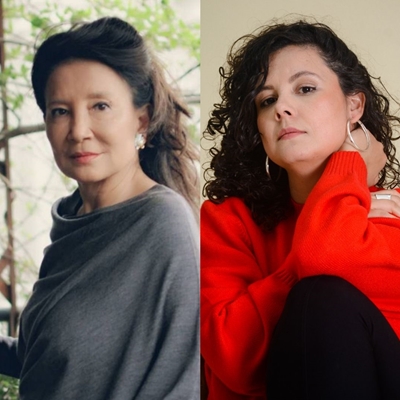
Jung Chang in conversation with Juliana Gómez Nieto
Fly, Wild Swans
Teatro Adolfo Mejía
Read moreJung Chang (China/United Kingdom) has just published the long-awaited sequel to Wild Swans, that moving memoir which told the true story of three generations of Chinese women: her grandmother, her mother and herself. A tale of life in 20th-century China that concluded in 1978, when Chang left her country to go and live in the West. More than 30 years after the publication of the original account, Fly, Wild Swans picks up the family story and that of her country of origin right up to the present day, following her life and that of her mother. China may have modernised and may no longer be as closed off as it was in the last century, but the reality is that Jung Chang’s books remain banned. She will be in conversation with Juliana Gómez Nieto.
Simultaneous interpretation from English to Spanish available
Event 29
Claudia Palacios in conversation with María Elvira Samper
Hola, mami, quiubo, mija
Centro de Formación de la Cooperación Española (Patio)
Read moreThe mother of the writer and journalist Claudia Palacios (Colombia) passed away in 2025, after thirteen years of suffering from Alzheimer’s. Hola, mami, quiubo, mija is her daughter’s way of honouring her mother’s memory, offering encouragement to carers and raising awareness of a disease that dehumanises those affected and takes its toll on their families. The book features conversations between mother and daughter and brings together advice from specialists. She will be speaking with the journalist María Elvira Samper about the importance of discussing ageing, vulnerability, grief, mother-daughter relationships, the right of people with cognitive impairment to die with dignity, and the wellbeing of those who care for them.
Event 71
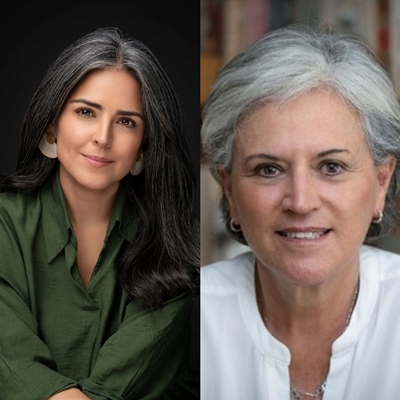
Máriam Martínez-Bascuñán in conversation with Diego Aretz
Post-truth through the eyes of Hannah Arendt
Palacio de la Proclamación (Auditorio Juan José Nieto)
Read moreReading Hannah Arendt helps us understand the world today. Returning to reflections such as "truth and politics do not get along very well, and no one, as far as I know, has ever counted truthfulness among the political virtues" one realizes that these ideas remain highly relevant at a time when the distinction between truth and falsehood is more fragile than ever. Also, the relationship between truth and democracy has become a critical political issue, and the real danger is not that a lie might be imposed as the truth, but rather that trust in the very concept of truth might vanish. In El fin del mundo común, Máriam Martínez-Bascuñán —a professor of political theory and former opinion editor at the Spanish newspaper El País— examines how we are losing the shared ground that allows citizens to come together, exchange views, and build a common political space. The challenge of "post-truth" can only be met through engagement and sharing, not by retreating into the trenches of one’s own personal creed.
All events on Sunday, January 31st will be free for people with ID from the department of Bolívar. Complimentary tickets can be requested —up to capacity— at the box office of the Hay Festival (Centro de Convenciones) showing your identification on the same day the event is taking place.
With the support of Acción Cultural Española, AC/E
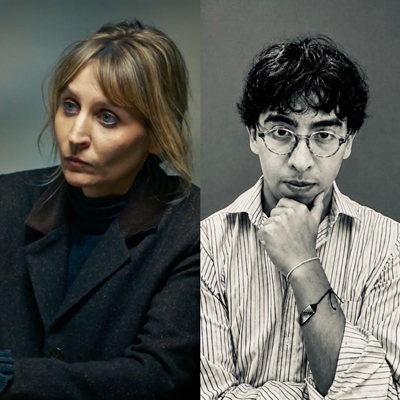
Event HFJ11
Lina María Parra Ochoa in conversation with Nicole Sánchez Castillo
Universidad de Cartagena, Claustro de San Agustín (Biblioteca)
Read moreAfter La mano que cura put us on the trail of an author unbound by convention, Una cosa salvaje que conoce la muerte is a confirmation of Lina María Parra Ochoa (Colombia). With a sensitive, beautiful and intuitive narrative, she draws the reader into thirteen harrowing stories that reveal how wounds are always open. And that is precisely what makes them so unsettling… a black spot in the sky, the dampness in a drug trafficker’s hideout, an aunt who is a nun, the fire of friends, the fluttering moth, the eyes of the killer, forty plucked hens, and nails painted red.
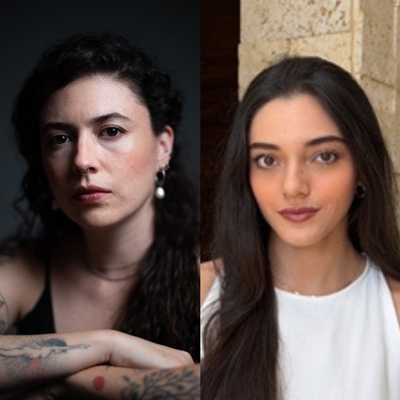
Event HFJ12
Poetry gala
Camila Charry, Viña Machado, Ana Victoria Padilla Onatra and Velia Vidal
Universidad Tecnológica de Bolívar (sede Manga) - Auditorio Jorge Taua
Read more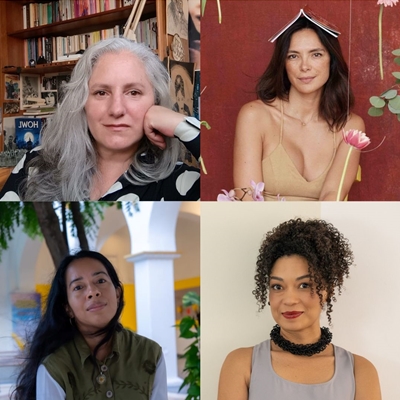
Event 31
Gisèle Pelicot in conversation with Vanessa de la Torre, with readings by Margarita Rosa de Francisco
Shame must change sides
Centro de Convenciones (Auditorio Getsemaní)
Read moreA Hymn to Life tells the story of Gisèle Pelicot (France), a woman at the center of one of the most horrifying cases of sexual violence in contemporary history. For nearly a decade, she was repeatedly drugged and raped, with the complicity of her husband and dozens of men. Fifty-one men stood trial. But this is not a story about what was done to her. It is a story about what she chose to do next. By renouncing her anonymity, Pelicot transformed a deeply personal tragedy into a universal call for justice, becoming a voice for thousands of women around the world. Her story is one of extraordinary courage, dignity, and hope in the face of unimaginable brutality. In conversation with Vanessa de la Torre, Pelicot will reflect on the testimony that resonated across the globe and the words that became a rallying cry: "Shame must change sides". Thanks to women like Gisèle Pelicot, it finally is. The event will be accompanied by readings with Margarita Rosa de Francisco.
Simultaneous interpretation from French to Spanish available
Sponsored by RCN and Postobón

Event 32
Emma Holten in conversation with Cristina Monge
The care economy
Centro de Convenciones (Salón Barahona)
Read moreA single question is all it takes for feminist activist Emma Holten (Denmark/Sweden) to shake the very foundations of mainstream economic theories: when will we stop viewing care work as a deficit in society? This question arose after she read an article claiming that women represent a ‘net deficit’ to the global economy, due to their maternity leave and part-time work. Stunned disbelief led to curiosity, and curiosity led to Deficit, in which she highlights the social contribution of care work and emphasises the need for a future that prioritises wellbeing. Because an economy that thinks only of financial gain does not lead us to a better future; it merely creates shortcomings in public and care systems. She discusses the importance of a feminist-oriented economy with Cristina Monge (Spain).
Simultaneous interpretation from English to Spanish available
Sponsored by RCN and Postobón and with the support of the Danish Ministry of Culture
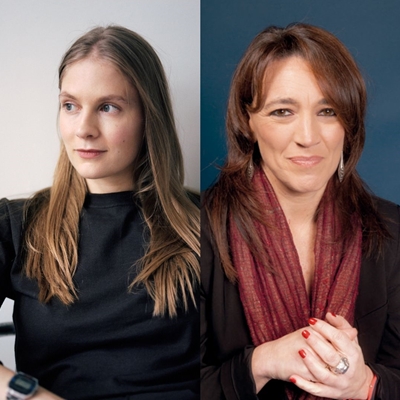
Event 33
Leonardo Padura in conversation with Francisco Flórez
Mario Conde always returns
Teatro Adolfo Mejía
Read moreMario Conde never really goes away; he has been by Leonardo Padura’s (Cuba) side for 35 years. They have grown and changed together since his first appearance in Pasado perfecto. That policeman who wanted to be a writer –sceptical and disillusioned– gradually evolved throughout Las cuatro estaciones, until he left the police force in Paisaje de otoño. Alongside him, Padura’s narrative has also transformed: as both author and character have grown older, the crime element has increasingly given way to a personal perspective on Havana. Now, in his forthcoming novel starring Mario Conde, the writer returns to his most ‘Havanese’ character to continue observing the city and its contrasts whilst unravelling a new mystery: that of a Cuban woman whose whereabouts are unknown. In conversation with Francisco Flórez.
Accessibility: Colombian Sign Language interpretation
Event 34
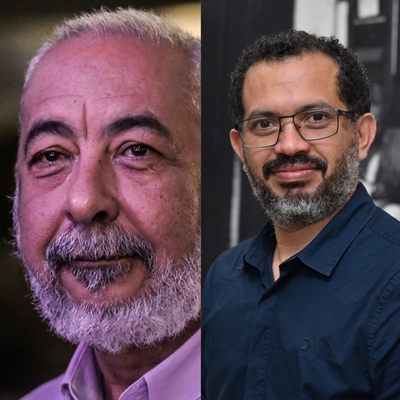
Daniel Gutiérrez Ardila and Carlos A. Lasso in conversation with José Carlos Cueto
The world’s rarest fish
Centro de Formación de la Cooperación Española (Patio)
Read moreThere is a fish that nobody has seen since 1957 and yet which scientists do not consider extinct. Or do they? The Colombian historian Daniel Gutiérrez Ardila and the Spanish biologist Carlos A. Lasso have written Historia del pez graso, in which they combine their respective perspectives to discuss this species endemic to Lake Tota, which has not been sighted for almost seven decades. In 2023, the search for it was relaunched, using new technologies such as environmental DNA – a last resort in the hunt for it. The book compiles the results of this research, which the authors will discuss with BBC Mundo journalist José Carlos Cueto to tell us whether we can now consider the graso fish to be truly extinct.
Event 35
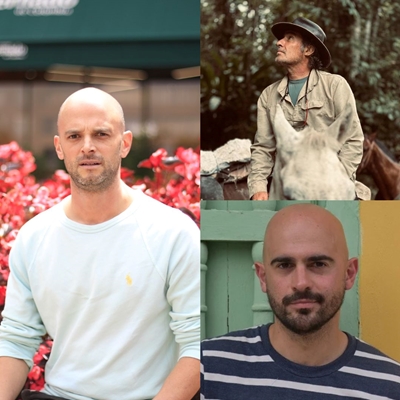
Juan Gómez Bárcena and Lina María Parra Ochoa in conversation with Fabián Buelvas
Grief has a thousand faces, and that is why it is so painful
Palacio de la Proclamación (Auditorio Juan José Nieto)
Read moreA daughter who goes missing on a school trip, a father who dies… No one ever knows when or where the breaking point lies – that threshold beyond which everything changes once it is crossed, and from which there is no turning back. Grief has a thousand faces, with its silences, remorse, inner voices, reddened eyes, insomnia, disbelief and guilt. And in each and every one of these expressions, the pain is intense. Juan Gómez Barcena (Spain) and Lina María Parra Ochoa (Colombia) base their latest novels on grief and, in conversation with Fabián Buelvas, will explore the tears that nourish literature so richly.
With the support of Acción Cultural Española, AC/E
Event HFC20
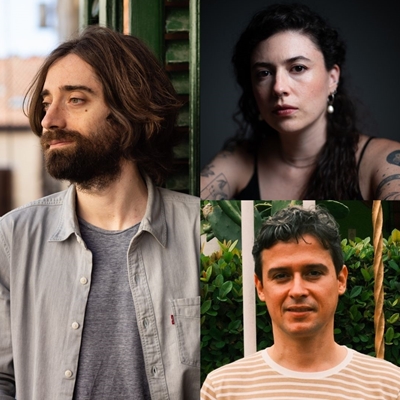
Art workshop with Orlando Gómez Larroque
My yellow butterfly
La Canoa Literaria, Tierra Baja
Read more
Event HFC21
Event with Mónica Diago
Stories that care for the planet: Invisible spies
Centro de Formación de la Cooperación Española (Biblioteca)
Read more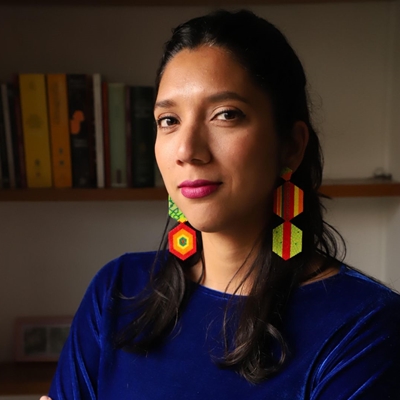
Event 36
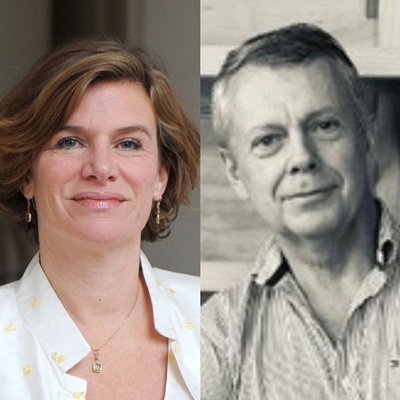
Mariana Mazzucato in conversation with Ricardo Ávila
The well-being economy: people at the centre
Centro de Convenciones (Auditorio Getsemaní)
Read moreWhile governments attempt to remedy what the markets cannot resolve, inequality continues to soar and wealth is increasingly concentrated in fewer and fewer hands, all eager for more money. The economist Mariana Mazzucato advocates a paradigm shift, with one aim: to protect people through the ‘economy of the common good’. Contrary to the tenets of neoclassical economics, The Common Good Economy, her latest book, is a roadmap for transforming the economy and a manifesto for putting it at the service of people and the planet. It offers a new way of thinking about the economy, through systems that value reciprocity and interdependence, and in which the state does not merely correct the neoliberal market, but actively pursues policies for the common good. In conversation with Ricardo Ávila.
Simultaneous interpretation from English to Spanish available
All events on Saturday, January 30th will be free for people with ID from the department of Bolívar. Complimentary tickets can be requested —up to capacity— at the box office of the Hay Festival (Centro de Convenciones) showing your identification on the same day the event is taking place.
Event 37
Héctor Abad Faciolince, Margarita García Robayo and Santiago Roncagliolo in conversation with Daniel Marquínez
Narrating and telling, the importance of literature
Centro de Convenciones (Salón Barahona)
Read moreSpanish-language literature is written on both sides of the Atlantic, and its stories flow back and forth between Latin America and Spain. The Aena Hispano-American Fiction Prize was created to promote literary creation, encourage reading, and strengthen that shared space between writers and readers on both sides of the Atlantic. The authors Héctor Abad Faciolince, a finalist in the first edition of the Aena Prize; Margarita García Robayo, winner of the Herralde Prize; and Santiago Roncagliolo, winner of the Alfaguara Novel Prize, will speak with Daniel Marquínez, director of Special Projects at the Gabo Foundation, about how recognition can influence the life of someone who practices a craft, such as literature, that helps us narrate our reality, between fiction, memory, and testimony, and on what unites today those who write and read from two continents but in the same language.
All events on Saturday, January 30th will be free for people with ID from the department of Bolívar. Complimentary tickets can be requested —up to capacity— at the box office of the Hay Festival (Centro de Convenciones) showing your identification on the same day the event is taking place.
With the support of the Aena Hispano-American Fiction Prize and Fundación Gabo
Event 38
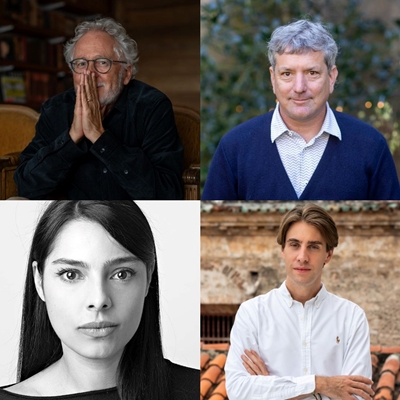
Juan Villoro in conversation with Orlando Oliveros
Gabriel García Márquez: from journalism to fiction
Teatro Adolfo Mejía
Read moreIt is said that when Gabriel García Márquez told his father he had decided to give up his law studies to become a writer and journalist, his father rebuked him with a blunt remark: ‘You’ll be eating paper’. Drawing on this family anecdote, fellow journalist and writer Juan Villoro (Mexico) weaves together the threads of Gabo’s two creative strands in Comerás papel, Gabriel García Márquez: del periodismo a la ficción. In conversation with Orlando Oliveros, he explores how the Colombian’s journalistic perspective was always fertile ground for the fiction of his narrative universe, particularly that of One Hundred Years of Solitude. Indeed, some of his most memorable books emerged from his observation of reality.
Accessibility: Colombian Sign Language interpretation
All events on Saturday, January 30th will be free for people with ID from the department of Bolívar. Complimentary tickets can be requested —up to capacity— at the box office of the Hay Festival (Centro de Convenciones) showing your identification on the same day the event is taking place.
Event 39
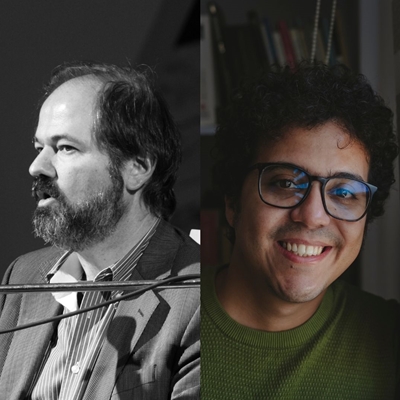
María Elvira Samper and Yolanda Ruiz in conversation with Catalina Gómez Ángel
The menopausic
Centro de Formación de la Cooperación Española (Patio)
Read moreYolanda Ruiz and María Elvira Samper are two of the country’s most renowned journalists. They are women, aged 61 and 79 respectively, and are therefore menopausic. So what? After all, the menopause is nothing more than a natural stage in a woman’s life. For the past two years, the pair have been the creators of Las menopáusicas, one of the country’s most popular video podcasts, in which they conduct in-depth interviews with prominent women to discuss this stage of their lives, as well as their private and public lives. In conversation with fellow journalist Catalina Gómez Ángel, they will discuss this programme they have created, which aims to break down taboos, myths and stereotypes surrounding the menopause and post-menopause.
All events on Saturday, January 30th will be free for people with ID from the department of Bolívar. Complimentary tickets can be requested —up to capacity— at the box office of the Hay Festival (Centro de Convenciones) showing your identification on the same day the event is taking place.
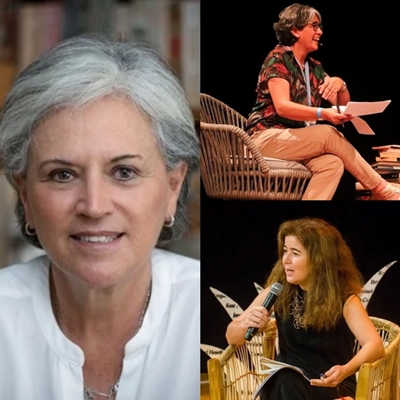
Event 40
Lana Corujo and Lorena Salazar Masso in conversation with Elianna Kan
Fictional tensions, no holds barred
Palacio de la Proclamación (Auditorio Juan José Nieto)
Read moreLana Corujo (Spain) and Lorena Salazar Masso (Colombia) are two of the most prominent figures among the new generation of female writers making a strong impact in the book world. Unencumbered by some of the constraints faced by their predecessors, they explore stories from diverse angles — inhabiting the margins and engaging with those who dwell there. Novels such as Esta herida llena de peces and Maldeniña by Salazar Masso, and Han cantado bingo by Corujo, are clear examples of this. These works feature a latent tension that intensifies as the narrative unfolds; they encompass the transmission of traditional knowledge, superstitions, and unconventional family dynamics — all while maintaining a persistent dichotomy between tenderness and raw, unvarnished reality. They will be in conversation with Elianna Kan.
All events on Saturday, January 30th will be free for people with ID from the department of Bolívar. Complimentary tickets can be requested —up to capacity— at the box office of the Hay Festival (Centro de Convenciones) showing your identification on the same day the event is taking place.
With the support of Acción Cultural Española, AC/E
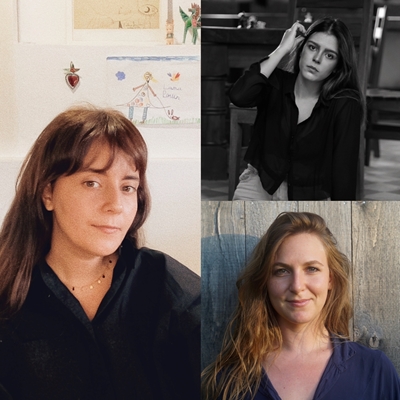
Event HFC22
Hollie McNish in conversation with Rosmery Armenteros
What we never tell: poetry, the body and everyday life
Institución Educativa Politécnico del Pozón
Read moreSimultaneous interpretation from English to Spanish available
With the support of the British Council
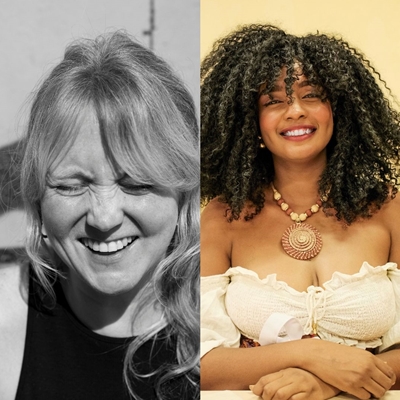
Event HFC23
Bird illustration workshop with Raeioul
From the skies to paper
Ludoteca Sonrisas de Cartagena - Nelson Mandela
Read more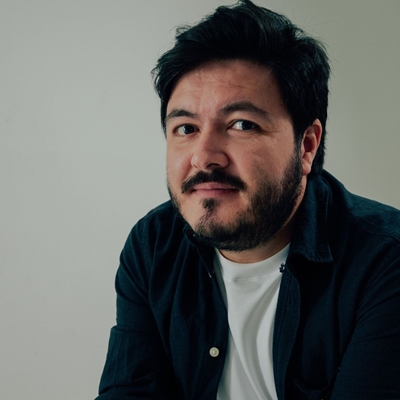
Event HFJ13
Miguel Velárdez in conversation with Davide Riccardi
Writing about a mining town in southern Patagonia
Universidad de Cartagena, Claustro de San Agustín (Biblioteca)
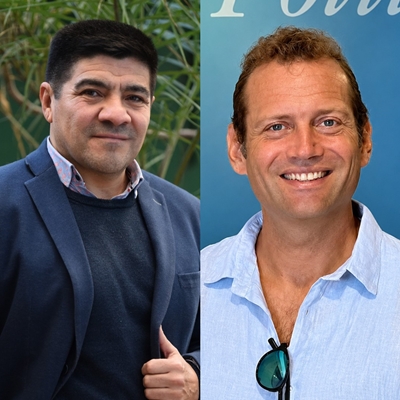
Read moreThe Argentine journalist Miguel Velárdez won the 2024 Michael Jacobs Grant for Travel Writing for his Migrantes viajeros project. This project has culminated in the book of narrative nonfiction Pisar el hielo negro, for which he travelled to southern Patagonia to chronicle the lives of its inhabitants. The author delves into the daily existence of the residents of Río Turbio — a mining town where the air is frigid and thick with coal dust. Velárdez explores a world of extreme contrasts, recounting the everyday struggles of those who face harsh climatic and social conditions on a daily basis. In the author’s own words: "I arrived in search of stories about migrants, and instead found an epic poem written in coal, in the stubborn memory of its inhabitants."
Event HFC24
Fanzine laboratory with Rodrigo Paredes
Pocket-sized stories 1
Biblioteca Popular de Playa Blanca
Read more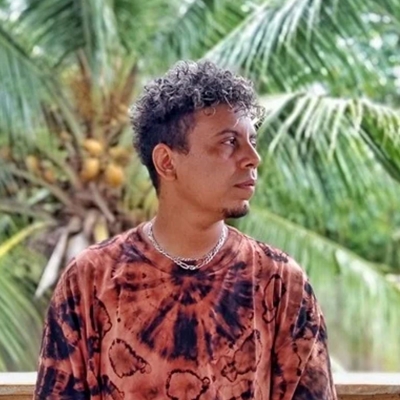
Explore All Genres
- Afrodescendencias
- Latin America
- Adventure
- Architecture
- Arts & Culture
- Biography
- Children
- Crime
- Culture
- Economics
- Education
- Equality
- Fiction
- Film
- Food & Travel
- Futures
- Gender
- Geography
- Heritage
- History
- Human Rights
- Ideas
- Indigenous Cultures
- Journalism
- Literature
- Memoir
- Music
- Nature & Environment
- Performance
- Philosophy
- Philosophy & Religion
- Photography
- Podcast
- Poetry
- Politics
- Psychology
- Science
- Society & Health
- Spanish Language
- Technology
- Theatre
- Thinking
- Travel
- World Affairs

Partner for Latin America

Principal Sponsors


Government Partners