Hay Festival Querétaro 2023
El Hay Festival Querétaro 2023 se celebró del 7 al 10 de septiembre. Con más de 105 actividades con 151 participantes procedentes de 20 países, y con eventos del Hay Joven, Hay Festivalito, Hay Delegaciones y Talento Editorial, además de dos actos en Cadereyta.
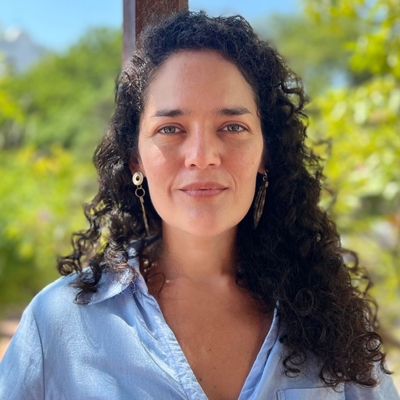
Evento HFPM1
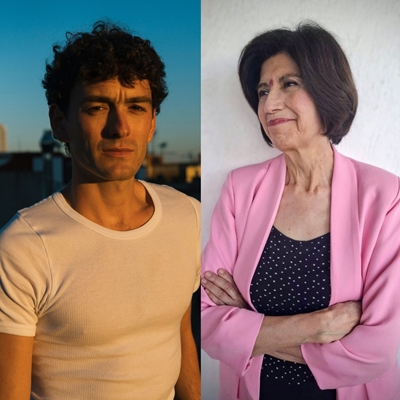
Cristina Bendek en conversación con Yunuen Tapia Torres
Otras historias del Archivo de Indias
UNAM Centro Cultural Morelia
Ver másCoorganizado con ENES Morelia-UNAM y con el apoyo de CAF
Evento HFPM2
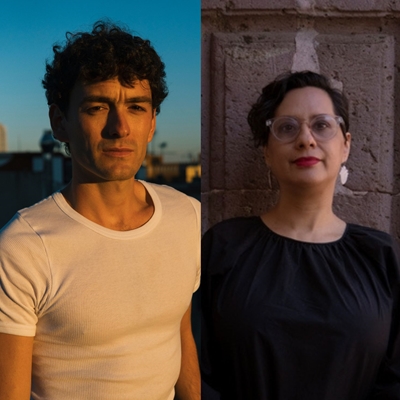
Pol Guasch en conversación con Mara Rahab Bautista López
Palabras para decir adiós
Librería Traspatio
Ver másCon el apoyo del Instituto Ramon Llull
Evento HFPM3
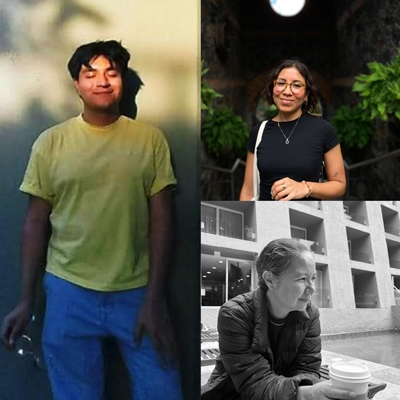
Alfredo Guzmán Cayetano en conversación con Karla Cerriteño Chávez y Sue Meneses Eternot
Te encontraré en el bonrro, Mizhokjimi mío
UNAM Centro Cultural Morelia
Ver másDesde hace años la UNAM busca dar a conocer la riqueza lingüística, estilística y geográfica que distingue a la literatura mexicana con ediciones bilingües en español y en lenguas originarias. El autor mazahua Alfredo Guzmán Cayetano, ganador del Premio Poesía Joven UNAM-SECTEI 2025, dialoga con Karla Cerriteño Chávez, egresada de la licenciatura de Literatura Intercultural de la UNAM ENES Morelia, y Sue Meneses Eternot, profesora de tiempo completo de la licenciatura en Literatura Intercultural de la UNAM ENES Morelia, sobre Te encontraré en el bonrro, Mizhokjimi mío, primer poemario bilingüe que se publica en la colección Premio de Poesía Joven UNAM-SECTEI, una iniciativa editorial que estimula la creación literaria entre jóvenes.
Coorganizado con ENES Morelia-UNAM
Evento HFPM4
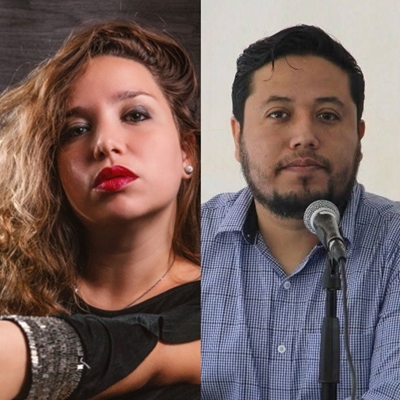
Elaine Vilar Madruga en conversación con Luis Felipe Rodríguez
El horror de la selva
UNAM Centro Cultural Morelia
Ver másCoorganizado con ENES Morelia-UNAM
Evento HFC1
Encuentro con Elaine Vilar Madruga
Un globo rojo en tu ventana
DIF Carmelita Ballesteros
Ver másLa prolífica autora cubana Elaine Vilar Madruga conversará con un grupo de estudiantes de secundaria sobre Un globo rojo en tu ventana. Además de hablar sobre el libro, les compartirá secretos de su proceso creativo como escritora y consejos varios para que los jóvenes aprendan a crear sus propias historias.

Evento HFC2
Pol Guasch en conversación con Margarita Aguilar Urbán
Sobre el duelo
DIF Plan Vida
Ver másCon el apoyo del Instituto Ramon Llull
Evento HFC4
Paulina Chavira Mendoza y Juan Jesús Garza Onofre en conversación con Diana González
Otro futbol es posible
Casa de la Cultura Epigmenio González
Ver más
Evento HFJ1
Darío Sztajnszrajber en conversación con Alejandro Ocampo Almazán
El amor es imposible
Tec de Monterrey, Punto Blanco
Ver más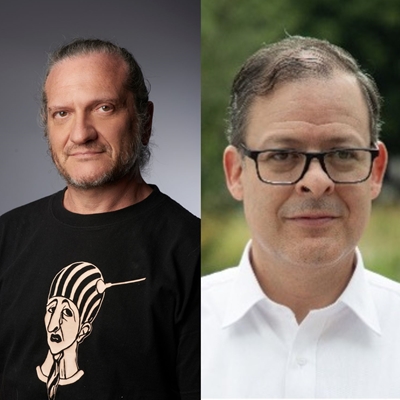
Evento HFC5
Taller de contenido digital con Jorge Hernández
Laboratorio de narrativa digital
COBAQ, Delegación Santa Rosa Jáuregui
Ver más
Evento HFJ3
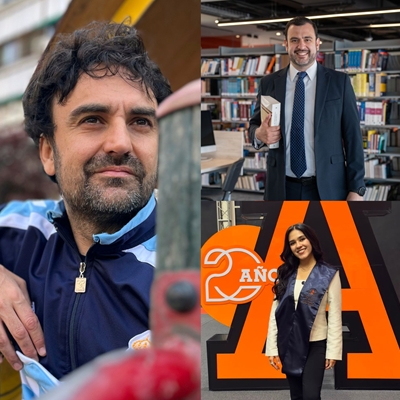
Manuel Marsol en conversación con Andrés Ocadiz y Paulina Oropeza
Encontrar al padre en el cielo y las estrellas
Universidad Anáhuac
Ver másEl padre de Manuel Marsol (España) falleció cuando este tenía solo 11 años. Un hecho que ha marcado la obra del ilustrador, que muestra afecto y agradecimiento a su progenitor desde los recuerdos y la fantasía. Lo hizo con el álbum ilustrado Astro, en una alegoría sobre el amor entre un padre y un hijo contada por un astronauta náufrago que se encuentra en un planeta lejano bajo la tutela de un alienígena. Y lo hace ahora con El cielo en casa, donde la foto de un penal que lanzó su padre en 1970, en el que el balón está suspendido en el aire sin posibilidad de saber si fue gol, es el detonante para indagar en la memoria infantil —una canción, unas películas o el penalti que mandó Roberto Baggio a las nubes—, las preguntas sin respuesta y las esferas girando en el espacio eternamente.
Con el apoyo de Acción Cultural Española, AC/E
Evento HFJ4
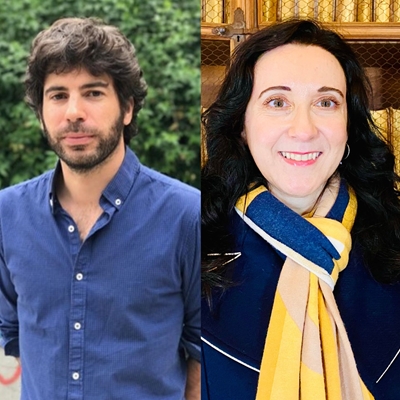
Javier Serena en conversación con Silvia Ruiz Tresgallo
De literatura, despedidas y procesos creativos
UAQ, Biblioteca Campus Centro Histórico - Dirección General de Bibliotecas y Servicios Digitales de Información
Ver másEl español Javier Serena es el director de la aclamada revista de crítica literaria y pensamiento Cuadernos hispanoamericanos, especializada en literatura en español de ambos continentes. Es además autor de varias novelas, la más reciente Apuntes para una despedida, la historia de una relación marcada por el deseo, la frustración y la inevitable pérdida. Hablará con Silvia Ruiz Tresgallo (México) sobre la conjunción de su trabajo editorial y de la creatividad detrás de sus obras de ficción.
Evento HFJ5
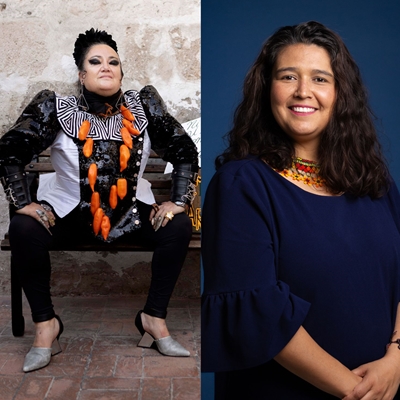
María Galindo en conversación con María Michelle Villanueva Moreno
Feminismos: militar, provocar, actuar
UAQ, Facultad de Filosofía (Anfiteatro El Molcajete), Campus Aeropuerto
Ver másDefinir a María Galindo (Bolivia) es hablar de anarcofeminismo, del movimiento Mujeres Creando, del concepto «tecnochamana», y de libros como Feminismo bastardo, Ninguna mujer nace para puta o No se puede descolonizar sin despatriarcalizar. De ocupar la calle como trinchera, de desacralizar el academicismo y disputar el feminismo desde el sur y la periferia; de activismo, militancia y provocación. Hay muchas «Galindos» en esta autora inabarcable, de la que conoceremos más en esta conversación con María Michelle Villanueva Moreno (México).
Con el apoyo de Open Society Foundations
Evento HFJ6
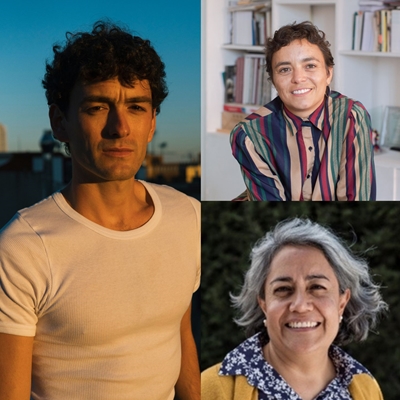
Pol Guasch en conversación con Paulina Macías
Palabras para decir adiós
Tec de Monterrey, Punto Blanco
Ver másCon el apoyo del Instituto Ramon Llull
Evento HFJ7
Rosa Ramírez Mazaheri en conversación con Iliana Padilla
Fragmentos de una identidad fronteriza
UNAM ENES - Nivel 1 del CID
Ver más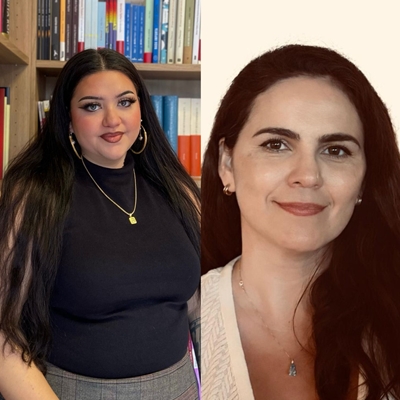
Evento HFJ8
Liliana Blum en conversación con Felipe Bohorquez
Universidad Anáhuac
Ver másEn un país en el que la literatura a menudo aborda las violencias más horrendas de su sociedad, Liliana Blum (México) sorprendió a todos haciendo lo propio con el aspecto más sórdido de la naturaleza humana. Pandora exploraba parafilias sexuales, perversiones y relaciones plagadas de abuso, gordofobia y complicidad social. Más adelante ha seguido escarbando en lo escabroso con El monstruo pentápodo y en Cara de liebre. Una década después, acaba de reeditar Pandora, con un prólogo escrito por ella y con capítulos inéditos. Una oportunidad inmejorable para reabrir la caja de lo monstruosamente humano.
Evento HFJ9
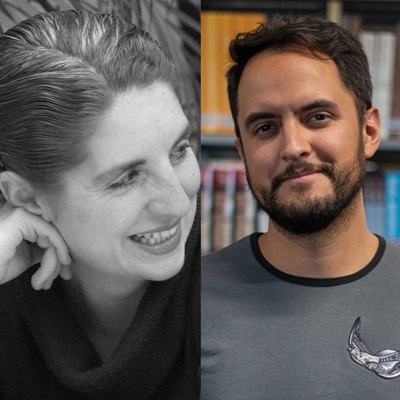
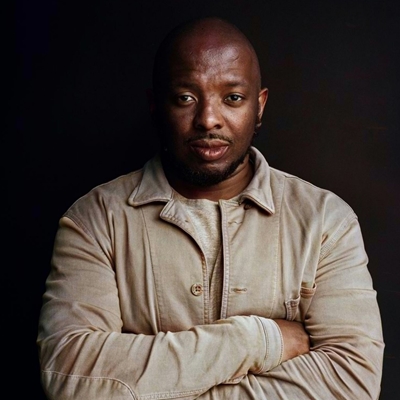
Taller de escritura poética creativa con Nick Makoha
Reenfocar la mirada
UNAM ENES - Nivel 1 del CID
Ver másLa creatividad está en el día a día; en las disciplinas que cursamos y en el conocimiento que adquirimos. Ciencia, matemáticas, ingenierías, psicología, artes... todo deriva en la imaginación. Es por ello que la poesía puede abrirnos a nuevas formas de pensar y ser proclive a que reenfoquemos nuestra mirada. El poeta británicougándes Nick Makoha ofrece un taller de escritura poética creativa en el que dialogará con las y los participantes, ofrecerá material de lectura y generará un espacio para que cada cual estimule su creatividad. Un taller en el que lenguaje, memoria, observación y narración de historias serán la vía para explorar el mundo que habitamos.
Evento en inglés
Evento HFJ2
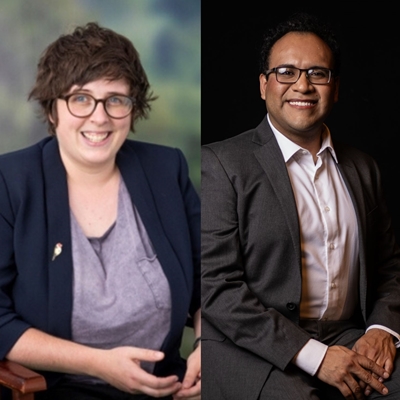
Eley Williams en conversación con Germán González
Jugando con las palabras
UAQ, Biblioteca Campus Centro Histórico - Dirección General de Bibliotecas y Servicios Digitales de Información
Ver másSeleccionada por la revista Granta en 2023 como una de las mejores novelistas británicas, Eley Williams es ya más una certeza que una promesa gracias a libros de relatos como Attrib. And Other Stories y la novela El diccionario del mentiroso, elegida por The Guardian como uno de los mejores libros del 2021 y ganadora del Premio Betty Trask. Una autora que siempre le da protagonismo al lenguaje, que juega con los registros y cambios de ritmo, y que experimenta desde un humor tan particular como contagioso.
Evento en inglés
Con el apoyo del British Council
Evento HFJ10
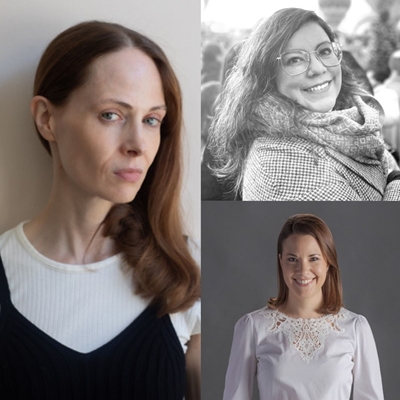
Gwendoline Riley en conversación con Raquel Ortiz Ledesma y María José Vázquez de la Mora
Fantasmas familiares
Tec de Monterrey, Punto Blanco
Ver másUn vínculo que une y desune a una hija y a su madre, una conexión que oscila entre lo frustrante y lo frustrado, entre el cariño, la crueldad, la ternura y el rencor mutuo. La relación entre Helen Grant y su hija Bridge que Gwendoline Riley (Reino Unido) dibuja en Entre fantasmas no es de color de rosa, está repleta de complejidades y de una pregunta que sirve para seguir pasando sus páginas: ¿por qué las cosas nunca terminaron de funcionar? Sobre la realidad incómoda de algunas relaciones familiares conversará con Raquel Ortiz Ledesma y María José Vázquez de la Mora.
Evento en inglés
Con el apoyo del British Council
Evento HFC3
Taller con Gustavo Puerta Leisse
Sentimientos encontrados
LEO AC - Centro Comunitario Montenegro AC
Ver másCon el apoyo de Acción Cultural Española, AC/E
Evento HFJ12
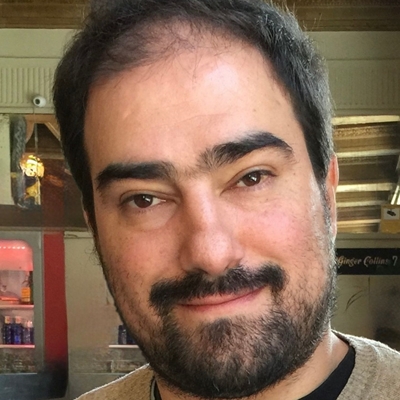
Cristina Monge en conversación con Luis Alberto Fernández
Contra el descontento
UAQ, Biblioteca Campus Centro Histórico - Dirección General de Bibliotecas y Servicios Digitales de Información
Ver másLa española Cristina Monge es la actual ganadora del Premio Paidós de ensayo por Contra el descontento. En él, analiza los principales desafíos del siglo, como la precariedad, la soledad digital y la desafección hacia las instituciones y sus representantes. La autora determina que vivimos en un descontento profundo que pone en entredicho la convivencia democrática; una lectura crítica que culmina, no obstante, con una mirada esperanzadora hacia ese malestar colectivo: si recuperamos la conversación pública, si defendemos los hechos ciertos y reconstruimos un nuevo contrato social, reforzaremos la democracia.
Con el apoyo de Acción Cultural Española, AC/E
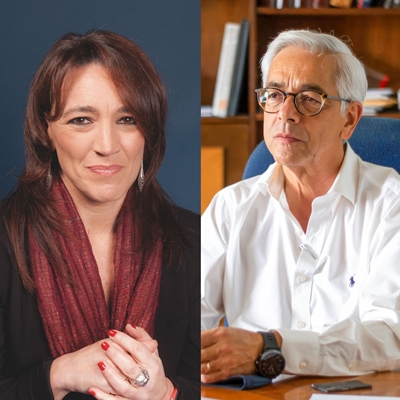
Evento HFJ13
Jesús Ramírez-Bermúdez en conversación con Marie Bedos
Donde inicia la creatividad
UNAM ENES - Nivel 4 del CID
Ver más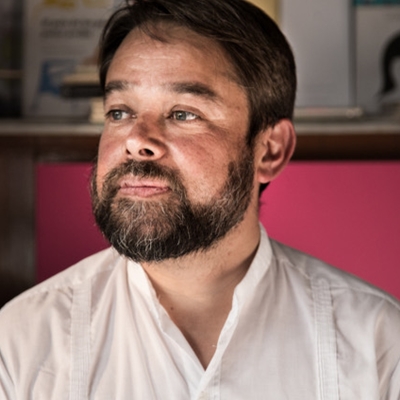
Evento HFJ11
Pedro Salazar Ugarte en conversación con César Andrés García Sánchez
El poder en la era de la IA
UAQ, Auditorio José Arana Morán de la Facultad de Derecho (Campus Centro Universitario)
Ver más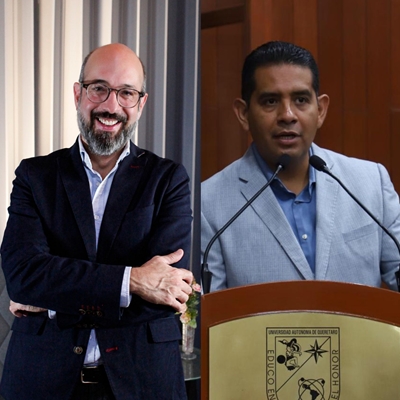
Evento HFC6
María Galindo en conversación con Connie Garrido Sicilia
Feminismos: militar, provocar, actuar
Casa de la Cultura Cayetano Rubio
Ver másDefinir a María Galindo (Bolivia) es hablar de anarcofeminismo, del movimiento Mujeres Creando, del concepto «tecnochamana», y de libros como Feminismo bastardo, Ninguna mujer nace para puta o No se puede descolonizar sin despatriarcalizar. De ocupar la calle como trinchera, de desacralizar el academicismo y disputar el feminismo desde el sur y la periferia; de activismo, militancia y provocación. Hay muchas «Galindos» en esta autora inabarcable, de la que conoceremos más en esta conversación con Connie Garrido Sicilia.
Con el apoyo de Open Society Foundations
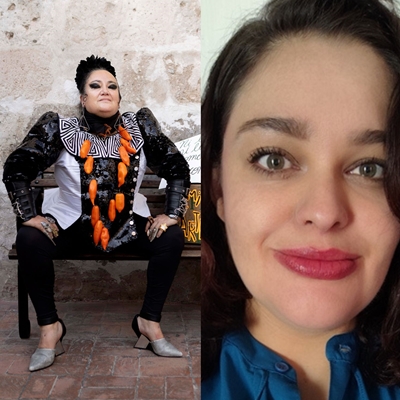
Evento 1
María Dueñas en conversación con Romina Pons
Cartógrafa de historias
Teatro de la Ciudad
Ver másInvita SURA
Evento 2
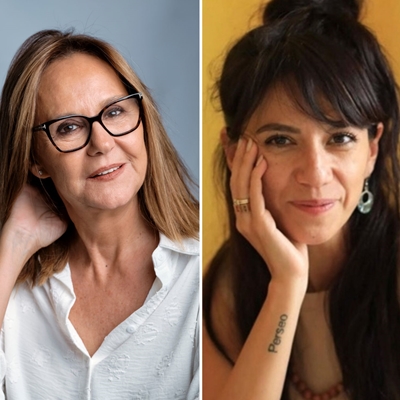
Connie Garrido Sicilia y Elaine Vilar Madruga
Pódcast Hay Festival en español: Nuevos sueños americanos
Casa Hay Festival — SURA (patio francés)
Ver más¿Existe el sueño americano? Hoy el concepto no brilla tanto como antaño, y la idea se ha dispersado en nuevos sueños americanos, una serie de miradas alternativas que responden a las muchas realidades que conviven en el continente. Ven a conocer cómo se graba en directo un episodio del pódcast Hay Festival en español, y escucha las reflexiones de Connie Garrido Sicilia y Elaine Vilar Madruga sobre las nuevas narrativas al escribir y vivir.
Conducen: Iñaki Lasa Etura, Carlos Millet y Luis Pérez
Guion: BullterrierFM y Hay Festival Internacional
Producción: BullterrierFM
Con el apoyo de Open Society Foundations
Evento HFC7
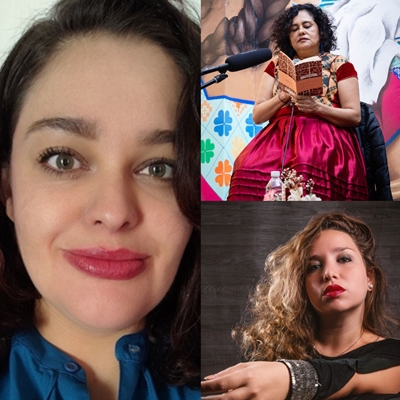
Taller con Manuel Marsol
Astro
Zorro Rojo
Ver másEl padre de Manuel Marsol (España) falleció cuando este tenía solo 11 años. Ese trágico suceso tiene eco en la obra del ilustrador, que evoca su recuerdo de una forma positiva, desde los recuerdos y la fantasía. El álbum ilustrado Astro es una alegoría sobre el amor entre un padre y un hijo contada por un astronauta náufrago que se encuentra en un planeta lejano bajo la tutela de un alienígena. Los asistentes harán un dibujo colectivo con el autor inspirado en los paisajes y personajes del libro.
Con el apoyo de Acción Cultural Española, AC/E
Evento HFC9
Recorrido Caminalee
Descubriendo la Alameda
Alameda Hidalgo
Ver másDescubriendo la Alameda es un programa de aprendizaje vivencial diseñado bajo la metodología Caminalee, cuyo propósito es despertar la curiosidad de niñas y niños por la biodiversidad urbana, fortalecer su sentido de pertenencia y promover el cuidado del patrimonio natural a través de experiencias que integran narrativa, exploración, observación y creatividad. Los participantes recorrerán la Alameda Hidalgo como verdaderos exploradores, descubriendo que este espacio histórico alberga una sorprendente riqueza de árboles, aves y vida silvestre que muchas veces pasa desapercibida. La actividad combina caminata interpretativa, lectura, observación guiada y actividades prácticas que permiten transformar el conocimiento en una vivencia significativa.
Para participar en esta actividad, por favor inscribirse en este formulario
Evento 3
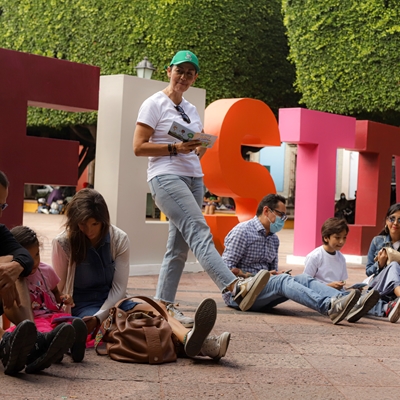
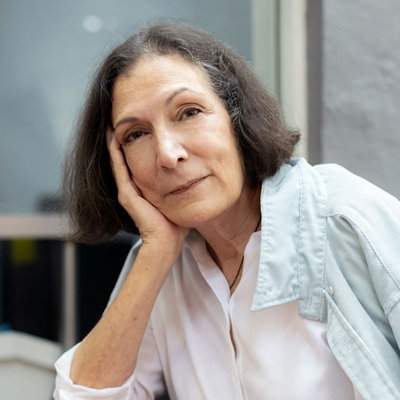
Alma Guillermoprieto en conversación con Javier Lafuente
Evento El País
Teatro de la Ciudad
Ver másEsta improbable tierra prometida es la crónica viva de un continente. Es América Latina desde los ojos y pluma de la cronista Alma Guillermoprieto (México). Es un compendio de violencias, poder y belleza, que conforma su tercer volumen de crónicas dedicadas a la región y completa un retrato de tragedia y gloria en la era del populismo y la demagogia. Son entrevistas a asesinos y a los familiares de sus víctimas; son conversaciones con políticos reflexivos y mandatarios; y con artistas, barrenderos… Es América Latina estos últimos años. En conversación con Javier Lafuente.
Evento 4
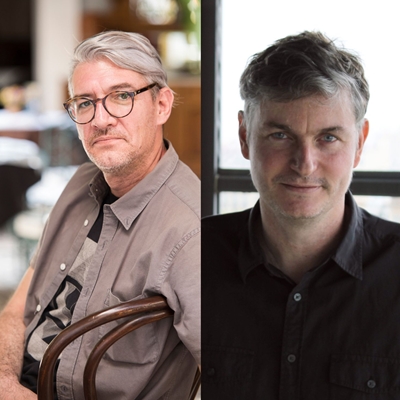
Emiliano Monge en conversación con Enrique Díaz Álvarez
Cineteca Rosalío Solano
Ver másEn lengua privada es una colección de relatos de Emiliano Monge que difumina los límites entre la ficción y la no ficción. Sí, relatos, escrito en cursiva, porque el autor de Los vivos, No contar todo y Las tierras arrasadas construye los textos de este libro con estrategias propias del ensayo, la crónica o la biografía, al tiempo que juega con el lenguaje, las ideas y la experiencia.
Evento 5
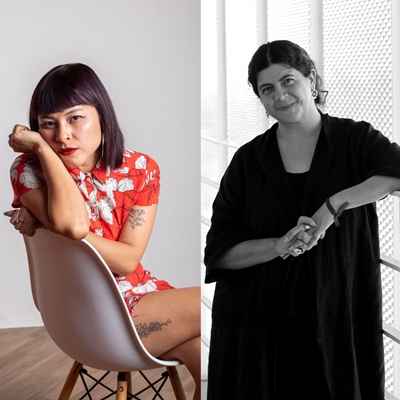
Paulina Chavira Mendoza y Juan Jesús Garza Onofre en conversación con Sopitas
Otro futbol es posible
Jardín Guerrero
Ver másYa terminó la Copa Mundial de Fútbol masculino 2026. España se llevó el título en el que quizás fue el último baile de Messi y Ronaldo; México volvió a hacernos soñar… Pero paremos un momento y miremos al futbol con distancia crítica: racismo y homofobia en las canchas y gradas; violencia amparada en la pasión y una corrupción estructural descarada. En Otro futbol es posible, Paulina Chavira Mendoza y Juan Jesús Garza Onofre no solo señalan esas fallas, sino que proponen alternativas —muchas inspiradas en el futbol femenil— para un juego más justo y humano.
Accesibilidad: interpretación en Lengua de Señas Mexicana (LSM)

Evento CL1
Club del libro con Iveth Luna Flores y Paula Astorga
Neblina afuera
Casa Hay Festival — SURA (salón lateral)
Ver másLos clubes de lectura del Hay Festival Querétaro ofrecen encuentros cercanos con una selección de participantes del programa. Son espacios para dialogar en profundidad sobre sus obras más recientes. En esta sesión, Iveth Luna Flores (México) platica con Paula Astorga sobre Neblina afuera.
Imprescindible haber leído el libro
Evento 6
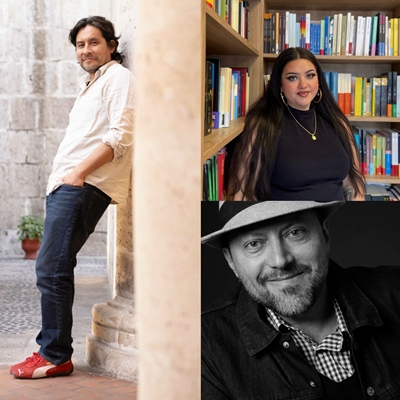
Jeremías Gamboa, Rosa Ramírez Mazaheri y Martín Solares
Pódcast Hay Festival en español: Nuevos sueños americanos
Casa Hay Festival — SURA (patio francés)
Ver más¿Existe el sueño americano? Hoy el concepto no brilla tanto como antaño, y la idea se ha dispersado en nuevos sueños americanos, una serie de miradas alternativas que responden a las muchas realidades que conviven en el continente. Ven a conocer cómo se graba en directo un episodio del pódcast Hay Festival en español, y escucha las reflexiones de Jeremías Gamboa, Rosa Ramírez Mazaheri y Martín Solares sobre la búsqueda de la identidad en la literatura.
Conducen: Iñaki Lasa Etura, Carlos Millet y Luis Pérez
Guion: BullterrierFM y Hay Festival Internacional
Producción: BullterrierFM
Con el apoyo de Open Society Foundations
Evento HFC10
Taller de narración oral con Carolina Zúñiga Zúñiga
Historia, música y movimiento del México profundo
En el Semáforo se Aprende
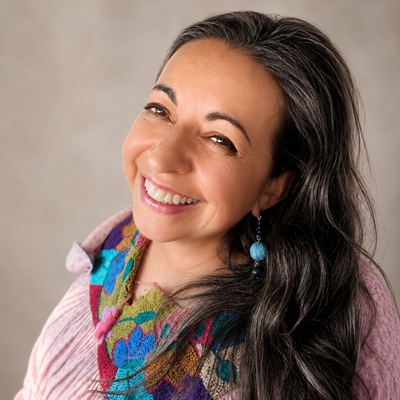
Ver más¿A qué sonaba México antiguamente? Al tambor de agua, a los tambores yokotan, a la trompeta de caracol maya, el caparazón de tortuga cora, las jaranas jarocha y huasteca… Carolina Zúñiga Zúñiga descubrirá a las infancias asistentes cómo eran (y son) las agrupaciones e instrumentos musicales indígenas y campesinas, mediante un taller participativo, en el que el público escuchará dichos instrumentos, los tocará, bailará a su ritmo, e incluso zapateará durante la narración musicalizada del cuento Bemberecua de Honorio Robledo.
Evento HFC11
Presentación de cuentos y dibujos La Otra Bandita
Imaginando al hijo o hija de Donxu
La Otra Bandita
Ver más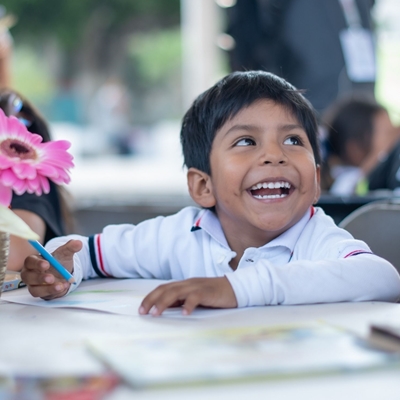
Evento 8
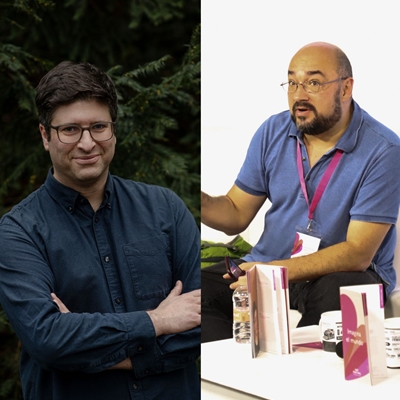
Shaun Walker en conversación con Juan Carlos Pérez
Los ilegales
Cineteca Rosalío Solano
Ver másLos ilegales, escrito por Shaun Walker (Reino Unido), corresponsal en Europa central y del este para The Guardian, es la historia del programa de espionaje más secreto y longevo de Rusia. Nacido tras la revolución bolchevique y aún activo en la actualidad, este sistema infiltró durante más de un siglo a ciudadanos y ciudadanas de origen soviético —y a agentes reclutados en el extranjero— en otros países para que se integraran en su vida cotidiana. El programa, que proporcionaba identidades falsas a sus activos, buscaba ganarse la confianza de quienes les rodeaban y obtener información clave para el gobierno. En conversación con el periodista de BBC Mundo Juan Carlos Pérez (Colombia), Walker dialoga sobre estos espías llamados «ilegales».
Se ofrecerá interpretación simultánea del inglés al español
Evento 9
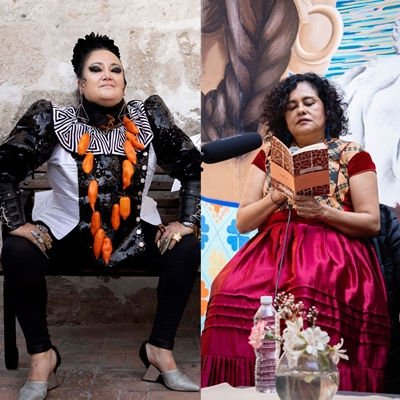
María Galindo en conversación con Natalia Toledo
Conversaciones sur a norte
Jardín Guerrero
Ver másDefinir a María Galindo (Bolivia) es hablar de anarcofeminismo, del movimiento Mujeres Creando, del concepto «tecnochamana», y de libros como Feminismo bastardo, Ninguna mujer nace para puta o No se puede descolonizar sin despatriarcalizar. De ocupar la calle como trinchera, de desacralizar el academicismo y disputar el feminismo desde el sur y la periferia; de activismo, militancia y provocación. Hay muchas «Galindos» en esta autora inabarcable, de la que conoceremos más en esta conversación con Natalia Toledo.
Con el apoyo de Open Society Foundations

Patrocinador principal





Aliado para América Latina

Patrocinador Colón, Huimilpan y Morelia