Hay Festival Cartagena 2027
The twenty-second edition of Hay Festival Cartagena de Indias will be held from January 28 to 31. On this page you can find the events in the general programme, as well as Hay Festival Joven activities for university audiences, Hay Festival Comunitario sessions which take place in different areas of Cartagena, and Reading Clubs.
For any inquiries, please contact tickets@hayfestival.org and contacto@hayfestival.org.
Event 79
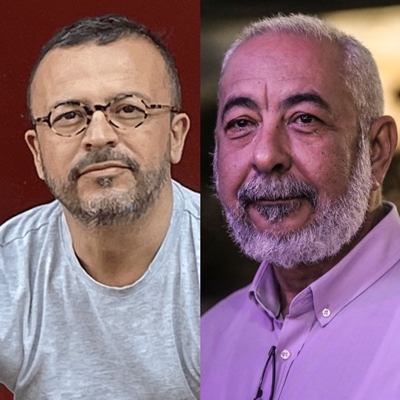
Iván Onatra in conversation with Leonardo Padura
Lorca York: the walls are poems
Centro Formación de la Cooperación Española (patio)
Read moreFederico García Lorca’s stay in New York between 1929 and 1930 was not easy. The Spanish poet arrived enveloped in loneliness and sadness, and the contradictions of the Big Apple only intensified that sense of displacement. This experience, which served as the genesis for Poeta en Nueva York , also forms the basis of Lorca York — an acclaimed project by the Colombian artist Iván Onatra that recently met with great success at the Monterrey International Book Fair. Onatra reinterprets Lorca’s raw verses through a modern lens, using 200 photographs that capture the city’s soul; graffiti, signs, and faces engage in a highly original dialogue with the poet’s words and emotions. In this conversation with the Cuban writer Leonardo Padura, Onatra will discuss the figure of Lorca, the importance of observing our surroundings with curiosity, and the poetry that lies hidden within cities.
All events on Sunday, January 31st will be free for people with ID from the department of Bolívar. Complimentary tickets can be requested —up to capacity— at the box office of the Hay Festival (Centro de Convenciones) showing your identification on the same day the event is taking place.
Event HFC28
Workshop with Brillith Sossa
Neighbourhoods also tell stories
Corporación Ruleli
Read more
Event 69
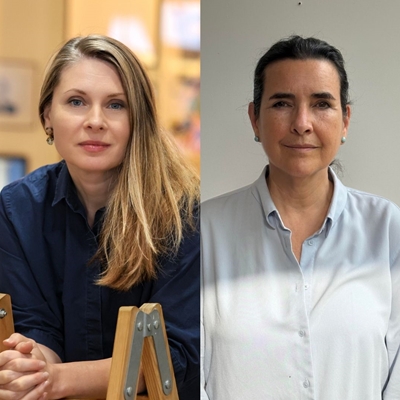
Tatiana Țîbuleac in conversation with Marianne Ponsford
The sins of the father
Centro de Convenciones (Auditorio Getsemaní)
Read moreIs it possible to emerge unscathed from our childhood? It is a question that Tatiana Țîbuleac explores, with a style halfway between the brutal and the poetic, in each of her works. After talking about mothers in her award-winning The Summer My Mother Had Green Eyes, the Moldovan-Romanian writer addresses with her third novel, When You're Happy, Strike First, the father figure, the ravages of emotional precariousness and the scars that we carry throughout our lives. In conversation with Marianne Ponsford, she will talk about resentment and devotion, childhoods in the Soviet bloc and the possibility of starting over.
Simultaneous interpretation from English to Spanish available
All events on Sunday, January 31st will be free for people with ID from the department of Bolívar. Complimentary tickets can be requested —up to capacity— at the box office of the Hay Festival (Centro de Convenciones) showing your identification on the same day the event is taking place.
Event 70
Margarita García Robayo in conversation with Juan Carlos Pérez
A family’s epistolary narrative
Centro de Convenciones (Salón Barahona)
Read moreIn Querida Sharik, Margarita García Robayo (Colombia) crafts a fictional account of the search for one’s roots, following a woman from the Colombian Caribbean as she explores the Angolan origins of one of her ancestors. In conversation with Colombian journalist Juan Carlos Pérez (BBC Mundo), the author will discuss this epistolary novel, winner of the 44th Herralde Novel Prize and a story that evokes the affections, silences, and mysteries of a family history that is at once unique and universal.
All events on Sunday, January 31st will be free for people with ID from the department of Bolívar. Complimentary tickets can be requested —up to capacity— at the box office of the Hay Festival (Centro de Convenciones) showing your identification on the same day the event is taking place.
Event 72
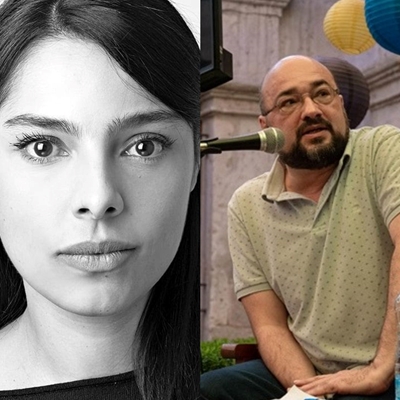
Alfonso Múnera in conversation with Juan Carlos Flórez
Rafael Núñez: dreams and nightmares of an Enlightenment man
Centro de Formación de la Cooperación Española (Patio)
Read moreIn El sueño europeo en América Latina, the lecturer Alfonso Múnera examines the fascinating figure of Rafael Núñez. The career of this Colombian statesman perfectly illustrates the country’s tumultuous 19th century — a period defined by the constant shifts between liberal federalism and conservative centralism. Through the lens of Núñez and his contemporaries, such as Mexico’s Benito Juárez and Ecuador’s Gabriel García Moreno, he explores the “European dream” that shaped the politics of the era, as well as the contradictions that defined its leaders. In this conversation with historian Juan Carlos Flórez, the author deconstructs myths surrounding Latin American dictators and traces the evolution of a pivotal figure who helped bring peace to “a nation in love with war”.
All events on Sunday, January 31st will be free for people with ID from the department of Bolívar. Complimentary tickets can be requested —up to capacity— at the box office of the Hay Festival (Centro de Convenciones) showing your identification on the same day the event is taking place.
Event 73
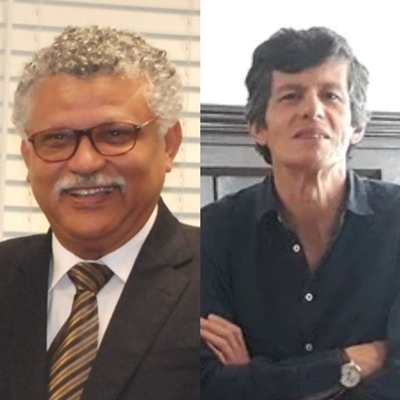
Carlos Cortés Castillo in conversation with Mauricio García Villegas
Social media: attention and distraction
Palacio de la Proclamación (Auditorio Juan José Nieto)
Read moreWe live connected to our mobile phones and disconnected from our surroundings. We spend between seven and nine hours a day online, absorbed by an endless array of chats, applications, and social media. To say that digital technologies shape our habits and decisions is, quite simply, stating the obvious — like saying that water is wet. The problem is that we are not always aware of just how drenched we truly are. Carlos Cortés Castillo (Colombia) is the author of La zona de la máquina, an essay in which he invites us to examine our relationship with technology and offers solutions for building healthier connections with our screens. In conversation with Mauricio García Villegas, he will address the challenge we face. Is it possible to break free from the "infinite scroll" and the digital noise that degrades public discourse? How can we move beyond this digital automatism?
All events on Sunday, January 31st will be free for people with ID from the department of Bolívar. Complimentary tickets can be requested —up to capacity— at the box office of the Hay Festival (Centro de Convenciones) showing your identification on the same day the event is taking place.
Event 78
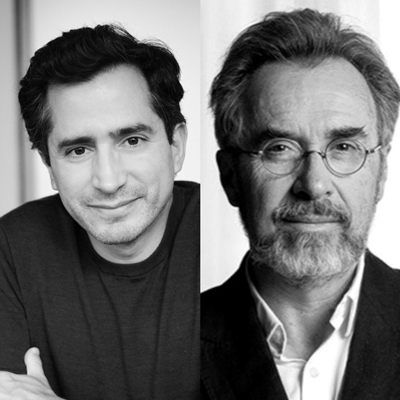
Screening of the documentary followed by Raquel Bernal and Andrés Ruiz Zuluaga in conversation
The game of life
Palacio de la Proclamación (Auditorio Juan José Nieto)
Read moreA documentary filmmaker followed six Colombian families over 14 years to shed light on inequality in the country and spark a conversation about how we can all change the rules of the game. The documentary El juego de la vida explores how a person’s starting point can shape their destiny, without entirely determining it. It is a story of struggle, dignity and hope, told from the heart of Colombia. Following the screening, the film’s director and producer, Andrés Ruiz Zuluaga, will engage in a discussion with Raquel Bernal, Rector of the University of the Andes, about this intimate portrait — a story told from the very heart of Colombia.
Duration: 95 minutes
Direction: Andrés Ruiz Zuluaga
Country: Colombia
All events on Sunday, January 31st will be free for people with ID from the department of Bolívar. Complimentary tickets can be requested —up to capacity— at the box office of the Hay Festival (Centro de Convenciones) showing your identification on the same day the event is taking place.
With the support of Universidad de Los Andes
Event 74
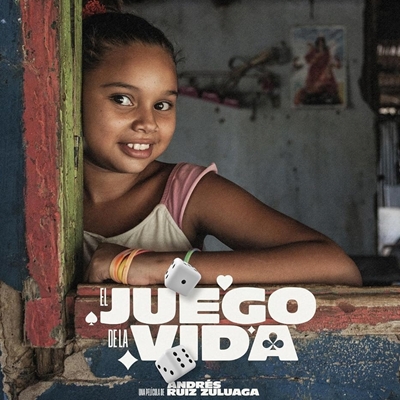
Daniel Mordzinski and David Uclés in conversation
On stories and portraits
Centro de Convenciones (Auditorio Getsemaní)
Read moreThe Hay Festival Cartagena de Indias presents a unique visual, narrative and musical experience. David Uclés, the magic realist writer, will engage in a conversation about literature and life with Daniel Mordzinski, known as “the writers’ photographer”. Uclés will lend his voice and melodies to some of Mordzinski’s most iconic portraits, embarking on a musical and visual journey designed to share literary readings and anecdotes from the world of literature.
All events on Sunday, January 31st will be free for people with ID from the department of Bolívar. Complimentary tickets can be requested —up to capacity— at the box office of the Hay Festival (Centro de Convenciones) showing your identification on the same day the event is taking place.
Event 75
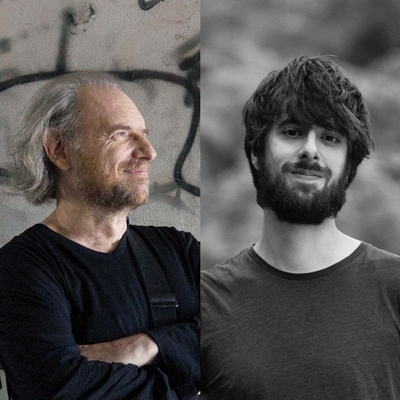
Jeremías Gamboa and Maria Reva in conversation with Elianna Kan
Centro de Convenciones (Salón Barahona)
Read moreOne of the most common journeys literature offers is the exploration of reality through fiction. In this way, we can discover some of the truths about Ukraine and Peru by reading Endling, by Maria Reva (Ukraine), and El principio del mundo, by Jeremías Gamboa (Peru). Reva approaches this through black humour, telling the story of a scientist determined to save endangered snail species who also works for a “romantic tours” agency catering to men looking for wives in Kyiv. Until the Russian invasion changes everything. Gamboa, meanwhile, writes about himself without making it explicit, weaving together several of his central preoccupations: migration, Peruvian identity, racism, classism, education, social inequality and identity. In conversation with Elianna Kan.
Simultaneous interpretation from English to Spanish available
All events on Sunday, January 31st will be free for people with ID from the department of Bolívar. Complimentary tickets can be requested —up to capacity— at the box office of the Hay Festival (Centro de Convenciones) showing your identification on the same day the event is taking place.
With the support of the Peruvian Embassy in Colombia
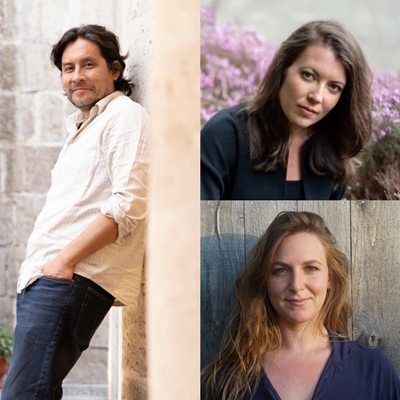
Event 76
Mauricio García Villegas and Cristina Monge in conversation with Juan Carlos Flórez
The world is discontented; now what?
Teatro Adolfo Mejía
Read moreDemocracy is weakened; we are increasingly distrustful of institutions; we live in ever more polarized societies; and it is becoming increasingly difficult to imagine a better future. Mafalda, too, might have wanted to stop the world and get off. Though, as it happens, that famous line never actually existed, but was a piece of fake news, much like the kind that surrounds us today. How did we end up here? Cristina Monge (Spain) —winner of the 2026 Paidós Prize for Contra el descontento— and Mauricio García Villegas (Colombia) —author of Antes de perder el juicio— will join Juan Carlos Flórez (Colombia) to discuss the need to restore public dialogue and reimagine a shared future.
All events on Sunday, January 31st will be free for people with ID from the department of Bolívar. Complimentary tickets can be requested —up to capacity— at the box office of the Hay Festival (Centro de Convenciones) showing your identification on the same day the event is taking place.
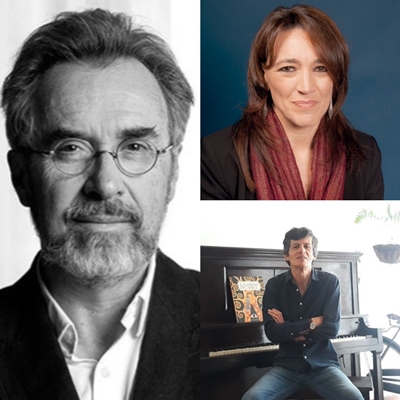
Event 77
Fabián Buelvas and Orlando Oliveros in conversation with José Carlos Cueto
Writing: a high-risk profession
Centro de Formación de la Cooperación Española (Patio)
Read moreWorking multiple jobs, unfinished manuscripts, and even professional forgers — as anyone who has tried it knows well, the craft of writing goes far beyond simply stringing together words, sentences, and paragraphs. Fabián Buelvas —a native of Corozal now based in Barranquilla— and Orlando Oliveros —from El Difícil and now settled in Cartagena— explore this less visible, less pleasant side of the literary world in their respective recent novels, Yo no sé cuál estrella me vio and Memoria de un crucigrama, each employing his own highly distinctive style. In this conversation, Buelvas and Oliveros will share their thoughts on experimental writing, the complexities of depicting the Caribbean, and the ups and downs of their profession.
All events on Sunday, January 31st will be free for people with ID from the department of Bolívar. Complimentary tickets can be requested —up to capacity— at the box office of the Hay Festival (Centro de Convenciones) showing your identification on the same day the event is taking place.
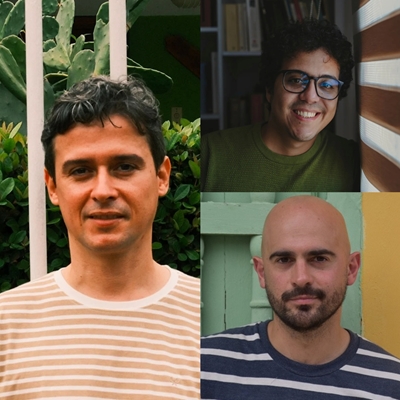
Event 80
Conversation and concert, with Ivo Díaz and Stella Durán Escalona in conversation with Daniel Samper Pizano
Homage to Rafael Escalona
Teatro Adolfo Mejía
Read moreTo mark the centenary of the birth of composer Rafael Escalona, the closing event of the 2027 Hay Festival Cartagena de Indias will be dedicated to this great Vallenato musician — a real-life figure and an inspiration for Gabriel García Márquez. Works by Escalona will be performed by the award-winning singer Ivo Díaz and Stella Durán Escalona — the most highly regarded female vocalist in Vallenato music and the composer’s niece. Journalist Daniel Samper Pizano will interview both musicians.
All events on Sunday, January 31st will be free for people with ID from the department of Bolívar. Complimentary tickets can be requested —up to capacity— at the box office of the Hay Festival (Centro de Convenciones) showing your identification on the same day the event is taking place.
Sponsored by BAT Foundation
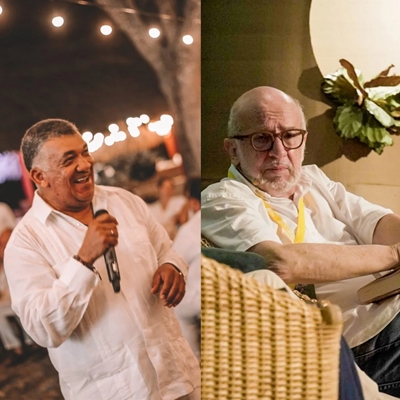
Event 81
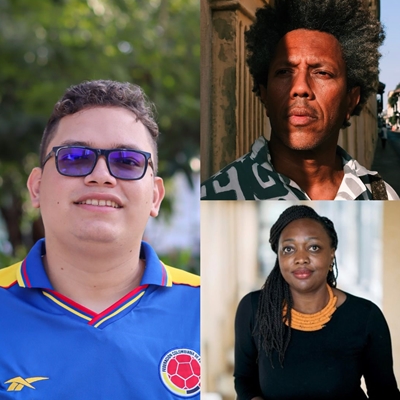
José Ignacio Estupiñán Martínez and Jhon Narváez in conversation with Paula Moreno, with a dramatic reading
How two local leaders are challenging the future
Centro de Formación de la Cooperación Española (Patio)
Read moreJosé Ignacio Estupiñán and Jhon Narváez, contributors to the anthology Vanguardias negras, take part in a conversation and performative reading centred on the question: How are we imagining the future? Structured around the themes of legacy, the present and the future, they will reflect on contemporary writing —addressing both inherited themes (memory, identity, the body) and those present in current narratives (territory, community participation)— as well as the possibilities for imagining the future, drawing from the experiences, voices, and realities of Cartagena. The anthology is part of the Vení, te leo programme, a Manos Visibles initiative.
All events on Sunday, January 31st will be free for people with ID from the department of Bolívar. Complimentary tickets can be requested —up to capacity— at the box office of the Hay Festival (Centro de Convenciones) showing your identification on the same day the event is taking place.
Event 82
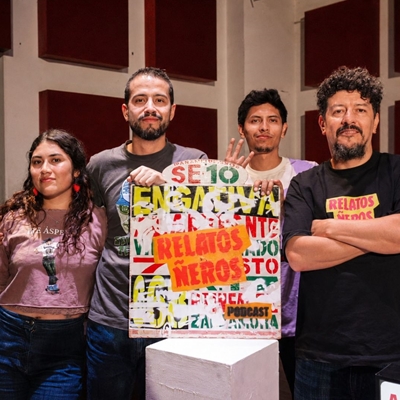
Relatos Ñeros live
Storytelling brings the city to life
Palacio de la Proclamación (Auditorio Juan José Nieto)
Read moreRelatos Ñeros en vivo is a live performance —a blend of oral storytelling and sound— that brings the world of the podcast with the same name, one of the country’s most acclaimed independent audio projects, to the stage. Conceived as a hybrid spectacle combining chronicle, audio theatre, and popular oral tradition, this format offers a journey through urban stories shaped by humour, memory, violence, and tenderness, as well as the diverse ways in which we speak about and inhabit this country. The audience will have the unique opportunity to experience a performance that fuses oral literature, soundscapes, and contemporary storytelling to share narratives that rarely take centre stage.
All events on Sunday, January 31st will be free for people with ID from the department of Bolívar. Complimentary tickets can be requested —up to capacity— at the box office of the Hay Festival (Centro de Convenciones) showing your identification on the same day the event is taking place.
Event HFJ20
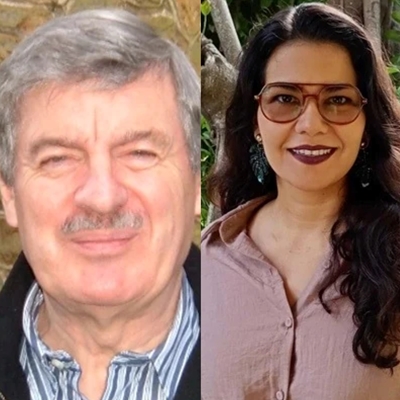
Gerald Martin in conversation with Sara Martínez
Gabriel García Márquez. A life.
Auditorio Marvel Moreno
Read moreWith the support of the British Council
Event HFJ21
Cristina Monge in conversation with Ángel Tuirán
Against discontent
Auditorio Marvel Moreno
Read more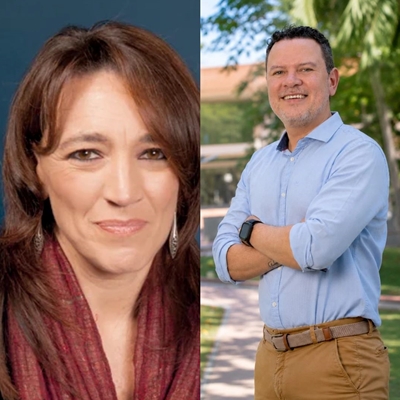
Event HFJ22
Silvana Paternostro in conversation with Alexandra Vives
Maps of my return
Auditorio Marvel Moreno
Read more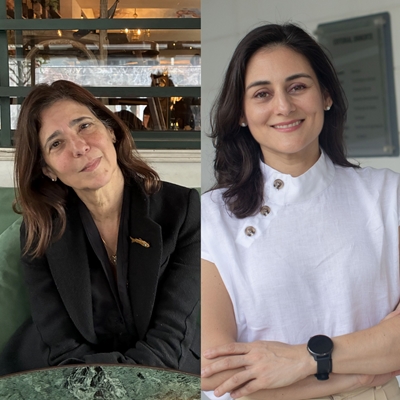
Event HFJ23
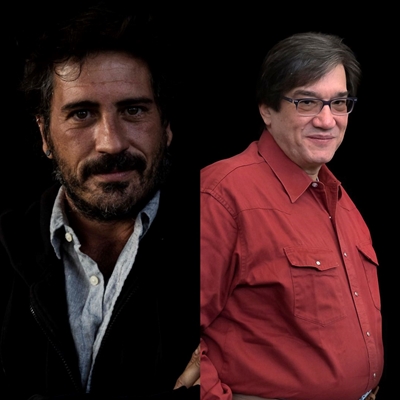
Jacobo García in conversation with Jaime Abello Banfi
Auditorio Marvel Moreno
Read moreWith the support of Acción Cultural Española, AC/E
Explore All Genres
- Afrodescendencias
- Latin America
- Adventure
- Architecture
- Arts & Culture
- Biography
- Children
- Crime
- Culture
- Economics
- Education
- Equality
- Fiction
- Film
- Food & Travel
- Futures
- Gender
- Geography
- Heritage
- History
- Human Rights
- Ideas
- Indigenous Cultures
- Journalism
- Literature
- Memoir
- Music
- Nature & Environment
- Performance
- Philosophy
- Philosophy & Religion
- Photography
- Podcast
- Poetry
- Politics
- Psychology
- Science
- Society & Health
- Spanish Language
- Technology
- Theatre
- Thinking
- Travel
- World Affairs

Partner for Latin America

Principal Sponsors


Government Partners