Hay Festival Colombia Digital
El Hay Festival en Colombia se celebró del 21 al 30 de enero del 2022, con eventos en Cartagena de Indias, Medellín y Jericó. En estos momentos usted está consultando la programación digital del festival.
Si desea ver el programa presencial del Hay Festival Cartagena de Indias, acceda aquí.
Si desea ver el programa presencial del Hay Festival Medellín, acceda aquí.
Si desea ver el programa presencial del Hay Festival Jericó, acceda aquí.
También pueden consultar los programas en PDF de Cartagena, Medellín y Jericó.
Evento 66
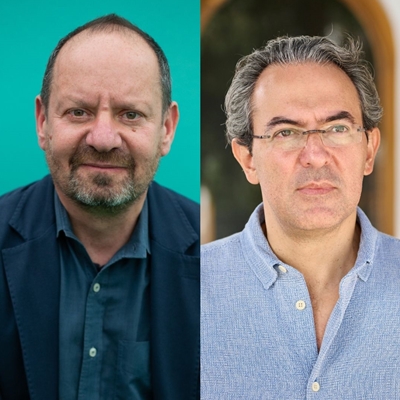
Philippe Sands en conversación con Juan Gabriel Vásquez
Del nazismo a Pinochet
Centro de Convenciones (Auditorio Getsemaní)
Los vínculos entre dos de las dictaduras más terribles del siglo XX atraviesan Calle Londres 38, de Philippe Sands (Reino Unido). El criminal nazi Walter Rauff acabó en Punta Arenas, en la Patagonia chilena, colaborando con el régimen de Augusto Pinochet. Sands, quien participó en calidad de abogado en el juicio contra el dictador, reconstruye la relación entre Rauff y Pinochet, una historia de justicia e impunidad, a través de documentos, archivos, y testimonios.
Se ofrecerá interpretación simultánea del inglés al español
Todos los eventos del domingo 1 de febrero serán gratuitos para personas con cédula expedida en el departamento de Bolívar. Puede solicitar su boleta de cortesía —sujeta a disponibilidad— en la oficina de boletería del festival (Centro de Convenciones) previa presentación de su cédula, el mismo día del evento.
Evento 68B
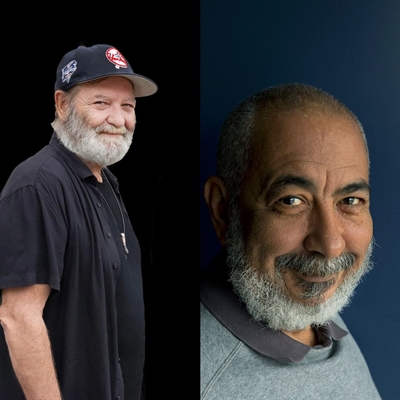
Jorge Perugorría en conversación con Leonardo Padura
Seguida de la proyección de 'Neurótica Anónima'
Teatro Adolfo Mejía
Evento 70
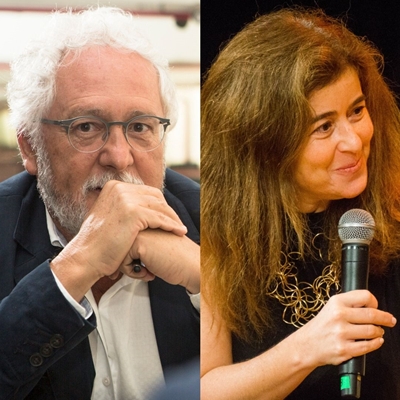
Héctor Abad Faciolince en conversación con Catalina Gómez Ángel
Lo que queda en pie
Centro de Convenciones (Auditorio Getsemaní)
Héctor Abad Faciolince y Catalina Gómez Ángel estaban juntos en una pizzería en Kramatorsk —en la región en disputa del Donetsk— cuando recibieron un ataque aéreo ruso. Ambos salieron ilesos; sin embargo, la periodista y escritora Victoria Amelina, guía y compañera de viaje, falleció víctima de los misiles rusos. Ahora y en la hora es la crónica de Abad Faciolince sobre los hechos, su viaje testimonial de la tragedia; una narración sobre la vida, vejez, muerte, guerra, violencia y culpa.
Se ofrecerá interpretación en lengua de señas colombiana
Todos los eventos del domingo 1 de febrero serán gratuitos para personas con cédula expedida en el departamento de Bolívar. Puede solicitar su boleta de cortesía —sujeta a disponibilidad— en la oficina de boletería del festival (Centro de Convenciones) previa presentación de su cédula, el mismo día del evento.
Evento 72
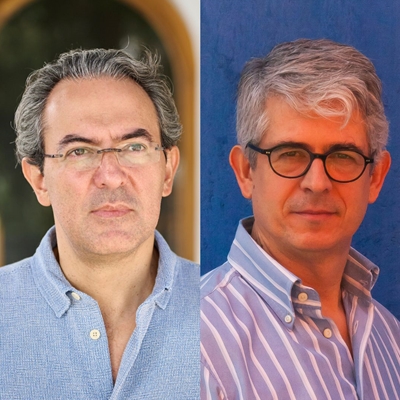
Juan Gabriel Vásquez en conversación con Javier Moreno
Teatro Adolfo Mejía
Juan Gabriel Vásquez, uno de los escritores más laureados de su generación, lleva casi veinte años escribiendo artículos de opinión para distintos medios. Desde hace cinco años es colaborador permanente del periódico El País, de España, y ahora presenta una selección de los mejores artículos que ha publicado allí. Esto ha sucedido es la obra de un intelectual comprometido con la realidad política que lo rodea, pero también la de un observador preocupado por la transformación del mundo después de la pandemia. Un manual para navegar el mundo complejo que nos ha tocado. En conversación con Javier Moreno.
Todos los eventos del domingo 1 de febrero serán gratuitos para personas con cédula expedida en el departamento de Bolívar. Puede solicitar su boleta de cortesía —sujeta a disponibilidad— en la oficina de boletería del festival (Centro de Convenciones) previa presentación de su cédula, el mismo día del evento.
Coorganizado con EP América
Evento 79
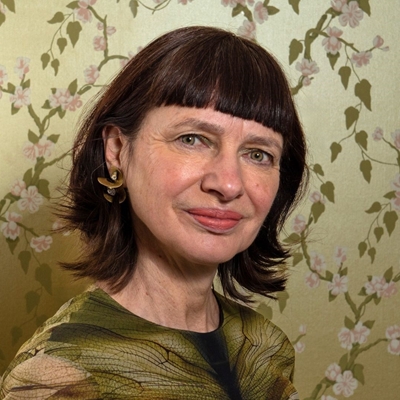
Carry Somers en conversación con Rossy Lemos
La naturaleza está de moda
Centro de Convenciones (Auditorio Getsemaní)
Carry Somers (Reino Unido) es uno de los estandartes de la moda ética desde que cofundó Fashion Revolution, y lanzó una pregunta que cambió la industria y concientizó a miles de personas: «¿Quién hizo tu ropa?». Acaba de publicar The Nature of Fashion, un recorrido épico por la historia de cómo aprendimos a crear ropa a partir de plantas, que revela cómo los textiles han transformado el mundo humano y nuestro paisaje natural. Además, ha recibido la invitación del pueblo kogui, en la Sierra Nevada de Santa Marta, para investigar sobre sus tradiciones e indumentarias. Conversa con Rossy Lemos.
Se ofrecerá interpretación simultánea del inglés al español
Todos los eventos del domingo 1 de febrero serán gratuitos para personas con cédula expedida en el departamento de Bolívar. Puede solicitar su boleta de cortesía —sujeta a disponibilidad— en la oficina de boletería del festival (Centro de Convenciones) previa presentación de su cédula, el mismo día del evento.
Patrocinado por SURA y Bancolombia y con el apoyo del British Council
Evento 81
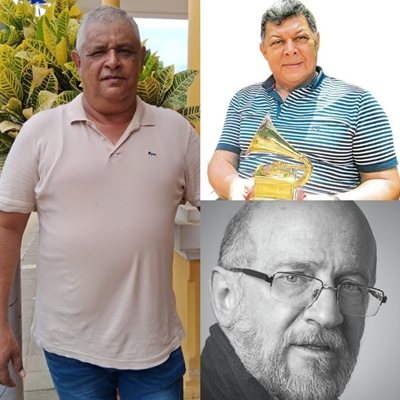
Rafael Pérez Alviz en conversación con Daniel Samper Pizano, seguido de concierto Acorbanda de Colombia
El porro en concierto
Teatro Adolfo Mejía
Homenaje al porro, uno de los ritmos más representativos de la región Caribe colombiana. Este evento combinará un concierto y un conversatorio. Actuará en vivo la agrupación sincelejana Acorbanda de Colombia, dirigida por el acordeonero y compositor Rodrigo Rodríguez, que está formada por doce músicos en escena y un guitarrista invitado. dirigida por el acordeonero y compositor Rodrigo Rodríguez. El maestro Rafael Pérez Alviz, investigador especializado en música caribe, y Daniel Samper Pizano ofrecerán un conversatorio sobre la historia y riqueza cultural del porro.
Código PULEP: AYC168
Todos los eventos del domingo 1 de febrero serán gratuitos para personas con cédula expedida en el departamento de Bolívar. Puede solicitar su boleta de cortesía —sujeta a disponibilidad— en la oficina de boletería del festival (Centro de Convenciones) previa presentación de su cédula, el mismo día del evento.
Patrocinado por la Fundación BAT
Evento 1
Experts in world-building and weaving magic from the everyday and gravitas from the absurd, Congolese author and academic, Alain Mabanckou and beloved Kenyan novelist, Yvonne Owuor offer up a conversation about the necessity of imagination and challenging received truths. This is an unmissable meeting of incredible creative minds with storied careers in the literary world.
Supported by the Open Society Foundations’ South-to-South Initiative
Evento 2
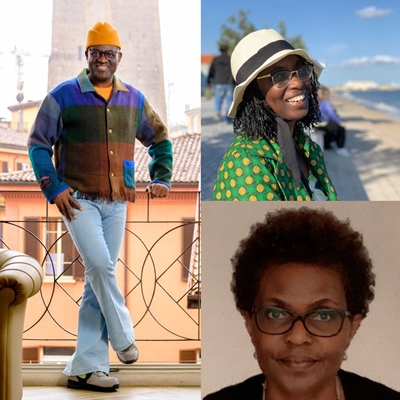
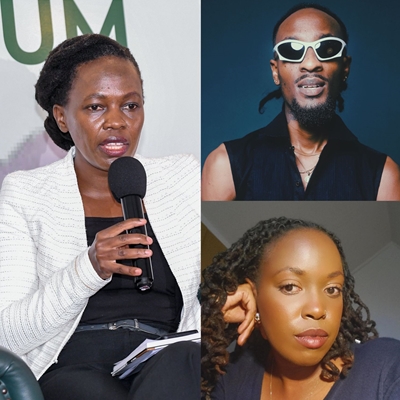
Ziya Africa, Patriciah Joseph and Wanjira Wanjiru in conversation with Njahira Gitahi
The People Shall
Main Stage
In the spirit of Prof. Wangari Maathai's hummingbird analogy that viewed no act in the face of insurmountable odds as small or insignificant, advocate and Katiba Institute, Programmes Manager, Patriciah Joseph; civic impact collective founder, Ziya Africa and grassroots activist Wanjira Wanjiru gather for a necessary conversation about Kenya's current political dispensation. As the election season draws nearer, perhaps it is time to reflect on what more each of us can do.
Evento 3
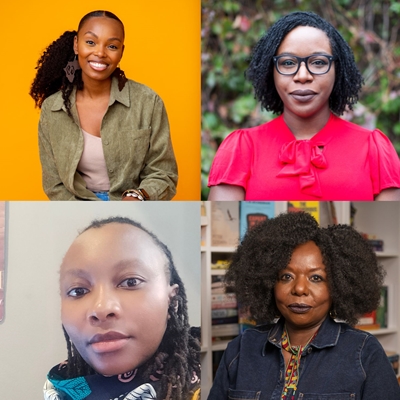
Shani Akilah, Lesley Nneka Arimah and Makena Onjerika in conversation with Ellah Wakatama
Beauty in brevity
Main Stage
Don't miss this special spotlight on award-winning short fiction writers from across the globe whose dedication to the craft is sure to encourage the next generation of writers. Hear from Caine Prize winners Lesley Nneka Arimah and Makena Onjerika plus newcomer Shani Akilah in conversation with Chair of the Caine Prize, Ellah Wakatama, OBE.
Supported by the Open Society Foundations’ South-to-South Initiative
Evento 4
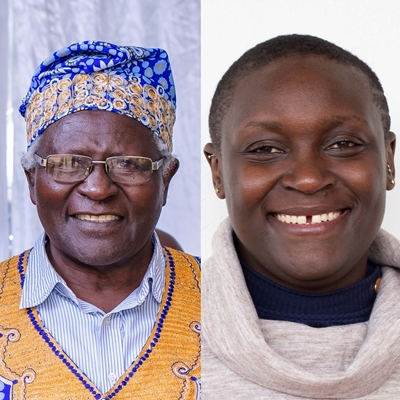
David Maillu in conversation with Nyambura Mutanyi
Retrospective on post-independence Kenyan fiction
Main Stage
David Maillu is a prolific Kenyan known for his enthralling novels dating from the 1970s. He has written over 60 books of poetry, fiction, and nonfiction in Kikamba, English, and Kiswahili. Mailu's sensational novel, After 4:30 –which was first published in 1974– was recently reissued and spoke to the realities of the lives of urban housewives, office secretaries, and sex workers. Mailu's bold and provocative style both shocked and revolutionised literature from East Africa, firmly entrenching Maillu’s name among the older generation of literary giants. Mailu will be in conversation with Nyambura Mutanyi.
Evento 5
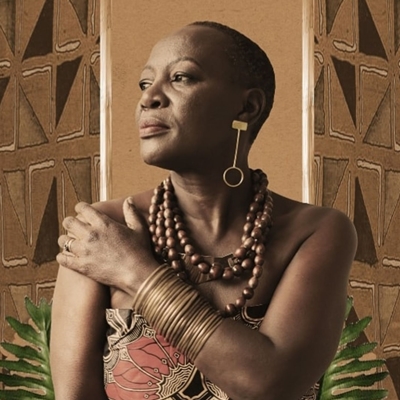
Burundian theatre performer and playwright Laura Sheïlla Inangoma presents Sisters of the East (“Sœurs de l’Est”), a powerful monologue following Hoda, a young Sudanese woman imprisoned in a Khartoum prison. First staged in Prague, the play continues its journey in Nairobi, brought to life by acclaimed Kenyan artist Mumbi Kaigwa. At its core, the play recounts the intertwined stories of two women held in separate cells of the notorious “Black Hole” following the killing of a fellow inmate. In her determined attempt to escape, Hoda journeys deep into their inner worlds—uncovering their nightmares, memories, and dreams. This gripping monologue explores themes of resistance, the shared struggles of women, and the moral complexities of justice. The reading will be followed by a Q&A with the playwright.
Supported by Prague-city of literature, Creative Africa festival, Czech Embassy and the National Institute for Culture.
Evento 6
Mahmud El Sayed and Marta Peirano in conversation with Frankline Sunday
Is technology eating our souls?
Main Stage
Science journalist Marta Peirano and sci-fi writer Mahmud El Sayed offer a temperature check on the rapidly-evolving capabilities of tech and AI. Peirano has written a book, El rival de Prometeo on automata and artificial intelligence and variously on AI and alternatives to collapse. Sayed is the 2023 Future Worlds prize for Fantasy and Science Fiction Writers of Colour winner whose debut novel, The Republic of Memory is set on a generation ship on the brink of revolution as its crew begin to ask why they should toil for a people, and an empire, none of them remember. In conversation with Frankline Sunday.
With the support of Accion Cultural Española, AC/E

Evento 7
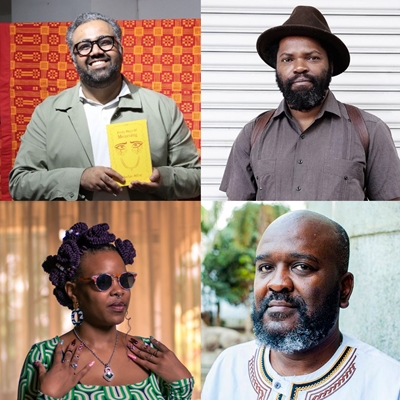
Arslan Attar, Ntone Edjabe and Olivia Kidula in conversation with James Murua
Art of the magazine
Main Stage
In a world of rapidly reducing attention spans, the journal persists as a sumptuous, curated feast of the best new voices in literature and visual art. Publishing daring fiction and poetry; meditative longform pieces on culture and politics and existing as a playground for fresh, radical ideas. Hear from the editors of literary journals; Ntone Edjabe (Chimurenga), Olivia Kidula (Will This Be a Problem?) and Arslan Attar (The Desi Collective) regarding the legacies of their publications and the communities they serve.
Supported by the Open Society Foundations’ South-to-South Initiative
Evento 8
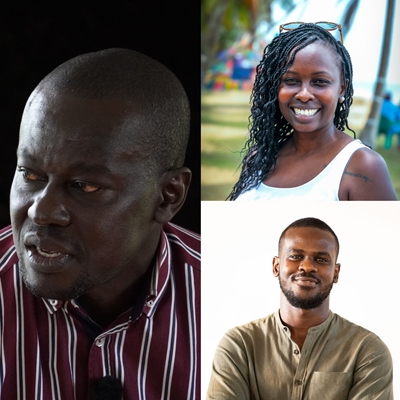
Dr. Mordecai Ogada and Fiona Tande in conversation with William Moige
Questioning conservation
Main Stage
Amid musings on speculative cartography that welcomes repair and new configurations of abundance, we still exist in the reality of extractive capitalism and false allies working against the protection of natural heritage. Dr. Mordecai Ogada a carnivore ecologist, conservation policy scholar and author of The Big Conservation Lie and Fiona Tande, a distinguished Maasai wildlife filmmaker, conservationist and director of Pridelands Wildlife Film Festival. This panel investigates the complexities behind the management of natural resources and the rights of indigenous communities. In conversation with William Moige.
Evento 10
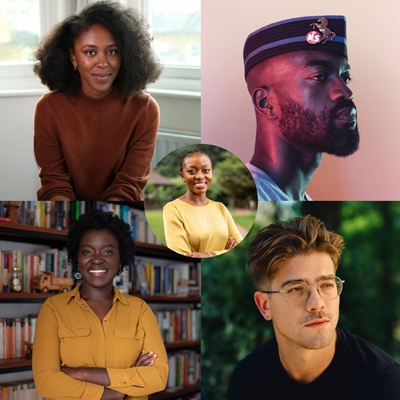
Natasha Brown, Inua Ellams, Nanjala Nyabola and Pol Vouillamoz in conversation with Dr. Mamka Anyona
Interview: Writing to reposess, rename, reown
Main Stage
Kenyan essayist and political analyst, Nanjala Nyabola; British-Nigerian poet and playwright, Inua Ellams; Catalan and Swiss poet, writer and translator, Pol Vouillamoz; and Natasha Brown; named one of Granta’s Best of Young British Novelists in and the Chair of the International Booker Prize 2026 judges, discuss identity, Otherness and unpack how they employ language as a precise emotional instrument.
Supported by the British Council’s UK/Kenya Season 2025 and the Ramon Llull Institut
Evento 11
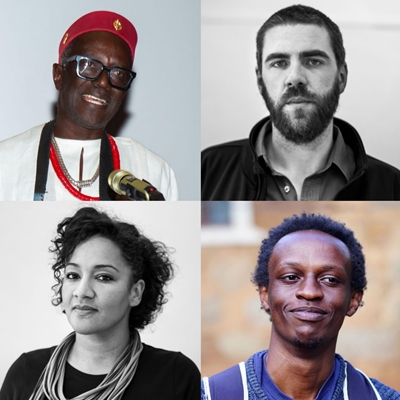
Moussa Sene Absa, Chris King and Maia Lekow in conversation with Kelvin Kariuki
Documentary as Memory
Main Stage
A discussion on creative documentary storytelling with celebrated Senegalese filmmaker, Moussa Sene Absa and Kenya-based filmmaking duo, Maia Lekow and Chris King. Absa's charming, poetic films challenge dominant narratives while embracing the contradictions of post-colonial Senegalese life. Partners in life and art, Lekow and King employ an artful, long-form storytelling style —evident in their films, The Letter and How to Build a Library— that seeks to hold a mirror to our world and break down barriers.
Evento 12
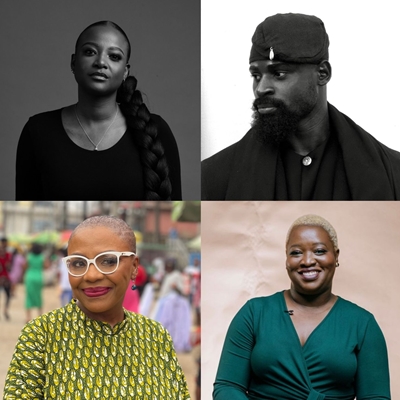
Njeri "DJ Ziggie" Gitungo, Tunde Onakoya, Mohammad Raza and Lola Shoneyin in conversation with Latoya Blackwood
In praise of the third space
Main Stage
Celebrating the necessity and philosophies underpinning the curatorial strategies behind Ake, a globally-acclaimed festival with Director Lola Shoneyin; an all-femme dance party from the perspective of event co-founder and performer, Njeri DJ Ziggie Gitungo; the co-founder of Indus Conclave, Mohammad Raza, and Guinness world record holder, Tunde Onakoya who teaches the sport to low-income communities.
Evento 13
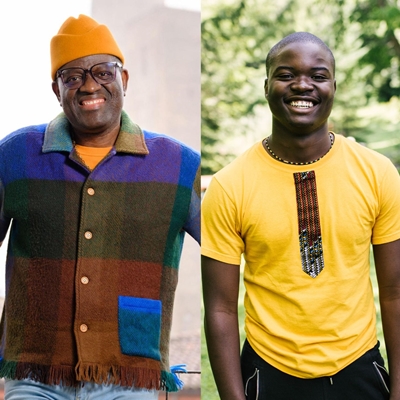
Alain Mabanckou grew up in Pointe-Noire, Republic of Congo, and studied law in Brazzaville and Paris. A writer of poems and essays, Mabanckou wrote his first novel in 1998 with his fifth text, Broken Glass, ranked as one of the 100 best books of the 21st century by the Guardian. His work has won several prizes, including the Renaudot Prize and has been shortlisted for the International Booker Prize twice. He is now a full Professor of Literature at UCLA. He discusses retaining clarity and perspective in an ever-evolving political and cultural landscape with Congolese creative, Nteranya Sanginga.
Evento 14
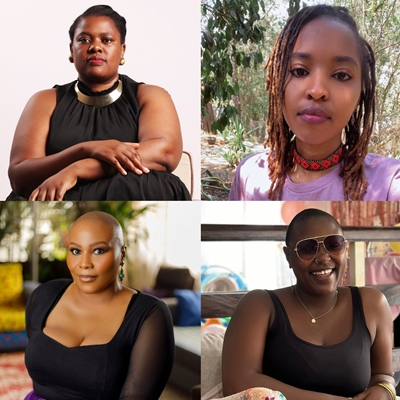
Dr. Portia Malatjie, Muthoni Mwangi and Wana Udobang in conversation with Abigail Arunga
Experiments in form
Main Stage
Exploring new paths to storytelling across literature, poetry, film and visual art with Nigerian writer, poet and performer, Wana Udobang; South African curator and Senior Lecturer at the University of Cape Town, Dr. Malatjie; and Kenyan visual research collage artist, Muthoni Mwangi. In conversation with Abigail Arunga.
Supported by the Open Society Foundations’ South-to-South Initiative
Evento 15
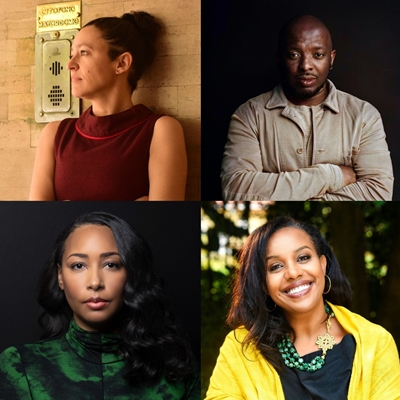
Lina Meruane, Dr. Nick Makoha and Safiya Sinclair in conversation with Lily Bekele-Piper
Mothers loom large
Main Stage
Exploring how maternal figures materialize in fiction and life and the gray areas between truth and reverence with 2024 OCM Bocas Prize for Caribbean Literature winner and poet, whose memoir, How to Say Babylon chronicles her mother's strength and sacrifices; Pol Vouillamoz, a Catalan and Swiss poet and winner of the 2018 Horta Youth Literature Prize for the play El nom de la mare ('The Mother’s Name') and award-winning Chilean writer and scholar, whose essay, Contra los Hijos ('Against Children') warns of the dangers of conservative ecofeminist ideals.
A frank conversation about how maternal figures materialize in fiction and life and the gray areas between truth and reverence with 2024 OCM Bocas Prize for Caribbean Literature winner and poet, Safiya Sinclair whose memoir, How to Say Babylon chronicles her mother's strength and sacrifices; Ugandan poet and playwright based in London, Dr Nick Makoha, whose work explores fatherhood and was recently shortlisted for the 2025 T.S. Eliot Prize and award-winning Chilean writer and scholar, Lina Meruane whose essay, Contra los Hijos (Against Children) warns of the dangers of conservative ecofeminist ideals.
Supported by the Open Society Foundations’ South-to-South Initiative
Explorar todos los temas
- Actualidad Internacional
- Afrodescendencias
- Artes
- Artes y Cultura
- Ciencia & Tecnología
- Cine
- Cultura
- Deporte
- Derecho
- Derechos humanos
- Diseño
- Economía
- Filosofía
- Fotografía
- Gastronomía
- Género
- Historia
- Igualdad
- Ilustración
- Infantil
- Latin America
- Lenguas
- Literatura
- Moda
- Música
- Naturaleza & Medioambiente
- Periodismo
- Pódcast
- Poesía
- Política y actualidad
- Psicología
- Pueblos originarios
- Religiones
- Sur a Norte
- Talleres
- Teatro
- Tecnología

Aliado para América Latina

Patrocinadores Principales


Aliado Gubernamental