Hay Festival Colombia Digital
Hay Festival Colombia took place from 21 to 30 of January 2022, with events in the cities of Cartagena de Indias, Medellín and Jericó. You are currently browsing the digital programme of the festival.
If you want to browse the in-person events of Hay Festival Cartagena de Indias, click here.
If you want to browse the in-person events of Hay Festival Medellín, click here.
If you want to browse the in-person events of Hay Festival Jericó, click here.
Event 1
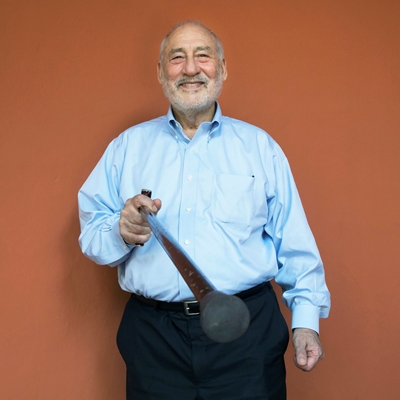
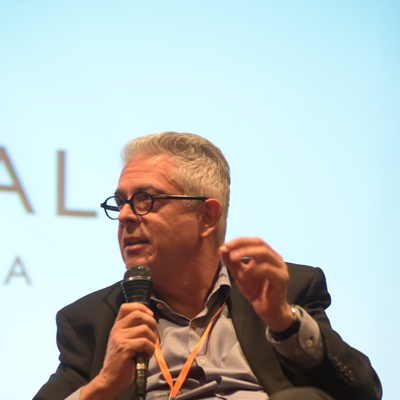
Joseph Stiglitz in conversation with Javier Moreno (Spanish version)
Escenario Digital Hay Querétaro
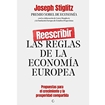
The American Joseph Stiglitz is one of the world’s most eminent experts on the subject of economics. This Columbia University professor and former Chief Economist at the World Bank was a Nobel prizewinner in 2001 and was an advisor to President Clinton; he is the author of a number of books on capitalism and globalization. His most recent book, Rewriting the Rules of the European Economy. An Agenda for Growth and Shared Prosperity explores the current European crisis, with an emphasis on the problems that have been highlighted by the coronavirus pandemic: sluggish growth, cuts to social programmes, and the appearance and rise of far-right political movements.
Buy the books for this event
Event 2
Laura Restrepo in conversation with Luz María Sierra
Song of Former Lovers
Teatro Santamaría de Jericó
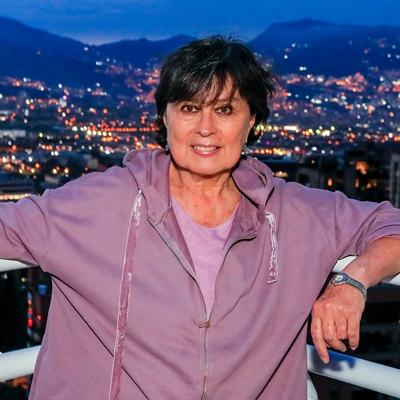
The writer and journalist Laura Restrepo (Colombia) will talk to Luz María Sierra about her most recent novel, Canción de antiguos amantes (Song of Former Lovers), whose main character travels the world in search of the Queen of Sheba, in an exciting adventure that serves as a reflection on issues such as love and pain, crossing cultures and eras. Restrepo is one of the most internationally renowned Colombian authors thanks to novels such as the saga of Pecado (2016), The Divine Boys (2017) and Delirium (2004).
Event TE1
Alonso Salmerón, Alberto Sánchez de Gregorio, Maru Urbina and Paula Vázquez in conversation with Ana Cañellas
New bookshops for new readers. Mexico and Spain
Sede Talento Editorial
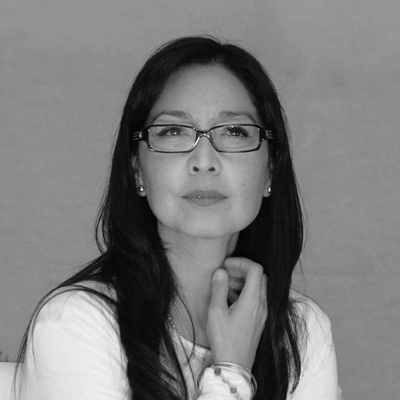
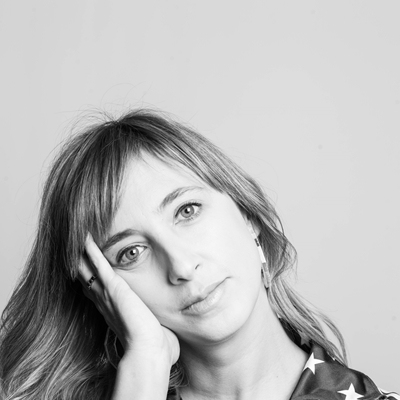
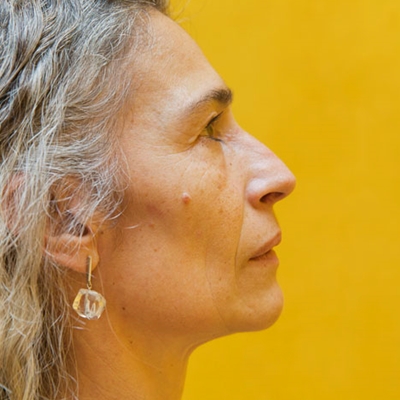
With the arrival of the pandemic, the usual gloomy predictions regarding the fate of the book were joined by new ones announcing the death of bookshops. However, despite the forecasts, many new and vibrant bookselling projects have sprung up. Bookshops receive widespread sympathy and support, being a model of local commerce and because of their capacity to create links and build community. The conversation at this event will be on the subject of the difficulties being experienced in Mexico, with its great lack of independent bookshops, very unlike the situation in Spain, where they have a very strong presence. In conversation with Ana Cañellas will be Alonso Salmerón (El Desastre bookshop, Mexico City); Alberto Sánchez de Gregorio from ¡¡¡Tremenda!!! bookshop (Granada, Spain); Maru Urbina from the children’s bookshop and workshop Letrasconmás (San Luis Potosi, Mexico); and Paula Vázquez, from the bookshop Lata Peinada (Barcelona and Madrid, Spain).
With the support of AECID
Event 3
Elisa Guerra in conversation with Juan Manuel Restrepo
The Future of Education
Museo de Arte Religioso de Jericó
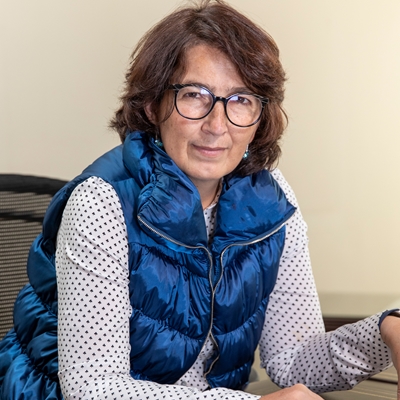
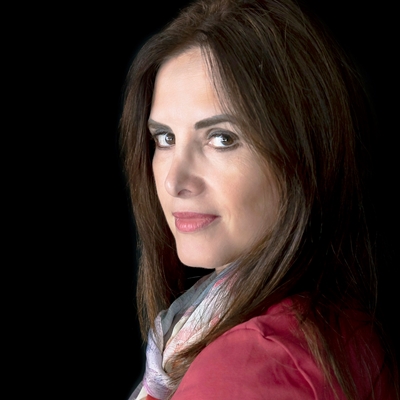
Elisa Guerra (Mexico), educator and researcher, talks to Juan Manuel Restrepo about the urgent issue of education in the world and how to establish new systems that guarantee quality, free and universal education. Guerra holds a Master's degree in Education from Harvard University and in 2015 was named Best Educator in Latin America and the Caribbean by the Inter-American Development Bank; she was also a finalist for the Global Teacher Prize - considered the Nobel Prize for teaching - in 2015 and 2016. A member of the International Commission on the Futures of Education (UNESCO), she is co-author of the report Reimagining Our Futures Together: A New Social Contract for Education. In 2017, Al Jazeera television made a documentary about it, recognising its proposal as one of the six most important educational innovations worldwide.
Event 1-en
Joseph Stiglitz in conversation with Javier Moreno (English version)
Escenario Digital Hay Querétaro
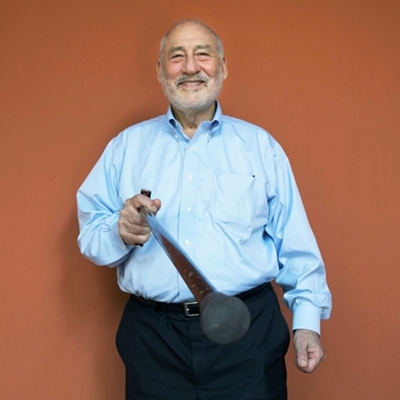
The American Joseph Stiglitz is one of the world’s most eminent experts on the subject of economics. This Columbia University professor and former Chief Economist at the World Bank was a Nobel prizewinner in 2001 and was an advisor to President Clinton; he is the author of a number of books on capitalism and globalization. His most recent book, Rewriting the Rules of the European Economy. An Agenda for Growth and Shared Prosperity explores the current European crisis, with an emphasis on the problems that have been highlighted by the coronavirus pandemic: sluggish growth, cuts to social programmes, and the appearance and rise of far-right political movements.
Buy the books for this event

Event 4
Writer, priest and founder of the association Amigos del Desierto, Pablo d'Ors (Spain) is the author of the publishing phenomenon Biography of Silence (2012), an essay on introspection, meditation and spiritual contemplation. His most recent book is Biografía de la luz (Biography of Light) (2021), a look at the Gospel and the life of Christ, where he reflects on the teachings of this extraordinary figure and how we can integrate them into our lives today. In this event, d'Ors will talk with David Escobar about the importance and benefits of connecting with our spirituality, in order to have fuller and more committed life experiences with our environment.
Event 2
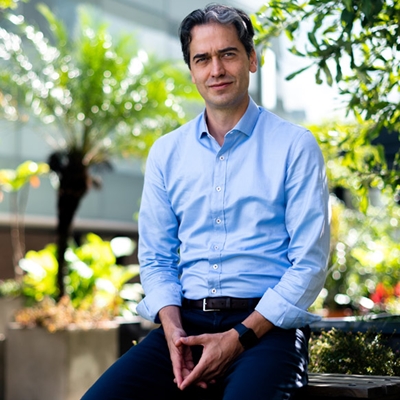
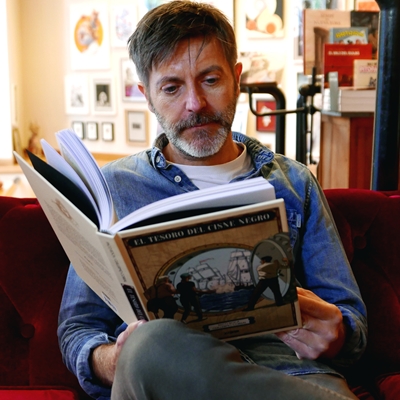
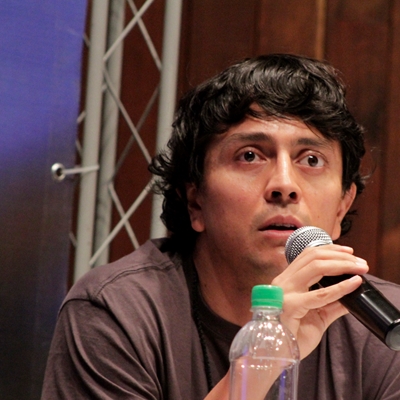
Paco Roca in conversation with Felipe Rosete
Llwyfan Digidol Cymru – Wales Digital Stage
The graphic novel has become an established form of artistic expression, as much as literature itself, and the award-winning Spanish illustrator and cartoonist, Paco Roca, is one of the form’s most outstanding artists at the present time. His body of work includes around 30 graphic books, published in over ten countries. His most recent graphic novel, written together with the US expert on Spain, Robert Coale, is Los surcos del azar (2021), which looks at the role of Spain during the Second World War. It is told from the point of view of Miguel Ruiz, a Spanish republican in exile in France. He will talk about this extraordinary work with Felipe Rosete.
With the support of AC/E
Buy the book for this event
Event 5
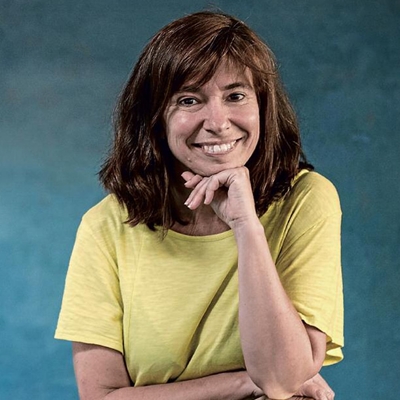
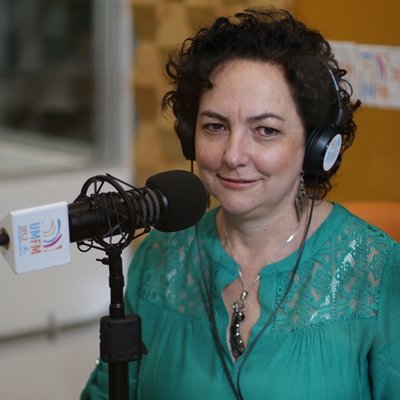
Yayo Herrero in conversation with Adriana Villegas Botero
Social ecology in the face of the climate emergency
Teatro Santamaría de Jericó
Conversation between Adriana Villegas Botero and activist and ecofeminist thinker Yayo Herrero (Spain), one of the most important voices of a movement that advocates for environmental care with a gender perspective. Yayo Herrero defines the aim of ecofeminism as “putting at the centre what is necessary to sustain life”. Herrero is an anthropologist, lecturer and a very influential researcher in the ecofeminism and ecosocialism fields in Europe. She has been coordinator of the Ecologistas en Acción NGO and has taken part in numerous social initiatives on the promotion of Human Rights and social ecology.
With the support Acción Cultural Española, AC/E
Event 6
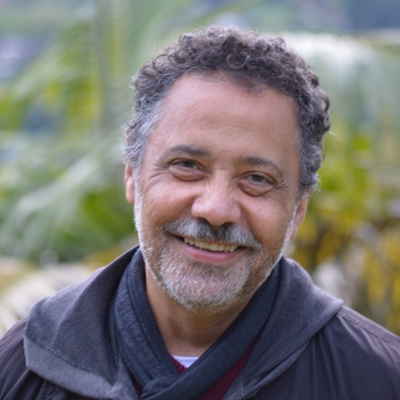
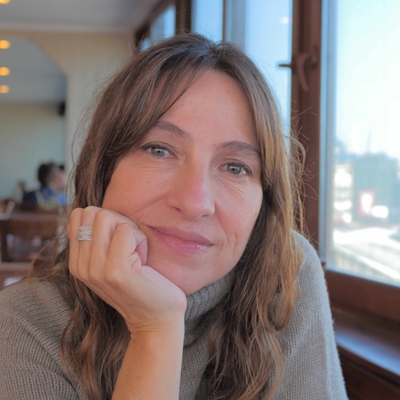
Alonso Sánchez Baute in conversation with Marta Hincapié
La mirada de Humilda
Museo de Arte Religioso de Jericó
The Colombian writer and journalist Alonso Sánchez Baute, author of novels, books of chronicles and essays, and even the original story of the successful soap opera Leandro, will talk about his latest book, La mirada de Humilda (The Gaze of Humilda), in which, based on the experience of the death of his pet, he deals with themes such as love, grief, friendship, the absence of resentment, the feeling of loss, loneliness and the infinite pain of absence; and which delves into the question, "Are we only when we are accompanied? He will talk about it with Marta Hincapié.
Event TE2
Emiliano Becerril, Nicolás Cuéllar Camarena, Zacarías Lara and Susana Romanos in conversation with Diego Aristizábal
Inside pages: it’s not all about the multinationals
Sede Talento Editorial
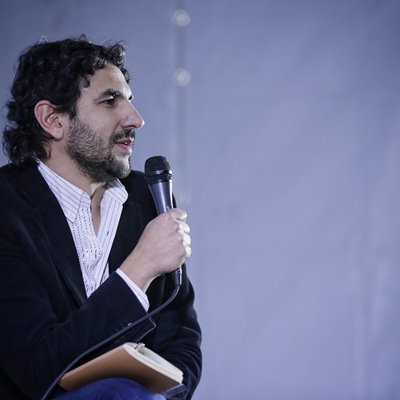
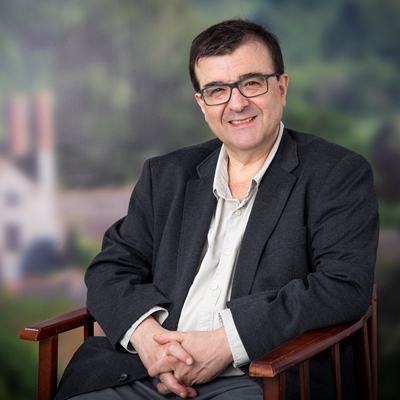
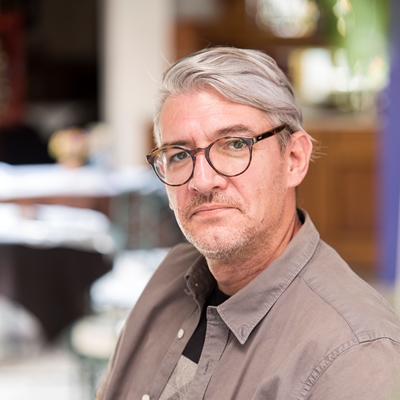
In recent decades, the publishing market has experienced a striking degree of concentration, becoming dominated by a handful of publishing conglomerates, and the arrival of the pandemic has brought even more difficulties to independent publishers. Nonetheless, even considering the problematic outlook, small publishers continue to resist with a startling richness and diversity of proposals. On this occasion, we will talk to young Mexican and Spanish publishers who have managed to find a market niche even during these difficult times, at the head of projects of great professionalism and cultural ambition. Emiliano Becerril (Elefanta Editorial, Mexico), Nicolás Cuéllar Camarena (Dharma Books+Publishing, Mexico), Zacarías Lara (Editorial Barrett, Spain) and Susana Romanos (Greylock Editorial, Spain). They will talk to Diego Aristizábal.
With the support of AECID
Event 3
With the support of SURA, Bancolombia and Protección
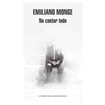
Buy the books for this event
Event 7
Santiago Rojas in conversation with Gabriel Mesa Nicholls
Beyond medicine
Teatro Santamaría de Jericó
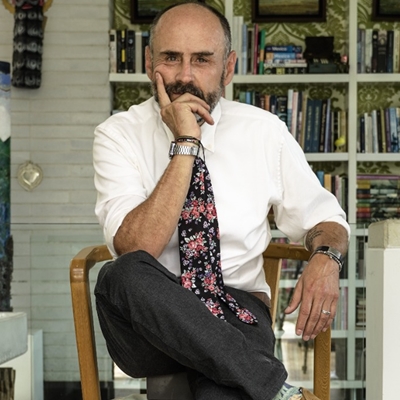
A very relevant conversation about the human body, the healing and pain, with doctor Santiago Rojas (Colombia), lecturer, science communicator and specialised in palliative cancer care and integrative medicine. In conversation with Gabriel Mesa Nicholls.

Event 8
Elisa Guerra, Yayo Herrero and Paula Marcela Moreno in conversation with Cristina Fuentes La Roche
Visions of the future: information, education and feminism
Museo de Arte Religioso de Jericó
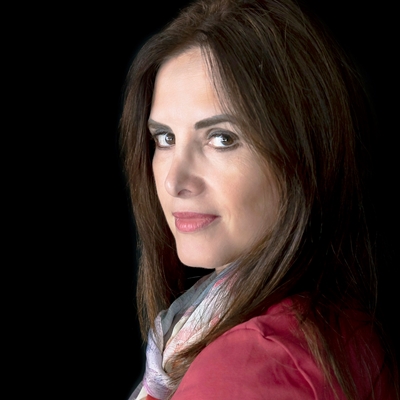
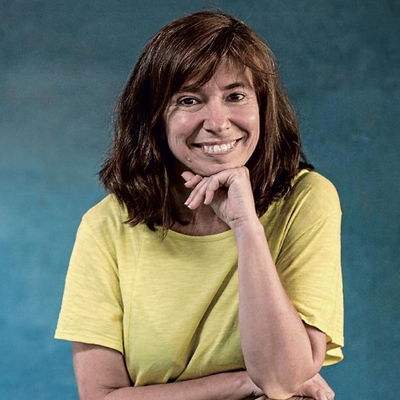
An important talk on burning issues, with three proposals for the future to build a better world, by participants in the festival who, from their respective trenches and countries, raise problems and solutions needed for a world in crisis. With educator and writer Elisa Guerra (Mexico), environmental activist and feminist Yayo Herrero (Spain) and social leader and activist Paula Marcela Moreno (Colombia), in conversation with Hay Festival Director Cristina Fuentes La Roche.
With the support of Acción Cultural Española, AC/E

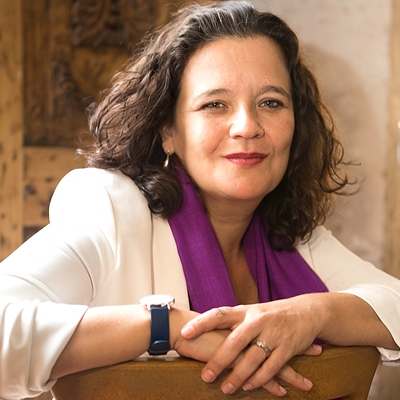
Event TE3
Nancy García, Eduardo Loza and Carlos Rojas
Fixing what is broken: the state of the book in Latin America. A Lecturable marketing agency project
Sede Talento Editorial
With the support of AECID
Event 9
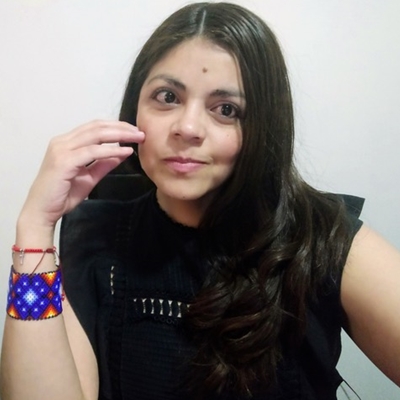
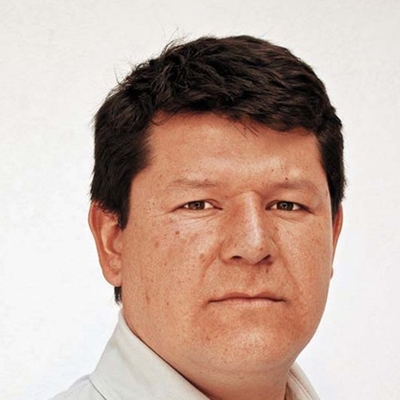
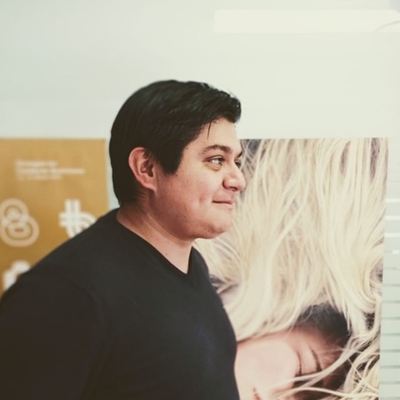
Poetry Gala
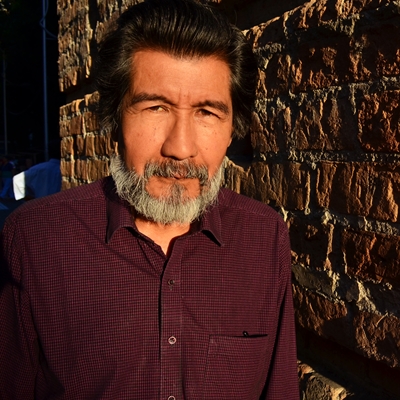
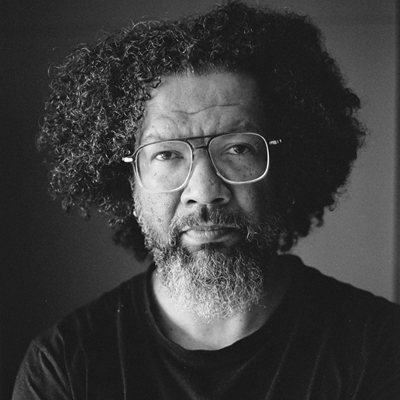
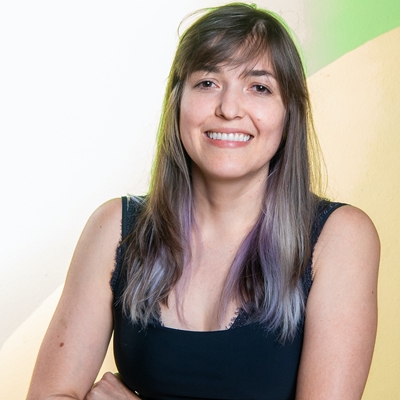
Horacio Benavides, Manuela Gómez, Mónica Quintero and Juan Mosquera Restrepo
Teatro Santamaría de Jericó

Event 4
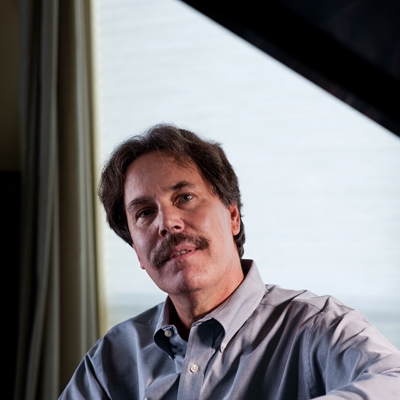
Ted Gioia in conversation with Mariana H (Spanish version)
Is subversion in music dead?
Llwyfan Digidol Cymru – Wales Digital Stage
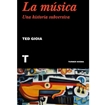
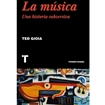
The US jazz expert Ted Gioia, a musician, composer, writer and lecturer, will talk to Mariana H. Together they will explore some of the ideas about music that Gioia has presented in his latest book, Music. A Subversive History (2019). This long essay presents the history of music, but instead of looking at matters of technique or style, it focuses on the relationship between music and everyday life, human experience, socio-political movements and pop culture. The conversation that all music-lovers have been waiting for.
With the support of Editorial Turner of its 50th Anniversary

Event 11
Indhira Serrano in conversation with Juan Mosquera Restrepo
Reconstructing Imaginaries
Teatro Santamaría de Jericó
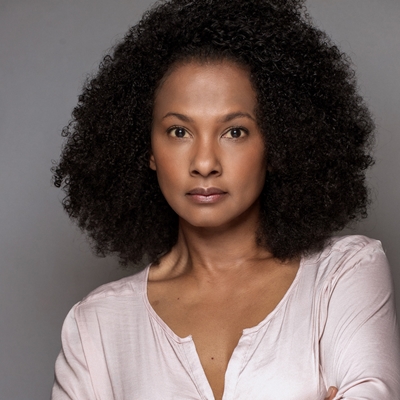
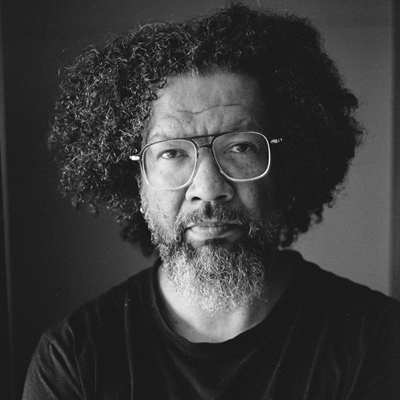
From her experiences of racism and inequality, Indhira Serrano (Colombia) will talk with Juan Mosquera Restrepo about how to overcome exclusionary imaginaries for racialized people, launching a message of self-acceptance, respect for differences and pride in Afro-Latino heritage. Serrano was a model, which gave her an insider's view of how the media influences people's self-perception. In addition, since 2015 she has been developing a series of conferences and workshops entitled Reconstruyendo imaginarios (Reconstructing Imaginaries), where she reflects on the relationships we have with money, education, our partner and power.
Event TE4
Juan Pablo Grunewaldt, Esteban Restrepo and Marc Subirats in conversation with Myriam Vidriales
Has the digital book trade in Ibero-America exploded?
Sede Talento Editorial
All the figures seem to indicate that, during the pandemic, online sales platforms have positioned themselves strongly in the Ibero-American book market. Companies that specialize in this area, hardly known in pre-pandemic days, have become major actors and are able to fight the giants of digital commerce for spaces and customers. Juan Pablo Grunewaldt (Buscalibre.com, Santiago, Chile), Esteban Restrepo (Buks Librería, Medellin) and Marc Subirats (Bookshop, Barcelona) will talk to Myriam Vidriales.
With the support of AECID
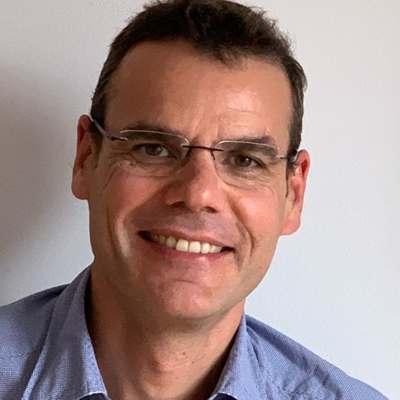
Event 12
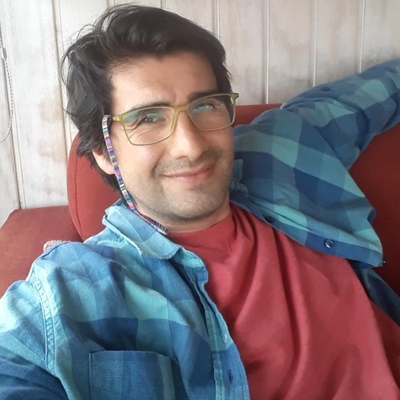
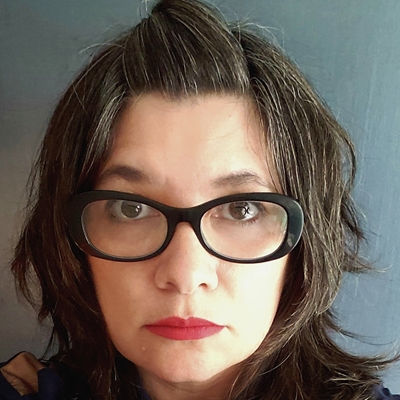
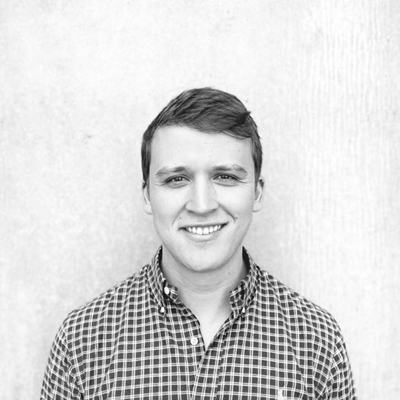
Daniel Mordzinski in conversation with Juan Diego Mejía
Remembering Luis Sepúlveda
Museo de Arte Religioso de Jericó
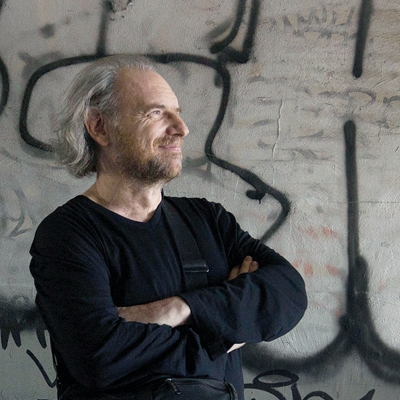
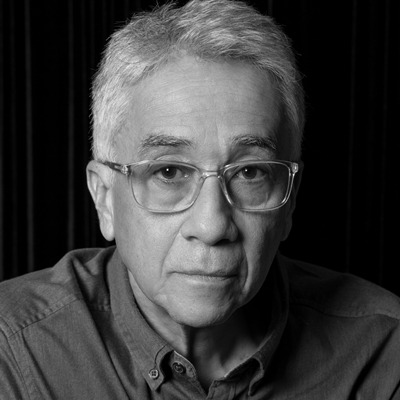
Event 4-En
Ted Gioia in conversation with Mariana H (English version)
Is subversion in music dead?
Llwyfan Digidol Cymru – Wales Digital Stage
The US jazz expert Ted Gioia, a musician, composer, writer and lecturer, will talk to Mariana H. Together they will explore some of the ideas about music that Gioia has presented in his latest book, Music. A Subversive History (2019). This long essay presents the history of music, but instead of looking at matters of technique or style, it focuses on the relationship between music and everyday life, human experience, socio-political movements and pop culture. The conversation that all music-lovers have been waiting for.
With the support of Editorial Turner of its 50th Anniversary
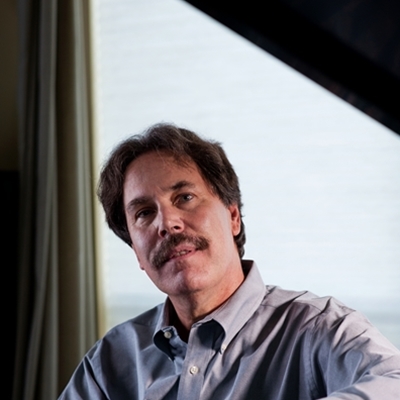

Explore All Genres
- Afrodescendencias
- Latin America
- South to North
- Art
- Arts & Culture
- Children
- Culture
- Design
- Drawing
- Economics
- Equality
- Fashion
- Film
- Food
- Gender
- History
- Human Rights
- Indigenous Cultures
- Journalism
- Language
- Law
- Literature
- Music
- Nature & Environment
- Philosophy
- Photography
- Podcast
- Poetry
- Politics
- Psychology
- Religion
- Science
- Sport
- Technology
- Theatre
- Workshops
- World Affairs

Partner for Latin America

Principal Sponsors


Government Partners