Hay Festival Cartagena 2027
The twenty-second edition of Hay Festival Cartagena de Indias will be held from January 28 to 31. On this page you can find the events in the general programme, as well as Hay Festival Joven activities for university audiences, Hay Festival Comunitario sessions which take place in different areas of Cartagena, and Reading Clubs.
For any inquiries, please contact tickets@hayfestival.org and contacto@hayfestival.org.
Event HFC1
Community reporting workshop with Catalina Gómez Ángel
Institución Educativa Politécnico del Pozón
Read more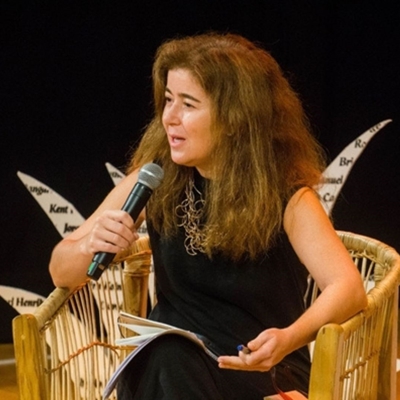
Event HFC2
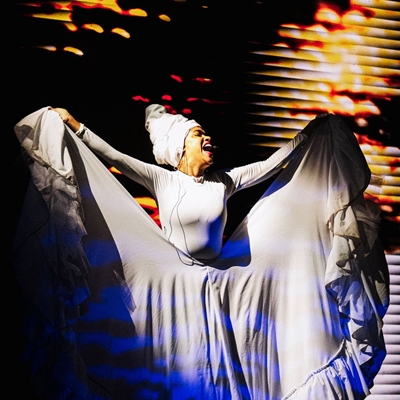
Performance of 105 Ciudad Heroica: where history becomes a performance
Hay Festival Comunitario inaugural event
Institución Educativa Politécnico del Pozón
Read moreBetween August and December 1815, Cartagena de Indias withstood the siege and naval blockade imposed by the Spanish-Venezuelan forces. The city, defended by patriots and civilians, was surrounded by land and sea. Without food or supplies, hunger, disease and despair decimated the population. After 105 days, the last defenders set sail into exile and the first republic fell. Since then, Cartagena has been known as the Heroic City. 105 Ciudad Heroica is a stage production that brings together dance, folklore, circus, original music and visual projections. With over 35 performers on stage, it is an emotional and visual journey that transforms the way we see Cartagena into a tribute to the Caribbean, the body and the city.
Event HFC3
Educommunication workshop with Camilo Díaz and Marelbi Olmos
Shifting perspectives: from virality to veracity
Institución Educativa El Salvador - Nelson Mandela
Read more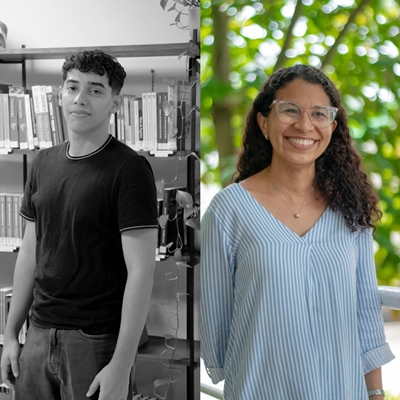
Event 1
Inaugural event to be confirmed
Teatro Adolfo Mejía
Read moreSponsored by El Tiempo
Event HFJ1
How can we move towards an anti-racist Cartagena?
Round table conversation
Universidad de Cartagena, Claustro de San Agustín (Biblioteca)
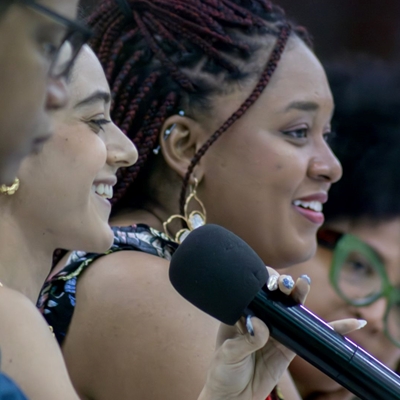
Read moreThe Hay Festival Joven Cartagena 2027 invites you to its round table conversations, an adaptation of the discussion format created by the American artist and activist Lois Weaver. It is an open, non-hierarchical and horizontal gathering where everyone present has the same level of participation and influence. There will be no moderators, only hosts. An invitation to generate collective, diverse and, at times, contrasting reflections. The conversation begins with the following question: how can we move towards an anti-racist Cartagena? The table is set; the microphones are open. We invite you to be part of this conversation.
Event host: Ariel Sudea.
Event HFJ2
How can we stop environmental degradation?
Round table conversation: Ecological Action
Universidad Tecnológica de Bolívar (sede Manga)
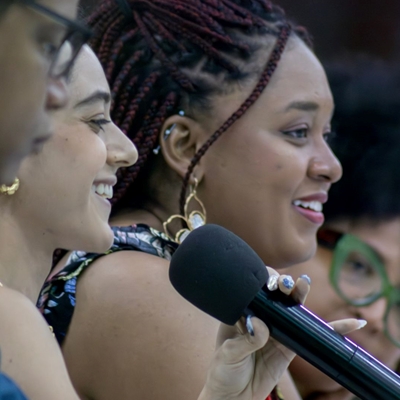
Read moreThe Hay Festival Joven Cartagena de Indias 2027 invites you to its round table conversations, an adaptation of the discussion format created by the American artist and activist Lois Weaver. An open, non-hierarchical and horizontal gathering, where everyone present has the same level of participation and influence. No moderators, just hosts. An invitation to generate collective, diverse and, at times, contrasting reflections. The conversation begins with the following question: what urgent collective changes do we need to halt environmental degradation in our city? The table is set; the microphones are open. We invite you to be part of this conversation.
Event hosts: Dana Díaz, José Ignacio Estupiñán, Josefina Klinger, Yuliana Sotomayor and Cristina Urzola.
Event HFC4
Workshop with Brillith Sossa
Stories we inherit, stories we invent
Institución Educativa Politécnico del Pozón
Read more
Event HFC5
La Chucua Récords creative workshop
An emotional travel map
Casa Cultural Las Pilanderas - El Pozón
Read more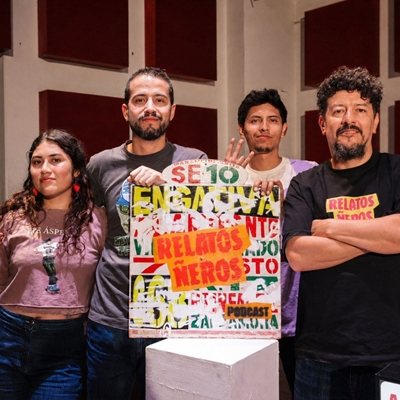
Event HFC6
Rosmery Armenteros workshop
Guardians of rights: my territory, my history, my voice
Hogar Infantil Comunitario La Abejita - Membrillal
Read more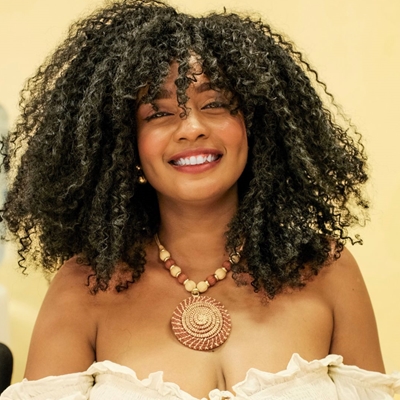
Event HFC7
Bird illustration workshop with Raeioul
From the skies to paper
Institución Educativa Puerto Rey
Read more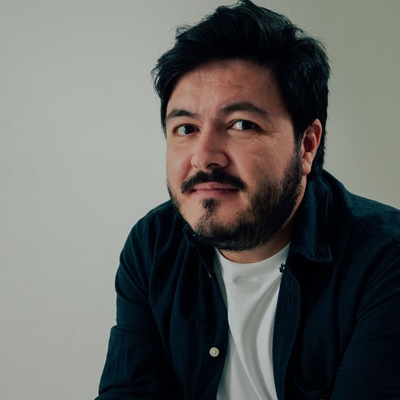
Event HFC8
Creative writing workshop with Mafe Piñeres
The reading habit, and the desire to write
La Canoa Literaria, Tierra Baja
Read more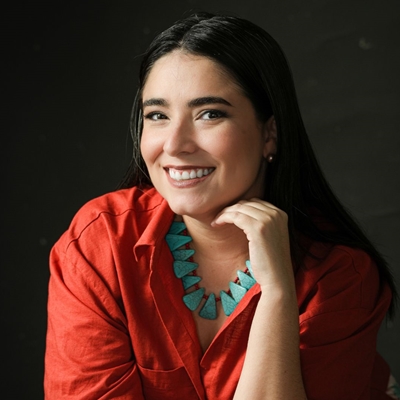
Event 2
Francisco Suniaga in conversation with Sandra Taborda
El Pacificador
Centro de Convenciones (Auditorio Getsemaní)
Read moreIn 1815, General Pablo Morillo arrived in the Americas at the head of a powerful military expedition to regain control of the territories that had rebelled against the Spanish Crown. The campaign, which he had envisaged as brief, would end up trapping him in a war far more complex than anticipated, in which even Simón Bolívar’s leadership was threatened by divisions amongst the independence fighters, before he finally managed to defeat Morillo. In El Pacificador, Francisco Suniaga reconstructs that conflict on the basis of rigorous historical research and explores the rifts that characterised both sides. In conversation with Sandra Taborda.
Event 3
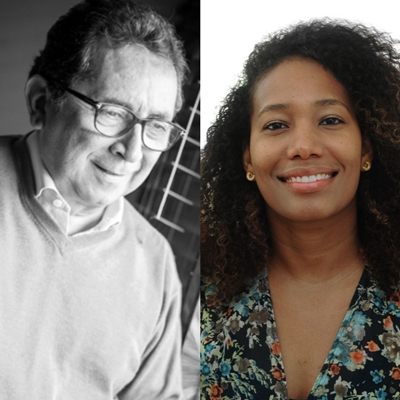
Viña Machado in conversation with Nancy Velandia
Earth, air, water and fire.
Centro de Convenciones (Salón Barahona)
Read moreThe dead calm of the Caribbean has little to do with peace and much to do with pent-up energy that patiently awaits its moment to erupt and rise to the surface. In La calma del volcán, the Colombian actress and model Viña Machado makes her debut with a visceral and intimate collection of poems born of heat and stillness. Through the four elements of nature, she traces the stages of a romantic relationship: rootedness, suspension, overflow and eruption unfold in direct, sensory language. In this conversation with Nancy Velandia, she will unpack these deeply personal texts, written in secret over more than two decades and brimming with memory, eroticism, vulnerability and personal rediscovery.
Event 4
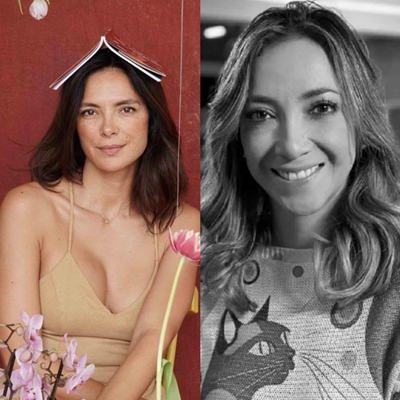
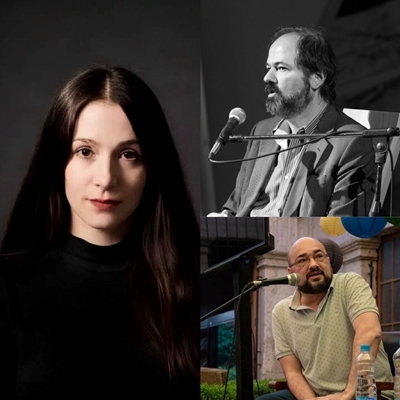
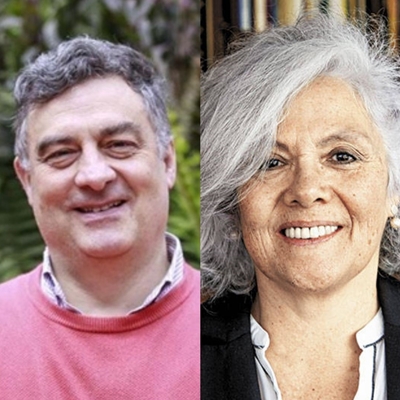
Screening of the documentary La casa, followed by a conversation between Eva Villaseñor and Juan Villoro in conversation with Juan Carlos Pérez
Teatro Adolfo Mejía
Read moreFor decades, Gabriel García Márquez envisaged a novel called La casa, inspired by the house he lived in in Aracataca with his grandparents. That idea eventually became One Hundred Years of Solitude, which he wrote while living in Mexico City. In this documentary directed by Eva Villaseñor, Gonzalo and Rodrigo García Barcha return for the first time to their home on Calle de La Loma, the place of their childhood, where Gabo wrote his masterpiece while they were still children. A perspective on the creation of One Hundred Years of Solitude never before told. Following the screening, BBC Mundo journalist Juan Carlos Pérez will talk to Villaseñor and the writer and journalist Juan Villoro, who conceived the original idea for the documentary.
Duration of the documentary: 60 minutesDirection: Eva Villaseñor
Country: Mexico
Event HFJ3
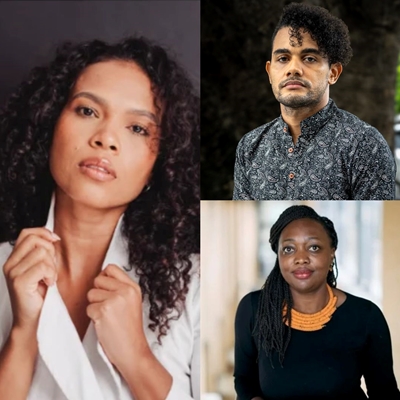
Karen Gaviria Moreno and Julio César Márquez Ariza in conversation with Paula Moreno
Cartagena writes itself
Universidad de Cartagena, Claustro de San Agustín (Biblioteca)
Read moreKaren Gaviria Moreno and Julio César Márquez Ariza, authors from Cartagena featured in the anthology Vanguardias negras as part of Manos Visibles’ Vení, te leo programme, discuss a central question set against the backdrop of the city of Cartagena de Indias: Who has the right to tell a city’s story? The image of the city changes when it is told through the voices of the writers who inhabit it, recall it, question it and imagine it. The postcard-perfect, idyllic image takes a back seat as we turn to discuss representation, territory, memory, neighbourhood and identity.
Event HFJ4
Specific practices for an equal reality
Round table conversation: Gender
Universidad Tecnológica de Bolívar (sede Manga)
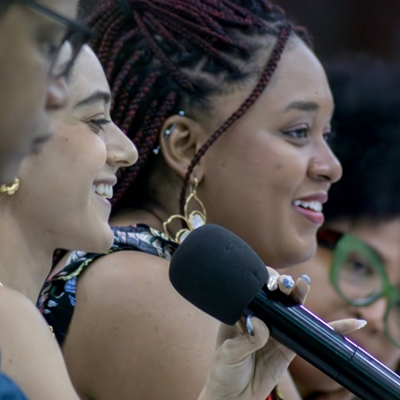
Read moreThe Hay Festival Joven Cartagena de Indias 2027 invites you to its round table conversations, an adaptation of the discussion format created by the American artist and activist Lois Weaver. An open, non-hierarchical and horizontal gathering, where everyone present has the same level of participation and influence. No moderators, just hosts. An invitation to generate collective, diverse and, at times, contrasting reflections. The conversation begins with the following question: what discourses and practices do we need to implement in order to live in an egalitarian society? The table is set; the microphones are open. We invite you to be part of this conversation.
Event hosts: Salomé Blandón, Julieth Cuesta, Jesús Daniel Osuna, Gabriela Pérez and Mercedes Posada.
Event 5
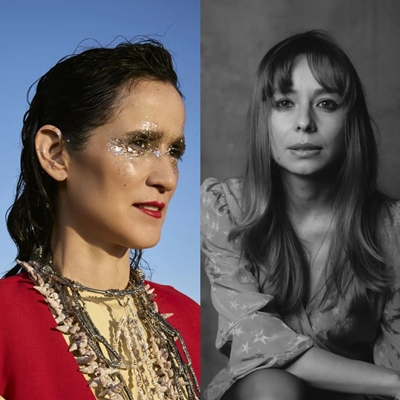
Julieta Venegas in conversation with Vanessa Londoño
Going back north, going back to the beginning
Centro de Convenciones (Auditorio Getsemaní)
Read moreSURA invites
Event 6
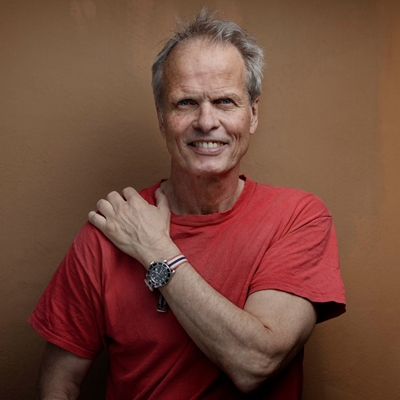
Erling Kagge in conversation with Johana Amaya
North Pole. History of an icy obsession
Centro de Convenciones (Salón Barahona)
Read moreIs there anything worth travelling 800 kilometres on foot for, enduring temperatures of forty-two degrees below zero and surviving a polar bear attack? Erling Kagge would have a very clear answer to that. When this explorer, writer and editor reached the North Pole in 1990, he became a living legend of polar exploration. But that vast white expanse left a mark on him far beyond the physical strain of a journey undertaken without assistance or resupply. What drove him to set off? And how did his world change once that obsession faded? In this conversation with Johana Amaya, he explores the price of ambition, inner silence and the art of pressing on when everything is against you.
Simultaneous interpretation from English to Spanish available
With the support of NORLA
Event 7
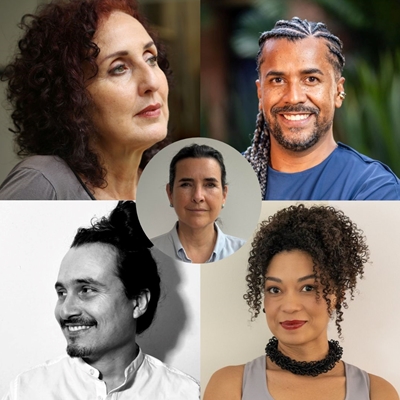
Viviana Ángel, Yoseth Ariza, Josefina Klinger, Ricardo Rodríguez and Velia Vidal in conversation with Marianne Ponsford
Losing everything
Teatro Adolfo Mejía
Read moreThe earthquake that struck on 10 August 2026 was one of the most devastating in Colombia’s recent history. It was particularly tragic in the departments of Chocó, Risaralda and Valle del Cauca. When one loses everything, there is nothing left but to rebuild from the rubble, and in times of social crisis, cultural managers can also play an important role. It is they who can raise funds and collect essential supplies within their communities, and who can create spaces for remembrance and mourning through art, with workshops, discussions and gatherings that provide psychological relief. In conversation with Marianne Ponsford, we bring together several artists and cultural managers to share their insights on how to foster a sense of community through culture in the wake of a natural disaster.
Coorganized with FONTUR
Event HFJ5
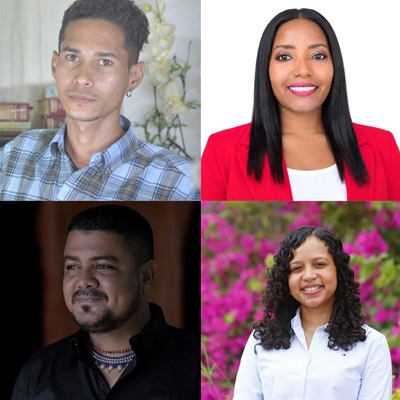
Fabián Fernández, Darling Rocha and Vincent Taborda in conversation with Lía Miranda
Hybrid fictions
Universidad de Cartagena, Claustro de San Agustín (Biblioteca)
Read moreNarraciones de naturaleza híbrida is the second anthology from the Cuento y Crónica Creative Writing Workshop in Cartagena, a project that won the 2025 literary creation grant from the Cartagena Institute of Heritage and Culture. This collection brings together short stories, literary non-fiction and watercolours that draw upon the aesthetics of graphic storytelling, with visual elements woven into the stories. The book was edited by the writer and cultural journalist David Lara Ramos. The intricate interplay between images and text lends the work a sense of beauty, high quality and aesthetic refinement designed to captivate the reader’s senses. The book is structured into three chapters that explore the full reach of the imagination and literature: Bestiario, Fitoantropomorfas, and Urbanoantropías. It is a nuanced work that showcases the remarkable talent of 12 young writers from Cartagena de Indias. Featuring Fabián Fernández, Darling Rocha, and Vincent Taborda, with moderation by the journalist Lía Miranda, the culture editor of the newspaper El Universal.
Event 8
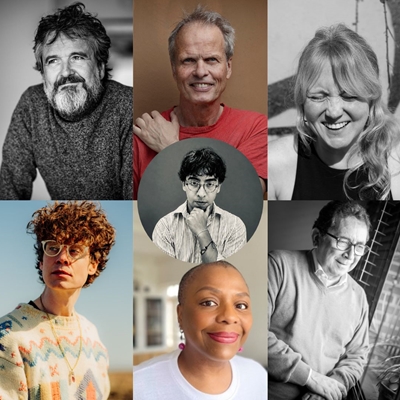
Carlo Cresto-Dina, Erling Kagge, Hollie McNish, Michael Pedersen, Lola Shoneyin and Francisco Suniaga in conversation with Diego Aretz
Maps for better understanding ourselves
Centro de Convenciones (Auditorio Getsemaní)
Read moreMaps are never neutral: they define borders, reflect power relations, record conflicts and reveal the ways in which societies imagine and organise the world. At a time of profound geopolitical change, marked by territorial disputes, migration, climate crises and new configurations of global power, cartographies take on renewed significance. Carlo Cresto-Dina, Erling Kagge, Hollie McNish, Michael Pedersen, Lola Shoneyin and Francisco Suniaga will share different ways of interpreting and narrating the world. Each will choose their own physical, cultural, linguistic or emotional map and discuss how these shape our understanding of identity, memory, territory and a sense of belonging. In conversation wtih Diego Aretz.
Simultaneous interpretation from English to Spanish available
With the support of NORLA and the British Council
Event 9
Carl Henrik Langebaek in conversation with Margarita Serje
Doubting our certainties, meeting other worldviews
Centro de Convenciones (Salón Barahona)
Read moreWhat can we learn from other ways of thinking about the world? The anthropologist Carl Henrik Langebaek (Colombia) has spent decades studying pre-Hispanic societies; in Pensar con los indígenas, he offers an overview of how Indigenous groups wield power. Rather than idealizing them as guardians of ancestral wisdom —or, conversely, reducing them to people anchored in the past— he challenges some of our long-held certainties, particularly regarding how we conceive of power and the boundaries between good and evil. In a world dominated by authoritarian leaders, competition and the accumulation of wealth, indigenous ways of thinking teach us that there is no single form of understanding reality and that any attempt to accumulate power is dangerous. He will be in conversation with Margarita Serje.
With the support of Open Society Foundations
Event 10
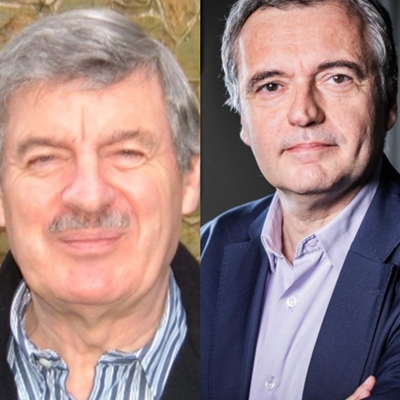
Gerald Martin in conversation with Xavi Ayén
The Englishman who wrote about Gabo
Teatro Adolfo Mejía
Read moreGabriel García Márquez by the Hispanist and biographer Gerald Martin (United Kingdom) is regarded as the most comprehensive and acclaimed biography of Gabriel García Márquez. The author devoted more than eighteen years of meticulous research to the work, drawing on direct collaboration with Gabo himself, as well as countless accounts from key figures in his circle. From his childhood in Aracataca to winning the Nobel Prize for Literature, it traces the various stages in the life of a writer ‘whose life was as extraordinary as his novels’. Martin will talk to Xavi Ayén about the biography and his love of Latin American literature.
With the support of the British Council
Event 11
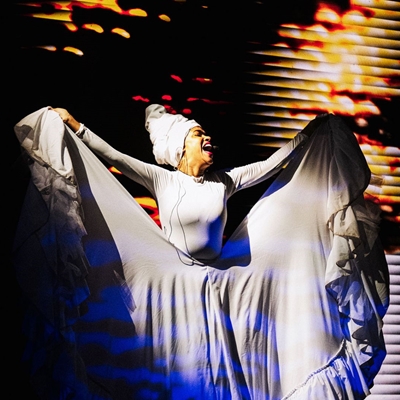
105 Ciudad Heroica: where history becomes a performance
Centro de Convenciones (Explanada)
Read moreBetween August and December 1815, Cartagena de Indias withstood the siege and naval blockade imposed by the Spanish-Venezuelan forces. The city, defended by patriots and civilians, was surrounded by land and sea. Without food or supplies, hunger, disease and despair decimated the population. After 105 days, the last defenders set sail into exile and the first republic fell. Since then, Cartagena has been known as the Heroic City. 105 Ciudad Heroica is a stage production that brings together dance, folklore, circus, original music and visual projections. With over 35 performers on stage, it is an emotional and visual journey that transforms the way we see Cartagena into a tribute to the Caribbean, the body and the city.
Event HFC9
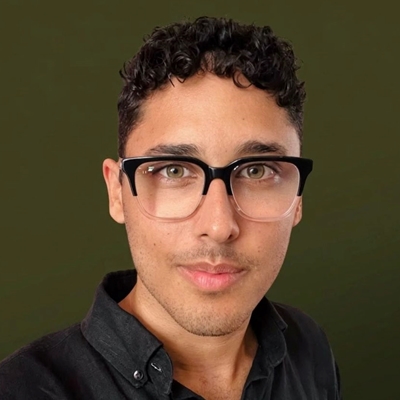
Art workshop with Omar Barboza
Little golden fish
La Canoa Literaria, Tierra Baja
Read moreIn One Hundred Years of Solitude, Colonel Aureliano Buendía spends his days making little golden fish in his workshop. Drawing on this image, this event invites each participant to create their own little gold fish by exploring materials and forms: a figure that will also be the protagonist of a story yet to be invented. The filigree tradition of Mompox will accompany the process as a cultural reference point and visual inspiration. Workshop led by Omar Barboza.
Event HFC10
Bird illustration workshop with Raeioul
From the skies to paper
Ludoteca Los niños primero - Bayunca
Read more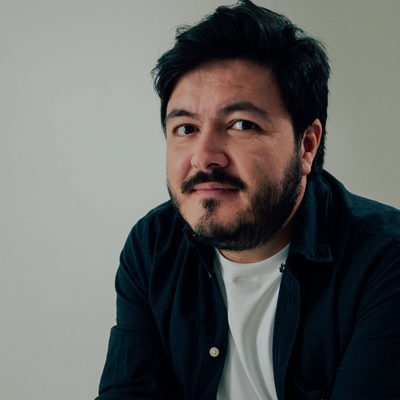
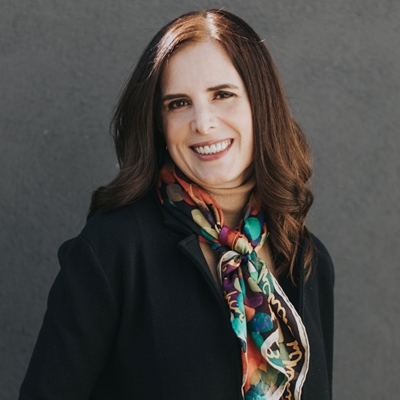
Event HFC11
Workshop for teachers with Elisa Guerra
The happiness curriculum
Institución Educativa Politécnico del Pozón
Read moreSince the pandemic began, rates of depression and anxiety amongst children and teenagers have soared. Even before COVID, there was already talk of the importance of social and emotional learning in schools. But can happiness be taught? Elisa Guerra will analyse the scientific evidence on emotions and education, as well as India’s specific experience with its ‘happiness curriculum’, now renamed the Science of Living.
Event CL1
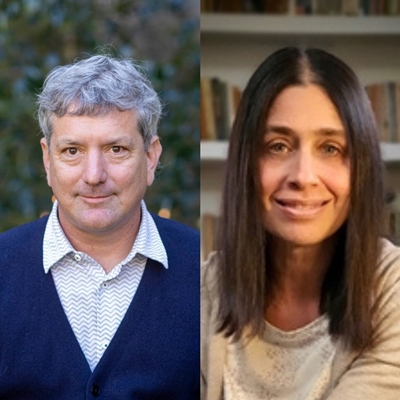
Book club with Santiago Roncagliolo and Ana María Aponte
The shepherd and the wolves
Casa Hay Festival SURA/Bancolombia (Centro de Convenciones)
Read moreThe Hay Festival Cartagena de Indias book clubs offer intimate gatherings with a selection of programme guests. They provide a space for in-depth discussion of their most recent works. In this session, Santiago Roncagliolo (Peru) will talk to Ana María Aponte about El pastor y los lobos.
Book to be read before attending
Event HFC12
Event with Camila Charry Noriega
Mi perra y yo subimos por el ascensor
Centro de Formación de la Cooperación Española (Biblioteca)
Read more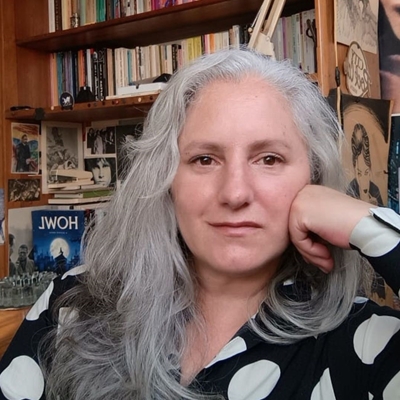
Event 12
Giuliano da Empoli in conversation with Juan Gabriel Vásquez
The power that works through the digital world
Centro de Convenciones (Auditorio Getsemaní)
Read moreThe new digital landscape offers political predators the ideal conditions in which to thrive. Autocratic leaders and tech magnates have much in common: they do not wish to be held to account, and they abhor the regulations and constraints of democracies. They may not share extremist political ideologies, but they share the same vision when it comes to power. The sociologist Giuliano da Empoli (Italy/Switzerland), one of today’s most incisive political analysts, dissects the psychology of the new global leadership in L’ora dei predatori, with the aim of understanding the world that lies ahead. He warns of the fragility of democratic institutions in the face of this shifting dynamic and cautions that, sooner or later, a direct confrontation will be necessary to bring the technological sphere under control.
Simultaneous interpretation from French to Spanish available
SURA and Bancolombia invite
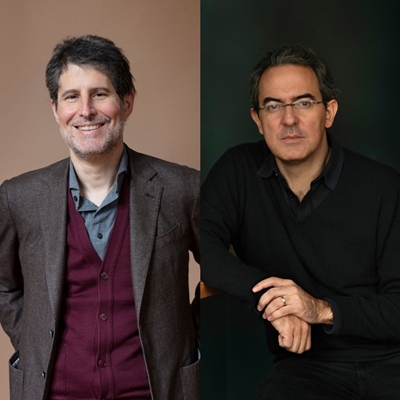
Event 13
Lucía Solla Sobral in conversation with Vanessa de la Torre
Prose both delicate and raw
Centro de Convenciones (Salón Barahona)
Read moreWinning both the Ojo Crítico and Cálamo Book of the Year awards with her first novel is not something many writers can achieve. But Lucía Solla Sobral (Spain) has become a publishing sensation with Comerás flores. Can a book change a writer’s life? It seems so. Much of the success is down to prose that oscillates between an aesthetic contrast of delicacy and rawness, and an exploration of what it means to be young, to come of age and to forge one’s own identity. Together with Vanessa de la Torre (Colombia), she will discuss love, unequal relationships and grief – emotions experienced by the novel’s protagonist, Marina, a young graduate who has recently lost her father.
With the support of Acción Cultural Española, AC/E
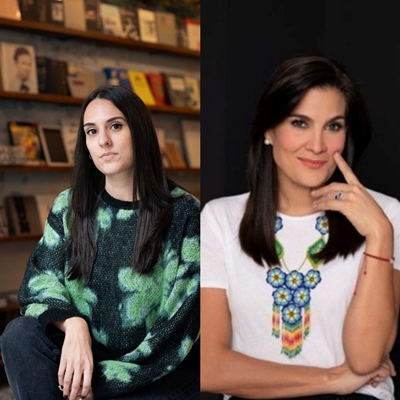
Event 14
Alain Mabanckou, Claudia Rankine, Lola Shoneyin and Velia Vidal in conversation with Juan Esteban Lewin
Who speaks for the world?
Teatro Adolfo Mejía
Read moreUnderstanding the world also depends on who is trying to explain it. And on the perspective from which they do so. We have brought together a novelist who explores African identity and the diaspora, Alain Mabanckou; a poet and essayist who examines racism and its effects on everyday life, Claudia Rankine; a writer who addresses women’s experiences and the tensions of domestic life, Lola Shoneyin, and a writer and cultural manager who champions Afro-Colombian memory and territory, Velia Vidal, to try to understand who speaks for the world. In conversation with Juan Esteban Lewin, they will question who has the right to narrate an experience, and will emphasise the importance of new narratives that also give a voice to those on the margins.
Simultaneous interpretation from English to Spanish available
With the support of Open Society Foundations
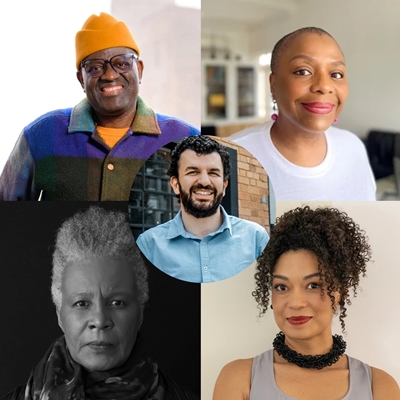
Event 15
Piedad Bonnett and Diamela Eltit in conversation with Xavi Ayén
Cuadernos hispanoamericanos: body, violence and the margins
Centro de Formación de la Cooperación Española (Patio)
Read moreThe journal Cuadernos hispanoamericanos promotes understanding and exchange amongst writers of different generations and nationalities, united by a shared language and a literary tradition enriched by these diverse origins. In this special discussion, Piedad Bonnett, author of La voz de las cosas, and Diamela Eltit, author of Falla humana, talk to Xavi Ayén about their works, the body, violence and the voices that are left out.
With the support of Agencia Española de Cooperación Internacional para el Desarrollo AECID
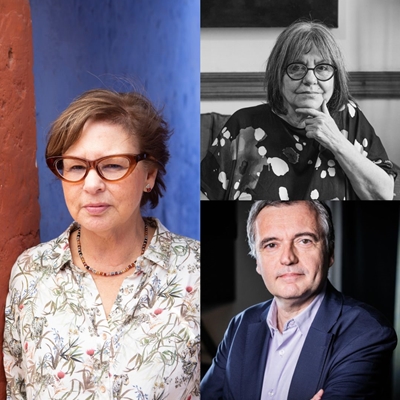
Event 16
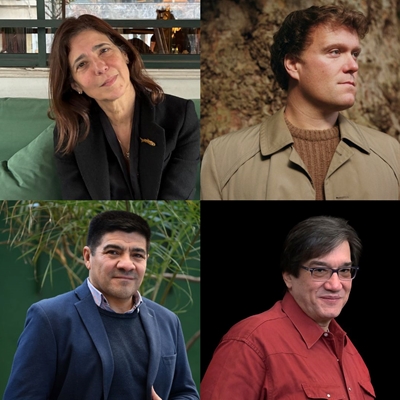
Silvana Paternostro, J.S. Tennant and Miguel Velárdez in conversation with Jaime Abello Banfi
Travelling and writing; writing and travelling
Palacio de la Proclamación (Auditorio Juan José Nieto)
Read moreMrs Gargantua, Pisar el hielo negro and Los mapas de mi regreso have something in common: all three are travel books in which their authors —J.S. Tennant, Miguel Velárdez and Silvana Paternostro— have captured their experiences in specific places they have travelled to, exploring both the territory itself and the people who live there. Tennant himself made this point in an interview conducted by the Gabo Foundation following his selection as the winner of the 2020 Michael Jacobs Travel Writing Fellowship: ‘A writer must engage with the place they are writing about; they must not merely pass through.’ The three authors will discuss travel writing with Jaime Abello Banfi.
With the support of Fundación Gabo and Michael Jacobs Travel Writing Grant
Event HFC13
Creative writing-reading workshop with Mafe Piñeres
We can all tell stories
Centro Comunitario Cerro Norte - Turbana (Bolívar)
Read more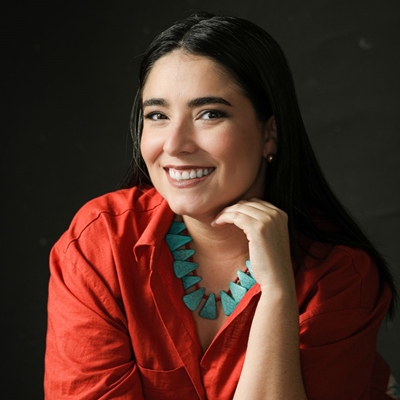
Event HFC14
Workshop with Rosmery Armenteros
Guardians of rights: my territory, my history, my voice
CDI Cristo Rey Sede 3 - Paraíso, Santa Rosa de Lima
Read more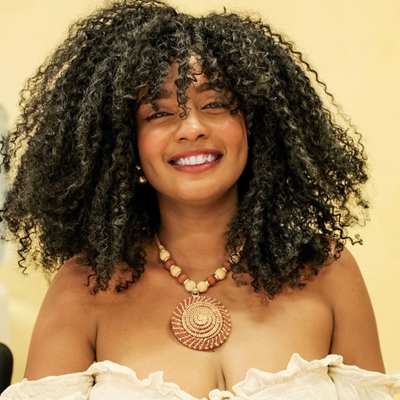
Event HFJ6
What stories should we preserve and reproduce?
Round table conversation
Universidad de Cartagena, Claustro de San Agustín (Biblioteca)
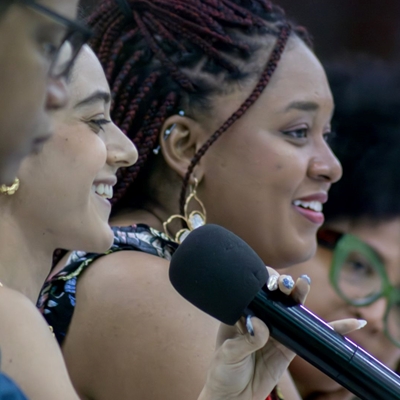
Read moreThe Hay Festival Joven Cartagena de Indias 2027 invites you to its round table conversations, an adaptation of the discussion format created by the American artist and activist Lois Weaver. An open, non-hierarchical and horizontal gathering, where everyone present has the same level of participation and influence. No moderators, just hosts. An invitation to generate collective, diverse and, at times, contrasting reflections. The conversation begins with the following question: Which narratives should we preserve and pass on? The table is set and the microphones are open. We invite you to be part of this conversation.
Event hosts: Rafael Acevedo and Jenny Ballestas.
Event 17
Jan Martínez Ahrens in conversation with Ricardo Ávila
El País event
Centro de Convenciones (Auditorio Getsemaní)
Read moreThe journalist Jan Martínez Ahrens (Spain) has been a privileged witness to events on the American continent for over a decade. Through his interviews with Latin American political figures such as Gabriel Boric, Lula da Silva, Iván Duque, Rodrigo Paz, Gustavo Petro and Claudia Sheinbaum, he has witnessed the evolution of a region brimming with opportunities and challenges. Currently editor-in-chief of the Spanish newspaper El País, he was previously head of the newspaper’s Americas bureau, as well as deputy editor and chief correspondent in the United States and Mexico, playing a key role in the newspaper’s growing presence in the region. In conversation with journalist and analyst Ricardo Ávila, he will discuss the political and social situation across the entire continent.
Accessibility: Colombian Sign Language interpretation
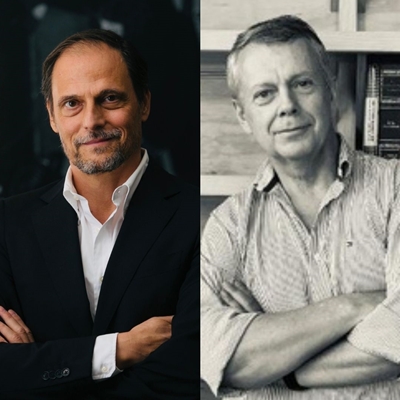
Event 18
Alain Mabanckou in conversation with Catherine Dunga
Citizens of the world. Writing in French from three continents.
Centro de Convenciones (Salón Barahona)
Read moreAlain Mabanckou is one of the most recognised voices in contemporary Francophone literature. A French citizen, born and raised in the Republic of the Congo, his novels, poems and non-fiction books explore the experience of the African diaspora in France. Verre Cassé was selected by The Guardian as one of the 100 best books of the 21st century; he has twice been shortlisted for the International Booker Prize and has received several awards, including the Renaudot Prize. In conversation with Catherine Dunga, Mabanckou will discuss how he uses elements of the oral tradition to strip written French of its solemnity, and how he manages to explore the relationship between Europe and Africa through humour and satire.
Simultaneous interpretation from French to Spanish available
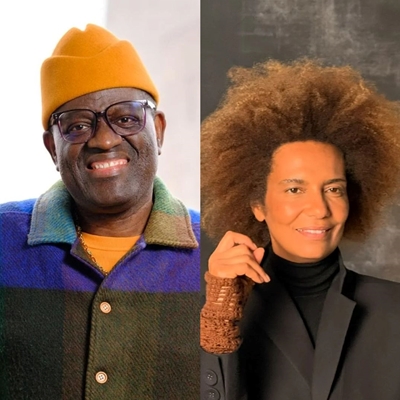
Event 19
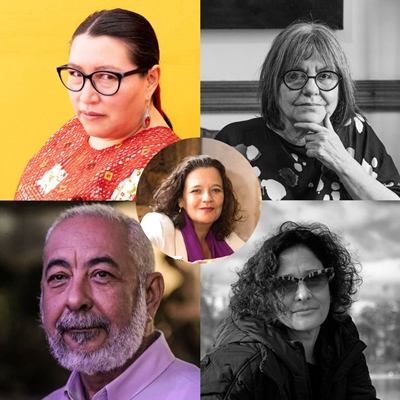
Yásnaya Elena A. Gil, Diamela Eltit, Leonardo Padura and Pilar Quintana in conversation with Cristina Fuentes La Roche
Medellín39, the new generation for a continent
Teatro Adolfo Mejía
Read moreBy the time this conversation takes place, we will already know the identities of the 39 writers who make up the Medellín39 list, which will comprise a selection of the best fiction writers in Latin America aged under 40. Yásnaya Elena A. Gil (México), Diamela Eltit (Chile), Leonardo Padura (Cuba) and Pilar Quintana (Colombia) are four of the five members of the Medellín39 jury. In conversation with Cristina Fuentes La Roche, International Director of the Hay Festival, they will share with the audience what caught their attention most among all the submissions received, what the deliberation process was like, and what stands out about this group of young writers who are continuing the legacy of the two Bogotá39 lists.
Explore All Genres
- Afrodescendencias
- Latin America
- Adventure
- Architecture
- Arts & Culture
- Biography
- Children
- Crime
- Culture
- Economics
- Education
- Equality
- Fiction
- Film
- Food & Travel
- Futures
- Gender
- Geography
- Heritage
- History
- Human Rights
- Ideas
- Indigenous Cultures
- Journalism
- Literature
- Memoir
- Music
- Nature & Environment
- Performance
- Philosophy
- Philosophy & Religion
- Photography
- Podcast
- Poetry
- Politics
- Psychology
- Science
- Society & Health
- Spanish Language
- Technology
- Theatre
- Thinking
- Travel
- World Affairs

Partner for Latin America
Principal Sponsors

Government Partners