Hay Festival Cartagena 2024
Hay Festival Cartagena de Indias 2024 was held from 25 to 28 January. In this page you can find the events in the general programme as well as Hay Joven activities for university audiences, Hay Comunitario sessions which took place in different areas of Cartagena, Reading Clubs and Talento Editorial.
Events video and audio is available on Hay Festival Anytime.
Event HJ1
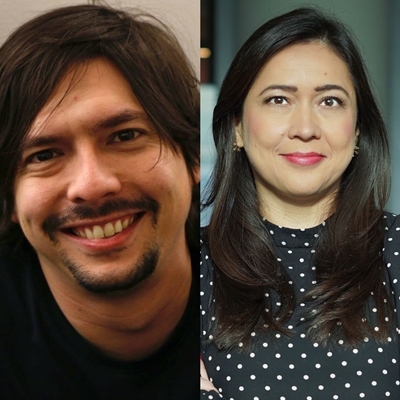
BBC Mundo journalism workshop
With Carlos Serrano and Ana María Roura
Universidad de Cartagena, Claustro de San Agustín (Biblioteca)
Read moreTwo journalists from one of the world’s most respected media outlets will give this journalism workshop aimed at university students. Carlos Serrano (Colombia) and Ana María Roura (Ecuador), members of the BBC Mundo team, will explain the Spanish-language work model of this British news service, which is over a hundred years old and is renowned for its news rigour and quality. Our guests will talk particularly about broadcasting content creation and managing the social media.
Event HJ2
Dahlia de la Cerda en conversación con Yusly Pérez Llerena
Hideouts, and having one’s own space
Universidad de Cartagena, Claustro de San Agustín (Biblioteca)
Read more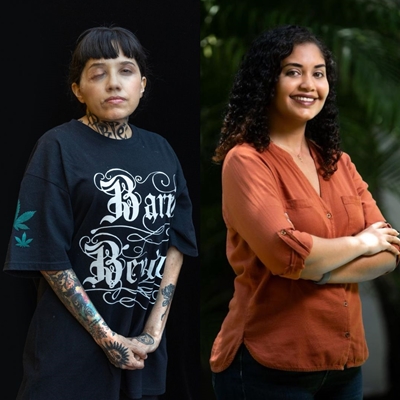
Event HJ3
Álvaro Ortiz in conversation with Lisette Urquijo
On graphic novel
Universidad Tecnológica de Bolívar (Sede Manga) - Auditorio Jorge Taua
Read moreÁlvaro Ortiz is a comic illustrator and author, the winner of numerous prizes and the creator of several graphic novels. His latest is written for children and is entitled La pequeña genia y la partida de shatranj. His work deals with matters related to the history of art, the past, travel and remote cultures. In conversation with Lisette Urquijo.
With the support of Acción Cultural Española (AC/E)
Event HJ4
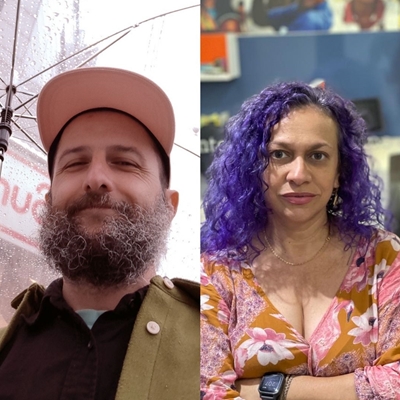
Eduardo Romero García in conversation with Esteban Vega Bedoya
Universidad de Cartagena, Claustro de la Merced (Salón Eréndira)
Read moreWith the support of Acción Cultural Española (AC/E)
Event HJ5
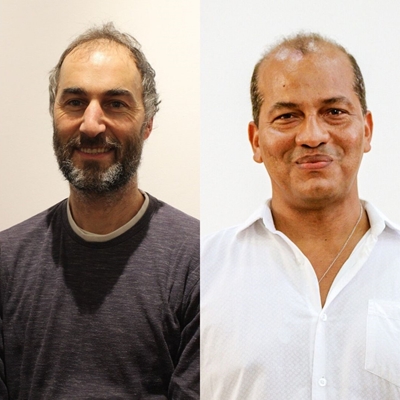
Brindy Cantillo y Martín Murillo en conversación con Carlos Díaz
Community culture management
Universidad de Cartagena, Claustro de San Agustín (Biblioteca)
Read moreWith the support of CAF
Event HJ6
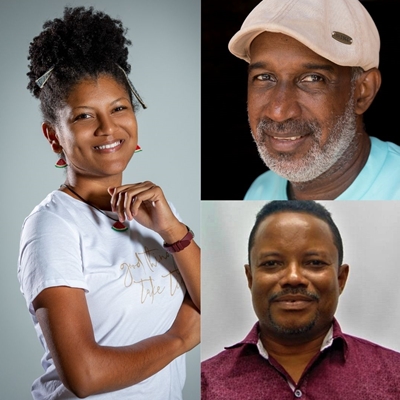
Alana S. Portero in conversation with Mar Márquez
The bad habit
Universidad Tecnológica de Bolívar (Sede Manga) - Auditorio Jorge Taua
Read moreWith the support of Acción Cultural Española (AC/E)
Event HJ7
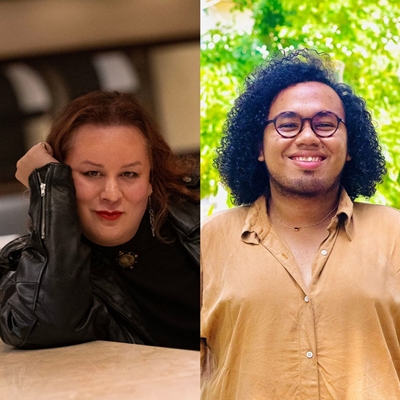
Tei Shi: talk and concert in conversation with Federico Ochoa
Universidad Tecnológica de Bolívar (Sede Manga) - Mini explanada Auditorio Jorge Taua
Read moreTei Shi (Valerie Teicher Barbosa) is a Colombian-Canadian singer and songwriter. Her lyrics, which were initially all in English, have gradually come to terms with her Hispanic roots, the result of the Latin music that was always playing around her; and also due to a particular source of inspiration, which is wishing to set poems written in Spanish to music. Her latest work, Bad Premonition, is composed of six songs that demonstrate how well she has consolidated her artistic personality after ten years of searching and introspection, thus opening a new phase of creative freedom and growth. She will offer a brief concert and will talk about her music career. In conversation with Federico Ochoa.
Event HJ8
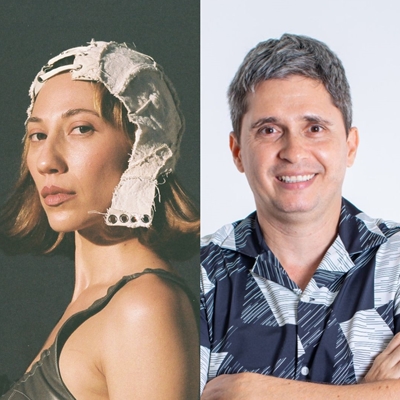
Ana Paula Maia y Fernanda Trías en conversación con Willian Malkún Castillejo
Shared truths
Universidad de Cartagena, Claustro de San Agustín (Aula Máxima de Derecho)
Read moreThe Hay Festival and the International Center for Transitional Justice (ICTJ) present the anthology Verdades compartidas, a project that reimagines Colombia after the peace process, written by ten Latin American authors. The project presents an inclusive and holistic vision of the peace process, and portrays not only the diversity of the country, but also sets the nation within the Latin American context. Three contributors to the anthology, Ana Paula Maia (Brazil) and Fernanda Trías (Uruguay) will talk about their texts, perspectives and feelings. In conversation with the Rector of Cartagena University, Willian Malkún Castillejo.
Simultaneous translation from Portuguese to Spanish available
With the support of The International Center for Transitional Justice (ICTJ) and the Swedish Embassy in Colombia
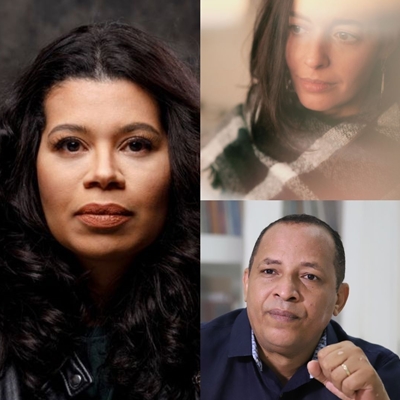
Event HJ10
Carlos Manuel Álvarez, Nona Fernández, Natalia García Freire in conversation Pablo Abitbol
Shared truths
Universidad Tecnológica de Bolívar (Sede Manga) - Auditorio Jorge Taua
Read moreWith the support of the International Center for Transitional Justice (ICTJ) and the Swedish Embassy in Colombia
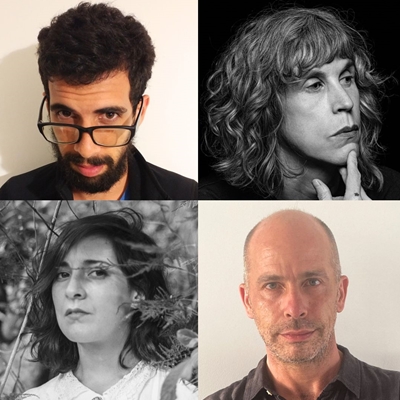
Event HJ11
Julio Victoria in conversation with Aroldo Mondol Quintana
Universidad de Cartagena, Claustro de San Agustín (Biblioteca)
Read more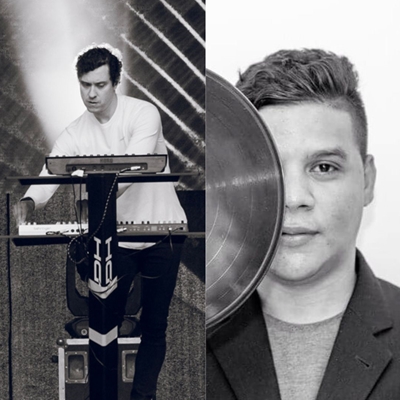
Event HJ12
Gabriela Cabezón Cámara in conversation with Deiver Juez Correa
Universidad de Cartagena, Claustro de San Agustín (Biblioteca)
Read more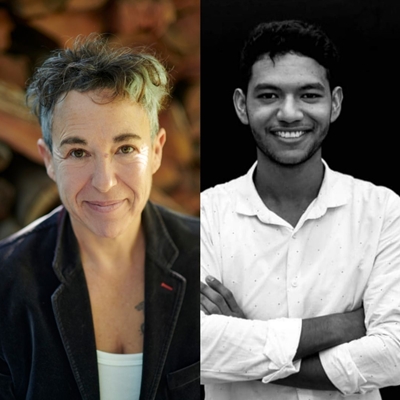
Event HJ13
Jorge Comensal in conversation with Laura Martínez Salcedo
This boiling vacuum
Universidad de Cartagena, Claustro de la Merced (Salón Eréndira)
Read moreJorge Comensal is the author of the novel Las mutaciones (2019) and the essay Yonquis de las letras (2017). He has contributed to media outlets such as Gatopardo, Tierra Adentro, The Literary Review and The Paris Review. He has also edited the Revista de la Universidad de México magazine, been a recipient of the Foundation for Mexican Literature and the National Fund for Culture and the Arts, as well as a resident with the Jan Michalski Foundation. He presents Este vacío que hierve (2023), a novel that explores matters such as the malleable nature of space-time, the environmental crisis, family secrets, addiction and fanaticism. It knits together the stories of Karina, a 25-year old physicist; her alcoholic grandmother Rebeca; the parents of Karina, who died 18 years previously; Silverio, a guard at Mexico City’s biggest cemetery; a cryptic pyromaniac priest; Daenerys, an environmental activist; and the animals at the burning zoo of this story of fauna, mystery and solitude. He will talk to Laura Martínez Salcedo.
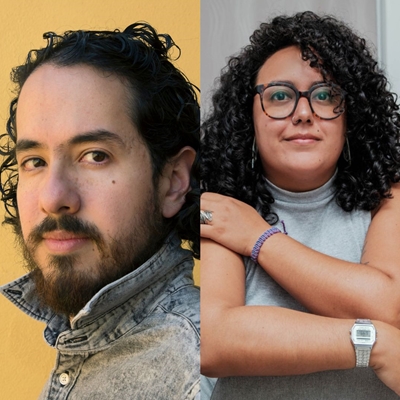
Event HJ21
100 years of La vorágine
Juan Cárdenas, Juan Carlos Flórez, Javier Ortiz Cassiani and Erna von der Walde in conversation with Margarita Valencia
Universidad de Cartagena, Claustro de San Agustín (Paraninfo)
Read moreWith the support of Ministerio de Cultura
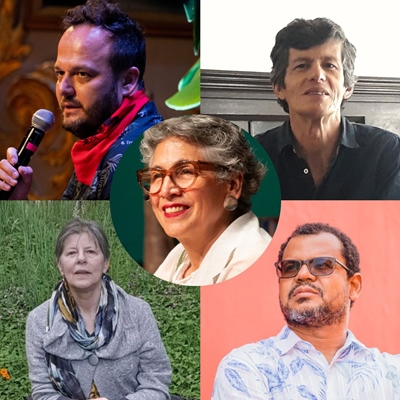
Event HJ9
Masterclass with Jon Lee Anderson
Exploring the world through the travel chronicle
Universidad Tecnológica de Bolívar (sede Manga) - Aula MB 204
Read morePresented by Javier Ramos.
To participate in the masterclass, please register here
With the support of the Michael Jacobs Foundation in the context of the 10th anniversary of the Michael Jacobs Travel Writing Grant
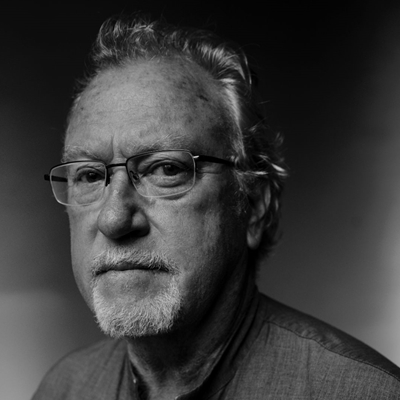
Event HJ14
Irene Solà in conversation with Graciela Franco
Universidad Tecnológica de Bolívar (Sede Manga) - Auditorio Jorge Taua
Read more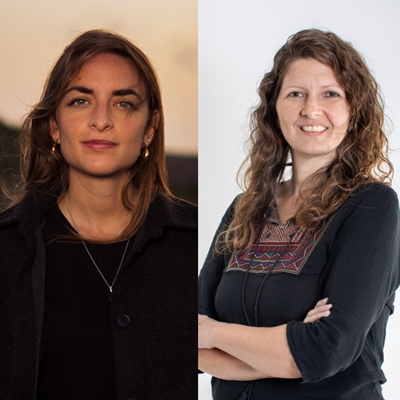
Event HJ15
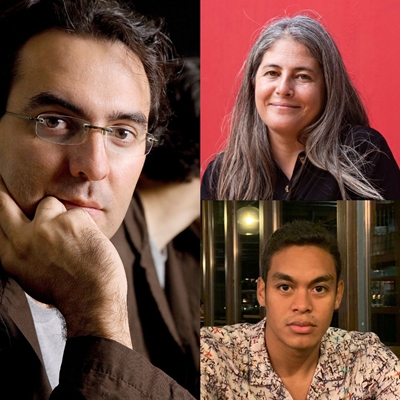
Juan Gabriel Vásquez and Selva Almada in conversation with Nelson Jiménez
Explorers, dreamers and thieves
Universidad de Cartagena, Claustro de San Agustín (Aula Máxima de Derecho)
Read moreCoorganised with Santo Domingo Centre of Excellence for Latin American Research (SDCELAR) at the British Museum
Event HJ16
Velia Vidal in conversation with Cindy Herrera
Universidad de Cartagena, Claustro de San Agustín (Biblioteca)
Read more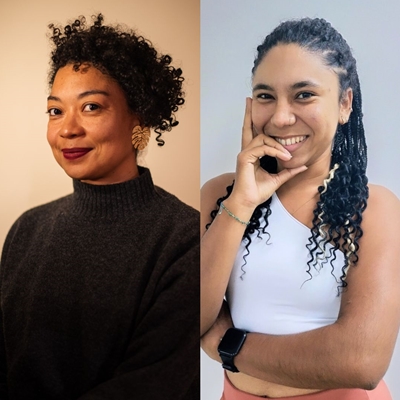
Event HJ18
Gerardo Meneses in conversation with Alexander Montes
Talking about war in times of peace
Universidad de Cartagena, Claustro de la Merced (Salón Eréndira)
Read more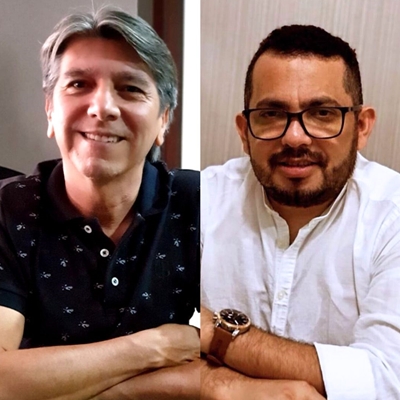
Event HJ17
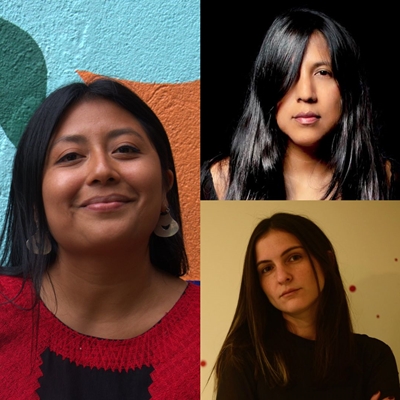
Josefa Sánchez Contreras and Gabriela Wiener in conversation with Daniella Sánchez Russo
Explorers, dreamers and thieves
Universidad Tecnológica de Bolívar (Sede Manga) - Auditorio Jorge Taua
Read moreCoorganised with Santo Domingo Centre of Excellence for Latin American Research (SDCELAR) at the British Museum
Event HJ20
Margarita Rosa de Francisco in conversation with Ricardo Chica Gelis
Universidad de Cartagena, Claustro de San Agustín (Paraninfo)
Read moreOver the course of four decades, and with 15 years as a columnist, Margarita Rosa de Francisco has become one of the most entertaining and influential personalities in the Colombian media. Her roles in soap operas such as Gallito Ramírez (1986-87) and Café con aroma de mujer (1994-95) made her a star of national television. She has acted in around 20 film and television productions, has contributed to media outlets such as El Tiempo, SoHo, Ellas and El Espectador and has won many prizes, including the Simón Bolívar, TV y Novelas, Macondo and the India Catalina awards in Colombia, as well as the recent Horizon Award at the 2023 Venice Film Festival for Best Actress in the film El Paraiso, directed by the Italian Enrico María Artale. She will talk to Ricardo Chica Gelis about her second book, Margarita va sola (2023), a collection of memories and reflections on matters that range from revealing one’s body and erotic initiation, to her thoughts about God and identity.
Explore All Genres
- Afrodescendencias
- Latin America
- South to South
- Art
- Arts & Culture
- Children
- Classics
- Crime
- Culture
- Drawing
- Economics
- Equality
- Film
- Gender
- Health
- Heritage
- History
- Human Rights
- Indigenous Cultures
- Journalism
- Life
- Literature
- Lviv BookForum
- Medicine
- Memoir
- Music
- Nature & Environment
- Philosophy
- Politics
- Psychology
- Science
- Thinking
- World Affairs
- Young Adult