Hay Festival Colombia Digital
El Hay Festival en Colombia se celebró del 21 al 30 de enero del 2022, con eventos en Cartagena de Indias, Medellín y Jericó. En estos momentos usted está consultando la programación digital del festival.
Si desea ver el programa presencial del Hay Festival Cartagena de Indias, acceda aquí.
Si desea ver el programa presencial del Hay Festival Medellín, acceda aquí.
Si desea ver el programa presencial del Hay Festival Jericó, acceda aquí.
También pueden consultar los programas en PDF de Cartagena, Medellín y Jericó.
Evento 60
Mathias Enard en conversación con Helena de Bertodano
Melancolía de los confines
IE University. Refectorio
Las ciudades y los viajes a través de las muescas que deja el pasado y su recuerdo son escenarios que sitúa Mathias Enard en el centro de sus obras como Melancolía de los confines: Norte, en el que mezcla memoir, libro de viaje y ensayo literario. En toda su obra se deslizan los paisajes físicos, pero también los morales, que van creando fronteras geográficas, humanas y literarias. Su última obra, la primera parte de un cuarteto sobre los puntos cardinales, sirve de vehículo para conversar con Helena de Bertodano, periodista especializada en entrevistas y perfiles de famosos. Presenta el evento Zélie Perpignaa, experta en mediación cultural y agregada para el Libro, el Debate de Ideas y las Mediatecas en el Institut Français de España.
Al finalizar el evento, el autor firmará ejemplares de sus libros
Evento en español
Coorganizado con la Embajada de Francia en España e Institut Fraçais y la colaboración de Penguin Random House Grupo Editorial


Evento 6
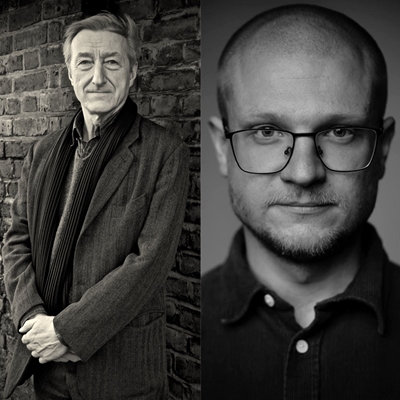
Julian Barnes (United Kingdom) has suggested that Departure(s), published earlier this year, will be his final book. With this novel about love, happiness and farewells, he brings a long literary career into focus, one that established him as a central figure in contemporary English fiction with works such as Flaubert’s Parrot and The Sense of an Ending. Recently awarded the Princess of Asturias Award for Literature, he is a writer with a distinctly European outlook, whose work moves between fiction and reality, irony and melancholy, and a sustained attention to how stories are constructed, remembered, and revised. One of the most important writers of contemporary fiction will be in conversation with Oleksandr Mykhed.
Evento 7
Mathias Énard (France) has built his work around the circulation of people, languages, and wars across overlapping historical and geographical spaces. In Zone, a single train journey becomes an inventory of modern violence from the Mediterranean to the Middle East, while Compass —winner of the Prix Goncourt— traces centuries of cultural exchange between Europe and the East through music, literature, and travel. His most recent novel, The Deserters, returns to war through two separated timelines, following figures who step away from systems of violence and the structures that sustain them.
Evento 6
The Atlantic Across America: Dallas
Texas Theatre — Downstairs
Texas has the eighth largest economy in the world, leading all U.S. states in job creation and corporate relocation, but it also has the largest uninsured rate and a poverty rate over the national average. The Texas economy is working, but is it working for everyone? In a special event with The Atlantic and the Hay Festival Dallas, Texas State Representatives Rafael Anchía and Mitch Little will join The Atlantic’s managing director for events, Evan Smith to explore if the Texas economy is a miracle or a myth. Then, The Atlantic’s Adam Harris and Elaine Godfrey will discuss the state of the global economy, the competing narratives of deficit spending and trade realignment, and the impact of the macroeconomy on individual Americans.
Speakers and moderators:
Evan Smith — Managing Director for Events, The Atlantic
Texas Representative Rafael Anchía — 103rd District
Elaine Godfrey — Staff Writer, The Atlantic
Adam Harris — Host, Radio Atlantic
Texas Representative Mitch Little — 65th District
Evento 9
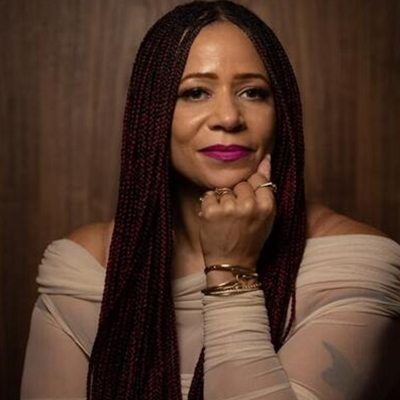
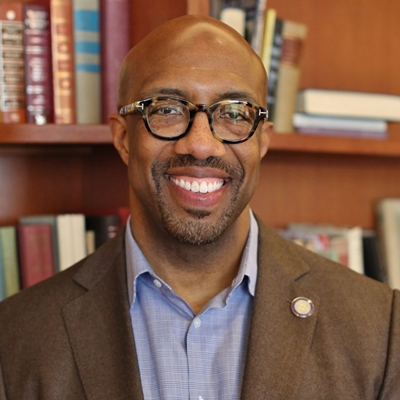
Nikole Hannah-Jones in conversation with Dr. Michael J. Sorrell
Reframing the American Story
Texas Theatre — Downstairs
Pulitzer Prize–winning journalist Nikole Hannah-Jones, creator of The 1619 Project and a staff writer at The New York Times Magazine, joins Hay Festival Forum Dallas for a conversation about history, race, education, and the stories America tells about itself. Through her journalism and The 1619 Project, Hannah-Jones has reshaped the national conversation around the legacy of slavery and its continuing influence on American society, institutions, and democracy.
Moderated by Dr. Michael J. Sorrell, President of Paul Quinn College, the conversation will explore the relationship between history and the present, the role of journalism and education in shaping public understanding, and why the way a country remembers and teaches its past matters to its future.
Evento 14
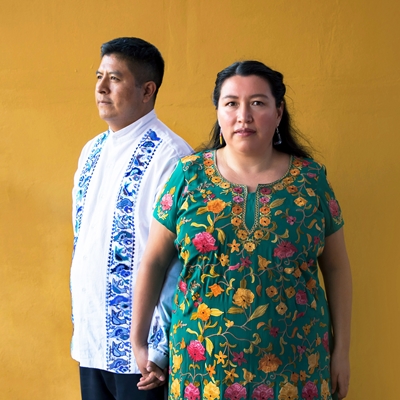
Yásnaya Elena A. Gil & Kumantukxuxpë
South to North conversations: Menp këtäkp: Ayuujk Futurism
Texas Theatre — Downstairs
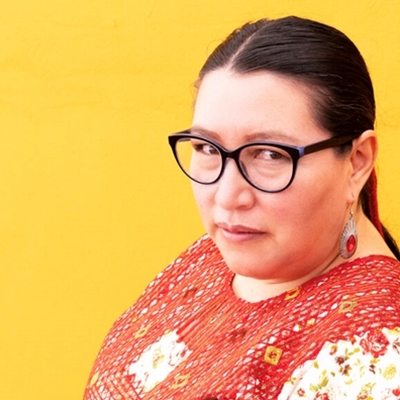
Writer, linguist, and Indigenous rights advocate Yásnaya Elena A. Gil joins the Ayuujk (Mixe) musical group Kumantukxuxpë for a live performance combining narrative, poetry, and music. Rooted in Ayuujk language, oral tradition, and contemporary sound, the performance challenges the idea that Indigenous cultures belong exclusively to the past and instead turns toward the futures they can imagine and create.
Through Yásnaya’s poetic voice and Kumantukxuxpë’s live music, Menp këtäkp brings together language, memory, tradition, and experimentation to explore Indigenous identity as something living and continually evolving. A performance that asks us to think about the future from a perspective grounded in ancestral knowledge while refusing to be defined by the past.
Con el apoyo de Open Society Foundations

Evento 20
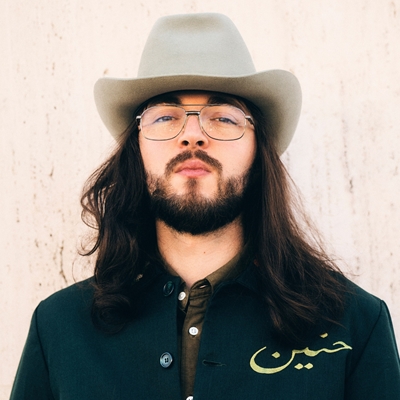
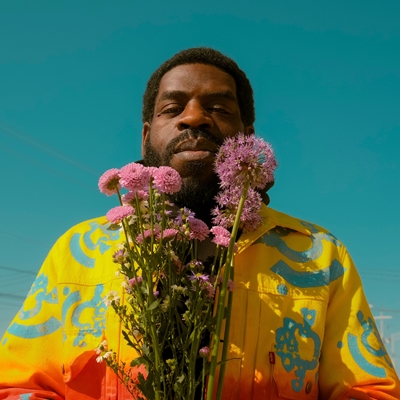
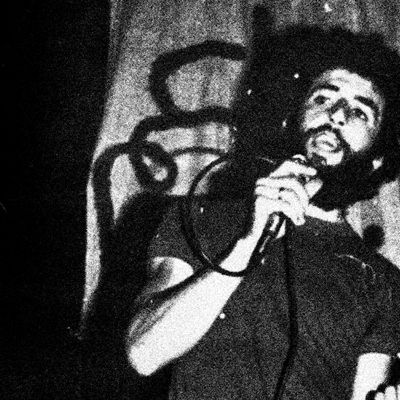
Songwriter, filmmaker, and music journalist Sama’an Ashrawi, author of Baba Was a Rolling Stone, is joined by legendary Texas rapper Bun B, acclaimed poet, essayist, and cultural critic Hanif Abdurraqib, and Baba, Sama’an’s father, for a conversation about music, writing, family, mentorship, and the relationships that shape a creative life.
Taking Baba Was a Rolling Stone as a point of departure, the conversation brings together different chapters of Sama’an’s relationship with music: from growing up with the story of his father, a founding member and lead vocalist of the pioneering Palestinian rock band Al-Bara’em (The Blooms), to his longtime friendship with Bun B, who became an important mentor as Sama’an began building his career writing about music and culture. Together with Abdurraqib, they will explore how music carries memory across generations and places, how personal relationships and mutual support can help shape creative paths, and how writing about music can become a way of understanding identity, belonging, history, and the communities we build around us.
Evento 3
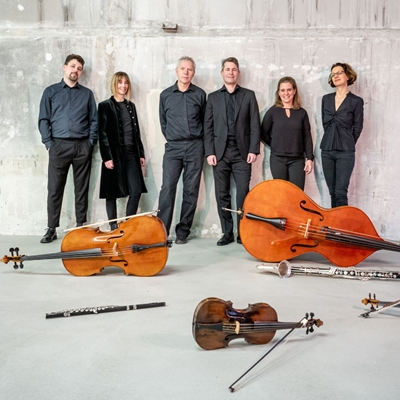
El Ensemble KNM Berlin es una de las formaciones de música contemporánea más prestigiosas de Europa. Tras crecer y establecerse como referente de la escena musical berlinesa y alemana, ha desarrollado una trayectoria internacional basada en el estreno de nuevas composiciones junto a colaboraciones estrechas con compositores de todo el mundo. Habitual en algunos de los principales festivales de música contemporánea, y con actuaciones en escenarios emblemáticos como el Carnegie Hall de Nueva York y el Teatro Colón de Buenos Aires, ofrecerá en Arequipa un concierto en el que experimentación, curiosidad y diálogo intercultural serán las señas de identidad del quinteto compuesto por Theo Nabicht (clarinete bajo), Kirstin Maria Pientka (viola), Jonathan Heilbron (contrabajo), Ana María Rodríguez (electrónica) y Thomas Bruns (video/sonido).
Con el apoyo del Goethe-Institut Perú y el proyecto Crippled Symmetries
Evento 4
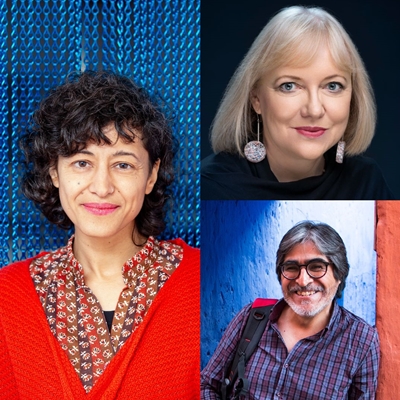
Sarah Babiker Moreno y Renata Salecl en conversación con Omar Zevallos
¿Y si cambiamos el estado de las cosas?
Teatro Municipal
¿Cómo afrontamos un mundo marcado por la incertidumbre, la polarización y la desigualdad? ¿Qué teclas debemos tocar para cambiar las cosas y pasar de los dichos a los hechos? La filósofa y socióloga eslovena Renata Salecl, autora de Maleducados y El placer de la transgresión, explora cómo el miedo, el deseo, el poder y las normas sociales moldean nuestras decisiones y comportamientos. Junto a ella, la periodista y escritora española Sarah Babiker Moreno, autora de La nada fértil, reflexiona sobre el racismo, las migraciones, el feminismo y las desigualdades desde una mirada crítica y personal. En conversación con Omar Zevallos, ambas analizarán las narrativas que configuran nuestras sociedades y el papel del pensamiento crítico para imaginar formas más justas de convivencia.
Se ofrecerá interpretación simultánea del inglés al español
Con el apoyo de Acción Cultural Española, AC/E
Evento 7
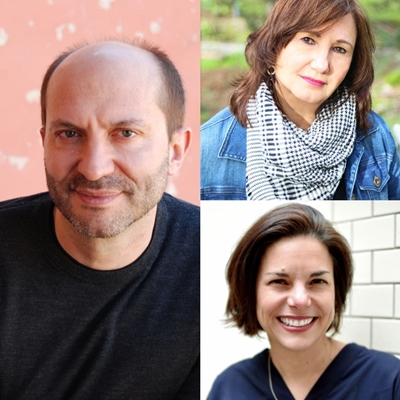
Carlos Granés y Fietta Jarque en conversación con Katerina Valdivia Bruch
Cómo el arte explica un continente
Teatro Municipal
Invita SURA y con el apoyo del ICPA
Evento 12
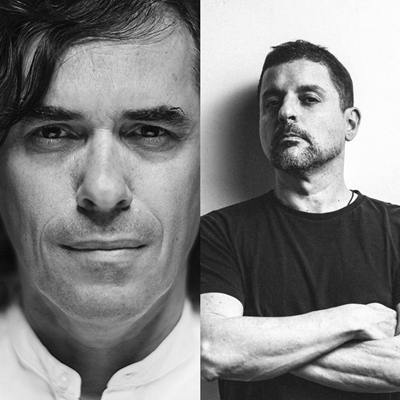
Mircea Cărtărescu (Rumania) es uno de los autores más destacados de la literatura europea contemporánea. Narrador cercano a lo místico, ha construido un universo literario onírico casi macondiano en el que lo real y lo imaginario se entretejen con fuerza lírica. El propio autor ha comentado que hay quien piensa que Rumania es un país latinoamericano extraviado en Europa, y que él está de acuerdo con ello. Autor de más de veinte libros de poesía, narrativa y ensayo, sus últimas obras traducidas al español son la monumental trilogía Cegador —considerada la cima de su cosmos literario junto a Solenoide—, Theodoros y Los conocedores. En conversación con Dante Trujillo.
Se ofrecerá interpretación consecutiva del rumano al español
Patrocinado por Fundación BBVA
Evento 18
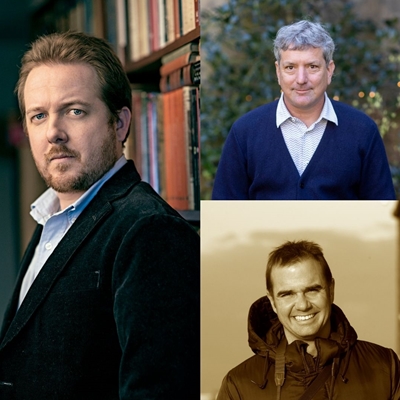
Juan Esteban Constaín y Santiago Roncagliolo en conversación con Raúl Tola
La magnífica humanidad: la encíclica de León XIV.
Teatro Municipal
Patrocinado por Gloria
Evento 23
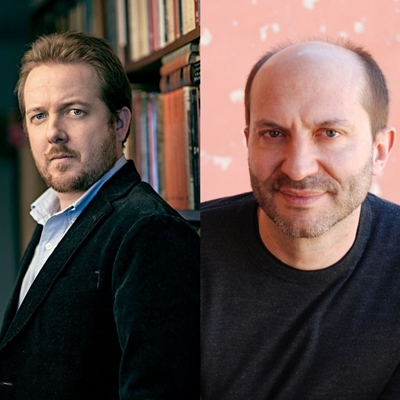
Juan Esteban Constaín en conversación con Carlos Granés
Grecia, Roma e Israel: de cuando el cristianismo era incipiente.
Teatro Municipal
El Hijo del Hombre, de Juan Esteban Constaín, es un ensayo histórico y literario en el que el autor ahonda, con su inconfundible sello, en la historia de los orígenes del cristianismo y el cruce de caminos entre el judaísmo y el paganismo grecorromano. El autor conversará con Carlos Granés, ensayista colombiano, sobre este libro que versa sobre la Antigüedad Clásica y cómo el cristianismo terminó convirtiéndose en la religión oficial del Imperio romano.
Accesibilidad: interpretación en lengua de señas peruana (LSP)
Evento 29
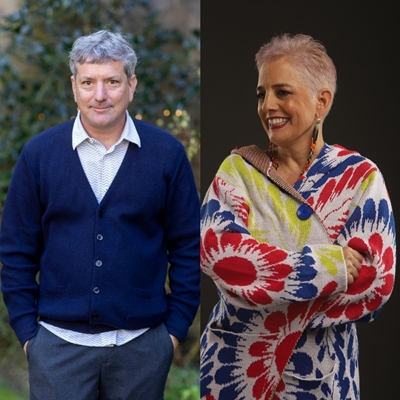
Santiago Roncagliolo en conversación con Patricia del Río
El imprevisto ascenso de León XIV
Teatro Municipal
Patrocinado por Gloria
Evento 33
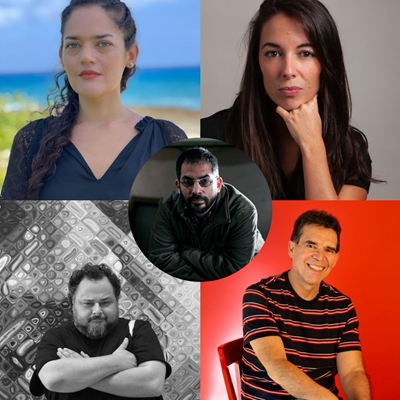
Cristina Bendek, Álvaro Bisama y Edmundo Paz Soldán en conversación con Enrique Planas
Mapas para entendernos
Casa Tristán del Pozo - Fundación BBVA
Patrocinado por Grupo La Joya Mining y con el apoyo de la Embajada de Chile en Perú
Evento 35
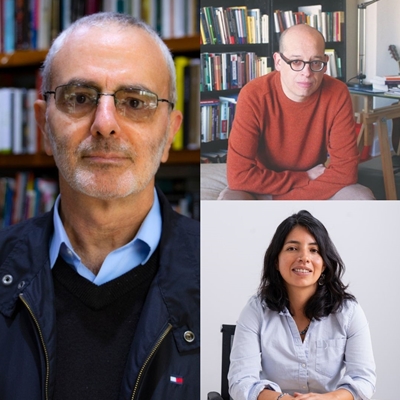
Farid Kahhat y Alberto Vergara en conversación con Camila Osorio
Charla El País: ¿Qué está pasando en la región?
Teatro Municipal
Evento 39
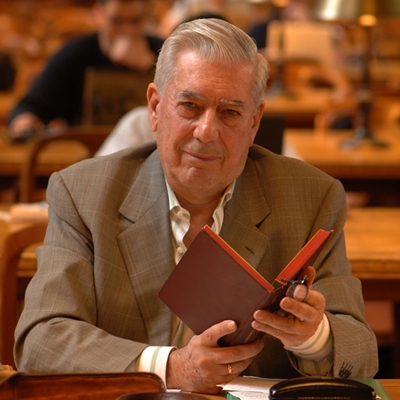
Lectura en homenaje a Mario Vargas Llosa
Casa Tristán del Pozo - Fundación BBVA
Participan: Claudia Apablaza, Augusto Carrasco, Ulises Gutiérrez Llantoy, Fietta Jarque, Alma Delia Murillo, Giovanna Pollarolo, Luis Rodríguez Pastor, Ricardo Sumalavia, Alonso Ruiz Rosas, Raúl Tola, Josefina Townsend, Zoila Vega Salvatierra
Accesibilidad: interpretación en lengua de señas peruana (LSP)
Coorganizado con la Cátedra Mario Vargas Llosa
Evento 41
J. M. Coetzee y Valerie Miles en conversación. Presentados por Alonso Ruiz Rosas
El 'making of': Mariano Melgar, poesía de amor y rebelión
Teatro Municipal
Hay un vínculo que une a un premio nobel como J. M. Coetzee (Sudáfrica) con Arequipa: la poesía de Mariano Melgar. A finales del año pasado tradujo al inglés, junto a Valerie Miles (EE.UU.), el poema Por no sé qué capricho y lo publicaron en la prestigiosa revista literaria The Paris Review bajo el título On Some Whim or Other. Un pequeño anticipo de lo que está por venir: la publicación de Mariano Melgar: poesía de amor y rebelión, una edición bilingüe en español e inglés con poemas del «poeta de los yaravíes». Ambos conversarán sobre el colofón a tres años de trabajo en el que han seleccionado y traducido su obra, sobre cómo Coetzee llegó a Melgar, y sobre qué le fascinó de sus poemas. Al nivel de que 200 años después de su muerte, por fin su poesía es traducida al inglés. Coetzee y Miles serán presentados por Alonso Ruiz Rosas.
Se ofrecerá interpretación simultánea del inglés al español
Invita SURA
Evento 48
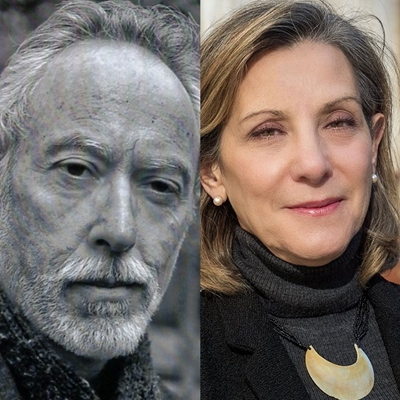
Ximena López Bustamante y Giovanna Pollarolo en conversación con Luis Rodríguez Pastor
Varela-Ferrer: ecos de una conversación que nunca ocurrió
Casa Tristán del Pozo - Fundación BBVA
En el centenario del nacimiento de Blanca Varela y tras la reciente publicación de En la orilla de todos los sueños. Poesía reunida de Julia Ferrer, dos voces singulares de la poesía peruana del siglo XX vuelven a encontrarse a través de quienes han estudiado y acompañado sus obras. Giovanna Pollarolo, Ximena López Bustamante y Luis Rodríguez Pastor pondrán en diálogo dos poéticas que parecen avanzar por caminos opuestos: la depuración extrema de Varela y la imaginación desbordante de Ferrer. En ambas, sin embargo, hay una forma de explorar el cuerpo, el lenguaje, la libertad y la experiencia femenina. Sus versos, sus vidas y las lecturas que han suscitado serán el punto de partida para volver a mirar una tradición poética que todavía sigue abriendo preguntas.
Patrocinado por Cerro Verde con el apoyo de PUCP
Evento 55
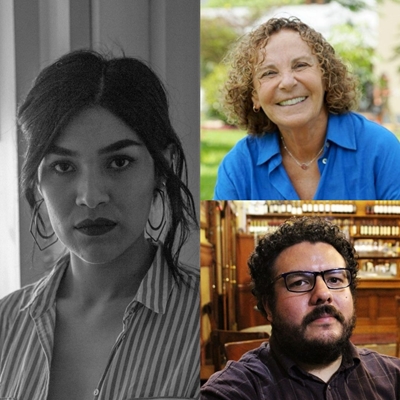
Carlos Peña en conversación con Alberto Vergara
Más humanidades
Casa Tristán del Pozo - Fundación BBVA
Vivir rodeados de información no necesariamente significa entender mejor el mundo. El filósofo y ensayista Carlos Peña (Chile) se pregunta en Humanidades. Lo visible y lo invisible por el lugar que tienen las humanidades en una época dominada por la ciencia, la tecnología y la abundancia de información. Rector de la Universidad Diego Portales y uno de los intelectuales más influyentes de la región andina, defiende el valor de una disciplina que no busca la respuesta inmediata, sino aprender a interpretar aquello que vemos. En conversación con el ensayista Alberto Vergara (Perú), abordará qué pueden aportar hoy las humanidades en un mundo en el que los datos son incapaces de explicarlo todo.
Patrocinado por Yura y con el apoyo de Open Society Foundations
Explorar todos los temas
- Actualidad Internacional
- Afrodescendencias
- Artes
- Artes y Cultura
- Ciencia & Tecnología
- Cine
- Cultura
- Deporte
- Derecho
- Derechos humanos
- Diseño
- Economía
- Filosofía
- Fotografía
- Gastronomía
- Género
- Historia
- Igualdad
- Ilustración
- Infantil
- Latin America
- Lenguas
- Literatura
- Moda
- Música
- Naturaleza & Medioambiente
- Periodismo
- Pódcast
- Poesía
- Política y actualidad
- Psicología
- Pueblos originarios
- Religiones
- Sur a Norte
- Talleres
- Teatro
- Tecnología

Aliado para América Latina
Patrocinadores Principales


Aliado Gubernamental