Hay Festival Cartagena 2026
Evento 49
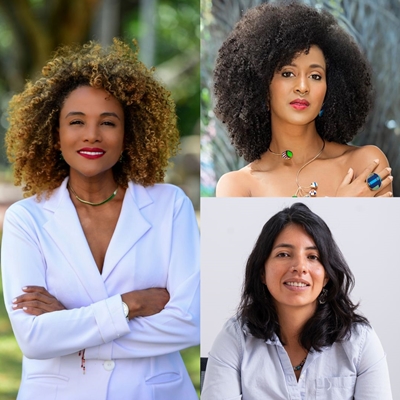
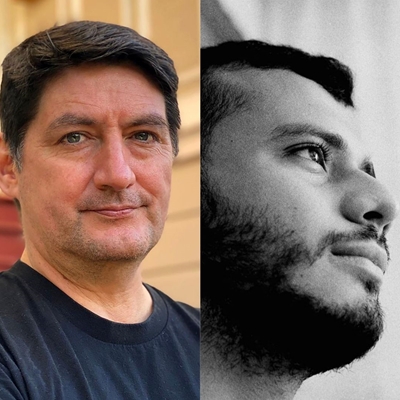
Mábel Lara y Edna Liliana Valencia en conversación con Camila Osorio
Al natural, como su cabello
Centro de Formación de la Cooperación Española (Patio)
Ver másEdna Liliana Valencia y Mábel Lara fueron pioneras en mostrar su pelo afro al natural en la televisión colombiana. Valencia lo hizo primero en Noticias RCN, convirtiéndose en símbolo de toda una comunidad. En 2016, tras casi quince años en pantalla, Lara decidió aparecer por primera vez con su cabello crespo natural, rompiendo con el canon de belleza dominante. Ambos gestos desafiaron los estereotipos y encendieron una pequeña revolución. Diez años después, Lara publica Pelo libre, alma libre, testimonio de una decisión que reivindica el valor del cabello en la identidad afro. Valencia, por su parte, profundiza en las raíces y dinámicas raciales del continente en La diáspora perdida. Ambas periodistas, referentes de un cambio que muchas colegas han seguido, conversan con Camila Osorio sobre una decisión tan natural como política.
Todos los eventos del sábado 31 de enero serán gratuitos para personas con cédula expedida en el departamento de Bolívar. Puede solicitar su boleta de cortesía —sujeta a disponibilidad— en la oficina de boletería del festival (Centro de Convenciones) previa presentación de su cédula, el mismo día del evento.
Evento 50
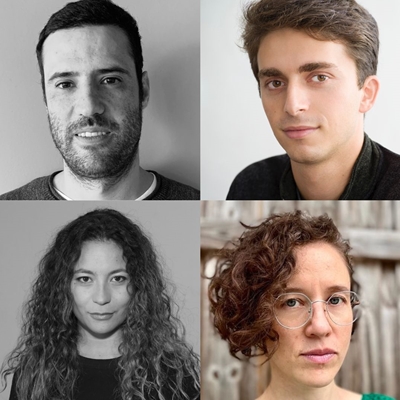
Andrés Bermúdez Liévano, Fernanda Pineda y Jordan Salama en conversación con Andrea Díaz Cardona
Cubrir conflictos socioambientales desde una perspectiva ética
Palacio de la Proclamación (Auditorio Juan José Nieto)
Ver más¿Qué significa cubrir conflictos socioambientales desde una perspectiva ética? Se trata de reconocer a las comunidades vulneradas y darles voz, de hablar de relaciones de poder asimétricas e impulsar la justicia ambiental en los territorios. De reflejar éticamente estas problemáticas en sus trabajos periodísticos hablan en este conversatorio Andrés Bermúdez Liévano, periodista y editor de investigaciones ambientales en el Centro Latinoamericano de Investigación Periodística (CLIP); Fernanda Pineda (Colombia), galardonada con el Premio Gabo en la categoría de Fotografía por Yolüja, un retrato de la transformación espiritual y ambiental de La Guajira; y Jordan Salama (EE. UU.), periodista especializado en migración, medioambiente y cultura, que recientemente elaboró una bitácora del pasado y presente del río Magdalena. En conversación con Andrea Díaz Cardona.
Todos los eventos del sábado 31 de enero serán gratuitos para personas con cédula expedida en el departamento de Bolívar. Puede solicitar su boleta de cortesía —sujeta a disponibilidad— en la oficina de boletería del festival (Centro de Convenciones) previa presentación de su cédula, el mismo día del evento.
Con el apoyo de la Fundación Ford
Evento CL5
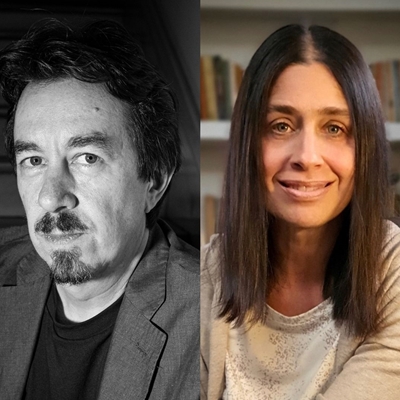
Club de lectura con Pedro Mairal y Ana María Aponte
Los nuevos
Casa Hay Festival SURA / Bancolombia (Centro de Convenciones)
Ver másLos clubes de lectura del Hay Festival Cartagena de Indias ofrecen encuentros cercanos con una selección de participantes del programa. Son espacios para dialogar en profundidad sobre sus obras más recientes. En esta sesión, Pedro Mairal (Argentina) conversa con Ana María Aponte sobre Los nuevos.
Imprescindible haber leído el libro
Evento HFJ17
Fer Rivas en conversación con María Raquel Pacheco
Yo era un chico
Universidad Tecnológica de Bolívar (sede Manga, auditorio Jorge Taua)
Ver másYo era un chico es todo lo que Fer Rivas (España) no se atrevió a decirle a su padre antes de su muerte. Una novela autobiográfica, en forma de una larga carta, en la que la autora se sincera y habla de todo lo que había callado hasta entonces. Le revela su verdadera identidad, y le confiesa su vergüenza, su miedo a contárselo en vida. Porque también es una crítica feroz de una masculinidad opresiva que imposibilita relaciones paternofiliales más sanas. «Si mi Fer del pasado hubiera tenido la oportunidad de leer esto, el mundo hubiera sido distinto». En conversación con la artista escénica e investigadora María Raquel Pacheco Guzmán.
Con el apoyo del Institut Ramon Llull
Evento 26
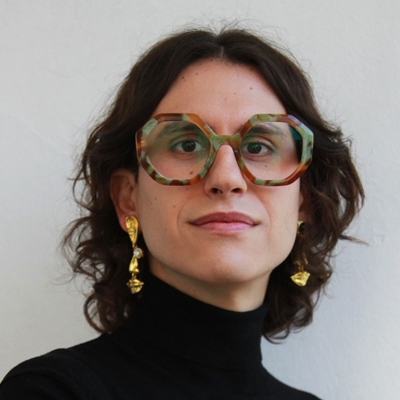
Carissa Véliz en conversación con Daniel Marquínez
La importancia de nuestra privacidad
Teatro Adolfo Mejía
Ver másCedemos datos todo el tiempo cuando navegamos por la web o en redes sociales, sin preocuparnos por el valor que tiene nuestra privacidad. Pensamos que eso nos facilitará el día a día, y no somos conscientes del poder que le damos a las compañías. Carissa Véliz es la autora de La privacidad es poder: Datos, vigilancia y libertad en la era digital y The Ethics of Privacy and Surveillance, libros en los que habla de los riesgos prácticos y filosóficos de la pérdida de la privacidad en una sociedad tan digital. Conversa con Daniel Marquínez, director de proyectos de la Fundación Gabo.
Todos los eventos del sábado 31 de enero serán gratuitos para personas con cédula expedida en el departamento de Bolívar. Puede solicitar su boleta de cortesía —sujeta a disponibilidad— en la oficina de boletería del festival (Centro de Convenciones) previa presentación de su cédula, el mismo día del evento.
Con el apoyo de la Fundación Ford y Acción Cultural Española, AC/E
Evento 51
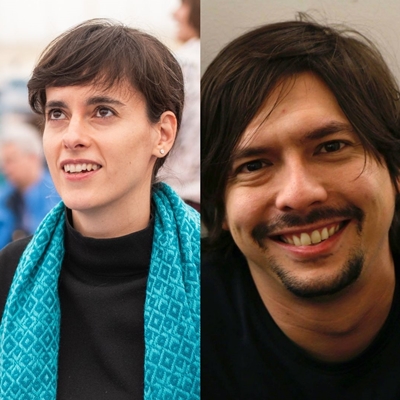
Annie Jacobsen en conversación con Michael Stott
Así sería una guerra nuclear
Centro de Convenciones (Auditorio Getsemaní)
Ver másAnnie Jacobsen (EE. UU.) fue finalista del Premio Pulitzer por The Pentagon’s Brain, donde documentaba los entresijos del aparato militar y de inteligencia estadounidense, como también hizo en Área 51 u Operation Paperclip. Su nueva obra, Guerra nuclear: un escenario, describe cómo se desencadenaría exactamente —mediante los acontecimientos, acciones y protocolos reales— el conflicto nuclear que conllevaría el final de la humanidad. En conversación con Michael Stott, editor de Latinoamérica para el Financial Times.
Se ofrecerá interpretación simultánea del inglés al español
Todos los eventos del sábado 31 de enero serán gratuitos para personas con cédula expedida en el departamento de Bolívar. Puede solicitar su boleta de cortesía —sujeta a disponibilidad— en la oficina de boletería del festival (Centro de Convenciones) previa presentación de su cédula, el mismo día del evento.
Patrocinado por Promigas, Surtigas y Spec
Evento 52
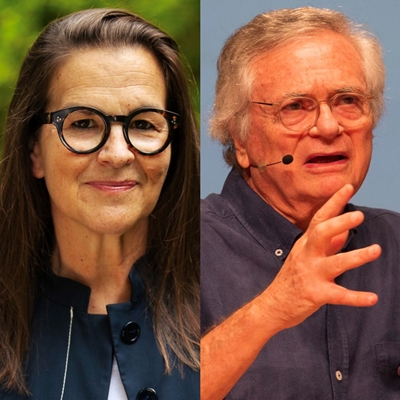
Janne Teller en conversación con Marianne Ponsford
Centro de Convenciones (Salón Barahona)
Ver másJusticia es la primera novela de Janne Teller en once años. Mundialmente conocida por obras como Nada, la escritora danesa ha necesitado dos décadas para completar este libro, que comenzó a gestarse cuando trabajaba como diplomática de las Naciones Unidas. Con el conflicto palestino-israelí —«la madre de todos los conflictos», según la autora— como trasfondo, traza la compleja relación entre un padre, representante de la ONU, y su hija activista, cuyo asesinato no consigue superar. Conversa con Marianne Ponsford.
Se ofrecerá interpretación simultánea del inglés al español
Todos los eventos del sábado 31 de enero serán gratuitos para personas con cédula expedida en el departamento de Bolívar. Puede solicitar su boleta de cortesía —sujeta a disponibilidad— en la oficina de boletería del festival (Centro de Convenciones) previa presentación de su cédula, el mismo día del evento.
Evento 55
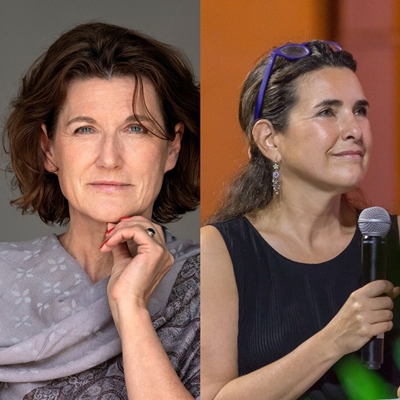
Elvira Liceaga, Yeniter Poleo y Joca Reiners Terron en conversación con Alexandra Vives
Traumas, vulnerabilidades, muerte
Palacio de la Proclamación (Auditorio Juan José Nieto)
Ver másLas más recientes novelas de Elvira Liceaga (México), Yeniter Poleo (Venezuela/Colombia) y Joca Reiners Terron (Brasil) se leen desde la intensidad. Desde la falta de aliento que provoca la lectura de Las vigilantes, donde las tres mujeres protagonistas tienen una conexión marcada por la pérdida y el duelo. Desde los traumas silenciados de Las costuras invisibles, los de la violencia sexual intrafamiliar, donde lo doméstico se convierte en político. Y desde la muerte, presente desde el inicio en La muerte y el meteoro, situada en medio de la Amazonía, donde sobreviven los últimos miembros de la tribu kaajapukugi.
Todos los eventos del sábado 31 de enero serán gratuitos para personas con cédula expedida en el departamento de Bolívar. Puede solicitar su boleta de cortesía —sujeta a disponibilidad— en la oficina de boletería del festival (Centro de Convenciones) previa presentación de su cédula, el mismo día del evento.
Con el apoyo de la Fundación Ford
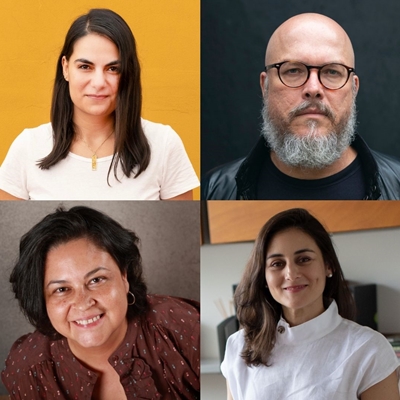
Evento 60
Mary Grueso y Bárbara Muelas en conversación con Mar Ortega
La lengua se renueva
Centro de Formación de la Cooperación Española (Patio)
Ver másLa Academia Colombiana de la Lengua —la más antigua del continente— ha tardado más de un siglo y medio en abrir sus puertas a alguna mujer racializada. Una invisibilización sistemática que este año ha comenzado a enmendarse al reconocer como miembros de pleno derecho de la institución a la poeta afrocolombiana Mary Grueso y a la lingüista indígena misak Bárbara Muelas. Muelas trabaja en el primer diccionario namtrik-español y Grueso ha demostrado por años con su poesía que la tradición oral afro es también literatura. Ambas mujeres hablan con Mar Ortega sobre la repercusión histórica que supone su nombramiento.
Todos los eventos del sábado 31 de enero serán gratuitos para personas con cédula expedida en el departamento de Bolívar. Puede solicitar su boleta de cortesía —sujeta a disponibilidad— en la oficina de boletería del festival (Centro de Convenciones) previa presentación de su cédula, el mismo día del evento.
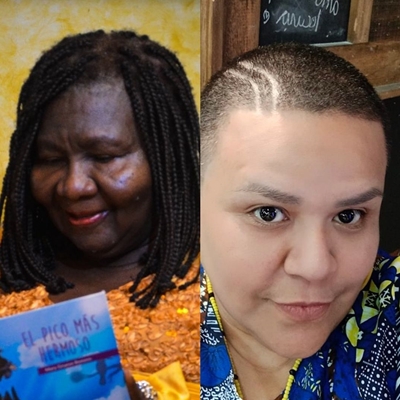
Evento CL6
Club de lectura con Marcos Giralt Torrente e Iván Cárdenas Donado
Los ilusionistas
Casa Hay Festival SURA / Bancolombia (Centro de Convenciones)
Ver másLos clubes de lectura del Hay Festival Cartagena de Indias ofrecen encuentros cercanos con una selección de participantes del programa. Son espacios para conversar en profundidad sobre sus obras más recientes. En esta sesión, Marcos Giralt Torrente (España) conversa con Iván Cárdenas Donado sobre Los ilusionistas.
Imprescindible haber leído el libro
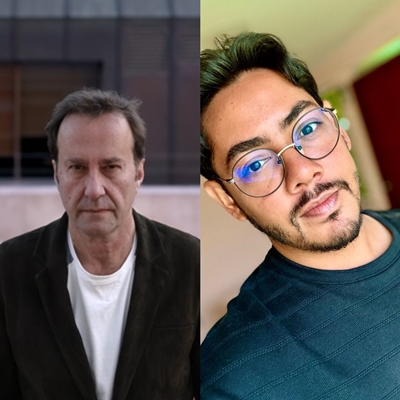
Evento HFJ18
Karima Ziali en conversación con Mariana Inés Tezón
Universidad de Cartagena, Claustro de San Agustín (Biblioteca)
Ver másCon el apoyo de Acción Cultural Española, AC/E
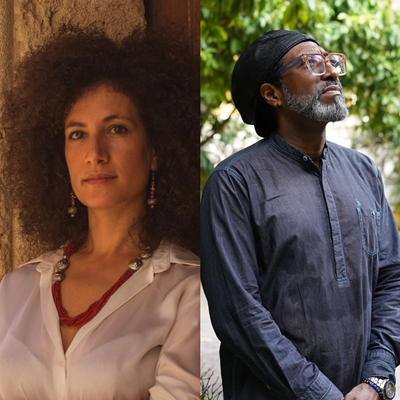
Evento 56
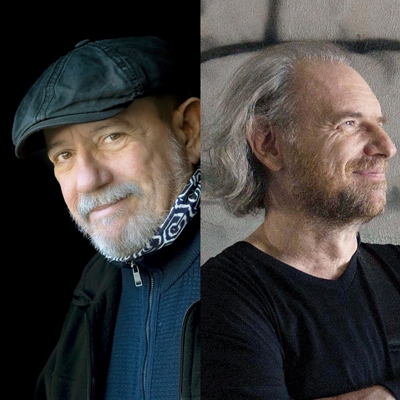
Silvio Rodríguez (en digital) y Daniel Mordzinski en conversación con Jorge Perugorría
Silvio Rodríguez, diario de un trovador
Centro de Convenciones (Auditorio Getsemaní)
Ver másEl Hay Festival de Cartagena de Indias será el escenario de la presentación, en primicia mundial, del libro Silvio Rodríguez, diario de un trovador, editado por Planeta. Los textos que el cantautor Silvio Rodríguez ha escrito especialmente para este libro incluyen fragmentos de su diario personal en diálogo con 143 fotografías de Daniel Mordzinski. Los dos autores conversarán sobre los años que llevan trabajando juntos, durante los cuales Mordzinski ha retratado, sin filtros y con total libertad creativa, sus giras por América Latina y España, sus encuentros con otros creadores, la vida en familia del trovador y algunas geografías fundamentales de su vida, como su pueblo natal, San Antonio de los Baños. Convesarán con el actor y director de cine cubano Jorge Perugorría.
Silvio Rodríguez participará de forma digital
Todos los eventos del sábado 31 de enero serán gratuitos para personas con cédula expedida en el departamento de Bolívar. Puede solicitar su boleta de cortesía —sujeta a disponibilidad— en la oficina de boletería del festival (Centro de Convenciones) previa presentación de su cédula, el mismo día del evento.
Evento 57
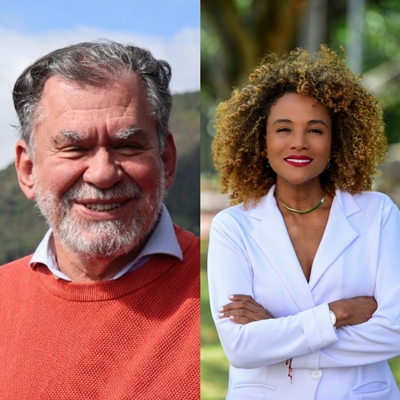
León Valencia en conversación con Mábel Lara
Centro de Convenciones (Salón Barahona)
Ver másTodos los eventos del sábado 31 de enero serán gratuitos para personas con cédula expedida en el departamento de Bolívar. Puede solicitar su boleta de cortesía —sujeta a disponibilidad— en la oficina de boletería del festival (Centro de Convenciones) previa presentación de su cédula, el mismo día del evento.
Evento 58
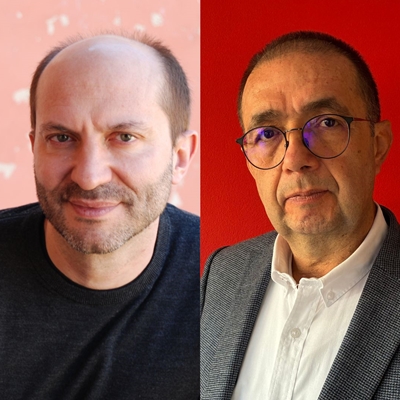
Carlos Granés en conversación con Carlos Alberto Patiño
Una era de rugidos
Teatro Adolfo Mejía
Ver másCon El rugido de nuestro tiempo, el ensayista colombiano Carlos Granés continúa su labor de comprender y analizar el presente, iniciada en Salvajes de una nueva época. Vivimos en un desorden ideológico y geopolítico en el que hay tanto debates decoloniales como nostalgias panhispanistas; una era con políticos de soflamas mesiánicas y artistas que sacrifican la transgresión para plegarse a la demanda moral de turno. Para entender tanto rugido, nada mejor que escuchar a Granés, quien forma parte también del proyecto Otras historias del Archivo de Indias del Hay Festival y CAF, que conmemora el 500 aniversario de la fundación hispánica de Santa Marta.
Todos los eventos del sábado 31 de enero serán gratuitos para personas con cédula expedida en el departamento de Bolívar. Puede solicitar su boleta de cortesía —sujeta a disponibilidad— en la oficina de boletería del festival (Centro de Convenciones) previa presentación de su cédula, el mismo día del evento.
Patrocinado por SURA y Bancolombia
Evento 59
Carlos Chamorro en conversación con Diana Calderón
Periodismo desde el exilio
Centro de Formación de la Cooperación Española (salón Rey)
Ver másAl periodista nicaragüense Carlos Chamorro ejercer su profesión le costó el exilio a Costa Rica en 2021. Al igual que le ha sucedido a cerca de 200 compatriotas periodistas más, a los que el régimen de Daniel Ortega ha señalado y amenazado por ser voces independientes y/o críticas con el gobierno. «Hacer periodismo en Nicaragua equivale a un delito de terrorismo», indicó Chamorro en entrevista, una vez exiliado. Desde Costa Rica dirige ahora el medio de comunicación Confidencial: «Aunque estemos en el exilio, nuestros ojos, nuestros oídos y nuestro reporterismo está en Nicaragua». En conversación con Diana Calderón.
Todos los eventos del sábado 31 de enero serán gratuitos para personas con cédula expedida en el departamento de Bolívar. Puede solicitar su boleta de cortesía —sujeta a disponibilidad— en la oficina de boletería del festival (Centro de Convenciones) previa presentación de su cédula, el mismo día del evento.
Evento 60B
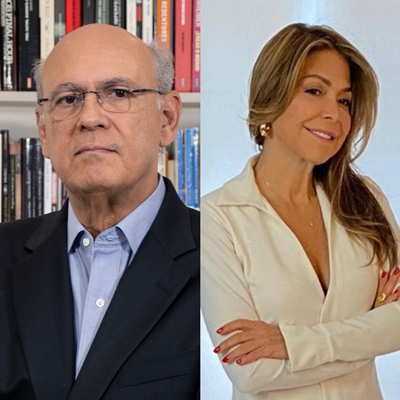
Daniel Alarcón en conversación con María Martín
Palacio de la Proclamación (Auditorio Juan José Nieto)
Ver más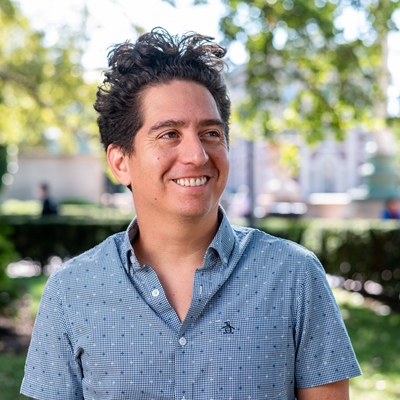
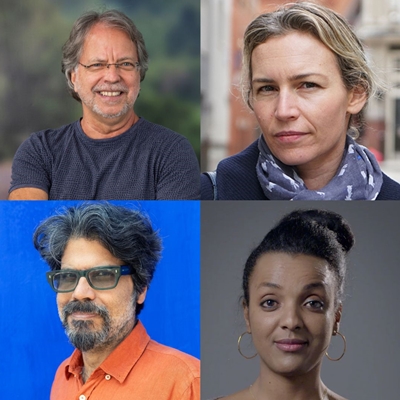
Evento 62
Pankaj Mishra y Lea Ypi en conversación con Nesrine Malik
Conversaciones sur a norte: ficciones desde los restos de los imperios
Centro de Convenciones (Salón Barahona)
Ver másPara repensar el mundo, es necesario mirar también desde los márgenes del mapa. Pankaj Mishra (India) y Lea Ypi (Albania), dos de las voces más incisivas del sur global, lo hacen desde tres realidades distintas —la India poscolonial y la Albania poscomunista—, pero con una misma intuición: las periferias, los restos de los imperios, tienen mucho que aportar en la construcción del mundo en el que vivimos. Conversan con Nesrine Malik sobre la arrogancia moral de Occidente y la importancia de escuchar otras voces.
Se ofrecerá interpretación simultánea del inglés al español
Todos los eventos del domingo 1 de febrero serán gratuitos para personas con cédula expedida en el departamento de Bolívar. Puede solicitar su boleta de cortesía —sujeta a disponibilidad— en la oficina de boletería del festival (Centro de Convenciones) previa presentación de su cédula, el mismo día del evento.
Con el apoyo de Open Society Foundations y el British Council
Evento 63
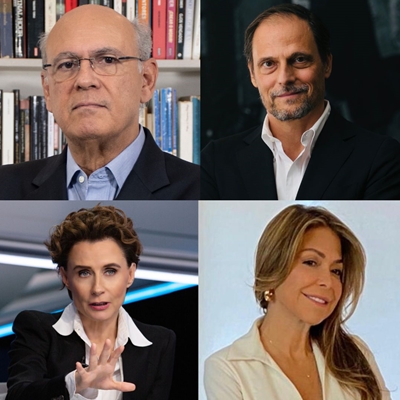
Carlos Chamorro, Denise Maerker y Jan Martínez Ahrens en conversación con Diana Calderón
Periodismo y sus retos
Teatro Adolfo Mejía
Ver másTodas las señales apuntan a que el periodismo está en crisis. Quienes dirigen los medios de comunicación más importantes tienen un carrusel de retos a los que enfrentarse: políticos que les declaran la guerra, los tiempos de la posverdad, la falta de lectores ante el auge de las nuevas tecnologías, la deslegitimación del oficio, la precarización de sus trabajadores, los asesinatos de periodistas en América Latina… Pero, a pesar de todo, los grandes medios de comunicación siguen siendo el cuarto poder. En la celebración de los 50 años de El País, Jan Martínez Ahrens, director del periódico, conversa con Carlos Fernando Chamorro, fundador y director del medio nicaragüense Confidencial–actualmente exiliado en Costa Rica– y con Denise Maerker, una de las voces más respetadas de México, que actualmente presenta en N+ y escribe en Milenio. Los tres conversan con una colega de oficio, la colombiana Diana Calderón (Caracol Radio).
Todos los eventos del domingo 1 de febrero serán gratuitos para personas con cédula expedida en el departamento de Bolívar. Puede solicitar su boleta de cortesía —sujeta a disponibilidad— en la oficina de boletería del festival (Centro de Convenciones) previa presentación de su cédula, el mismo día del evento.
Coorganizado con EP América
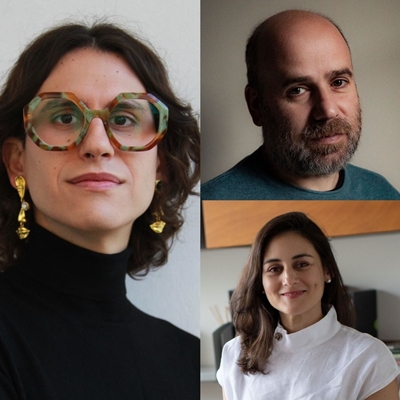
Evento 64
Fer Rivas y Javier Peña en conversación con Alexandra Vives
Despedirse de un padre
Centro de Formación de la Cooperación Española (Patio)
Ver másUno nunca está preparado para decirle adiós a su padre. Más, si uno tiene un secreto que le avergüenza contar, como fue el caso de Fer Rivas; o si llevaban años distanciados, como le sucedió a Javier Peña. Ambos charlan con Alexandra Vives sobre cómo han plasmado ese delicado momento en sus libros. Yo era un chico, de Rivas, es una novela autobiográfica en forma de carta a su padre, contándole, diez años después, todo lo que había callado hasta entonces. Con Tinta invisible, Peña nos cuenta que esos últimos días se dio cuenta de que era la literatura lo que unía su relación paternofilial, y constata que «estamos hechos de historias».
Todos los eventos del domingo 1 de febrero serán gratuitos para personas con cédula expedida en el departamento de Bolívar. Puede solicitar su boleta de cortesía —sujeta a disponibilidad— en la oficina de boletería del festival (Centro de Convenciones) previa presentación de su cédula, el mismo día del evento.
Con el apoyo del Institut Ramon Llull y Acción Cultural Española, AC/E
Evento 65
Rafael Dumett en conversación Nahum Villamil
Incas, espías y astronautas
Palacio de la Proclamación (Auditorio Juan José Nieto)
Ver másIncas, espías y astronautas es un retrato de las preocupaciones, simpatías e intereses recurrentes de Rafael Dumett (Perú). En este libro de ensayos y prosa sin ficción, mira al pasado para transitar por escenarios contrafácticos de la historia; y al mismo tiempo orienta su mirada al futuro, imaginando los obstáculos a los que se enfrentarán los primeros humanos que migren desde la Tierra a nuevos planetas. También traza un mapa de inquietudes tan erudito como personal y revela la carpintería de su oficio narrativo. De todo ello, y del éxito cosechado con novelas como El espía del Inca y El camarada Jorge y el Dragón, conversa con Nahum Villamil.
Todos los eventos del domingo 1 de febrero serán gratuitos para personas con cédula expedida en el departamento de Bolívar. Puede solicitar su boleta de cortesía —sujeta a disponibilidad— en la oficina de boletería del festival (Centro de Convenciones) previa presentación de su cédula, el mismo día del evento.
Explorar todos los temas
- Actualidad Internacional
- Afrodescendencias
- Artes
- Artes y Cultura
- Ciencia & Tecnología
- Cine
- Cultura
- Deporte
- Derecho
- Derechos humanos
- Diseño
- Economía
- Filosofía
- Fotografía
- Gastronomía
- Género
- Historia
- Igualdad
- Ilustración
- Infantil
- Latin America
- Lenguas
- Literatura
- Moda
- Música
- Naturaleza & Medioambiente
- Periodismo
- Pódcast
- Poesía
- Política y actualidad
- Psicología
- Pueblos originarios
- Religiones
- Sur a Norte
- Talleres
- Teatro
- Tecnología

Aliado para América Latina

Patrocinadores Principales


Aliado Gubernamental