Arequipa 2020
Todos los eventos son gratuitos. Por favor, seleccione los eventos a los que quiera asistir y reserve su cupo introduciendo sus datos personales. Recibirá un correo de confirmación que validará sus reservaciones y que servirá como justificante para el acceso virtual a los eventos.
Los horarios mostrados en cada evento son GMT-5 (Lima, Bogotá, Panamá...). Una vez terminadas las transmisiones en directo, las grabaciones estarán disponibles hasta el 16 de noviembre a las 00:00h de forma gratuita en esta misma página web, bajo la descripción de cada evento. Después serán añadidas al Hay Player, la plataforma de suscripción que contiene audios y videos de los eventos de todos los Hay Festivales.
Si encuentra problemas al hacer sus reservaciones, puede contactarnos en contacto@hayfestival.org
Evento HFPL1
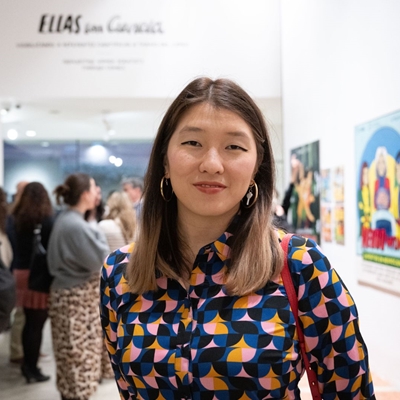
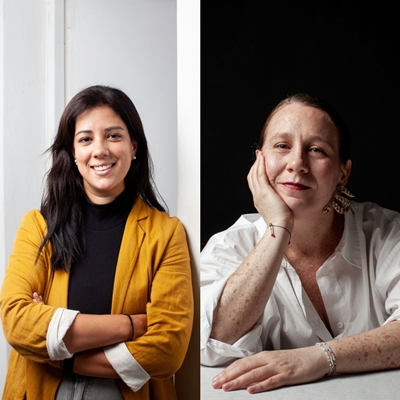
Quan Zhou en conversación con Eduardo Tokeshi y Cristina Zavala
Narrar y dibujar la memoria
Auditorio de Arte y Diseño - Campus PUCP
Ver más¿Ni de aquí ni de allí? ¿O andaluza y china al mismo tiempo? Como hija de inmigrantes nacida en España Quan Zhou se ha encontrado a menudo entre dos aguas, entre los cuestionamientos sobre la propia identidad y la discriminación racista. Ha sabido plasmar esas experiencias vitales con humor y crítica en trabajos autobiográficos como los cómics Gazpacho agridulce y Andaluchinas por el mundo, además del ensayo gráfico Gente de aquí, gente de allí. También es creadora del pódcast documental Mi familia española, que rescata un capítulo invisible de la historia reciente de España: las experiencias de madres migrantes, sus hijas e hijos, y las niñeras españolas que los cuidaron en los años ochenta y noventa, cuando la diversidad racial era prácticamente inexistente.
Patrocinado por la PUCP, con el apoyo de Acción Cultural Española, AC/E
Evento HFC1
Taller corporal con Sheena Mayumi Arpasi Catacora
Movimiento, respiración y bienestar
Asilo Víctor Lira
Ver más
Evento HFPT1
Alessandra Pinasco en conversación con Ingrid Cafferata Vega
Tan simple, tan puro
Centro de Convenciones Jorge Basadre Grohmann, Tacna
Ver más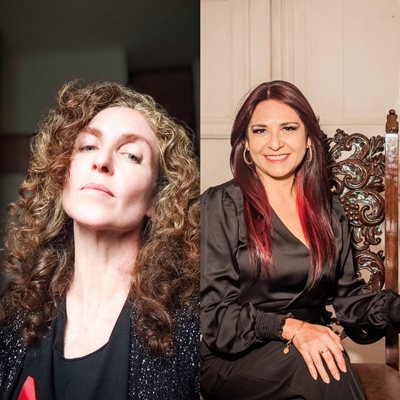
Evento HFPT3
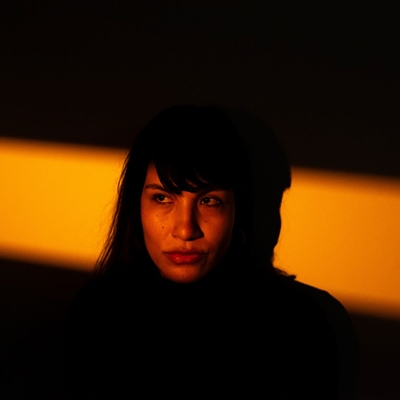
Rosa Chávez Yacila en conversación con Fedra Rodríguez Pissano
Las nerviosas
Centro de Convenciones Jorge Basadre Grohmann, Tacna
Ver másCuando Rosa Chávez Yacila (Perú) escribió Las nerviosas, escribió sobre su madre y las mujeres de su familia. Sobre los cuerpos hechos por el trabajo doméstico. Sobre herencias inmateriales. Sobre una genealogía que nunca encontró el espacio para sanar sus heridas. Mujeres melancólicas, «nerviosas», de una pena que parece viajar de generación en generación. Porque tenían otras prioridades. Porque ‘¿existe un vínculo entre la pobreza y la salud mental?’ no es una pregunta, sino una afirmación. La autora de esta novela conversará con Fedra Rodriguez Pissano.
Evento HFPT2
Xabier Díaz de Cerio en conversación con Martha Quispe
Está que quema
COAR, Tacna
Ver más
Evento HFPT4
Alberto Vergara en conversación con Fernando Rondinel Diaz
Perú explicado
Centro de Convenciones Jorge Basadre Grohmann, Tacna
Ver másPeru global, coeditado por Alberto Vergara y Adrián Lerner, es el primer volumen de una serie para explicar el Perú en relación con el mundo. Una veintena de investigadores analizan momentos clave en la historia del país, e integran cada uno de esos hechos en la historia global. Porque ningún país está aislado y porque, a veces, para comprender lo específico, se necesita entender la imagen completa, con su contexto global y motivos. El politólogo y autor Alberto Vergara conversará con Fernando Rondinel Diaz sobre cómo desde la historia global se puede entender mejor a Túpac Amaru, la independencia, la guerra con Chile, las migraciones asiáticas, a Flora Tristán, a Víctor Raúl Haya de la Torre o a José Carlos Mariátegui.
Evento HFPT5
Fietta Jarque en conversación con Carlos Capellino Fuentes
Blanca Varela, la vértebra perdida
Centro de Convenciones Jorge Basadre Grohmann, Tacna
Ver másCon el apoyo de la Embajada de España en el Perú
Evento HFPL2
Mircea Cărtărescu en conversación con Giovanna Pollarolo
Universo Cărtărescu: artificios de la ficción
CCPUCP
Ver másMircea Cărtărescu (Rumania) es uno de los autores más destacados de la literatura europea contemporánea. Narrador cercano a lo místico, ha construido un universo literario onírico casi macondiano en el que lo real y lo imaginario se entretejen con fuerza lírica. El propio autor ha comentado que hay quien piensa que Rumania es un país latinoamericano extraviado en Europa, y que él está de acuerdo con ello. Autor de más de veinte libros de poesía, narrativa y ensayo, sus últimas obras traducidas al español son la monumental trilogía Cegador —considerada la cima de su cosmos literario junto a Solenoide—, Theodoros y Los conocedores. En conversación con Giovanna Pollarolo.
Se ofrecerá interpretación consecutiva del rumano al español
Patrocinado por la PUCP
Evento HFPT6
Santiago Roncagliolo en conversación con Gabriela Caballero Delgado
El imprevisto ascenso de León XIV
Centro de Convenciones Jorge Basadre Grohmann, Tacna
Ver más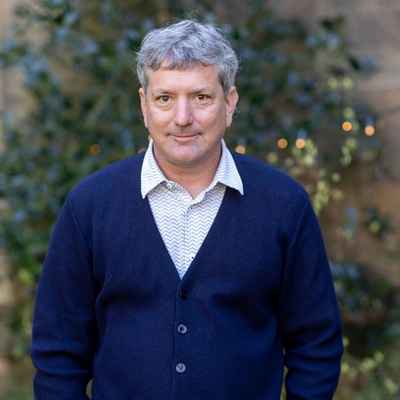
Evento HFJ1
Javier Calvo Pérez
Aquí nadie se hunde
Universidad Continental
Ver más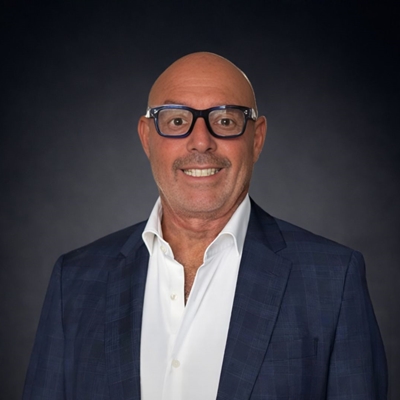
Evento HFJ2
Taller de ‘storytelling’ con Daniel Sacro
Sagrada escritura
Universidad Continental
Ver más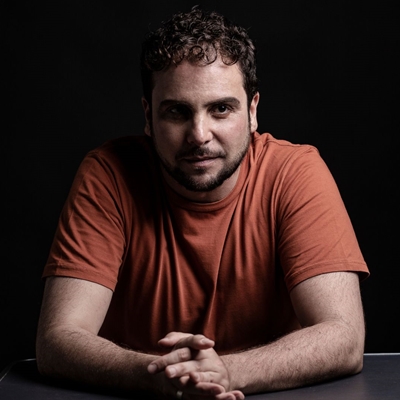
Evento 1
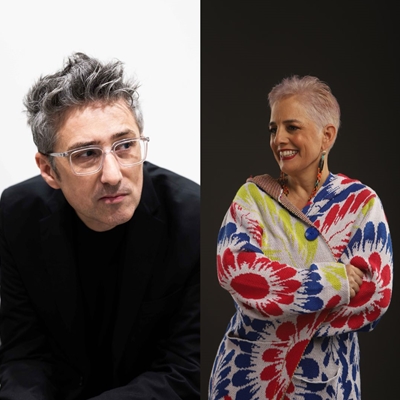
Patricio Pron en conversación con Patricia del Río
Literatura como resistencia
Colegio de Arquitectos
Ver másDicen que Patricio Pron (Argentina) es un escritor de escritores. Que su manera de entender la literatura, su esfuerzo por no caer en el convencionalismo y de experimentar con la palabra, lo convierten en uno de los narradores más singulares y arriesgados de su generación. En todo hay una grieta y por ella entra la luz inicia como una biografía de Benjamine Fondane, pero enseguida se convierte en un relato de un mundo fracturado, una postal de lo vertiginoso de Nueva York, con el dolor en el centro del discurso, hilado todo mediante notas al pie. Pron dice que la literatura es «un reservorio de ideas posibles», por lo que esta charla junto a Patricia del Río es una invitación a meditar sobre la función de la literatura en nuestro tiempo.
Con el apoyo de Acción Cultural Española, AC/E
Evento HFC2
Charla-taller con María Gracia Ríos, Rosario Yori y estudiantes PUCP
Descubriendo las humanidades
COAR
Ver másCon el apoyo de la PUCP
Evento 2
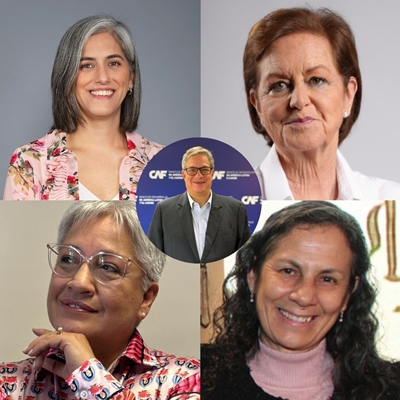
Toni Alva, Cecilia Bákula, María Emilia Ladrón de Guevara y Patricia Salas O’Brien en conversación con Santiago Rojas
Un país, cuatro miradas: ¿hay un horizonte común para el Perú?
Colegio de Arquitectos
Ver másPerú atraviesa una nueva etapa en medio de profundas fracturas sociales, institucionales y culturales. Cuatro mujeres con experiencias distintas aceptan un desafío poco habitual: pensar el país más allá de las diferencias ideológicas, para preguntarse qué necesitamos reconstruir si aspiramos a recuperar la confianza, fortalecer la democracia e imaginar un proyecto compartido. La exministra de Economía y Finanzas Toni Alva, la historiadora Cecilia Bákula, la exministra de Educación Patricia Salas O'Brien y la presidenta de la Comisión de Mujeres Empresarias de la Cámara de Comercio de Arequipa, María Emilia Ladrón de Guevara, compartirán una conversación moderada por Santiago Rojas, explorando los puntos de encuentro que permitan vislumbrar una esperanza compartida para el Perú.
Con el patrocinio de Yura y con el apoyo de CAF
Evento 3
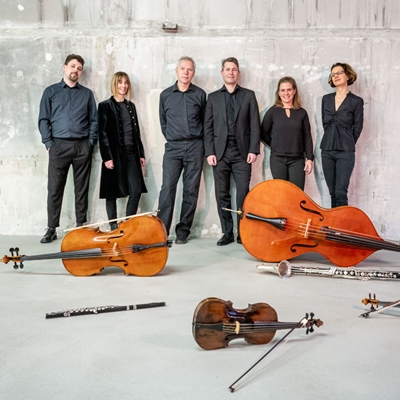
Concierto del Ensemble KNM Berlin
Concierto inaugural
Teatro Municipal
Ver másEl Ensemble KNM Berlin es una de las formaciones de música contemporánea más prestigiosas de Europa. Tras crecer y establecerse como referente de la escena musical berlinesa y alemana, ha desarrollado una trayectoria internacional basada en el estreno de nuevas composiciones junto a colaboraciones estrechas con compositores de todo el mundo. Habitual en algunos de los principales festivales de música contemporánea, y con actuaciones en escenarios emblemáticos como el Carnegie Hall de Nueva York y el Teatro Colón de Buenos Aires, ofrecerá en Arequipa un concierto en el que experimentación, curiosidad y diálogo intercultural serán las señas de identidad del quinteto compuesto por Theo Nabicht (clarinete bajo), Kirstin Maria Pientka (viola), Jonathan Heilbron (contrabajo), Ana María Rodríguez (electrónica) y Thomas Bruns (video/sonido).
Con el apoyo del Goethe-Institut Perú y el proyecto Crippled Symmetries
Evento HFC3
Taller con Peru Runners y La Bibliobici de Arequipa
Establecimiento penitenciario de hombres de Arequipa
Ver másEvento HFJ3
Mariana Matija
Habitar el mundo desde la ecología
Universidad Continental
Ver más
Evento HFC4
Taller con Peru Runners y La Bibliobici de Arequipa
Establecimiento penitenciario de mujeres de Arequipa
Ver másDesde el 2019, el Hay Festival Arequipa desarrolla sesiones en las secciones de varones y mujeres del establecimiento penitenciario de Arequipa con el propósito de acentuar sus objetivos de identificación con los sectores más vulnerables de la comunidad. En esta edición Peru Runners, la mayor organización de running de Perú, y La Bibliobici de Arequipa ofrecerán un taller impartido por María José Rodríguez Larraín sobre el cuerpo, el movimiento y la respiración.
Evento HFC5
Phillip Chu Joy
Una historia de éxito
COAR
Ver másEl resumen del resumen sería que Phillip Chu Joy (Estados Unidos/Perú) pasó de jugar videojuegos a regalar casas. Pero la historia es bastante más compleja: creador de contenidos, empresario y promotor de iniciativas filantrópicas, habló por más de una década de tecnología y videojuegos en el programa televisivo Tec. Actualmente, dirige una empresa de desarrollo de videojuegos y ha construido una comunidad que combina entretenimiento, beneficios y acción social. Su historia de vida está recogida en La diversión es un negocio serio, escrita por Luis Wong e ilustrada por Melissa Siles. Recientemente ha publicado Aventura infinita, un libro interactivo con juegos y rompecabezas. Una trayectoria exitosa fundada a partir de la creatividad y las ganas de hacer las cosas de otra manera.
Patrocinado por Gloria

Evento 4
Sarah Babiker Moreno y Renata Salecl en conversación con Omar Zevallos
Teatro Municipal
Ver más¿Cómo afrontamos un mundo marcado por la incertidumbre, la polarización y la desigualdad? ¿Qué teclas debemos tocar para cambiar las cosas y pasar de los dichos a los hechos? La filósofa y socióloga eslovena Renata Salecl, autora de Maleducados y El placer de la transgresión, explora cómo el miedo, el deseo, el poder y las normas sociales moldean nuestras decisiones y comportamientos. Junto a ella, la periodista y escritora española Sarah Babiker Moreno, autora de La nada fértil, reflexiona sobre el racismo, las migraciones, el feminismo y las desigualdades desde una mirada crítica y personal. En conversación con Omar Zevallos, ambas analizarán las narrativas que configuran nuestras sociedades y el papel del pensamiento crítico para imaginar formas más justas de convivencia.
Se ofrecerá interpretación simultánea del inglés al español
Con el apoyo de Acción Cultural Española, AC/E
Evento 5
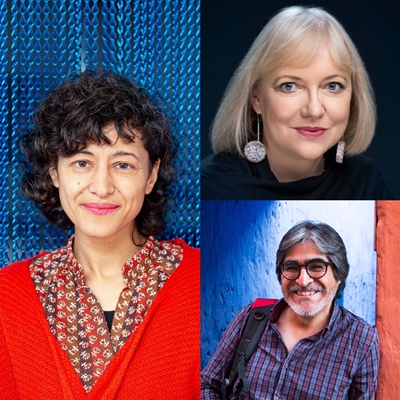
Claudia Apablaza y Santiago Roncagliolo en conversación con Ricardo Sumalavia
Cuadernos hispanoamericanos
Centro Cultural Peruano Norteamericano (teatro)
Ver másLa revista Cuadernos hispanoamericanos fomenta el conocimiento y el intercambio entre escritores de distintas generaciones y nacionalidades, unidos por una misma lengua y una tradición literaria enriquecida por dichos orígenes diversos. En este encuentro especial Claudia Apablaza, autora de La siembra de las nubes, y Santiago Roncagliolo, autor de El pastor y los lobos, conversan sobre sus obras y sus mundos literarios con Ricardo Sumalavia.
Con el apoyo de la Agencia Española de Cooperación Internacional para el Desarrollo AECID y de la PUCP
Evento 6
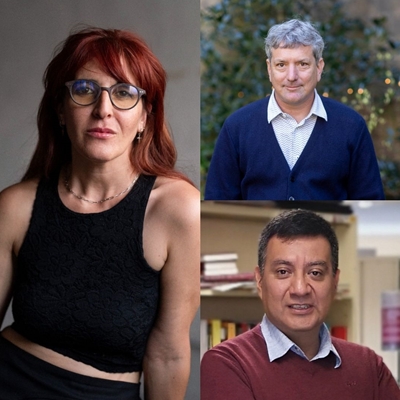
Farid Kahhat en conversación con Camila Osorio
El mundo se ha vuelto un lugar extraño
Teatro Arequepay
Ver másHay momentos en los que parezca que el mundo ha perdido el norte, y que no haya brújula que nos guíe por sus decisiones políticas. Situaciones en las que las reglas hasta ahora establecidas parecen difuminarse y las relaciones internacionales fluctúan con la creación de nuevos conflictos, alianzas y órdenes mundiales. El politólogo Farid Kahhat (Perú) trata de poner algo de luz en los acontecimientos sociopolíticos actuales en su libro de ensayos El mundo se ha vuelto un lugar extraño, donde analiza los temas más relevantes en la política internacional contemporánea. Conversará con Camila Osorio, periodista de El País, sobre las coordenadas necesarias para navegar tanto desconcierto.
Con el apoyo de Open Society Foundations
Evento P1
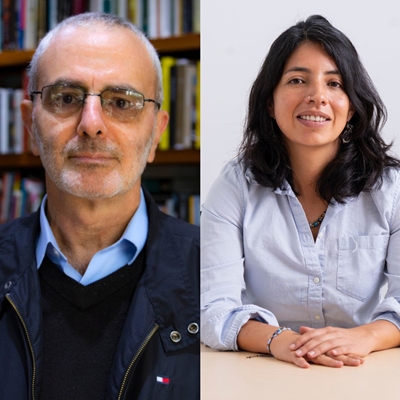
Cristina Bendek, Carlos Fonseca, Edmundo Paz Soldán y Mayra Santos-Febres
Pódcast Hay Festival en español: Otras historias del Archivo de Indias
Casa del Moral
Ver másLas historias cambian dependiendo de quién y desde dónde las cuentan. Hay historias que solo aparecen cuando cambiamos de perspectiva. La mirada es la que genera la narrativa. La antología Otras historias del Archivo de Indias es un proyecto en el que 10 escritores y escritoras de América Latina y España vinculan el legado histórico del Archivo con el presente de sus países y contextos. Ven a conocer cómo se graba en directo un episodio del pódcast Hay Festival en español, y escucha las reflexiones de Cristina Bendek, Carlos Fonseca, Edmundo Paz Soldán y Mayra Santos-Febres sobre su participación en la antología y su mirada personal al proyecto.
Conducen: Miguel Barreda Delgado e Iñaki Lasa Etura
Guion: Hay Festival Internacional
Producción: Vía Expresa Cine y Video
Patrocinado por Credicorp - Serie Pódcast y con el apoyo de CAF
Evento TE1
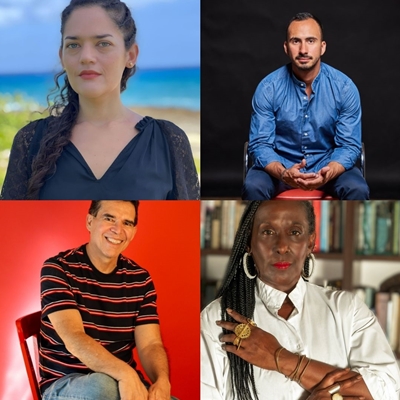
Enrique Redel en conversación con Ana Cañellas
Venturas y desventuras de un editor independiente
Centro Cultural Peruano Norteamericano (auditorio)
Ver másCreada en 2007, la editorial Impedimenta nació para «publicar lo más valioso de la literatura clásica y moderna». Tras casi veinte años de vida, es una de las editoriales más prestigiosas en lengua española. Su fundador, Enrique Redel, conversará con la librera Ana Cañellas desgranando dos décadas de labor editorial independiente.
Con el apoyo de la Agencia Española de Cooperación Internacional para el Desarrollo AECID y Librerías Cálamo
Evento HFJ4
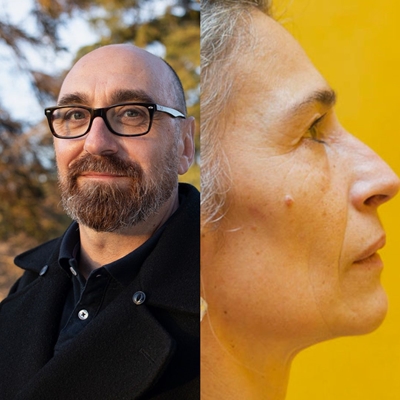
Toni Alva en conversación con Luis Goya
Gestión y liderazgo desde la juventud
Universidad Continental
Ver más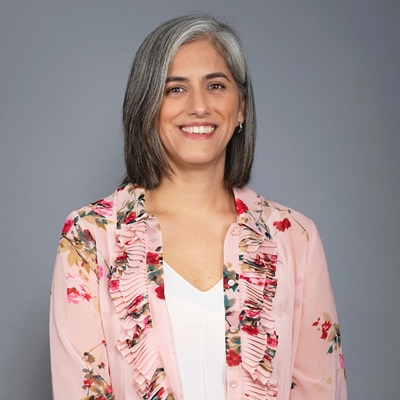
Evento HFJ5
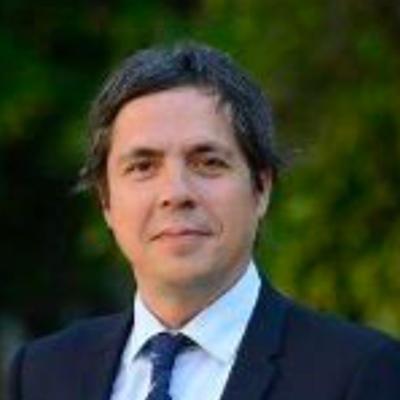
Serge Barbet en conversación con Daniel Mitma
Formar en la educación
Universidad Continental
Ver másSerge Barbet (Francia-Argentina) es un periodista especializado en educación, y es el director del Centro de Educación en Medios e Información (CLEMI, por su siglas en francés), en conversación con XX, hablará sobre alfabetización mediática y la importancia de educar nuevas audiencias, desde la juventud, para que participen de manera más consciente en la vida democrática.
Se ofrecerá interpretación consecutiva del francés al español
Evento HFC6
Lectura continuada de 'Un mundo para Julius'
Calle Santa Catalina 300
Ver másCon el apoyo de la PUCP
Evento 7
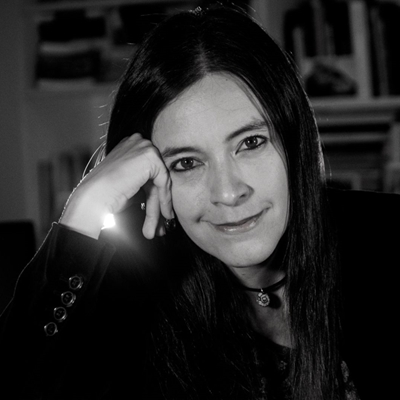
Carlos Granés y Fietta Jarque en conversación con Katerina Valdivia Bruch
Cómo el arte explica un continente
Teatro Municipal
Ver másInvita SURA y con el apoyo del ICPA

Evento 8
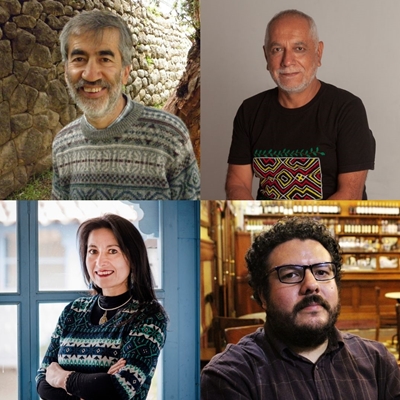
Luis Nieto Degregori, Karina Pacheco y Miguel Rubio en conversación con Luis Rodríguez Pastor
Yuyachkani: el país como escenario
Centro Cultural Peruano Norteamericano (teatro)
Ver másDurante más de medio siglo, Yuyachkani ha hecho del teatro una forma de escuchar al Perú. Miguel Rubio, fundador del grupo, dialogará con los escritores Luis Nieto Degregori y Karina Pacheco, cuyas novelas han explorado muchas de las preguntas que han acompañado a Yuyachkani: la memoria, la violencia, la identidad, la diversidad y la posibilidad de reconciliación. Moderados por Luis Rodríguez Pastor, reflexionarán sobre cómo el arte ha contribuido a narrar un país complejo y plural, y sobre el papel de la creación cuando una sociedad necesita recordar, comprender y volver a imaginarse.
Con el apoyo de la Universidad Continental
Evento 9
Greta García y Alessandra Pinasco en conversación con Augusto Carrasco
Literatura sin filtros
Centro Cultural Peruano Norteamericano (auditorio)
Ver másCon el apoyo de Acción Cultural Española, AC/E
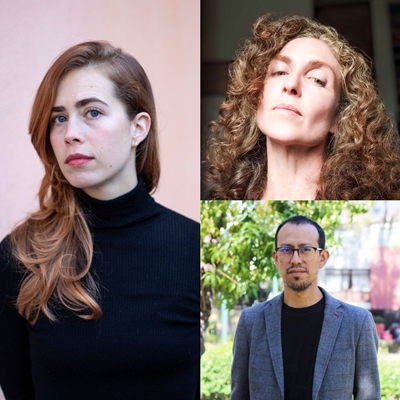
Evento 10
Julio Arbizu, Cecilia Bákula, Javier Ciurlizza y José Luis Ramos Salinas en conversación con Patricia del Río
Verdad, memoria y los desafíos que el Perú aún enfrenta
Colegio de Arquitectos
Ver másCon el apoyo de Open Society Foundations
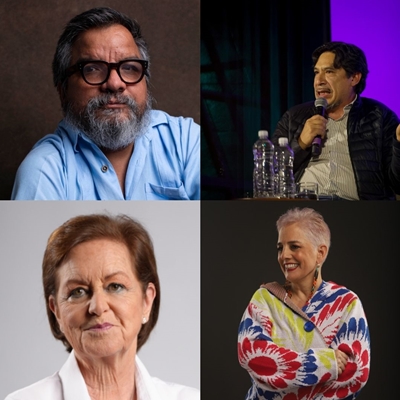
Evento 11
Micaela Chirif y Mariana Matija en conversación con Gracia Angulo
Mirar el mundo desde el asombro
Teatro Arequepay
Ver másEn Niñapájaroglaciar, Mariana Matija (Colombia) escribe acerca de la necesidad de reaprender nuestra relación con la naturaleza y con los seres vivos que nos rodean. Por su parte, Micaela Chirif (Perú) ha dedicado parte de su trabajo literario de los últimos años a libros que nos acercan a la fauna nacional y regional como son Animales peruanos, Navegar por los aires y su producción más reciente: Vida y costumbres de los animales de la Amazonía. Dos autoras que se acercan desde la naturaleza y el asombro a la literatura conversan con la editora Gracia Angulo.
Patrocinado por Credicorp
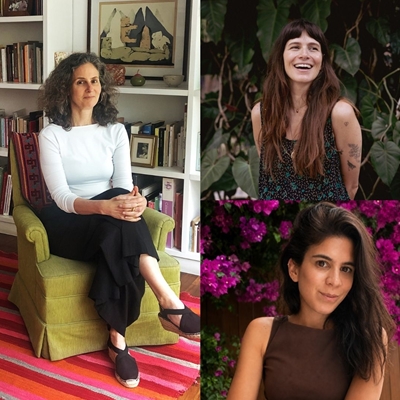
Evento HFJ6
Quan Zhou en conversación con Julia Ponce
Ni de aquí ni de allí
Universidad Continental
Ver más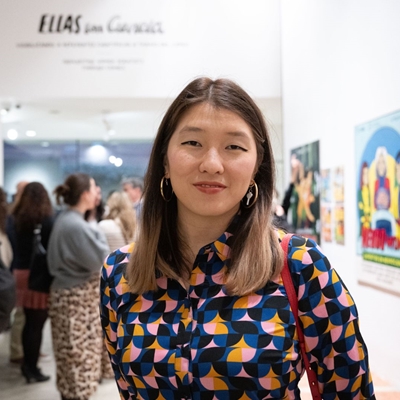
Evento 12
Mircea Cărtărescu en conversación con Dante Trujillo
El rumano más macondiano
Teatro Municipal
Ver másMircea Cărtărescu (Rumania) es uno de los autores más destacados de la literatura europea contemporánea. Narrador cercano a lo místico, ha construido un universo literario onírico casi macondiano en el que lo real y lo imaginario se entretejen con fuerza lírica. El propio autor ha comentado que hay quien piensa que Rumania es un país latinoamericano extraviado en Europa, y que él está de acuerdo con ello. Autor de más de veinte libros de poesía, narrativa y ensayo, sus últimas obras traducidas al español son la monumental trilogía Cegador —considerada la cima de su cosmos literario junto a Solenoide—, Theodoros y Los conocedores. En conversación con Dante Trujillo.
Se ofrecerá interpretación consecutiva del rumano al español
Patrocinado por Fundación BBVA
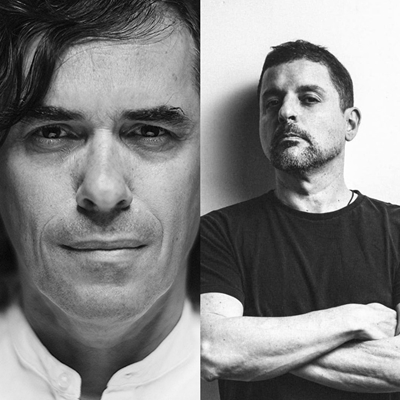
Evento 13
Luis Nieto Degregori y Eloísa Vaello en conversación con Diego Molina Rey de Castro
La diversidad del placer sexual
Centro Cultural Peruano Norteamericano (teatro)
Ver másSomos seres sexuales cuya subsistencia depende de la reproducción biológica. Pero la sexualidad también se comprende desde un contexto sociocultural, basado en nuestras creencias y tradiciones. Lucho Nieto Degregori (Perú) explora la evolución de la sexualidad en el Perú desde la época preincaica hasta la actualidad, analizando las transformaciones sociales con una mirada histórica y cultural. Es justo en la actualidad donde se sitúan los relatos sobre diversidad sexual de En un mundo raro. Antología de voces LGTBIQ+ en español. Una pluralidad de voces disidentes que ha sido coeditado por AECID, cuya subdirectora de Cooperación y Acción Cultural para el Desarrollo Sostenible, Eloísa Vaello, también se suma a la conversación. Modera Diego Molina Rey de Castro.
Con el apoyo de Eccles Institute for the Americas and Oceania at the British Library
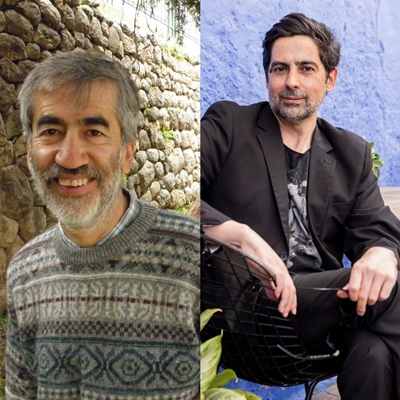
Evento 14
Carlos Granés y Edmundo Paz Soldán en conversación con Erna von der Walde
Otras historias del Archivo de Indias: virreinatos y rebeliones
Centro Cultural Peruano Norteamericano (auditorio)
Ver másOtras historias del Archivo de Indias es un proyecto de investigación y una propuesta artística en la que grandes escritores y escritoras de la región se acercan a los documentos conservados en el Archivo General de Indias. Este proyecto del Hay Festival y CAF pretende acercar al público general el vasto acervo documental del archivo y ofrecer una perspectiva crítica y diversa de la multitud de historias que registran y cuestionan la memoria colonial de las Américas. Estos textos han sido recogidos en la antología Otras historias del Archivo de Indias, publicada por Anagrama. Carlos Granés (Colombia) y Edmundo Paz Soldán (Bolivia), quienes respectivamente han contribuido con los textos La pesadilla del virrey Abascal y La enfermedad del canto: utopía y rebelión en los Andes —escrito a cuatro manos con Liliana Colanzi—, conversan con la editora de la antología, Erna von der Walde (Colombia). Introduce el evento Santiago Rojas, gerente regional Norte de CAF.
Con el apoyo de CAF
Explorar todos los temas
- Artes
- Artes y Cultura
- Biografía
- Ciencia & Tecnología
- Cine
- Cultura
- Deporte
- Derechos humanos
- Educación
- Filosofía
- Fotografía
- Geografía
- Historia
- Infantil
- Latin America
- Literatura
- Música
- Naturaleza & Medioambiente
- Periodismo
- Pódcast
- Poesía
- Política y actualidad
- Pueblos originarios
- Religiones
- Salud
- Teatro
- Vida

Aliado para América Latina

Socios Principales en Perú