Arequipa 2020
All the events are free. Please select and book the events you wish to attend by entering your personal data. You will receive a confirmation mail that will validate your reservation and will be your voucher so that you can access the events virtually.
The schedules shown for each event are in GMT-5 (Lima, Bogotá, Panamá…). Once the live streaming is over, the recordings will be available until 16 November at 12:00 am for free on this website, below each event description. Afterwards, they will be added to Hay Player, our online archive containing audio and video of the events from all Hay Festivals across the world.
View the Hay Festivalito programme: the section for children and young adults.
If you have any trouble making your reservations, you can contact us at contacto@hayfestival.org
Event 35
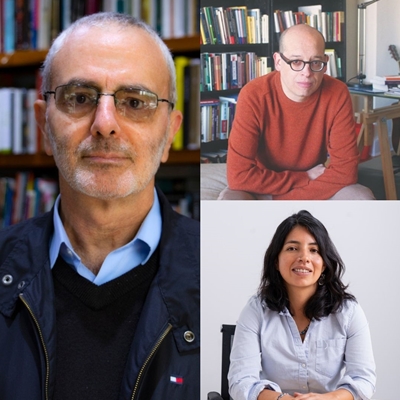
Farid Kahhat and Alberto Vergara in conversation with Camila Osorio
El País lecture: What is happening in the region?
Teatro Municipal
Read morePeru is experiencing a period of particular political disillusionment: weakened institutions, a sense of insecurity, and a citizenry distanced from its representatives. At the same time, Latin America also seems to be shifting its priorities, veering to the right, with security as a key electoral priority for its presidential candidates. What does the Peruvian case tell us about this trend? Is this change in the political landscape due to a cyclical ideological shift in the region, or is there something deeper behind it? Farid Kahhat and Alberto Vergara will discuss the reasons for this disenchantment with politics in Peru, the new forms of leadership emerging in the region, and where all of this might lead us.
Event 37
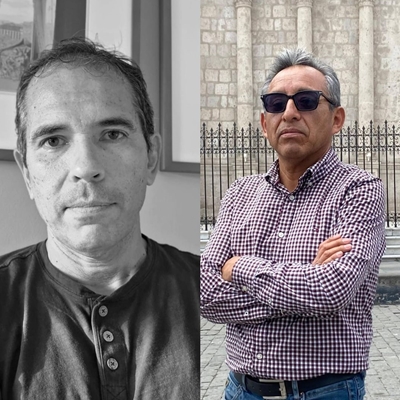
Luis Carlos Arias Schreiber in conversation with Juan Carlos Soto
The Peruvian who conquered Wimbledon
Colegio de Arquitectos
Read moreIn 1959, Alex Olmedo became the first Peruvian tennis player to win the prestigious Wimbledon tournament, a feat no other Peruvian has repeated since. That same year, he also won the Australian Open. The journalist Luis Carlos Arias Schreiber (Peru) has published Alejandro Olmedo, a biography that reconstructs the rise to glory of a young man from Arequipa with humble origins. It explores his years in the United States, his complex relationship with identity, nationality and competition, and how he became a coach to celebrities such as Katharine Hepburn, Kirk Douglas and John Wayne.
Sponsored by Cerro Verde
Event 38
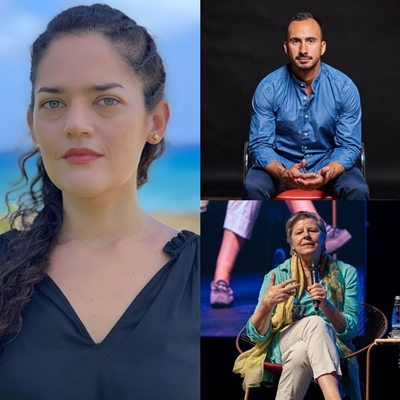
Cristina Bendek and Carlos Fonseca in conversation with Erna von der Walde
Other Stories from the Archivo de Indias: a world in transformation
Teatro Arequepay
Read moreOtras Historias del Archivo de Indias is a research project and an artistic initiative in which leading writers from the region engage with the documents held at the Archivo General de Indias. This project, organised by the Hay Festival and CAF, aims to introduce the general public to the archive’s vast collection of documents and to offer a critical and diverse perspective on the multitude of stories that record and challenge the colonial memory of the Americas. These texts have been compiled in the anthology Otras historias del Archivo de Indias, published by Anagrama. Cristina Bendek (Colombia) and Carlos Fonseca (Costa Rica), who have contributed with the respective texts Aclamación en dos voces para la Primera Madre and El color de todo lo que se perdió, will talk to the anthology’s editor, Erna von der Walde (Colombia).
With the support of CAF
Event 39
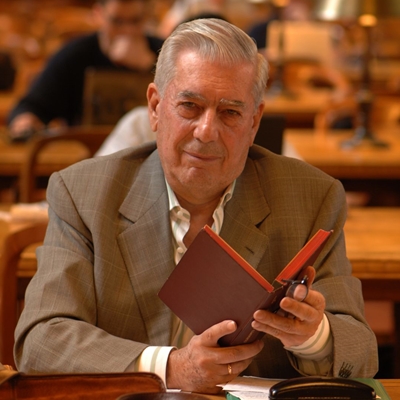
Reading in homage to Mario Vargas Llosa
Casa Tristán del Pozo - Fundación BBVA
Read moreTwelve participants of the Hay Festival Arequipa 2026 will pay tribute to Mario Vargas Llosa by reading 24 autobiographical texts by the extraordinary Arequipa writer. From his birth to his eighties, we will explore the many sides of this multifaceted figure, remembering the universal writer, the incisive journalist and the generous human being. A unique opportunity to celebrate life, art and the transformative power of literature.
Taking part: Claudia Apablaza, Augusto Carrasco, Ulises Gutiérrez Llantoy, Fietta Jarque, Alma Delia Murillo, Giovanna Pollarolo, Luis Rodríguez Pastor, Ricardo Sumalavia, Alonso Ruiz Rosas, Raúl Tola, Josefina Townsend, Zoila Vega Salvatierra
Accessibility: Peruvian Sign Language (LSP) interpretation
Co-organised with the Cátedra Mario Vargas Llosa and with the support of Integra Tech
Event 40
Irenosen Okojie in conversation with Mayra Santos-Febres
Storytelling to connect us with the unexpected
Alianza Francesa de Arequipa
Read moreThere are writers who shine when they flow between fiction and reality; when their imagination merges the everyday with the fantastical. Irenosen Okojie, the multi-award-winning Nigerian-British author, draws the reader into her narrative universe with a grace that immediately captivates. Novels like Butterfly Fish and Curandera, and short story collections such as Speak Gigantular and Nudibranch, boast a boundless imagination in which the fantastic approaches reality from angles that realism cannot reach. In conversation with Puerto Rican writer Mayra Santos-Febres, she will discuss the possibilities that imagination offers for crossing borders and writing about memory, desire, identity and belonging from other perspectives.
Simultaneous interpretation from English to Spanish available
With the support of the British Council
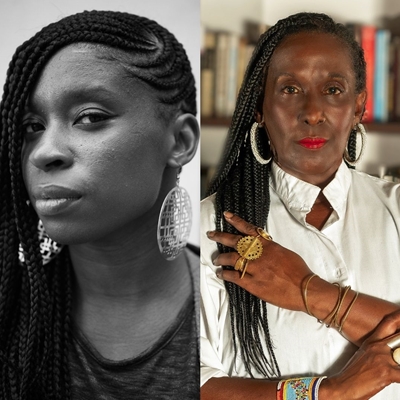
Event HFC17
Improvisation performance 'En el acto'
Biblioteca Personal de Mario Vargas Llosa (San Francisco 306) - Auditorio Amelia Díaz
Read moreNo rehearsals, no script, and with the help of the audience! En el acto, directed by Alexis Valverde, is an anthology of improvised micro-plays in which the actors explore loneliness, abandonment and new beginnings. With performances created on the spot, there will be scenes full of humour, surprise and emotion. Improvisation makes each performance unique, and anything can happen. Welcome to the magic of theatre.
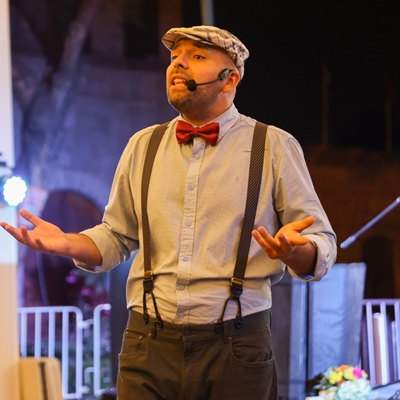
Event CL2
Reading Club with Rosa Chávez Yacila and Jorge Malpartida Tabuchi
Las nerviosas
Instituto Cultural Peruano Alemán
Read moreThe Hay Festival Reading Club arrives in Arequipa, led by Jorge Malpartida Tabuchi, presenting Rosa Chavez Yacila (Peru) and her non-fiction book, Las nerviosas, in which she discovers that anxiety and depression are shared with other members of her family, and in which she reflects on inherited pain, emotional fragility and the internal struggle of women to break a cycle.
Book to be read before attending
SURA invites
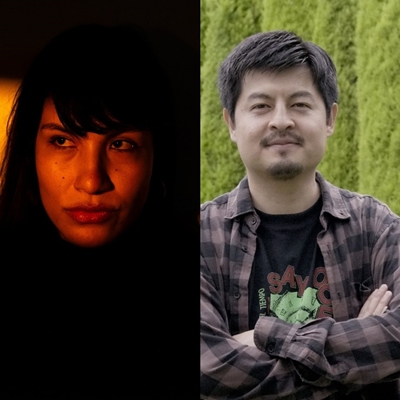
Event TE3
Soledad Cunliffe and Ruhuan Huarca in conversation with Paco Goyanes
Why and how to open a bookshop, as well as with what aims and for whom
Centro Cultural Peruano Norteamericano (auditorio)
Read moreCommercial outlets, but also essential cultural and social centres serving the community: bookshops have become vital spaces for democratic coexistence. With Soledad Cunliffe (La Rebelde Librería), and Ruhuan Huarca (Fabla Salvaje) in conversation with Paco Goyanes (Librerías Cálamo).
With the support of the Spanish Agency for International Development Cooperation AECID and Librerías Cálamo
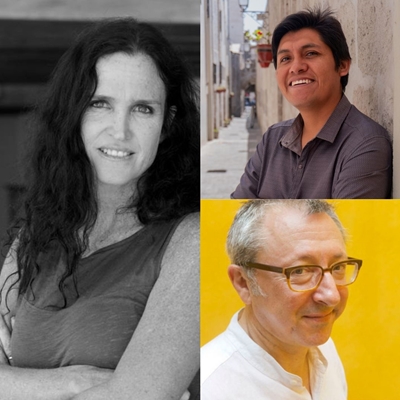
Event HFC16
Proyección de película seguida de Rossana Díaz Costa en conversación con Luis Rodríguez Pastor
Un mundo para Julius
Plaza San Francisco
Read moreRossana Díaz Costa dirige la adaptación cinematográfica de la novela Un mundo para Julius de Alfredo Bryce Echenique. Julius es un niño de clase alta de los 50 en Lima. Vive en un palacio con su familia y muchos sirvientes. Perderá la inocencia poco a poco, al descubrir y nunca entender un mundo lleno de injusticias. Tras la proyección, Díaz Costa dialogará con Luis Rodríguez Pastor acerca de esta obra clave, que con el uso de la ironía y la ternura retrató la profunda desigualdad social y el racismo en el Perú.
Con el apoyo de la PUCP
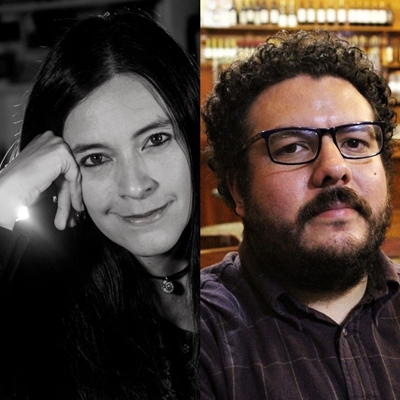
Event 41
J. M. Coetzee in conversation with Valerie Miles
The 'making of': Mariano Melgar, poetry of love and rebellion
Teatro Municipal
Read moreThere is a link that connects a Nobel laureate like J. M. Coetzee (South Africa) with Arequipa: the poetry of Mariano Melgar. At the end of last year, he translated, along with Valerie Miles (USA), the poem "Por no sé qué capricho" into English and published it in the prestigious literary magazine The Paris Review under the title "On Some Whim or Other." This is a small preview of what is to come: the publication of Mariano Melgar: poesía de amor y rebelión, a bilingual edition in Spanish and English with poems by the "poet of the yaravíes." They will discuss the culmination of three years of work in which they selected and translated Melgar's work, how Coetzee came to discover Melgar, and what fascinated him about his poems. It is significant that, 200 years after Melgar's death, his poetry is finally being translated into English.
Simultaneous interpretation from English to Spanish available
SURA Invites
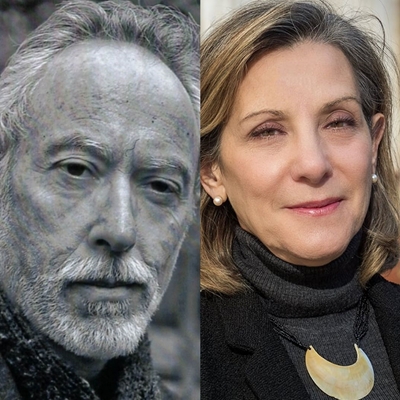
Event 42
Theatre with Javier Peña
Es necesario navegar
Centro Cultural Peruano Norteamericano (teatro)
Read moreA theatrical piece about humanity, literature and the sea. Es necesario navegar is a performance-lecture that examines the inseparable relationship between human beings, literature and the sea — spanning everything from the Epic of Gilgamesh (written in 2100 BCE) to the video art of French artist Sophie Calle, and from Homer’s Odyssey to Defoe’s Robinson Crusoe. Javier Peña invites the audience to embark with him on a one-hour voyage, accompanied only by the sea and a handful of stories.
Sponsored by Credicorp
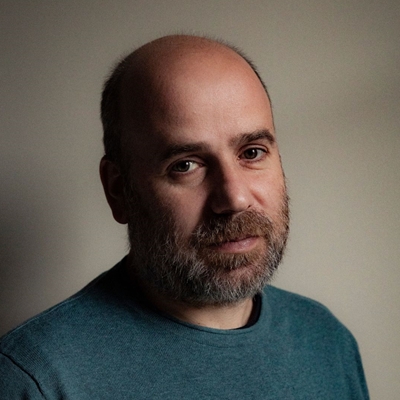
Event P5
Xabier Díaz de Cerio and Rosa Vásquez Espinoza
Hay Festival en español podcast: another way of talking about the environment
Casa del Moral
Read moreStories change depending on who tells them and from where. Some stories only emerge when we shift our perspective and it is our viewpoint that shapes the narrative. Come and discover how a live episode of the Hay Festival podcast in Spanish is recorded, and listen to the reflections of Xabier Díaz de Cerio and Rosa Vásquez Espinoza on the environmental legacy our generation can leave.
Presenters: Miguel Barreda Delgado and Iñaki Lasa Etura
Script: Hay Festival Internacional
Production: Vía Expresa Cine y Video
Sponsored by Credicorp – podcast series
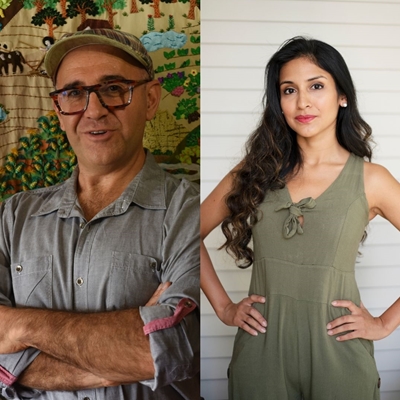
Event HFC18
Three kilometre run and book presentation with Peru Runners
The story of the runner who changed Peru
Plaza San Francisco
Read morePeru Runners, the largest running organization in Peru, has been promoting the passion for this sport for 40 years. This time, they will organize a three-kilometre run through the historic centre of Arequipa, along with several groups from the city, finishing in Plaza San Francisco. Upon arrival, a facilitator will lead a movement session. After the exercises, María José Rodriguez Larrain and Gonzalo Rodriguez Larrain will present the book Perú Runners 40 años - La historia del runner que transformó el Perú. A healthy and positive way to start your Sunday and promote a passion for running.
Event 43
Phillip Chu Joy in conversation with Eliezer Budasoff
El hilo event
Teatro Municipal
Read moreThe technology content creator, entrepreneur and philanthropist Phillip Chu Joy (Peru) is one of the best-known figures on social media in Peru, with a loyal community that supports him and a subscription program through which his followers can access various benefits. In this special episode of the podcast El hilo, from Radio Ambulante Estudios, he will talk about how he went from playing video games to giving away houses and cars and promoting social causes. The episode will be hosted by Eliezer Budasoff.
This event will be recorded live and later broadcast as an El hilo podcast

Event 44
Catherine Fletcher in conversation with Juan Esteban Constaín
Travelling through Words
Centro Cultural Peruano Norteamericano (teatro)
Read moreAunque la metáfora sea manida, comenzar una lectura es abrir la puerta a nuevos mundos. Con Los caminos a Roma de Catherine Fletcher (Reino Unido) lo hacemos al Imperio romano, en específico a los caminos trazados en aquella época, que dos milenios después siguen siendo transitados en muchos de los casos. Transitadas por cruzados, peregrinos, revolucionarios, dictadores, turistas, escritores, refugiados y artistas, estas vías transformaron para siempre las culturas europeas y entrelazaron los destinos de sus ciudadanos.
Se ofrecerá interpretación simultánea del inglés al español
With the support of the British Council
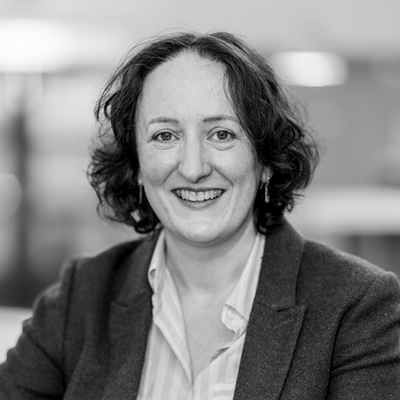
Event 45
Fietta Jarque and Javier Peña in conversation with Cecilia Barría
Living in the cracks
Centro Cultural Peruano Norteamericano (auditorio)
Read moreWith the support of the Spanish Embassy in Peru
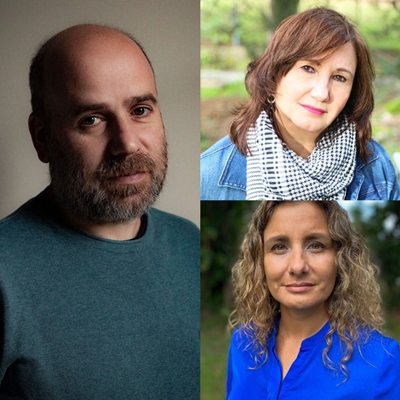
Event 46
Sarah Babiker Moreno in conversation with Carlos Zeballos Velarde
Unequal cities
Colegio de Arquitectos
Read moreEven in the cities most dehumanized by neoliberalism, there is room for hope if we begin with the dignity of their inhabitants. That's why La nada fértil, by journalist and anthropologist Sarah Babiker Moreno (Spain), goes beyond being an essay that interweaves stories criticizing the precarity we experience. It addresses all stages of life from a feminist perspective to depict an inhospitable and precarious landscape —in housing, education, relationships and employment— that suffocates us, yet whose citizens confront with affection and tenderness. The wasteland of the city blossoms into a field of social relationships and support networks that strive for a better life.
With the support of Accion Cultural Española, AC/E and CAF
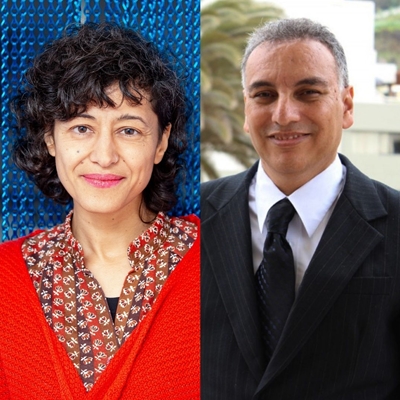
Event 47
Raul Tola and Alberto Vergara in conversation
Anatomy of Peru in the 21st century
Teatro Arequepay
Read moreAfter an election decided by fewer than 50,000 votes and with the first months of the new government already past, it is necessary to try to decipher a democracy as complex as Peru's. To discuss 21st-century Peru beyond politics, we have invited two of the country's most renowned analysts: the political scientist Alberto Vergara and the writer Raúl Tola.
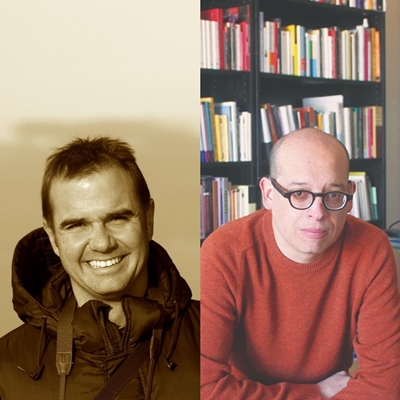
Event 48
Ximena López Bustamante and Giovanna Pollarolo in conversation with Luis Rodríguez Pastor
Varela-Ferrer: echoes of a conversation that never took place
Casa Tristán del Pozo - Fundación BBVA
Read moreOn the centenary of Blanca Varela's birth and following the recent publication of Julia Ferrer's En la orilla de todos los sueños. Poesía reunida, two outstanding voices of 20th-century Peruvian poetry meet again through those who have studied their work. Giovanna Pollarolo, Ximena López Bustamante and Luis Rodríguez Pastor will bring into dialogue two poetics that seem to advance along opposite paths: Varela's extreme refinement and Ferrer's boundless imagination. In both, however, there is a way of exploring the body, language, freedom and the female experience. Their verses, their lives and the readings they have inspired will be the starting point for revisiting a poetic tradition that continues to raise questions.
Sponsored by Cerro Verde with the support of PUCP
Event 49
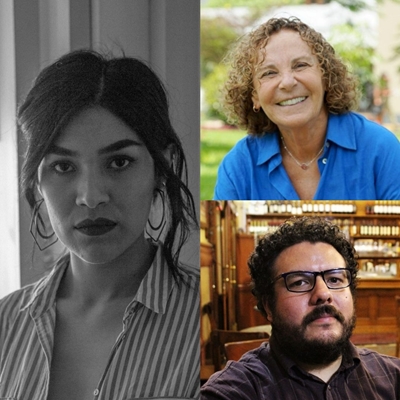
Álvaro Iparraguirre and Julio Rojas in conversation with Paola Donaire Cisneros
New heroes, new codes
Alianza Francesa de Arequipa
Read moreStories are not innocent: they shape our views on love, power, justice and heroism. While princesses once waited, today’s heroines take the initiative; where cinema once depicted a unique world, modern platforms, audio fiction and artificial intelligence are expanding the boundaries of storytelling. Julio Rojas, one of Ibero-America’s most innovative screenwriters and the creator of narrative universes such as Caso 63, and Álvaro Iparraguirre, the author of De princesas a heroínas, will join the communicator Paola Donaire Cisneros to discuss the transformation of the characters that inhabit our imaginations and the emergence of new audiovisual codes.
Sponsored by the University of Lima and with the support of the Chilean Embassy
Event HFC19
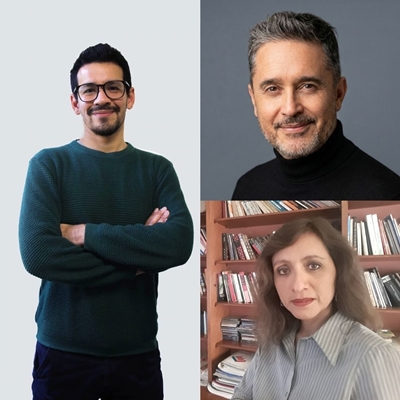
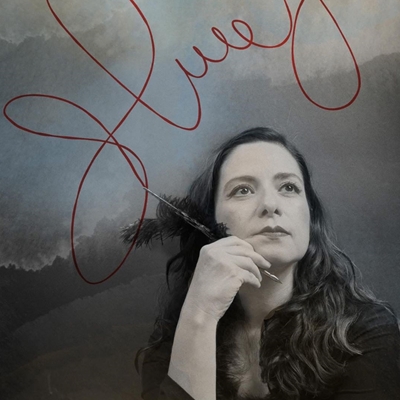
Ana Saavedra
Secrets for returning to the earth
Plaza San Francisco
Read moreThe writer, columnist and workshop facilitator Ana Saavedra is the author of Lo que la tierra me contó, secretos para volver a escucharla, a book of stories and poems that intertwines memory and nature. Founder of Anaquel Literario, she is closely connected to the literary community of Queretaro, Mexico, her home. In addition to presenting the book, she will give a musical poetry reading of some of the poems it contains.
With the support of Queretaro State
Event HFC20
La Carpa Librera, mediated by Ysabel Rodríguez
Plaza San Francisco
Read more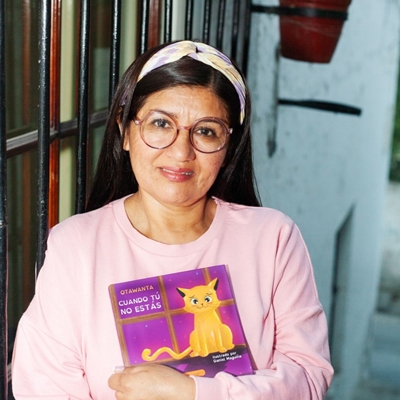
Event 50
André Aciman in conversation with Miguel Barreda Delgado
Love a la italiana
Teatro Municipal
Read moreThey say you always return to where you were happy, and for André Aciman (Egypt/United States), that place is Italy. It was Italy in Call Me By Your Name and Find Me, and it takes on a more personal dimension in My Roman Year, where he recalls the first year he spent in Rome with his family after fleeing Egypt. There, a teenager discovers the city while trying to find his place in the world and experiencing love. This possibility of becoming someone else also runs through Room on the Sea, his most recent novel, not yet translated into Spanish, whose protagonists imagine the lives they could have lived. Alongside filmmaker Miguel Barreda Delgado (Peru), he will discuss literature and film, that profoundly human matter that lies between who we are and who we imagine we could have been.
Simultaneous interpretation from English to Spanish available
With the support of the Open Society Foundations
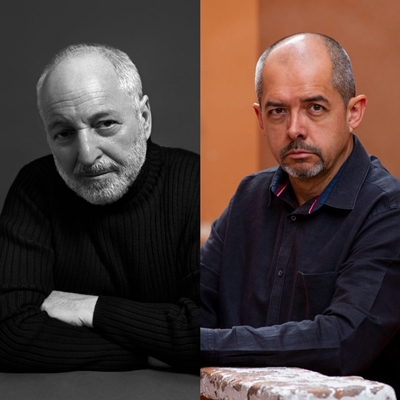
Event 51
Vidya Narine in conversation with Augusto Carrasco
Reflections among orchids
Centro Cultural Peruano Norteamericano (teatro)
Read moreBased on meticulous research on orchids, including accounts from 19th-century explorers and scientists and contemporary botanical studies, Vidya Narine (France) has created a short, fragmented and poetic novel that interweaves the history of these flowers with a narrative on capitalist and colonial development. Orchidéíste is a debut novel that exposes the paradoxes of our time while reflecting on the exploitation of natural resources and the loss and transmission of family traditions. Narine combines her literary career with creative direction in the world of fashion and communication, and edits the literary magazine Sève. In conversation with Augusto Carrasco.
Simultaneous interpretation from French to Spanish available
With the support of the French Embassy in Peru
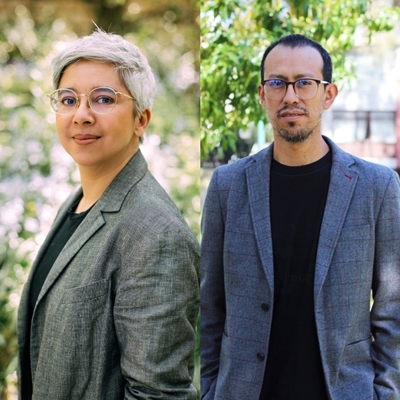
Event 52
Rosa Chávez Yacila in conversation with Andrea Lerner
The threshold of stories
Centro Cultural Peruano Norteamericano (auditorio)
Read moreThe key to the stories collected in Las nerviosas by Rosa Chávez Yacila (Peru) is the transmission of an affliction inherited from generation to generation among the women of the same family; a nervous condition that is not only an illness, but an emotional and social burden transmitted through silence, fear, repression and the expectations imposed on women. They will talk to Andrea Lerner.
Sponsored by Fundación BBVA
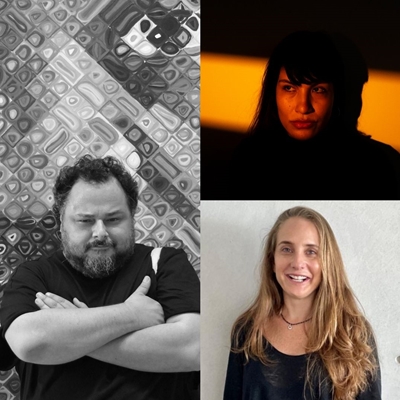
Event 53
Raúl Tola in conversation with Josefina Townsend
El peso del aire: power, corruption and journalism
Colegio de Arquitectos
Read moreThe weight of the air varies with altitude: the higher we climb, the less air there is above us, making it harder to breathe. Raúl Tola (Peru) turns this fact into a metaphor in his latest novel. El peso del aire is a novel about journalism, the gears of power and moral conscience; a story that paints a picture of a country adrift. In the midst of recording sets, clandestine meetings and election campaigns, an institutional rot that infects everything —even the family— is gradually revealed. In an atmosphere where ethics seem to be on permanent vacation, a group of journalists will try to preserve the integrity of the profession and cling to their convictions. Tola will discuss this novel, which portrays the fall of the first Fujimori regime with Josefina Townsend.
Co-organized with the Cátedra Mario Vargas Llosa and with the support of Integra Tech
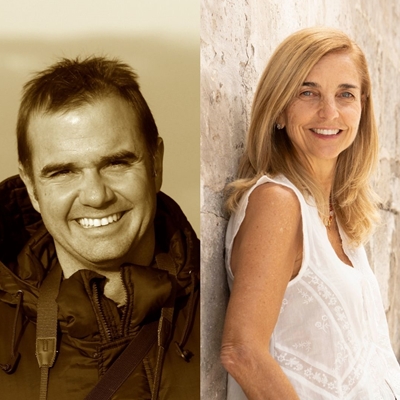
Event 54
Elma Correa and Karina Pacheco in conversation with Cecilia Barría
South to North conversations: Reservoirs of memory, cracks of violence
Teatro Arequepay
Read moreWhether setting El bosque de tu nombre in the Guatemalan armed conflict or portraying border life in Mexicali in Donde termina el verano —winner of the 2026 Biblioteca Breve Prize— both Karina Pacheco (Peru) and Elma Correa (Mexico) find inspiration in reality for their fictional settings. Rather than depicting specific events, they sketch territories where various forms of violence coexist, guided by the leitmotif that memory is everything: memory to avoid forgetting, to give voice to what the official narrative conceals, to reconcile and remember. These two authors will speak to Cecilia Barría, a BBC Mundo journalist, about what Mexicali and the Guatemalan jungle have in common, and about the literary vision they share.
With the support of Open Society Foundations
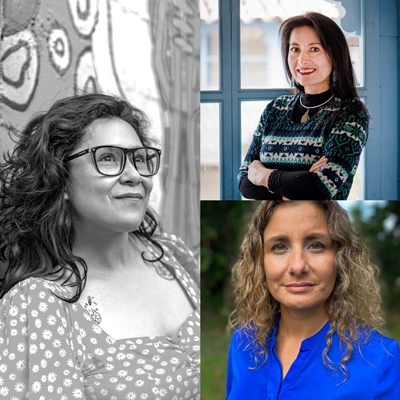
Event 55
Carlos Peña in conversation with Alberto Vergara
More humanism
Casa Tristán del Pozo - Fundación BBVA
Read moreWith the sponsorship of Yura and with the support of the Open Society Foundations
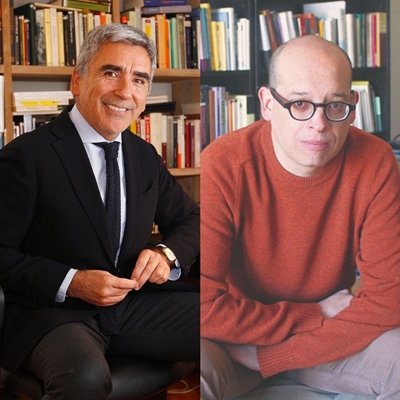
Event 56
Ulises Gutiérrez Llantoy and David Silva Rojas in conversation with Luis Rodríguez Pastor
The rural world
Alianza Francesa de Arequipa
Read moreFrom the Andean sky streaked by Halley's Comet to the agricultural fields of Ica, contemporary Peruvian literature is also told from the perspective of a rural world in transformation. Nuestra luz en la noche, by Ulises Gutiérrez Llantoy, intertwines the Andean worldview with Western science and transforms the sky into an observatory of existence. Donde trabaja el agua, with which David Silva Rojas won the Almadía-Ventosa-Arrufat International Novella Prize, follows the story of a young woman who leaves her community to work temporarily as a farm labourer in Ica. Both authors will speak to their fellow writer Luis Rodríguez Pastor about how to inhabit their own territory within the pages of fiction.
With the support of the Universidad Continental
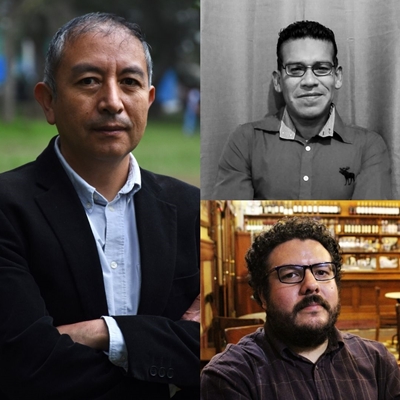
Event HFC21
Book Presentation with Julio Granda and Juan Luis Ramírez
Guide to be a chess master
Plaza San Francisco
Read moreStarting to play chess is easy; all you need is a board, the pieces and the desire to learn. Perfecting your technique is another matter entirely: it requires hours of training and study. No one is better suited than Julio Granda, the greatest chess player in Peruvian history, to guide us from the most basic strategies to the moves that win major games. He will present, along with Juan Luis Ramírez, the Guía para ser un maestro de ajedrez, a manual that begins with the fundamentals and progresses to analysing the most memorable games of his career. The Grandmaster will share a close and playful encounter with young chess players from Arequipa, playing through several chess positions and moves with them while sharing his experience and passion for the game.
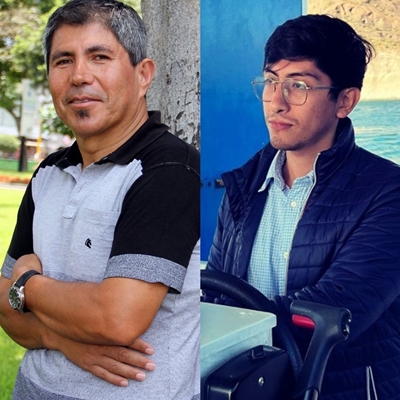
Event HFC22
Taller con Gracia Angulo y Luis Adawi
Los sabores de la memoria
Biblioteca Personal de Vargas Llosa (San Francisco 306) - Auditorio Amelia Díaz
Read more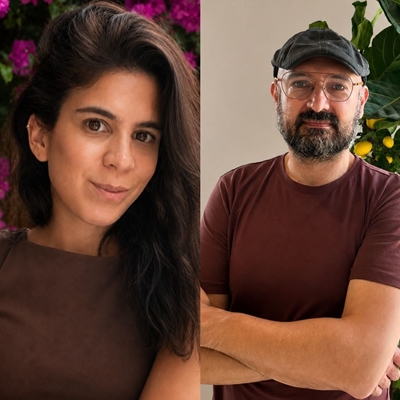
Event HFC23
The Coro Institucional del Colegio Esclavas del Sagrado Corazón de Jesús in concert
Plaza San Francisco
Read more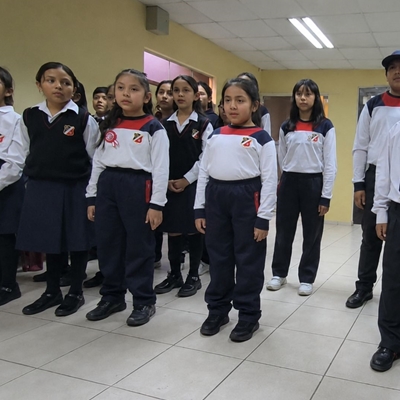
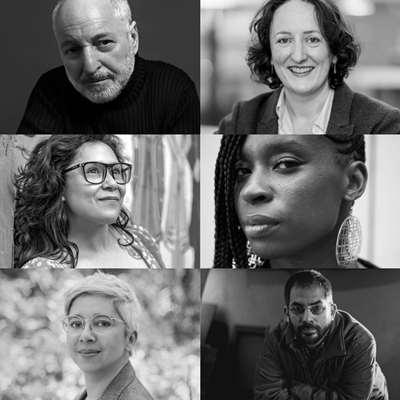
Event 57
André Aciman, Elma Correa, Catherine Fletcher, Vidya Narine and Irenosen Okojie in conversation with Enrique Planas
Maps for understanding ourselves
Teatro Municipal
Read moreMaps are never neutral. They define borders, reflect power relations, record conflicts, and reveal how societies imagine and organize the world. At a time of profound geopolitical transformations, marked by territorial disputes, migrations, climate crises and new configurations of global power, cartographies take on renewed significance. André Aciman (Egypt/United States), Elma Correa (Mexico), Catherine Fletcher (United Kingdom), Vidya Narine (France) and Irenosen Okojie (Nigeria/United Kingdom) will share different ways of reading and narrating the world. Each will choose their own physical, cultural, linguistic or emotional map and discuss how these shape our understanding of identity, memory, territory and belonging.
Simultaneous interpretation from English to Spanish available
SURA Invites and with the support of the British Council
Event 58
Cal Flyn in conversation with Mateo Lira
Centro Cultural Peruano Norteamericano (teatro)
Read moreCal Flyn (Reino Unido) visita varios paisajes posthumanos en Islas del abandono y descubre cosas tan impresionantes como que en Chernóbil ha resurgido una variedad de vida silvestre o que en la zona desmilitarizada que separa las dos Coreas hay un bosque que alberga especies extinguidas o en peligro de extinción en cualquier otro lugar. Cada lugar abandonado por la humanidad se convierte en una isla recuperada por la naturaleza. Y es que a la naturaleza no le va nada mal cuando el ser humano se hace a un lado.
Se ofrecerá interpretación simultánea del inglés al español
With the support of the British Council
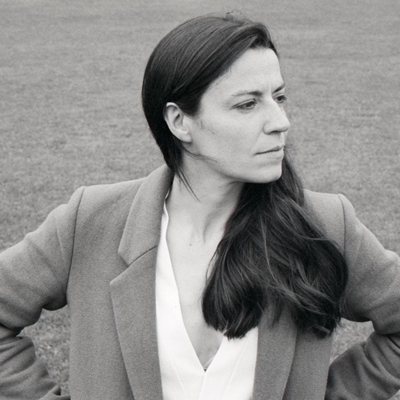
Event 59
Liliana Blum and Alma Delia Murillo in conversation with Cecilia Barría
Mexico, the intimate and the wild
Centro Cultural Peruano Norteamericano (auditorio)
Read moreWhen you read the Mexican authors Liliana Blum and Alma Delia Murillo, you won't find headlines describing their work as "the great Mexican novel"; and yet, their work is a way to better understand the country. Both authors begin with intimate stories and look into areas where wounds permeate all of society — wounds that, in many cases, also resonate in Peru. Murillo does so in Raíz que no desaparecido, where she explores the limbo between absence and hope experienced by the families of the disappeared. Blum does the same, immersing her characters in stories of violence, family silences and contradictions, leading to landscapes as sordid as they are real. In conversation with the BBC Mundo journalist Cecilia Barría.
With the support of Open Society Foundations

Event 60
Rember Yahuarcani in conversation with Katerina Valdivia Bruch
An invitation to think about the Amazon through contemporary art
Colegio de Arquitectos
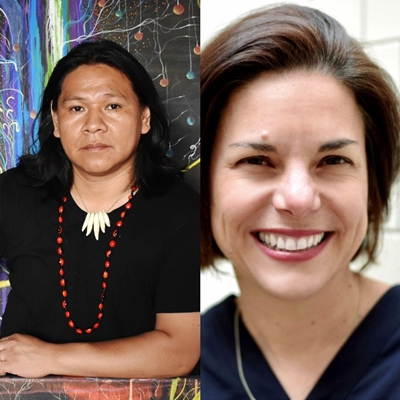
Read moreFor centuries, the Amazon has been viewed from the country's metropolis as territory, landscape, or resource. Today, contemporary art proposes a reversal of that perspective. What happens when the Amazon ceases to be an object of representation and becomes a form of knowledge? Artist Rember Yahuarcani, whose work intertwines the oral history of the Uitoto people with the language of contemporary art, will speak to the curator and independent researcher Katerina Valdivia Bruch about the new way of imagining that are emerging from the forest. A conversation about how art can open up space for other ways of knowing and relating to the territory.
With the support of the University of Lima and the ICPA

Partner for Latin America

Principal Sponsors in Perú