Arequipa 2020
All the events are free. Please select and book the events you wish to attend by entering your personal data. You will receive a confirmation mail that will validate your reservation and will be your voucher so that you can access the events virtually.
The schedules shown for each event are in GMT-5 (Lima, Bogotá, Panamá…). Once the live streaming is over, the recordings will be available until 16 November at 12:00 am for free on this website, below each event description. Afterwards, they will be added to Hay Player, our online archive containing audio and video of the events from all Hay Festivals across the world.
View the Hay Festivalito programme: the section for children and young adults.
If you have any trouble making your reservations, you can contact us at contacto@hayfestival.org
Event 15
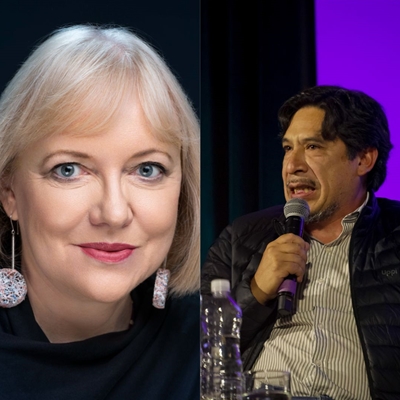
Renata Salecl in conversation with José Luis Ramos Salinas
Cohabitation, not competition
Colegio de Arquitectos
Read moreIn a system that glorifies individualism and the cult of the self, it is hardly surprising that bad manners and rudeness are gaining ground across the social spectrum. One need only observe the outbursts of those who govern us or read the thousands of messages flooding social media. The sociologist and philosopher Renata Salecl (Slovenia) observes how neoliberalism has colonised our emotions, our decisions, and even our forms of empathy. She sets this out in Maleducados, where she also offers an alternative: kindness. Not as naive behaviour, but as a form of resistance. If the system wants competition, let us respond with coexistence. In conversation wtih José Luis Ramos Salinas.
Simultaneous interpretation from English to Spanish available
With the support of the PUCP
Event 16
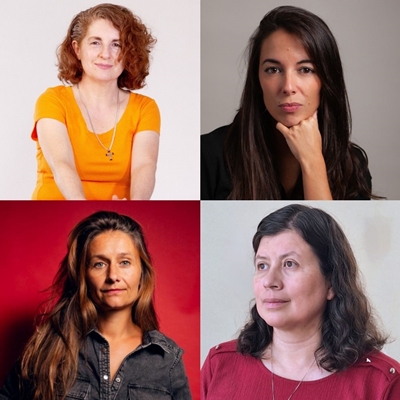
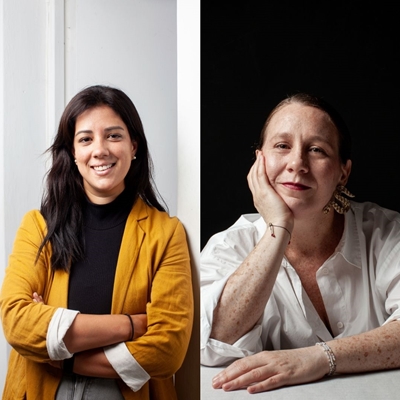
Liliana Blum, Sophie Demange and Nerea Pallares in conversation with Zoila Vega Salvatierra
Resistance by women
Teatro Arequepay
Read moreWith the support of Acción Cultural Española, AC/E and the French Embassy
Event 17
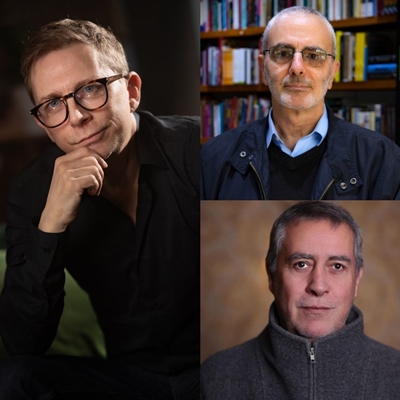
Gerald Bronner and Farid Kahhat in conversation with Benjamín Carrasco
Truth, propaganda and democracy in the digital era
Casa Gibson - Universidad Católica Santa María
Read moreThe information we receive depends increasingly on algorithms, social media and communities that share their own versions of reality. The abundance of information does not necessarily make us better informed: it also encourages the circulation of fake news and narratives designed to confirm what we already believe. The French sociologist Gerald Bronner, one of the leading researchers into the effects of the digital environment on the way we obtain information, and the international analyst Farid Kahhat (Peru) will discuss with Benjamín Carrasco how the truths that reach the public sphere are constructed today, what role propaganda plays, and what consequences all this has for democracy.
Simultaneous interpretation from French to Spanish available
With the support of the UCSM
Event P2
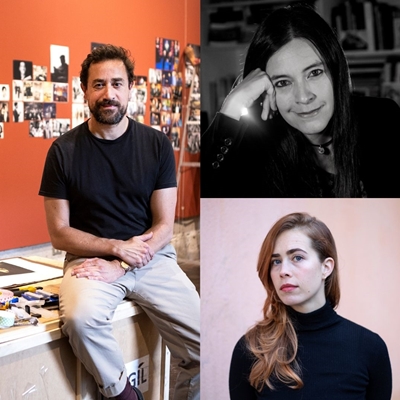
Carlos Caamaño, Rossana Díaz Costa and Greta García
Hay Festival en español podcast: another place to talk about art
Casa del Moral
Read moreStories change depending on who tells them and from whose perspective. Some stories only emerge when we shift our perspective, and it is our viewpoint that shapes the narrative. Come and see how an episode of the Hay Festival podcast in Spanish is recorded live, and listen to the reflections of Carlos Caamaño, Rossana Díaz Costa and Greta García on how photography, film and dance engage with the world.
Presenters: Miguel Barreda Delgado and Iñaki Lasa Etura
Script: Hay Festival Internacional
Production: Vía Expresa Cine y Video
Sponsored by Credicorp - podcast series
Event HFJ7
Luis Carlos Arias Schreiber in conversation with Luis Goya
El peruano que conquistó Wimbledon
Universidad Continental
Read moreEn 1959 Alex Olmedo se convirtió en el primer tenista peruano en ganar el prestigioso torneo de Wimbledon. Una hazaña que ningún compatriota ha repetido desde entonces. Ese mismo año se había alzado con el Abierto de Australia. El periodista Luis Carlos Arias Schreiber (Perú) ha publicado Alejandro Olmedo, biografía en la que reconstruye el ascenso a la gloria de un muchacho arequipeño de origen humilde. Sus años en Estados Unidos, su compleja relación con la identidad, la nacionalidad y la competencia, y cómo se convirtió en entrenador de celebridades como Katharine Hepburn, Kirk Douglas y John Wayne.
Event 18
Juan Esteban Constain and Santiago Roncagliolo in conversation with Raúl Tola
Magnificent humanity: Leo XIV’s encyclical
Teatro Municipal
Read moreStreaming available
Sponsored by Gloria
Event 19
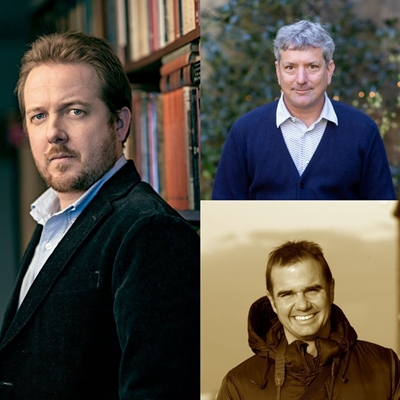
Fietta Jarque and Alonso Ruiz Rosas in conversation with Dante Trujillo
Blanca Varela, naked poetry
Centro Cultural Peruano Norteamericano (teatro)
Read moreSponsored by Fundación BBVA
Event 20
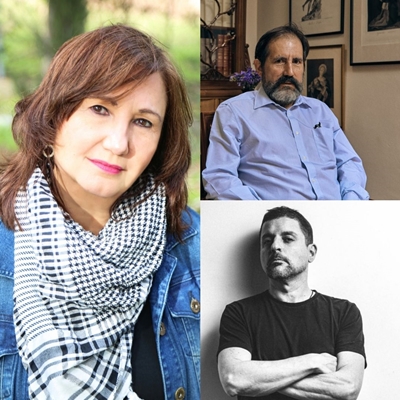
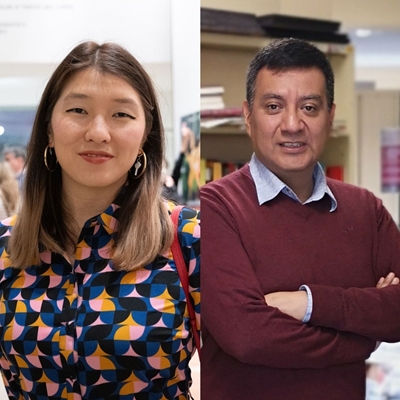
Quan Zhou in conversation with Ricardo Sumalavia
From here and there
Centro Cultural Peruano Norteamericano (auditorio)
Read moreWith the support of Acción Cultural Española, AC/E and the PUCP
Event 21
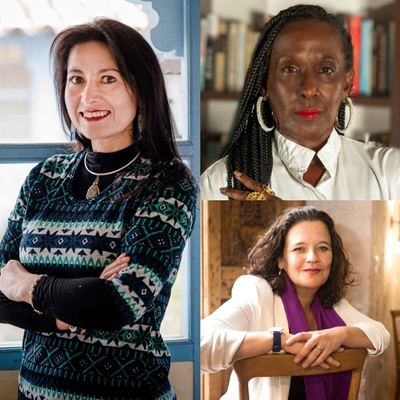
Karina Pacheco and Mayra Santos-Febres in conversation with Cristina Fuentes La Roche
Other stories from the Archivo de Indias: memory persists
Teatro Arequepay
Read moreWith the support of CAF
Event 22
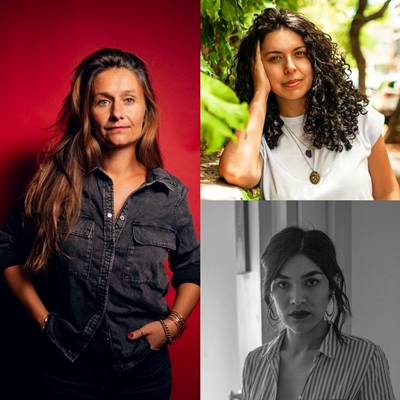
Sophie Demange and Melanie Pérez Arias in conversation with Ximena López Bustamante
Sorority: both weapon and support
Alianza Francesa de Arequipa
Read moreThe feminine is not always rosy, cheerful and optimistic. The three protagonists of the feminist thriller Las carniceras by Sophie Demange (France) are victims of sexual abuse, whilst a woman who, as she begins to lose her hair, sees her identity falter is portrayed by Melanie Pérez Arias (Venezuela) in her debut novel, Un animal que se deja caer. But if life is not all roses, then let it at least be died a sisterly shade of purple. What is fragile, once broken, becomes a sharp weapon, and Demange’s three butchers begin to take justice into their own hands—and knives—, taking revenge on the men who harass the women in their neighbourhood. Sharp on one side, tender on the other. Faced with a body falling apart, Pérez Arias builds a refuge: a network of three women who support the protagonist whilst her body and inner self undergo transformation.
Simultaneous interpretation from French to Spanish available
With the support of the French Embassy in Peru
Event HFC7
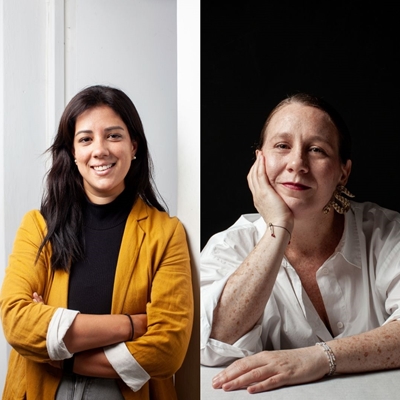
PUCP Book Club run by María Gracia Ríos, Rosario Yori and PUCP Students
'Oráculo' by Álvaro Bisama
Plaza San Francisco
Read moreBook to be read before attending
With the support of the PUCP
Event P3
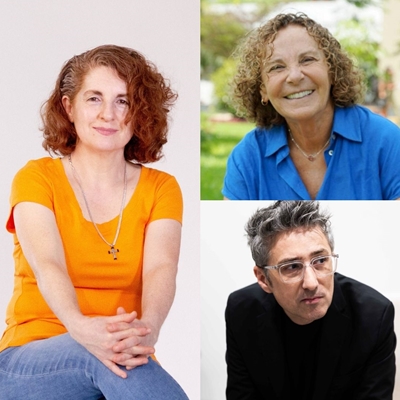
Liliana Blum, Giovanna Pollarolo and Patricio Pron
Hay Festival en español podcast: another way to talk about literature
Casa del Moral
Read moreStories change depending on who tells them and from whose perspective. Some stories only emerge when we shift our perspective, and it is our viewpoint that shapes the narrative. Come and see how an episode of the Hay Festival podcast in Spanish is recorded live, and listen to the reflections of Liliana Blum, Giovanna Polarollo and Patricio Pron on what is being written and read today.
Presenters: Miguel Barreda Delgado and Iñaki Lasa Etura
Script: Hay Festival Internacional
Production: Vía Expresa Cine y Video
Sponsored by Credicorp and with the support of Acción Cultural Española, AC/E
Event HFC8
La Carpa Librera, mediated by Elena de Yta
Plaza San Francisco
Read more
Event 23
Juan Esteban Constain in conversation with Carlos Granés
Greece, Rome and Israel: where Christianity began
Teatro Municipal
Read moreEl Hijo del Hombre, by Juan Esteban Constaín, is a historical and literary essay in which the author delves, in his unmistakable style, into the history of the origins of Christianity and the intersection between Judaism and Greco-Roman paganism. The author will be in conversation with the Colombian essayist Carlos Granés about this book, which explores classical antiquity and how Christianity eventually became the official religion of the Roman Empire.
Accesibility: interpretation into Peruvian Sign Language (LSP) available
Event 24
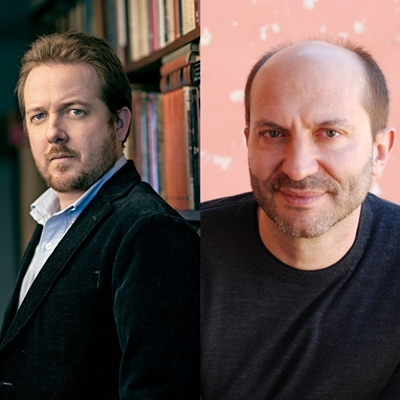
Karin Elmore, Valerie Miles, Miguel Rubio and Erna von der Walde in conversation with a Santiago Rojas
Innovating in culture
Centro Cultural Peruano Norteamericano (teatro)
Read moreWith the support of CAF
Event 25
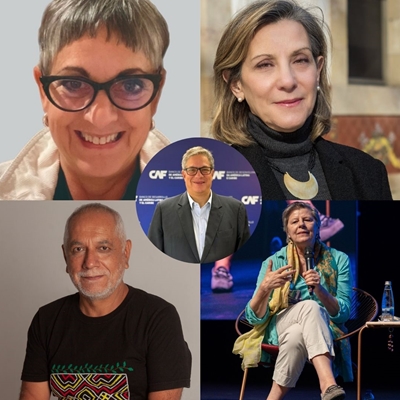
Xabier Díaz de Cerio and Rosa Vásquez Espinoza in conversation with Jorge Malpartida Tabuchi
Looking at the Amazon, listening and telling its story
Centro Cultural Peruano Norteamericano (auditorio)
Read moreThere are many books on the climate crisis, just as there are many people who talk to us about it. However, there are not so many who offer new perspectives when it comes to trying to catalyse a social response to a reality that is already upon us. Está que se quema by Xabier Díaz de Cerio offers a journalistic perspective that ranges from the scientific origins of global warming to the critical challenges facing the region, in order to shed light on the issue. The explorer and chemical biologist Rosa Vásquez Espinoza was recognised by the BBC as one of the 100 most influential women in the world for her work on Amazonian conservation and the study of stingless bees. A conversation with Jorge Malpartida Tabuchi on the importance of listening to nature and telling these stories so that we may live with greater climate awareness.
Sponsored by Fundación BBVA
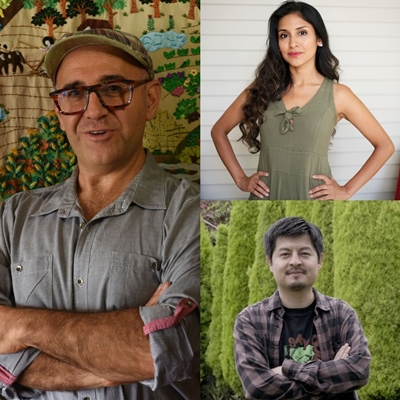
Event 26
Branko Soban in conversation with Camila Osorio
Journalism and Democracy under pressure
Colegio de Arquitectos
Read moreHow do we tell the truth when democracy, freedom of the press and reality itself are under pressure? Democracy is facing one of its most uncertain periods in recent decades: polarisation, the rise of authoritarianism, disinformation, armed conflicts and growing competition between major powers are redefining the international balance of power. Journalist Branko Soban (Slovenia) has practiced the profession for over fifty years, covering global events in Europe, the Middle East and Russia. He will analyse how these challenges are transforming global politics and testing the resilience of democracies. A conversation with El Pais journalist Camila Osorio, to understand a world where the boundaries between domestic and international politics are becoming increasingly difficult to define.
Simultaneous interpretation from English to Spanish available
With the support of the UCSM
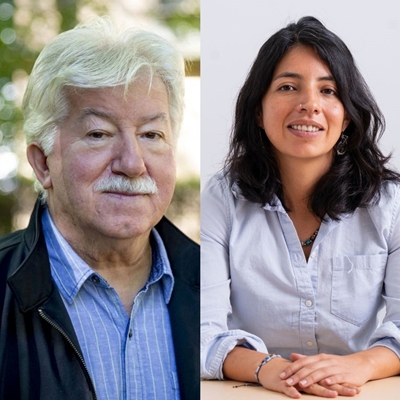
Event 27
Serge Barbet and Carlos Rivadeneyra in conversation with Omar Zevallos
Listening before thinking: a podcast against disinformation
Teatro Arequepay
Read moreAt a time when artificial intelligence, algorithms and fake news are transforming our relationship with the truth, audio is emerging as one of the most intimate and reflective formats. Can the podcast become a tool for strengthening critical thinking and informed citizenship? Drawing on CLEMI’s experience in media literacy and pioneering research into the history of podcasting in Peru, Serge Barbet and Carlos Rivadeneyra —joined by Omar Zevallos— will explore how to educate new audiences to listen better, verify sources and participate more consciously in democratic life.
Consecutive interpretation from French to Spanish available
Sponsored by the University of Lima and with the support of the French Embassy
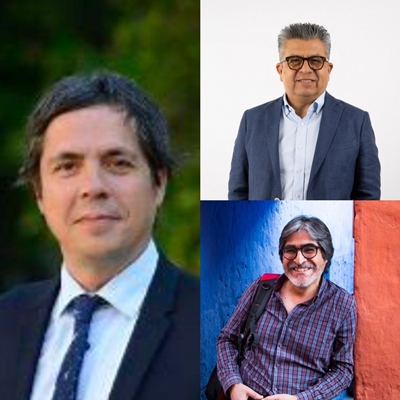
Event 28
Rose Lowder in conversation with Elisa Arca and Edward de Ybarra
Filmic gardens
Alianza Francesa de Arequipa
Read moreThe Peruvian-British filmmaker Rose Lowder is one of the most distinctive voices in global experimental cinema. In her first public appearance in Arequipa, she will discuss her life’s work —dedicated to exploring new ways of seeing the world— with Elisa Arca and Edward de Ybarra. Through a cinematic language developed with patience and rigour, she has built a body of work that holds particular relevance today. In an era defined by the ceaseless proliferation of digital images, her work invites us to pause, observe and rediscover the richness of visual experience. She transforms gardens, orchards and cultivated landscapes into complex visual compositions where perception, time and ecology converge.
Simultaneous interpretation from English to Spanish available
With the support of the British Council and ATA
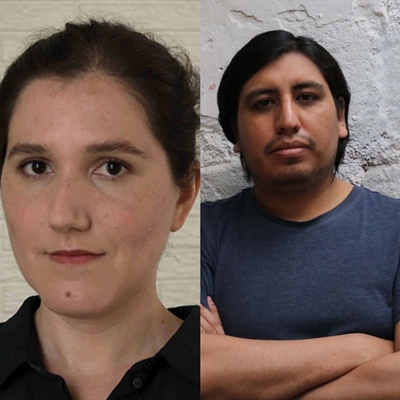
Event HFC9
Book and mediation event with Micaela Chirif, Jessica Rodríguez and Carla Galdós Pretto
In the form of words
Plaza San Francisco
Read more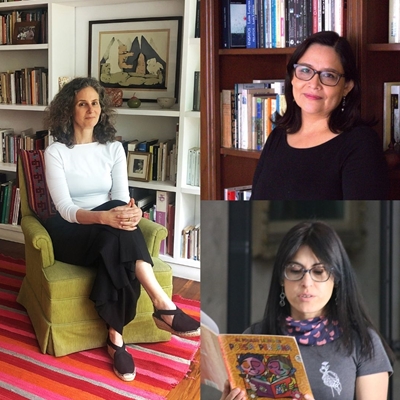
Event HFC10
Event with Estefanía San Miguel
Emotional health among young people
Biblioteca Personal de Mario Vargas Llosa (San Francisco 306) - Auditorio Amelia Díaz
Read moreEvent HFC11
PUCP Book Club with María Gracia Ríos, Rosario Yori and PUCP Students
'Un animal que se deja caer' by Melanie Pérez Arias
Plaza San Francisco
Read moreBook to be read before attending
With the support of the PUCP
Event HFC13
Sound massages
Biblioteca Personal de Mario Vargas Llosa (San Francisco 306) - Galería Casa Verde
Read moreWhen sound becomes a space for encounter, resonance and imagination, ‘Sound Massages’ emerge: a realm of listening and inner perception. It is a sound experience situated between performance and deep listening. Everyday objects will create delicate soundscapes; a microscopic and unexpected universe. An invitation to slow down, focus your attention and experience sound as a physical, sensory and imaginative space. Developed by the sound artists and improvisers Pascal Battus and Thierry Madiot, the sound massages will be interpreted by the five members of KNM Ensemble who will join us at the opening concert of Hay Festival Arequipa 2026.
There will be individual 15-minute ‘sound massages’.
With the support of the Goethe-Institut Peru and the Crippled Symmetries project
Event 29
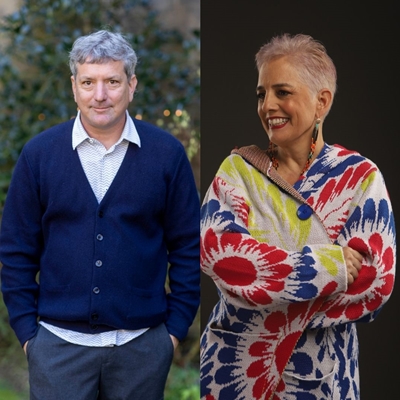
Santiago Roncagliolo in conversation with Patricia del Río
The unexpected rise of Leo XIV
Teatro Municipal
Read moreEl pastor y los lobos by Santiago Roncagliolo (Peru) is the true story of Pope Leo XIV and the darkness. The story: a narrative investigation into Robert Prevost’s rise to the papacy. The darkness: the internal struggles, contradictions and challenges facing the Catholic Church. Two factions, one reformist and the other fundamentalist; two ways of understanding the Church, and one had to choose the successor to Francis I. It was here that the discreet figure of Prevost, far removed from the media spotlight, emerged. Roncagliolo traces the clergyman’s path, from his ecclesiastical and social work in Chiclayo to his pivotal role in investigating the Curia’s most murky cases. He also weaves a personal narrative in which he confronts values such as hypocrisy and faith, as well as corruption and justice. He will talk to the journalist and writer Patricia del Río.
Sponsored by Gloria
Event 31
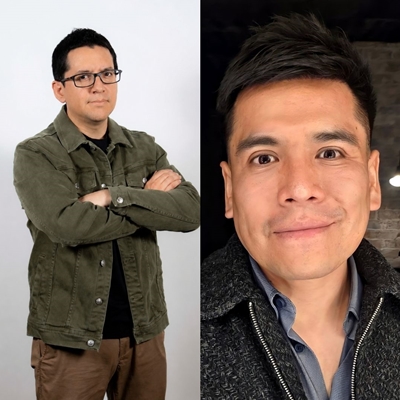
Aldo Bartra in conversation with Omar Flórez
Questions that keep you awake at night
Colegio de Arquitectos
Read moreThe premise of Peruvian science communicator Aldo Bartra, known for his YouTube channel El Robot de Platón, is clear: science is for everyone. That is why he uses accessible language suitable for all ages when explaining complex topics such as quantum mechanics or the expansion of the universe. In Preguntas que no te dejan dormir, he explores unusual questions with clarity, humour, curiosity and references to pop culture. Readers will learn things such as whether any animals can live without oxygen, or what would happen to our DNA if our head were transplanted onto another body. Bartra demonstrates that science can be popular if approached in the right way.
Sponsored by Cerro Verde
Event 32
Elisa Tokeshi in conversation with Andrea Lerner
Telling is healing
Teatro Arequepay
Read moreThere are books that are best understood through the author’s life story. The singer, writer and content creator Elisa Tokeshi Peru) has borderline personality disorder (BPD); just like Julieta, the protagonist of Borderline sagrada, her first novel. Literature serves as a form of catharsis here, as Tokeshi began writing it on the very weekend she overcame her addictions. But whilst it draws on some personal experiences, it remains a work of fiction. The story recounts the day-to-day life of a young woman with BPD – a sort of chaos, with its emotional highs and lows. A self-destructive cycle, with failed attempts at healing, broken promises and wounds; and, also, a testimony to recovery.
With the support of the Open Society Foundations
Event 33
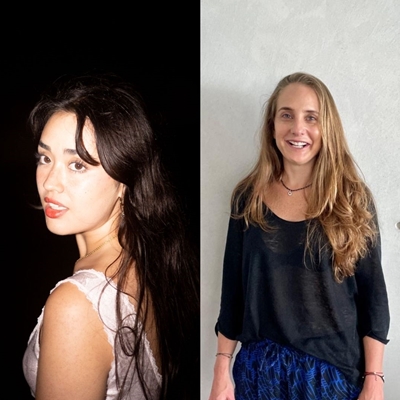
Cristina Bendek, Álvaro Bisama and Edmundo Paz Soldán in conversation with Enrique Planas
Maps to orient us
Casa Tristán del Pozo - Fundación BBVA
Read moreMaps are never neutral. They define borders, reflect power relations, record conflicts and reveal the ways in which societies imagine and organise the world. At a time of profound geopolitical change, characterised by territorial disputes, migration, climate crises and new configurations of global power, cartography takes on renewed significance. Cristina Bendek (Colombia), Álvaro Bisama (Chile) and Edmundo Paz Soldán (Bolivia) will share different ways of interpreting and narrating the world. Each will choose their own physical, cultural, linguistic or emotional map and discuss how these shape our understanding of identity, memory, territory and a sense of belonging.
Sponsored by La Joya Mining Group and with the support of the Embassy of Chile
Event 34
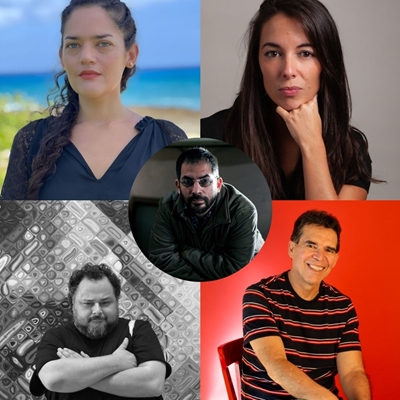
Claudia Apablaza, Cal Flyn and Frank Steinhofer in conversation with Xabier Díaz de Cerio
Nature and us
Alianza Francesa de Arequipa
Read moreWhen we talk about the climate emergency, we tend to do so from an anthropocentric perspective, in which nature is relegated to a backdrop that humans transform. Yet perhaps change also means learning to view it from a different perspective. Claudia Apablaza (Chile), Cal Flyn (United Kingdom) and Frank Steinhofer (Germany) explore, through fiction and non-fiction, different ways of narrating our relationship with the land. Together with the environmental journalist Xabier Díaz de Cerio, they will reflect on how changing our point of view may be the first step towards transforming our relationship with the environment.
Simultaneous interpretation from English to Spanish available
With the support of the Embassy of the Federal Republic of Germany in Lima and the British Council
Event 36
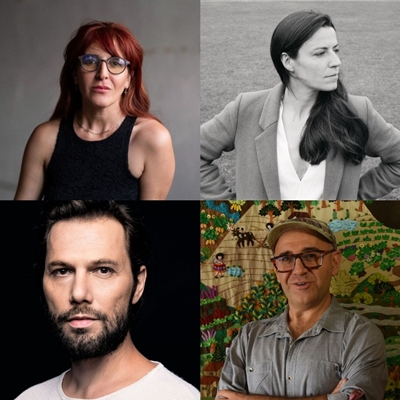
Ximena López Bustamante, Morella Petrozzi, Giovanna Pollarolo, Mayra Santos-Febres and Romina Silman in conversation with Martín Zúñiga Chávez
Women poetising: ways of living in poetry
Centro Cultural Peruano Norteamericano (teatro)
Read morePoetry is not a single language, but a constellation of perspectives. Some arise from intimacy, others from the body, memory, or desire. Ximena López Bustamante, Morella Petrozzi, Romina Silman, Giovanna Pollarolo and Mayra Santos-Febres will share five ways of approaching the poem. Pollarolo, from the experience of one of the most established voices in contemporary Peruvian poetry; Santos-Febres, from the dialogue between poetry and the body, identity, Afro-Peruvian memory and desire; López-Bustamante, from the perspective of a new generation searching for its own language; Petrozzi, from a less conventional dimension, where the body, movement and performance expand the possibilities of the poetic act; and Silman, from the body and memory as places where one can reconstruct one’s own identity.
With the support of PUCP
Event HFC12
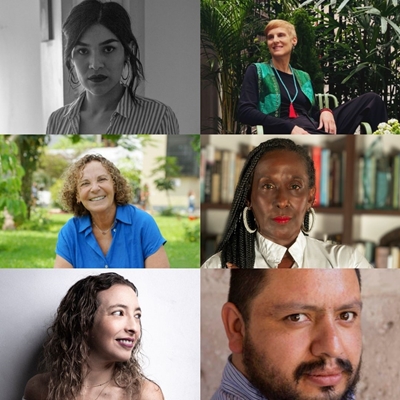
Workshop with AXIS ARTE PUCP
Jugamos para aprender: trazos de arte y juego sobre culturas prehispánicas
Plaza San Francisco
Read moreCon el apoyo de la PUCP
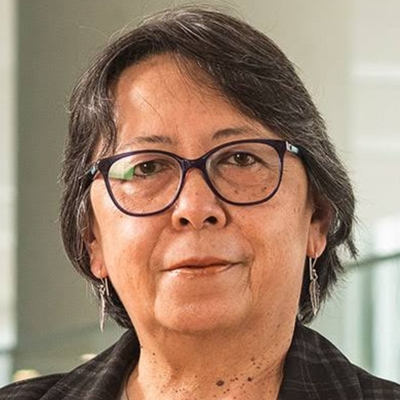
Event HFC14
La Carpa Librera, mediated by Ysabel Rodríguez
Plaza San Francisco
Read moreLa Carpa Librera book tent is a welcoming space for reading and listening to stories, where children, young people and adults can explore books and discover all that they have to offer. This is a place where the pages come to life. For this experience, we will be joined by the reading facilitator Ysabel Rodríguez.
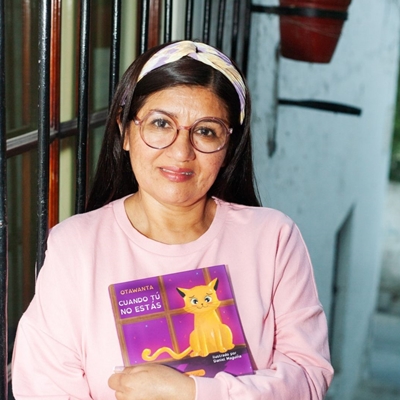
Event HFC15
Presentation of the ‘Los Destacados 2026‘ prize
Biblioteca Personal de Mario Vargas Llosa (San Francisco 306) - Auditorio Amelia Díaz
Read moreLos Destacados 2026 is an initiative by Cedili IBBY Peru to celebrate excellence in Peruvian children’s and young adult literature through the first Cedili Prize. The competition will recognise works published between 2024 and 2026 in more than twenty categories, including novels, poetry, picture books, graphic novels, translations and indigenous languages, amongst others. Taking part in the award presentation are children’s literature author Micaela Chirif, illustrator Fernando Arce, Leonardo Dolores, director of the Department of Books and Reading at the Ministry of Culture, Jessica Rodríguez, president of Cedili IBBY Peru, and Milagros Saldarriaga, a representative of the jury.
Event P4
Alma Delia Murillo, Nerea Pallares and Alessandra Pinasco
Hay Festival en español podcast: memory has no borders
Casa del Moral
Read moreStories change depending on who tells them and from whose perspective. Some stories only emerge when we shift our perspective and it is our viewpoint that shapes the narrative. Come and see how an episode of the Hay Festival podcast in Spanish is recorded live, and listen to Alma Delia Murillo, Nerea Pallares and Alessandra Pinasco reflect on how memory travels across generations, territories and lives to shape the stories that define us.
Presenters: Miguel Barreda Delgado and Iñaki Lasa Etura
Script: Hay Festival Internacional
Production: Vía Expresa Cine y Video
Sponsored by Credicorp – Podcast series and with the support of Acción Cultural Española, AC/E
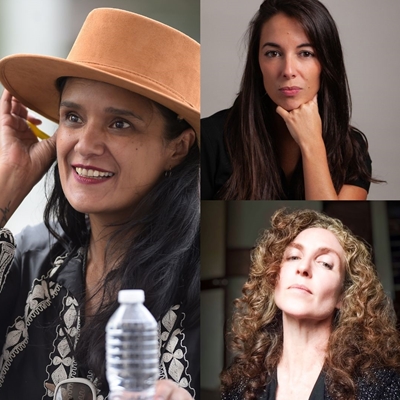
Event CL1
Reading Club with Patricio Pron and Jorge Malpartida Tabuchi
En todo hay una grieta y por ella entra la luz
Instituto Cultural Peruano Alemán
Read moreThe Hay Festival Reading Club comes to Arequipa with Jorge Malpartida Tabuchi presenting Patricio Pron (Argentina) and his novel En todo hay una grieta y por ella entra la luz, which begins as a biography of Benjamin Fondane, but soon becomes a tale of a fractured world, a snapshot of the dizzying pace of New York, with pain at the heart of the narrative, all woven together through footnotes.
Book to be read before attending
SURA Invites, with the support of Acción Cultural Española, AC/E

Event TE2
Valerie Miles in conversation with Paco Goyanes
Granta en español: passion, dialogue and debate in the Spanish-speaking world
Centro Cultural Peruano Norteamericano (auditorio)
Read moreThe New York-based editor —as well as translator, writer and researcher— Valerie Miles is a key figure in contemporary Spanish-language literature. Of particular note is her role as co-founder and editor of Granta en español, a magazine that has showcased the work of several generations of Latin American writers.
With the support of the Spanish Agency for International Development Cooperation AECID and Librerías Cálamo
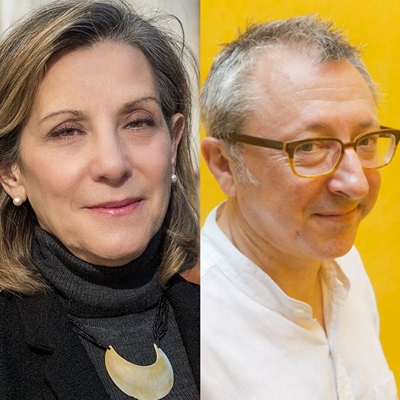
Event 30
Miguel Almeyda Morales, Doris Guillén Delgado, Greta García and Morella Petrozzi in conversation with Santiago Rojas
Theatre, dance and cultural management to show the way to another society
Centro Cultural Peruano Norteamericano (teatro)
Read moreTheatre, contemporary dance and cultural management have quietly helped to transform the way Peru perceives itself. However, their social impact remains little known and under-valued. Can they help us to understand a form of violence that statistics fail to explain? To express that for which there are as yet no words? Theatre director Miguel Almeyda Morales and the dancers and creators Greta García and Morella Petrozzi, whose careers have combined artistic creation with the promotion of cultural policies and institutions; and the Arequipa-based artist Doris Guillén Delgado, will engage in a dialogue with Santiago Rojas, from CAF, on the role of the performing arts as tools for memory, imagination and social transformation.
With the support of CAF

Partner for Latin America
Principal Sponsors in Perú